The Honest National Park Ranking: These 5 Are Worth the Chaos — These 4 Aren’t in Peak Season
We may earn money or products from the companies mentioned in this post. This means if you click on the link and purchase the item, I will receive a small commission at no extra cost to you ... you're just helping re-supply our family's travel fund.
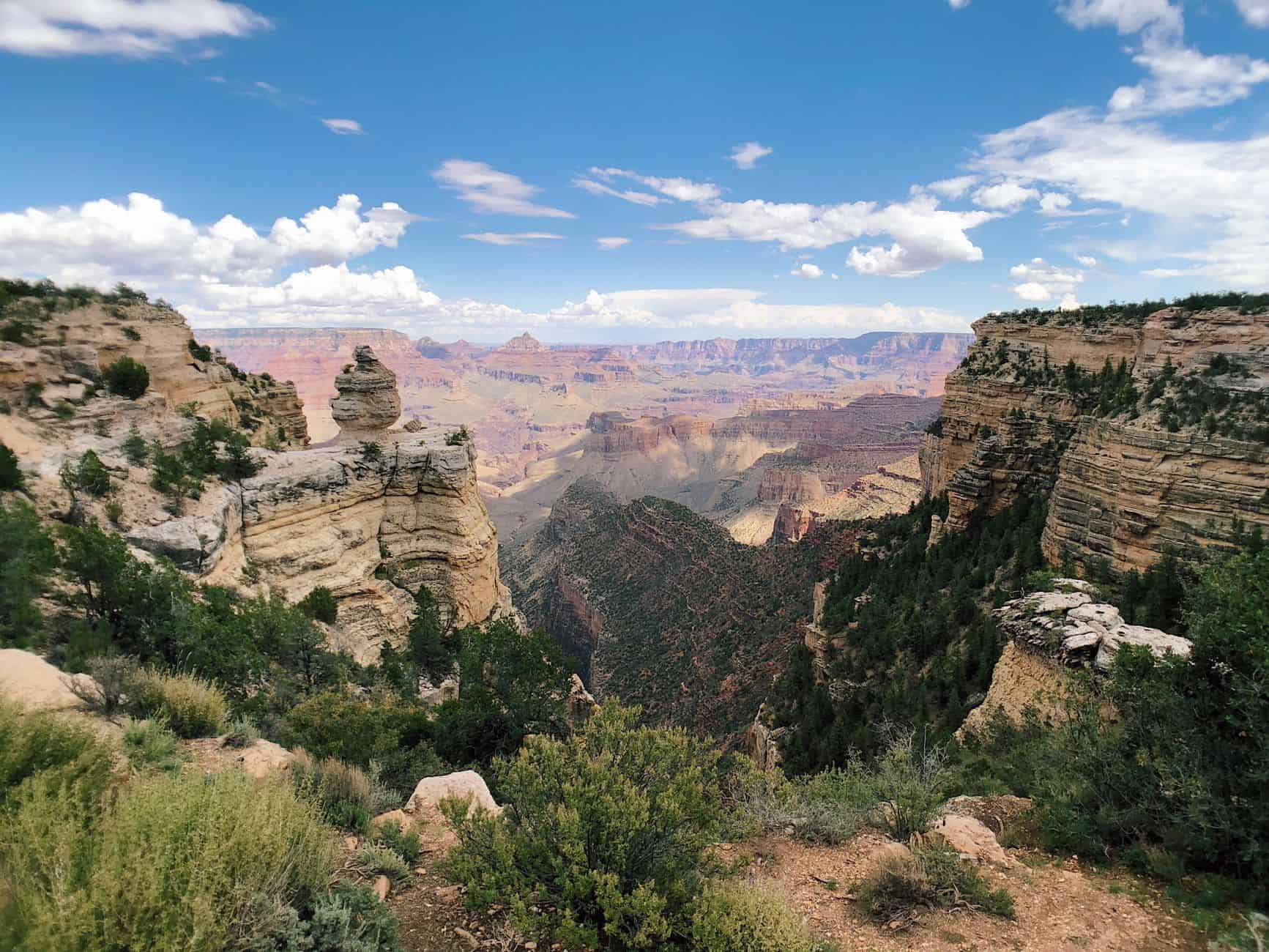
I’ve stood at the rim of the Grand Canyon at 7 AM in October with nobody on either side of me. I’ve also stood at the entrance to Zion’s Angels Landing trail at 8 AM in August with 400 people, in a line that moved about 6 feet every 10 minutes, next to a man who had already complained about his knee twice.
These are not the same experience. They are barely the same activity.
America’s national park system gets over 300 million visits per year, but those visits are distributed with extreme unevenness. A handful of parks absorb the overwhelming majority of visitors. A few have become so popular that the experience of being there in peak season is fundamentally different from — and often worse than — what the park was designed to offer.
Here is an honest assessment of which parks justify peak-season visits, which ones don’t, and what you should actually do instead.
The Crowd Problem Is Not Evenly Distributed
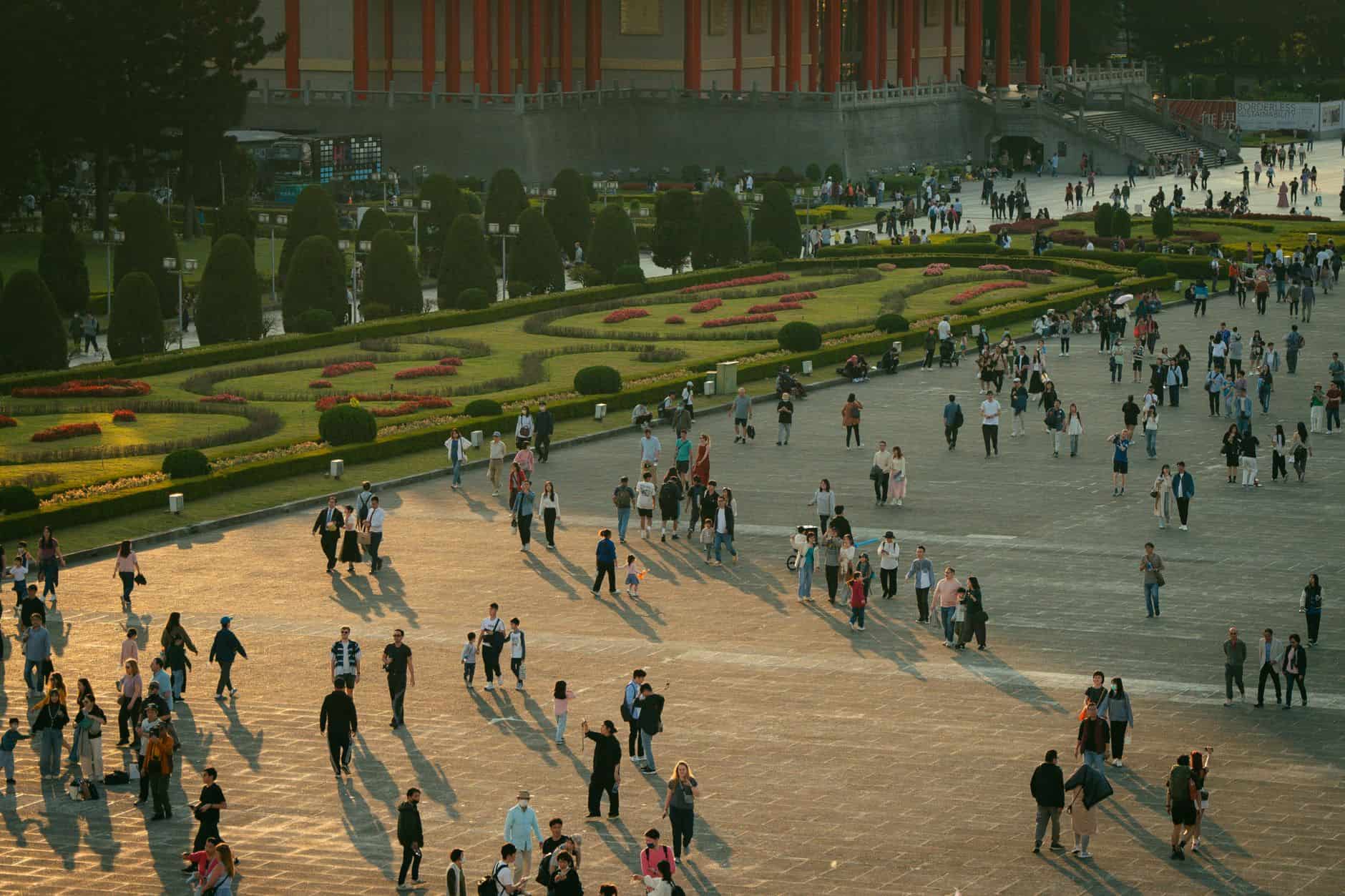
According to the NPS, the top 10 most visited parks account for roughly 40% of all national park visits. The bottom 40 parks combined barely register. This means:
- Yellowstone, Zion, Grand Teton, Rocky Mountain, and Yosemite are genuinely overwhelmed in summer
- Great Sand Dunes, Congaree, Guadalupe Mountains, and North Cascades are essentially empty by comparison
- The difference in experience between these groups in August is hard to overstate
The question is not “are national parks too crowded?” Some are. Most aren’t. The question is which ones are worth visiting when they’re crowded.
Parks That Are Worth Every Person in That Line
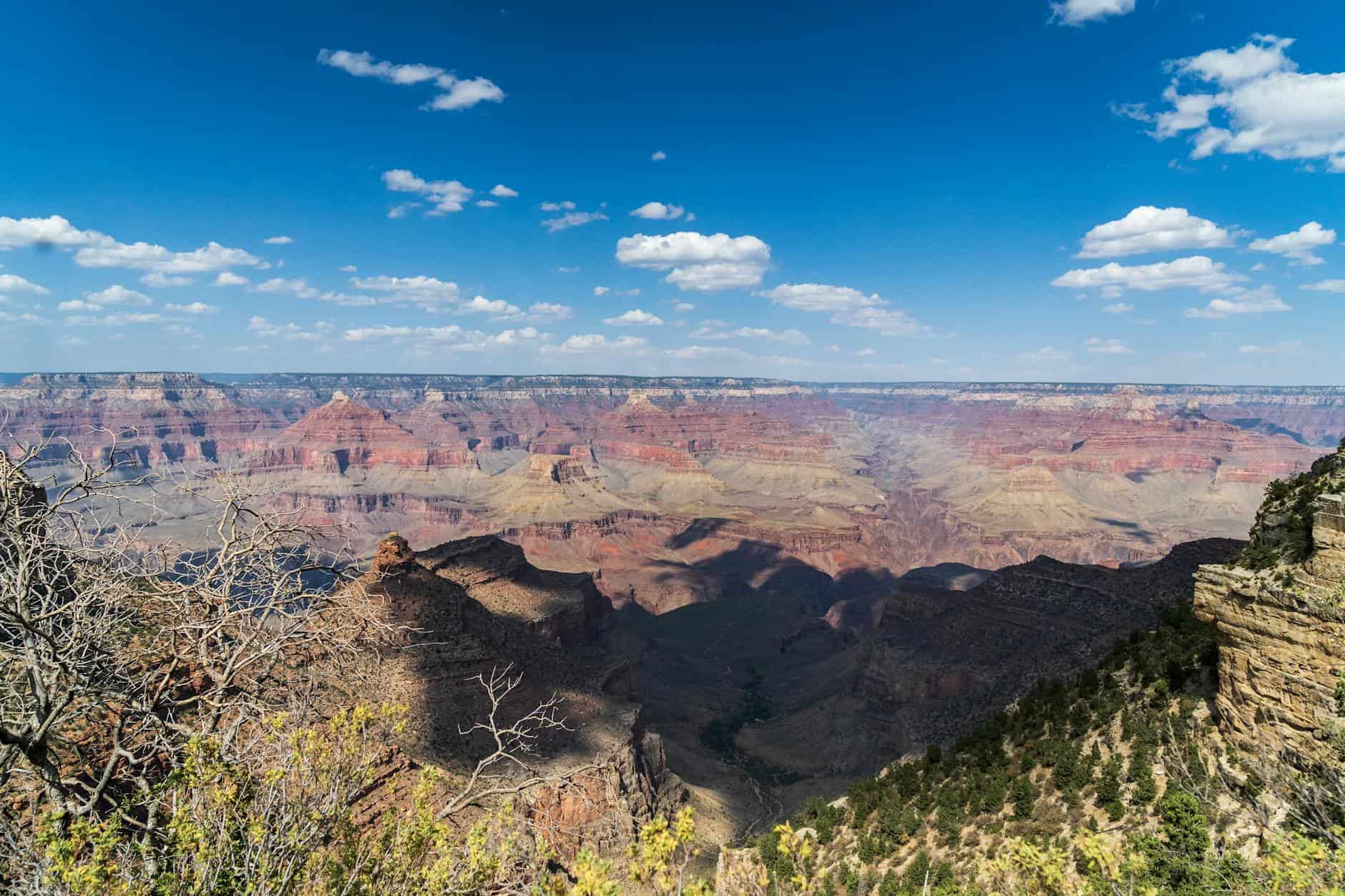
- Grand Canyon National Park, ArizonaThe Grand Canyon is one of those places that defeats your expectations regardless of how many times you’ve seen pictures of it. Standing at the rim for the first time, your brain genuinely struggles to process the scale. Crowds exist and are real, but the park is large enough that solitude is findable. Go to the North Rim (open mid-May through mid-October, dramatically fewer visitors) or take the Bright Angel Trail early morning. Worth it at nearly any crowd level.
Best strategy: arrive at the South Rim before sunrise. The parking situation becomes very difficult after 9 AM in summer. - Yellowstone National Park, Wyoming/Montana/IdahoYellowstone’s geothermal features are genuinely unlike anything else on Earth. Old Faithful is overhyped; the Grand Prismatic Spring is not. The wildlife — bison herds crossing the road, wolves in the Lamar Valley, grizzlies in the meadows — delivers every time. The crowds are real and the roads are slow, but what you’re there to see is still there to be seen.
Best strategy: book lodging 6+ months in advance. Visit geothermal features at dawn or dusk. The Lamar Valley for wildlife is best at first light. - Olympic National Park, WashingtonOlympic is three parks in one: temperate rainforest, alpine wilderness, and 70 miles of wild coastline. It’s large enough that summer crowds are absorbed without the same crush as smaller parks. The Hoh Rain Forest is unlike anywhere in the continental U.S. Highly worth it year-round.
Best strategy: the coastline sections (Rialto Beach, Ruby Beach) are accessible and relatively uncrowded even in peak season. - Acadia National Park, MaineAcadia is small, which makes its crowd problem feel acute — but Cadillac Mountain at sunrise is one of the iconic American experiences, and the carriage road network gives cyclists and walkers a genuinely crowd-dispersed option. The park’s setting on Mount Desert Island is spectacular.
Best strategy: the sunrise reservation for Cadillac Mountain books up months in advance but is genuinely worth the effort. September is the best month — foliage plus fewer visitors. - Great Smoky Mountains National Park, Tennessee/North CarolinaThe most visited national park in the country, and it earns it. Free admission (no entry fee), extraordinary biodiversity, and a wilderness experience within driving distance of 1/3 of the U.S. population. The crowds are maximum-level in summer, but the park is large and the payoff — especially at elevation — remains high.
Best strategy: get above 4,000 feet. Clingmans Dome, Alum Cave Trail, and the AT sections are where you’ll find both the best scenery and relatively fewer visitors than the valley floors.
Parks to Skip in Peak Season (and When to Go Instead)
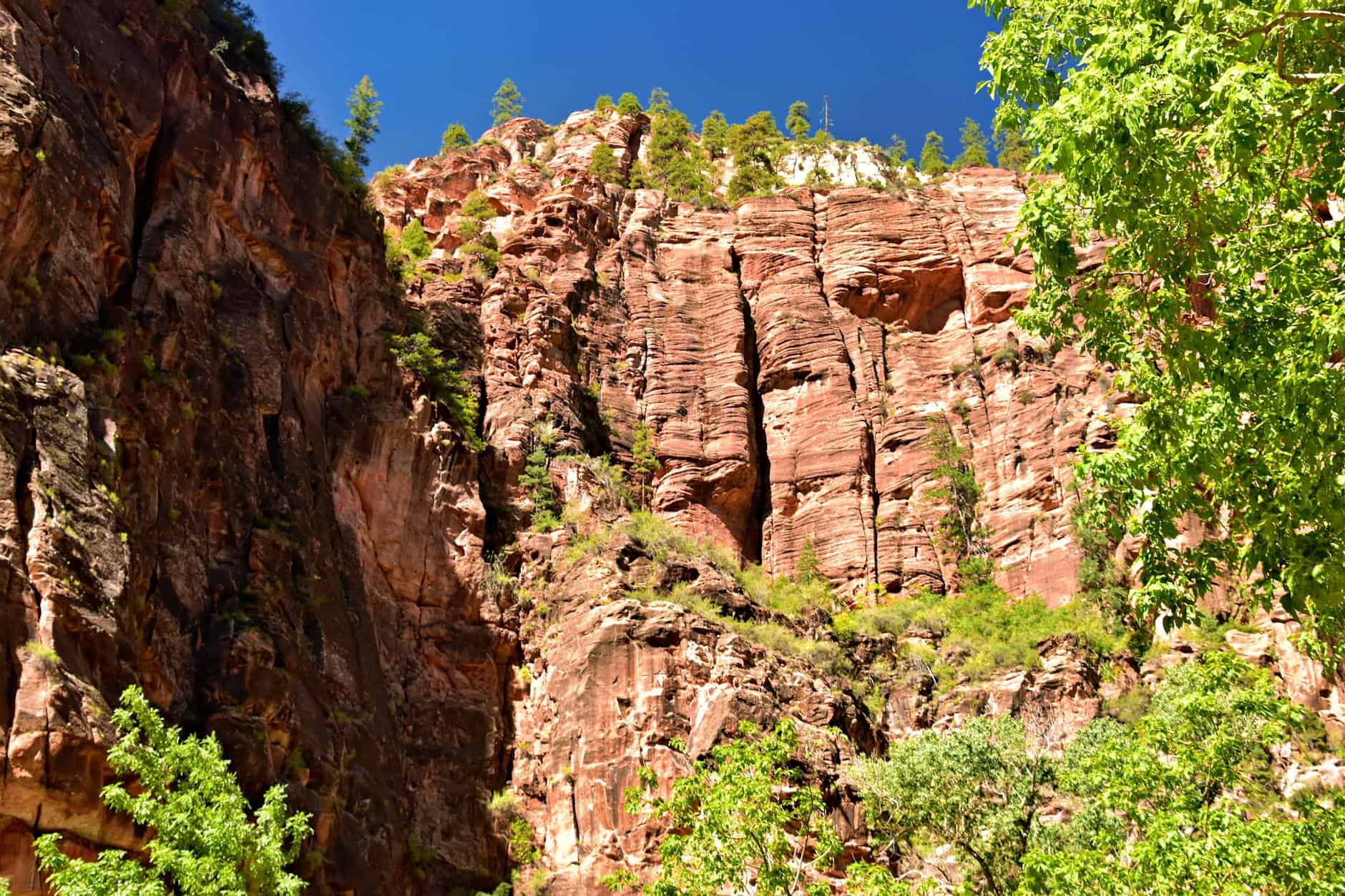
- Zion National Park, Utah — Skip July/AugustZion is spectacular. It is also, in July and August, one of the most claustrophobic outdoor experiences in America. The canyon narrows the entire visitor experience into essentially one road and one shuttle system. The Angels Landing trail — the park’s signature hike — now requires a permit lottery, and even with a permit, the chains section on a summer Saturday feels like a rush-hour subway platform 1,488 feet in the air.
When to go instead: October and November. The canyon walls glow gold and red, temperatures are perfect for hiking, and the crowds drop by 50% or more. - Yosemite National Park, California — Skip June/JulyYosemite Valley in summer has genuine traffic jams inside a national park. The valley floor feels, at peak times, less like wilderness and more like a very scenic outdoor mall. The waterfalls are spectacular in May and June (snowmelt-fed), but the experience from July onward is diluted by congestion.
When to go instead: May for waterfall peak plus manageable crowds. October for the best light and dramatically reduced visitor numbers. - Grand Teton National Park, Wyoming — Skip July 4th weekGrand Teton is beautiful and not as overwhelmed as Yellowstone, but the proximity to Yellowstone means a lot of visitors hit both in the same trip. The stretch around Independence Day is the single worst week — plan around it. The rest of summer is manageable.
When to go instead: September. Elk rut season, fall color in the aspens, and a noticeable crowd reduction. - Rocky Mountain National Park, Colorado — Skip Saturdays in AugustThe park implemented a timed entry reservation system because summer Saturday traffic was essentially gridlocking the entrances. Trail Ridge Road is worth it; the visitor experience on a busy Saturday is not.
When to go instead: Weekdays, or September for elk rut and aspen color.
The Overlooked Parks That Are Better Right Now
- Guadalupe Mountains National Park, TexasThe highest point in Texas. Genuinely wild, genuinely remote, genuinely almost nobody there. The fall foliage (the only deciduous forest in the Trans-Pecos region) is spectacular and completely unknown outside Texas.
- Congaree National Park, South CarolinaThe largest intact expanse of old-growth bottomland hardwood forest in the southeastern U.S. Boardwalk trails through primeval-feeling forest. Almost no crowds. Extraordinary birding. Free firefly tours in May and June when synchronous fireflies display — one of the most stunning natural events in the U.S.
- Great Sand Dunes National Park, ColoradoThe tallest sand dunes in North America, backed by 14,000-foot peaks. The visual impossibility of massive desert dunes against alpine mountains is something photographs don’t capture. Crowds are light. The star-gazing is extraordinary.
- Isle Royale National Park, MichiganAccessible only by ferry or floatplane, Isle Royale has the lowest visitation of any national park in the lower 48. Backpacking and canoeing in true wilderness. Wolves and moose. Zero day-trippers. Everything national parks are supposed to feel like.
The Timed Entry and Reservation System, Explained
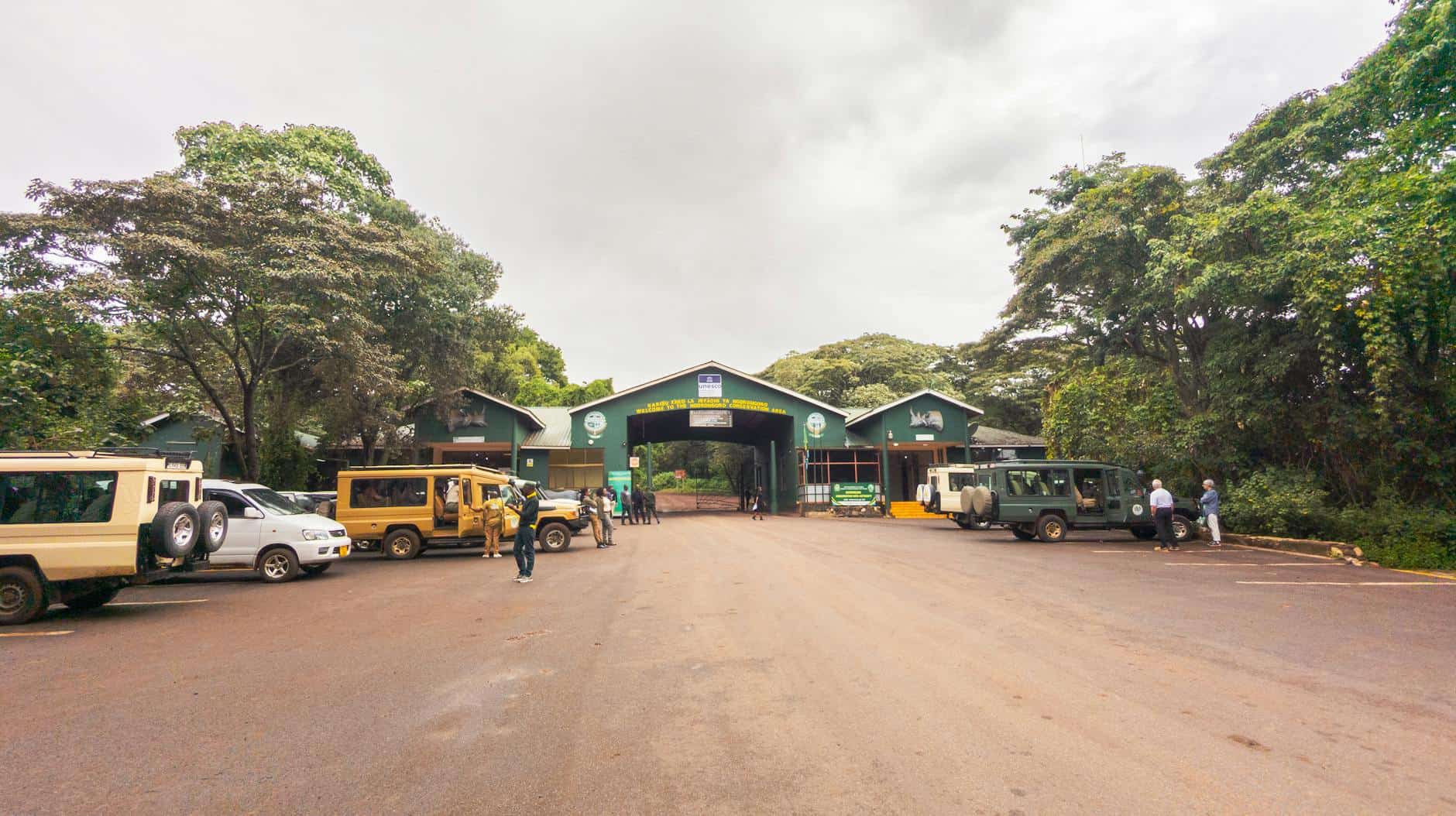
An increasing number of parks now require advance reservations for vehicle entry, particularly during peak season. Here’s how to navigate it:
- Reservations are made through Recreation.gov — create an account before you need it
- Most timed entry reservations open 2 weeks in advance to the day, at a specific time (often midnight local time); being ready at that exact moment matters for the most popular slots
- Some parks (like Arches) have day-of reservation lottery systems for same-day entry
- Staying inside the park or at adjacent lodges often exempts you from timed entry requirements
- Entering very early (before 6 AM) or late (after 5 PM) is sometimes exempt from reservations — check the specific park’s policies
The Best Strategy for Peak Season Park Visits
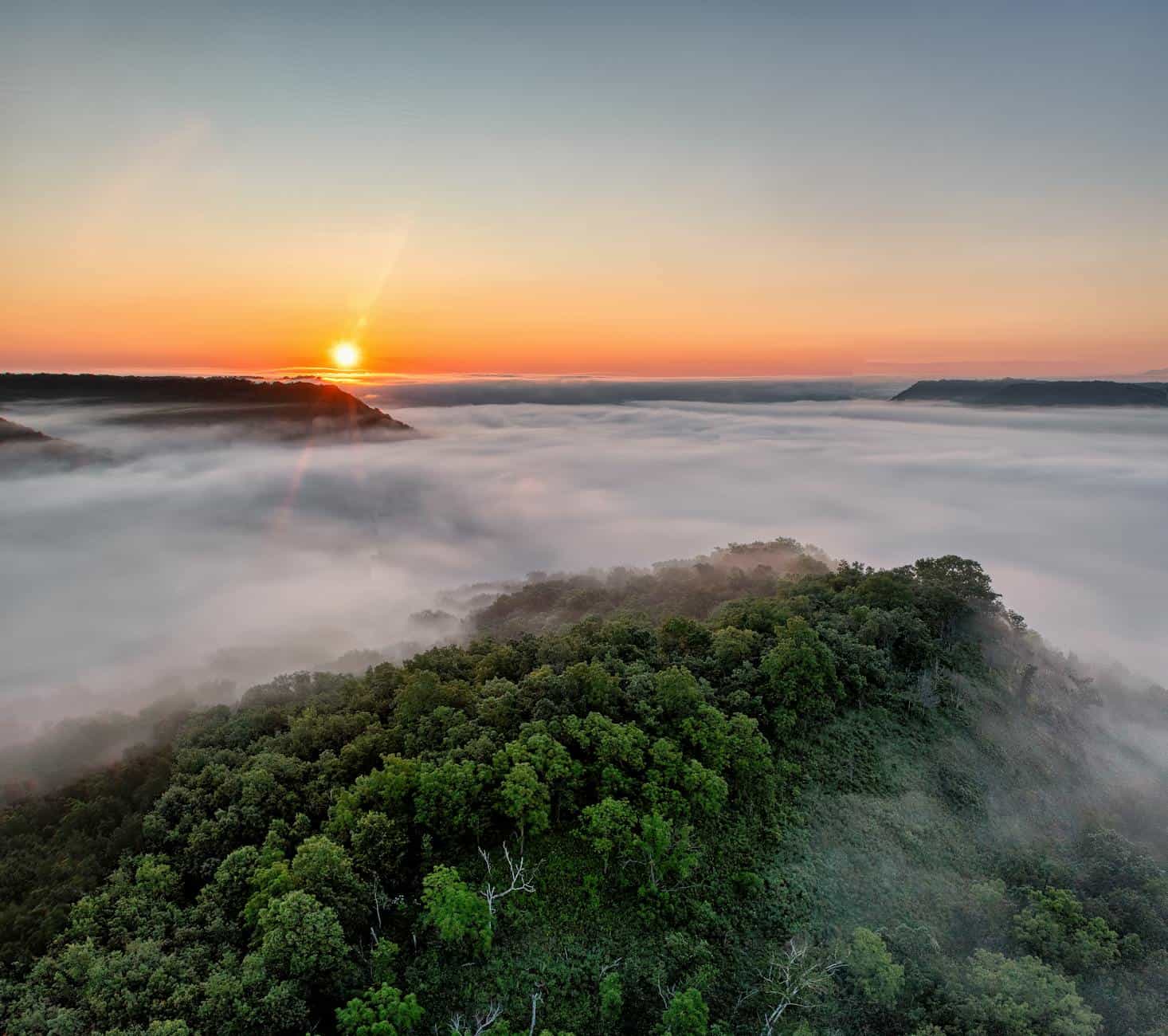
- Go early. Every park ranger and experienced visitor says the same thing: be at the trailhead at sunrise. Crowds build from mid-morning; the first two hours of daylight are reliably the best.
- Weekdays vs. weekends. Crowds at most parks drop 30–40% on Monday through Thursday compared to Friday through Sunday. If your schedule allows any flexibility, mid-week is transformative.
- Book lodging inside the park. Xanterra (the NPS concessionaire) runs in-park lodging at most major parks. It books out fast — sometimes a year in advance — but it removes the parking and reservation problems entirely.
- Have a backup plan. If you arrive at a park and the lot is full and the reservation is required, know in advance what nearby state parks or national forests offer an alternative. They’re almost always excellent and almost always emptier.
The national parks are a national treasure. They’re also, in some cases, a victim of their own excellence. Know which ones deserve the wait — and which ones are asking you to pay a crowd tax for an experience that’s available for free, two hours away.