What Happens to Your Brain When You Haven’t Traveled in Years and Finally Do
We may earn money or products from the companies mentioned in this post. This means if you click on the link and purchase the item, I will receive a small commission at no extra cost to you ... you're just helping re-supply our family's travel fund.
There is a specific kind of overwhelm that hits people who re-enter travel after a long absence. It is not the same as regular travel stress. It’s stranger than that — a mixture of giddiness, disorientation, and an almost physical sensation of expansion, as if some part of your internal architecture has been in a holding pattern and has suddenly been told it can land. Neuroscience has a lot to say about what’s actually happening inside the brain during that process, and none of it is what most people expect.
Your Brain on Routine (And Why It Shrinks)

The human brain is a prediction machine. Its primary function is to build accurate models of the environment in order to reduce the energy cost of navigating it. When you live a highly routine life — same commute, same grocery store, same social circle, same sensory inputs — the brain becomes extraordinarily efficient. Neural pathways deepen and automate. You can drive to work without consciously deciding to do so. You can have the same conversation at the same coffee shop and retain almost nothing of it.
This efficiency is neurologically useful and experientially numbing. The brain’s reward circuitry is calibrated for prediction error — the gap between what you expect and what you actually encounter. In a deeply routine life, that gap narrows to almost nothing. Dopamine release is blunted. Time perception compresses. Years can pass and feel like months, because the brain had very little new data to encode into memory. There was nothing to distinguish Tuesday from Thursday, let alone last March from the March before.
The Re-Entry Effect: Why the First Trip Back Hits So Hard
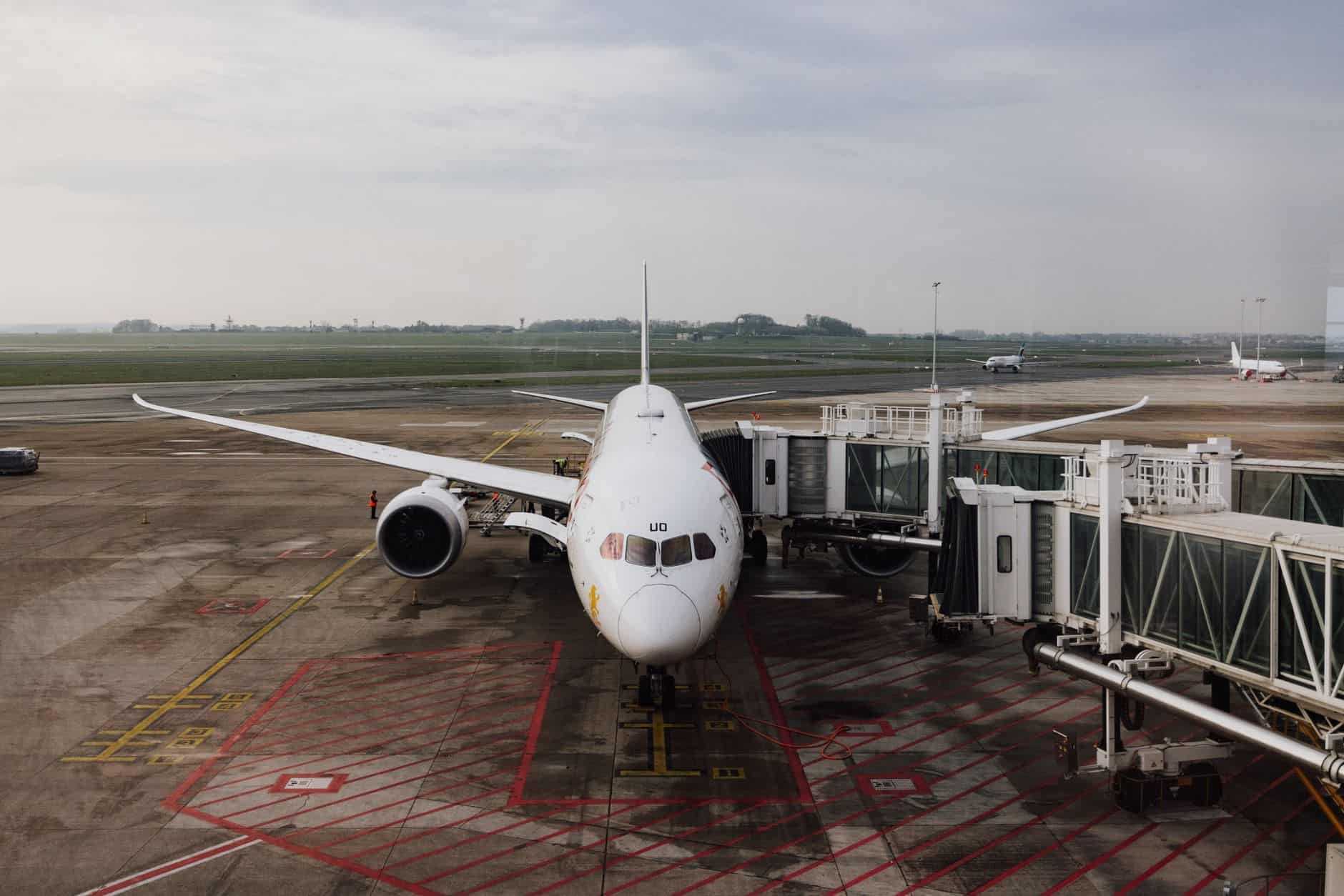
When someone who has been in a deeply routine rut takes their first significant trip in years, the prediction error floods back. Every airport sensory input — the ambient noise, the smell, the visual chaos of a crowd of strangers in transit — registers as genuinely novel. The brain spins up systems it hasn’t needed in a long time. The hippocampus, responsible for spatial navigation and episodic memory formation, becomes newly active. The amygdala fires with low-level alertness that feels more like excitement than fear.
People coming back to travel after years away consistently describe the same strange phenomenon: everything feels more vivid. Colors seem brighter. Conversations with strangers feel more meaningful. Food tastes different. These are not metaphors. They are reports of genuine neurological changes — specifically the reactivation of systems that the brain had placed in low-energy mode because routine life had no use for them.
The Time Dilation of Travel
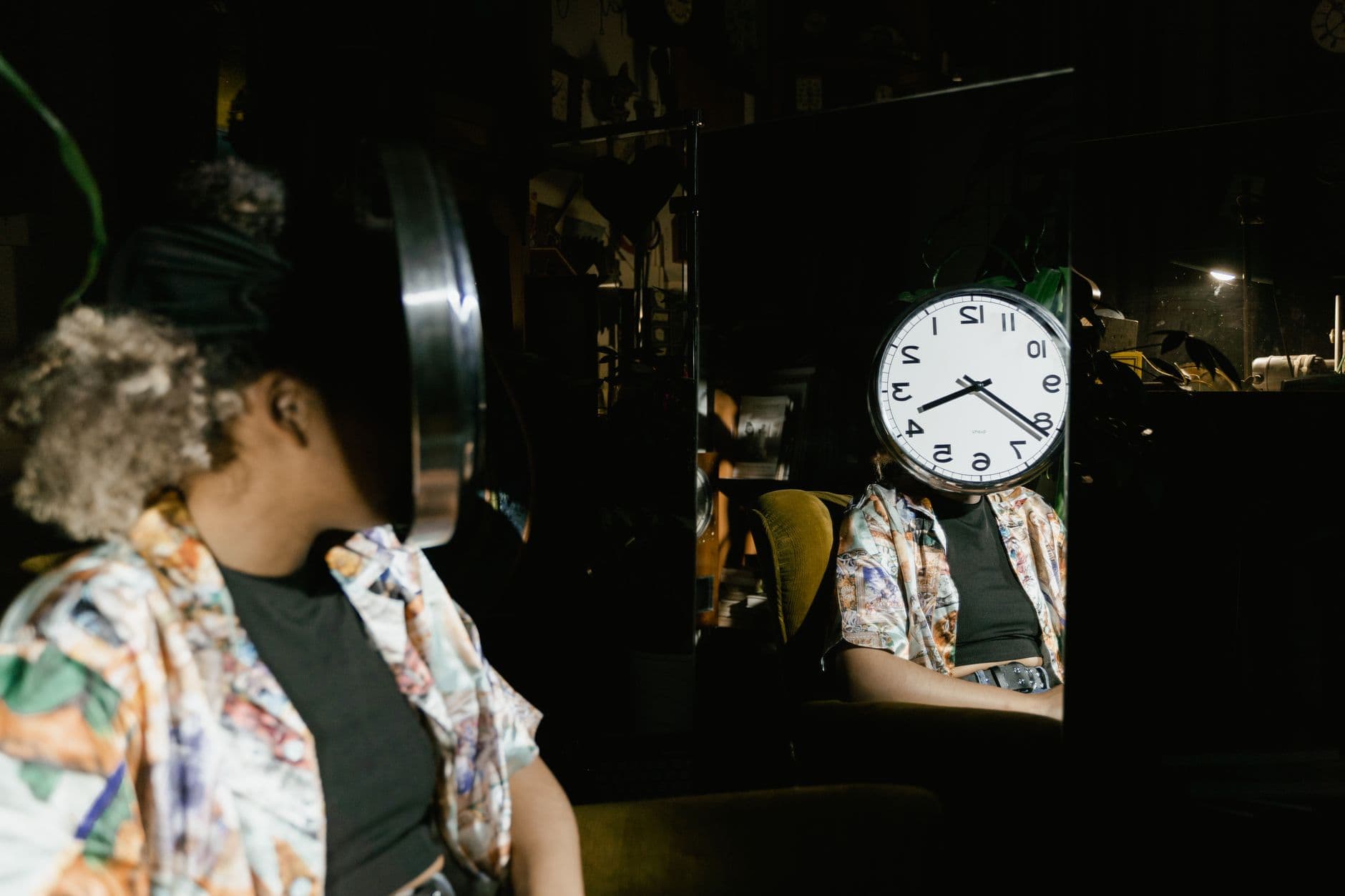
One of the most consistent reports from travelers returning from extended trips — or from people re-entering travel after long breaks — is that time felt longer. A two-week trip felt like a month. This is not an illusion. It is a measurable effect of memory encoding density.
We experience time retrospectively through the richness of our memories. A week in which you navigated a foreign city, had a conversation in broken Italian with a stranger, ate something you’d never tasted, and got comprehensively lost creates dense, distinct episodic memories. Looking back, your brain has a lot of material to account for, and it reads that material as time. A week at the office in which nothing distinguishable happened creates almost no episodic memory at all. Looking back, it’s gone. It registers as a blink.
Why People Cry at Strange Moments When Traveling Again

Many people who take their first significant trip after years of being stuck — whether stuck by pandemic, financial hardship, caregiving responsibility, or simple inertia — report unexpected emotional outbursts. Crying at a sunset over water. Feeling a sudden wave of grief in a cathedral. Laughing uncontrollably at something that isn’t that funny in an airport food court.
These responses are the emotional backlog being processed. When the nervous system is in survival or maintenance mode — the mode most people’s daily lives demand — emotions are metabolized quickly and efficiently, without full processing. Travel, particularly novel travel after a long absence, creates the neurological conditions for deeper processing. The brain, finally meeting genuine novelty and reduced threat, allows the emotional queue to clear. What comes out is often surprising in its intensity.
The Lasting Changes Travel Produces in Brain Structure
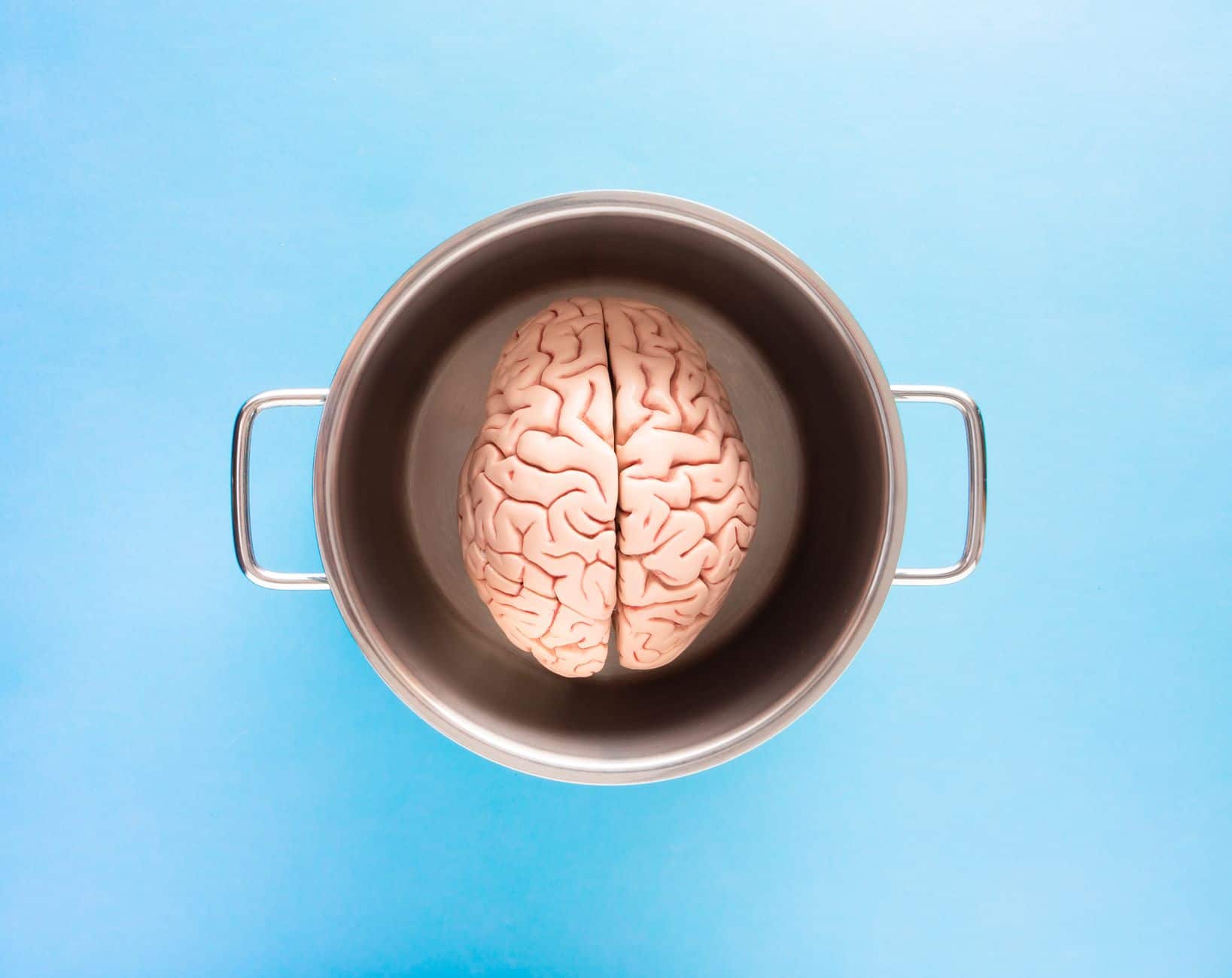
Research in neuroplasticity confirms what experienced travelers have long reported intuitively: travel changes the brain in lasting ways. Exposure to different languages, even passive exposure, activates executive function networks. Navigating unfamiliar environments builds hippocampal reserve — a factor associated with cognitive resilience in aging. Cultural exposure, particularly the friction of operating in a context where your assumptions are regularly wrong, develops cognitive flexibility in measurable ways.
These are not the effects of one trip. They accrue over time, with regular exposure. But even a single significant trip after a long absence begins the process. The brain that comes back from two weeks of genuine novelty is structurally different — at the level of synaptic connections and hippocampal volume — from the brain that left. This is not poetry. It shows up on imaging scans. The case for travel was never just about pleasure. It was always, at least partly, about keeping the brain alive to the world.
- Increased hippocampal gray matter density following sustained novel navigation tasks
- Enhanced executive function scores after sustained multilingual environment exposure
- Reduced amygdala reactivity to perceived social threat following cross-cultural immersion
- Improved divergent thinking scores in subjects who had recently traveled internationally
Why Familiar Places Feel Smaller After Real Novelty
One underreported side effect of returning to travel after a long absence is how it reframes the familiar. The commute that felt oppressive before a trip often feels manageable in the weeks after it — not because anything has changed, but because the brain now has a reference point that recalibrates what ordinary looks like. Conversely, some people return from significant trips and find the ordinariness of home suddenly claustrophobic in a new way, as if the trip revealed a constraint that was previously invisible by being the only reality they knew. This is not a reason to avoid travel. It is a reason to treat what the trip surfaces as information rather than inconvenience — data about the gap between the life you have and the life your nervous system was designed to want.
None of this means you need to spend money you don’t have or travel to places you’re not drawn to. It means that the part of you that feels dulled by the sameness of daily life is not imagining the dullness. And the first trip back — however modest, however close to home — is the beginning of something the brain has been waiting to do for a long time.