The Town That Decided to Be a Tourist Destination and Lost Everything It Was
We may earn money or products from the companies mentioned in this post. This means if you click on the link and purchase the item, I will receive a small commission at no extra cost to you ... you're just helping re-supply our family's travel fund.
There is a type of town that travel writers, Instagram accounts, and small-business advocates love to celebrate: the once-overlooked place that “discovered” tourism and turned itself around. Former mill towns with artisanal bakeries on the main street. Faded mountain villages with boutique hotels in renovated century-old buildings. Rust Belt cities with a new mural district and weekend festivals. The story is always told as a comeback. What the story rarely follows up on is what happens ten years in — when the locals who built those bakeries have been priced out of their own apartments, and the soul the tourists came to find has moved somewhere else.
The Pattern That Plays Out in Every Reinvented Town
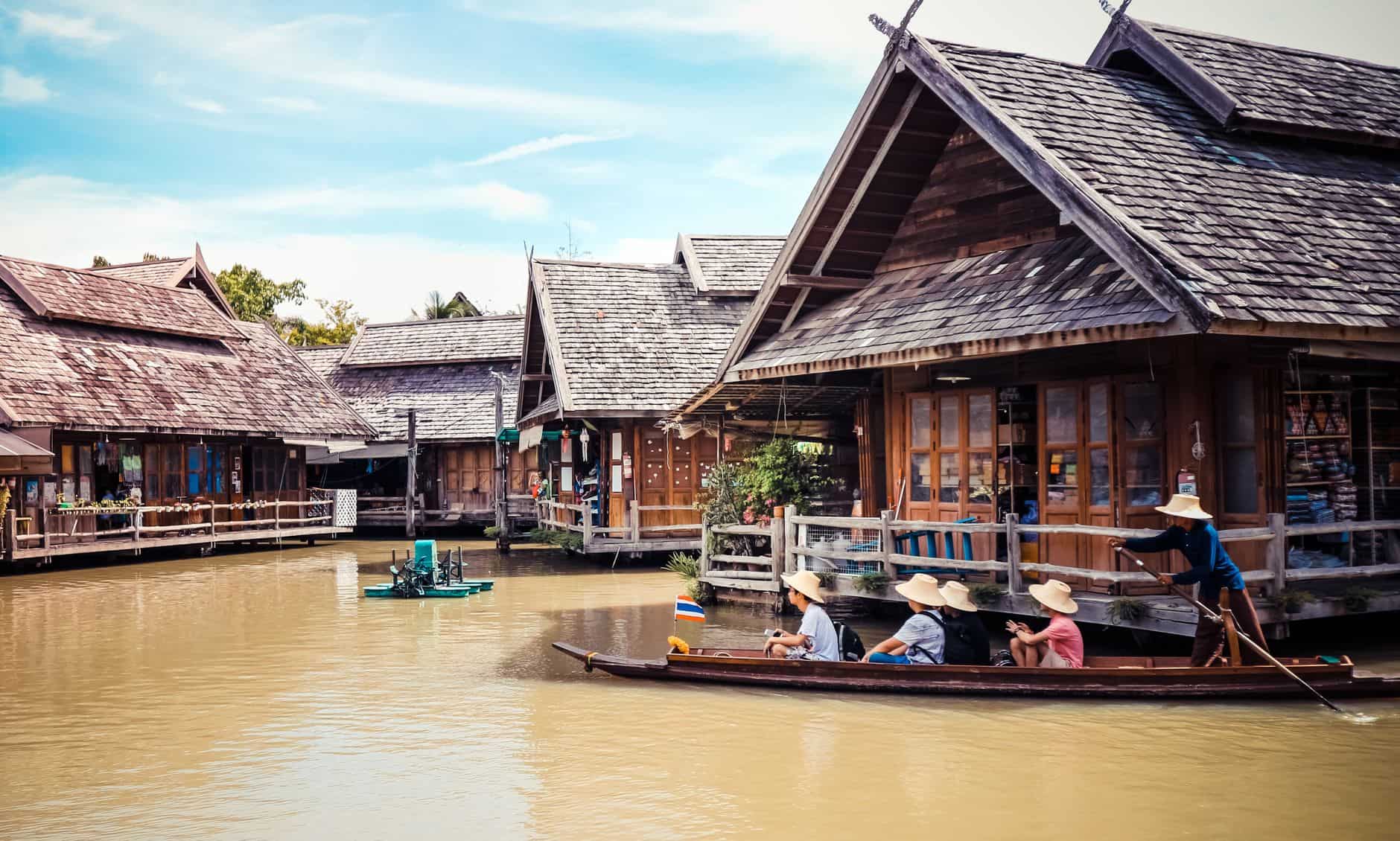
Tourism economists have a name for the cycle: the Tourism Area Life Cycle, a model developed by geographer Richard Butler in 1980 that has proven depressingly accurate across decades and continents. It goes: exploration, involvement, development, consolidation, stagnation — and then either rejuvenation or decline. What the model captures, and what boosterish local news articles miss, is that each stage of growth extracts something from the stage before it. The “involvement” phase — when locals start building businesses to serve the trickle of visitors — requires authenticity to function. The “development” phase — when outside capital arrives — begins destroying the thing the tourists came for.
The mechanism is straightforward. Tourists are drawn to a place because it feels real — because the coffee shop is run by someone who actually lives there, because the restaurant serves food the owner grew up eating, because the architecture hasn’t been sandblasted and franchised. That authenticity exists because the town was, until recently, too poor or too overlooked to gentrify. Tourism changes the economics. Property values rise. Long-term residential leases become short-term vacation rentals. The coffee shop owner can no longer afford the space her parents paid nothing for. She leaves. A chain moves in. The thing that made the town interesting is gone, and the tourists are still coming — but now they’re coming for a facsimile of what they would have found five years earlier.
The Residents Who Stay — and What They Become
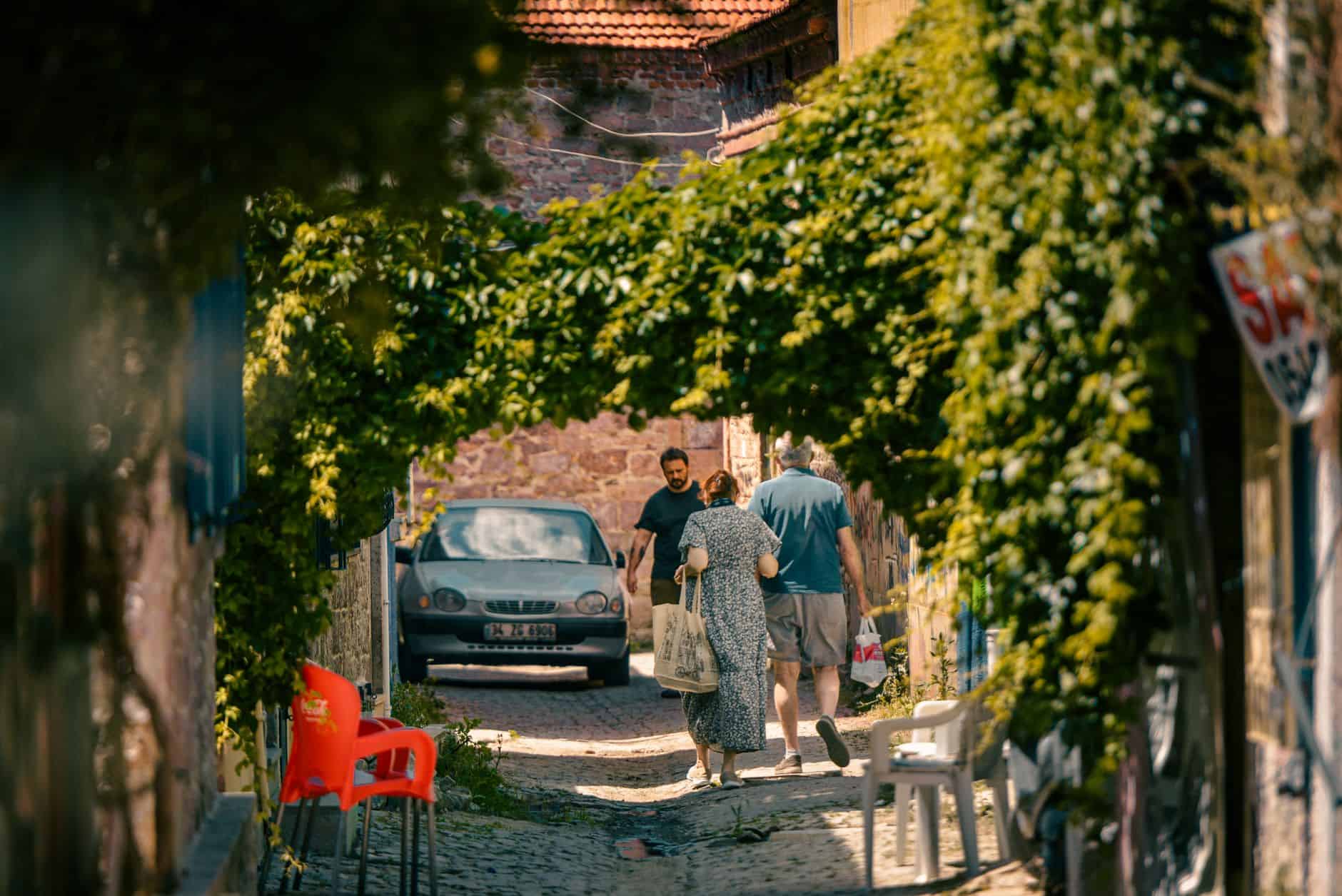
The residents who cannot or choose not to leave a heavily touristed town undergo a particular psychological transformation. Researchers who study tourism-dependent communities describe it as a form of identity erosion. Your town becomes a product for other people’s consumption. The places that shaped you — the diner you went to after high school football games, the hardware store run by the same family for sixty years — become either displaced or themselves rebranded for tourist appeal. You become a backdrop in someone else’s story about discovery.
This produces a specific variety of resentment that tourists often misread as unfriendliness. It is not hostility toward strangers as people. It is grief about what the strangers’ presence has cost. Long-time residents in heavily visited small towns consistently report the same sequence: initial pride that outsiders want to come, confusion at the pace of change, financial displacement or proximity to it, and finally a quiet estrangement from their own address. The town still bears their hometown’s name. It no longer belongs to them.
The Second-Generation Problem
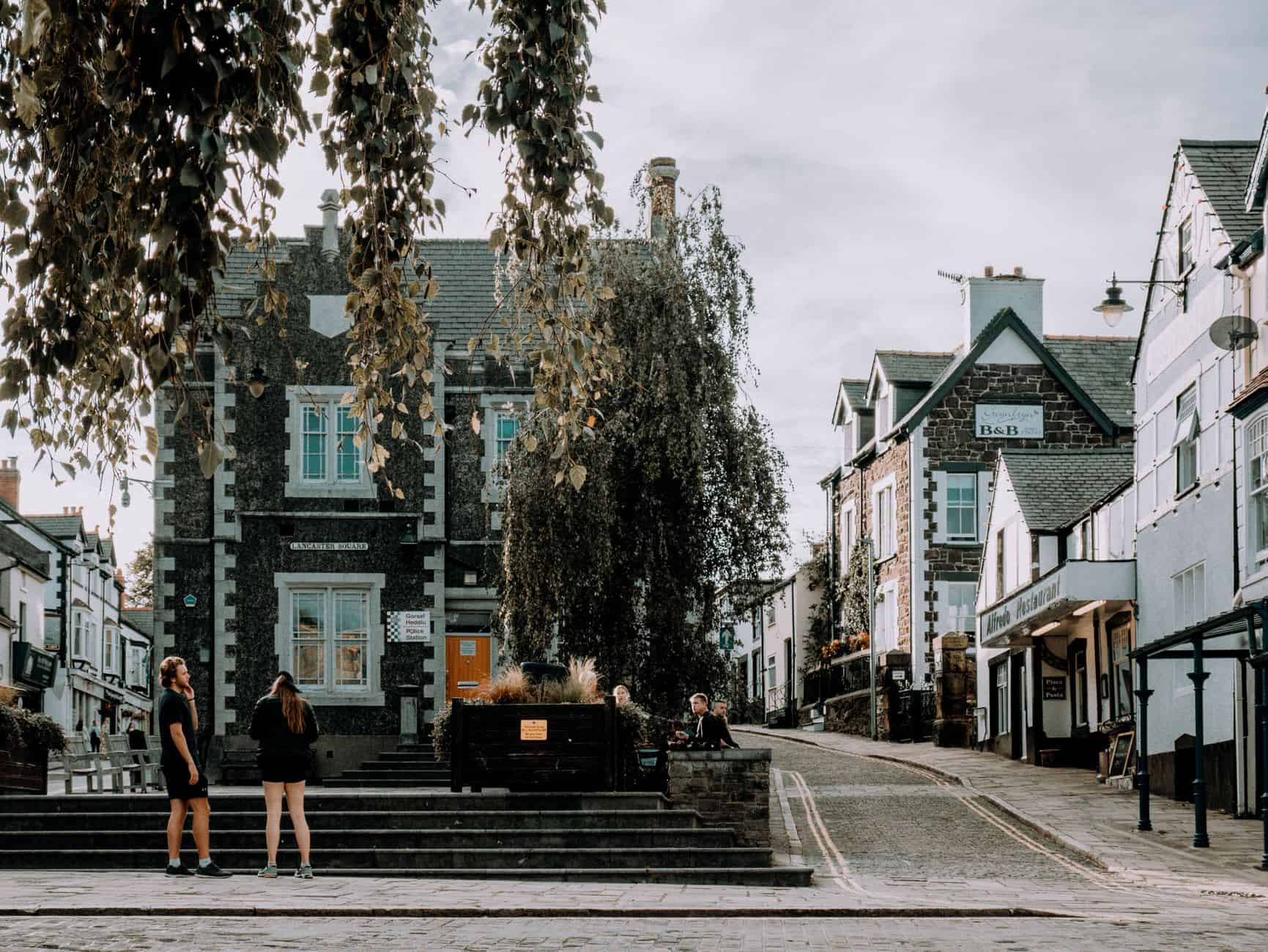
The longer-term damage manifests in the generation that grew up in the town’s tourism boom. Young people raised in heavily visited places face a specific economic trap: they grew up watching tourism create apparent prosperity, but the prosperity didn’t accumulate in forms that benefit them. The wealth generated by vacation rentals, restaurant tourism, and boutique retail flows primarily to property owners — and to the outside investors who arrived when values started rising. The children of service workers and small business owners often cannot afford to buy in the town they grew up in.
- In Jackson, Wyoming — one of the most tourism-dependent towns in the United States — the median home price exceeds $1.5 million, while median household income for service workers hovers below $50,000.
- In Sedona, Arizona, hospitality workers commute up to 90 minutes each way from Verde Valley towns because Sedona proper has become unaffordable for the people who staff its resorts.
- In Fredericksburg, Texas — a Hill Country town that became a wine-and-weekend destination — longtime German-heritage families who owned property for generations have largely sold out as surrounding land values made property taxes untenable.
What Thoughtful Visitors Actually Owe These Places
The Nostalgia Economy That Replaces What’s Lost
Once a town’s original character has been displaced, a remarkable thing happens: the tourism economy begins selling a curated version of that character back to visitors. The diner that replaced the original diner has vintage signs on the wall. The boutique hotel that occupies the former hardware store uses the original store’s logo as its branding. The weekend market sells “artisanal” products that gesture toward the agricultural history the development boom erased. This is the nostalgia economy at work — a system that commodifies the memory of authenticity in the places that have lost it. Visitors who never knew the original town find it perfectly charming. Long-term residents who knew it as a living place experience a particular kind of grief that is difficult to explain to someone for whom the curated version is all there is.
None of this means stop visiting small towns. It means visit differently. The tourist who books an Airbnb in a converted Victorian home that used to house three local families, eats at a chain restaurant, and posts seven Instagram stories about how “authentic” everything is — that tourist is part of the mechanism that hollows these places out. The tourist who rents from a locally-owned property, eats at the diner that’s been there since before the town got discovered, and buys things from the person who made them — that tourist is slowing the cycle, even if they can’t stop it.
There is also something to be said for the places tourists haven’t found yet — for resisting the urge to share exact locations online, for exercising the discretion that the social-media economy makes extremely difficult. The discovery of a place is always also the beginning of its transformation. The best thing you can do for the next undiscovered town is to love it gradually and teach yourself to leave it how you found it.