Your Carry-On Luggage Has Become a Psychological Trap
We may earn money or products from the companies mentioned in this post. This means if you click on the link and purchase the item, I will receive a small commission at no extra cost to you ... you're just helping re-supply our family's travel fund.
The modern carry-on bag is supposed to represent freedom. Skip the checked bag fee. Breeze through baggage claim. Own your departure timeline. It is sold — aggressively, by luggage brands, by travel influencers, by the entire infrastructure of carry-on optimization culture — as the rational traveler’s obvious choice. What this sales pitch carefully avoids discussing is what the carry-on has gradually done to the way people travel, to the quality of their trips, and to the hidden economics of what they think they’re saving.
The Bag Fee Math That Doesn’t Work Out
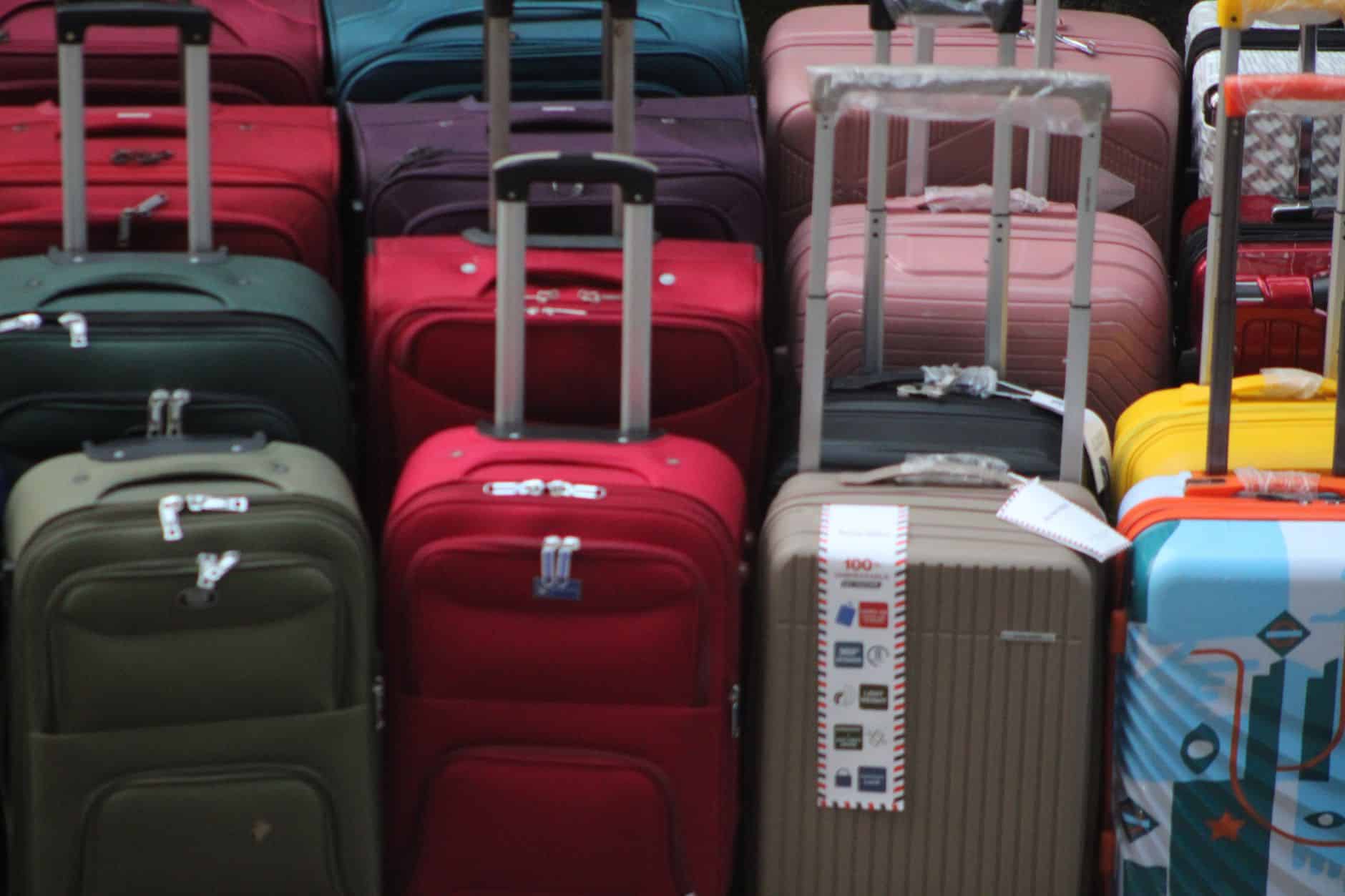
The checked bag fee — typically $30–$45 each way on major U.S. carriers — is the primary driver of carry-on culture. Avoiding it feels like a win. But the actual math of the carry-on economy is rarely examined in full. Consider what carry-on dependency actually costs:
- The bag itself. A quality carry-on — the kind that fits major airline overhead restrictions — runs $150–$700 for brands like Away, Rimowa, or Briggs & Riley. Budget travelers end up buying cheaper bags that break, replacing them every two to three years.
- Toiletry restrictions. The 3-1-1 rule forces carry-on travelers into the economy of travel-size products — which cost between 40% and 300% more per unit than their full-size equivalents. A week of travel-size shampoo, conditioner, and moisturizer costs more than the full-size versions you left at home.
- Airport purchases to replace what you couldn’t pack. The things that don’t survive the carry-on edit — full-size sunscreen, a proper hair tool, the shoes that didn’t fit — get bought at the destination at local retail prices, or at the airport at a 40–60% markup.
- Checked bag fees on budget carriers. Several ultra-low-cost carriers now charge for carry-on bags too — sometimes more than checked bags. Travelers who built their entire packing system around carry-on travel didn’t account for this.
When you add up the toiletry premium, the mid-trip purchases to replace excluded items, and the amortized cost of the bag over its useful life, the “savings” of carry-on travel are often negative on a per-trip basis. The feeling of winning against the airline fee is real. The financial win is frequently not.
The Physical Cost Nobody Talks About
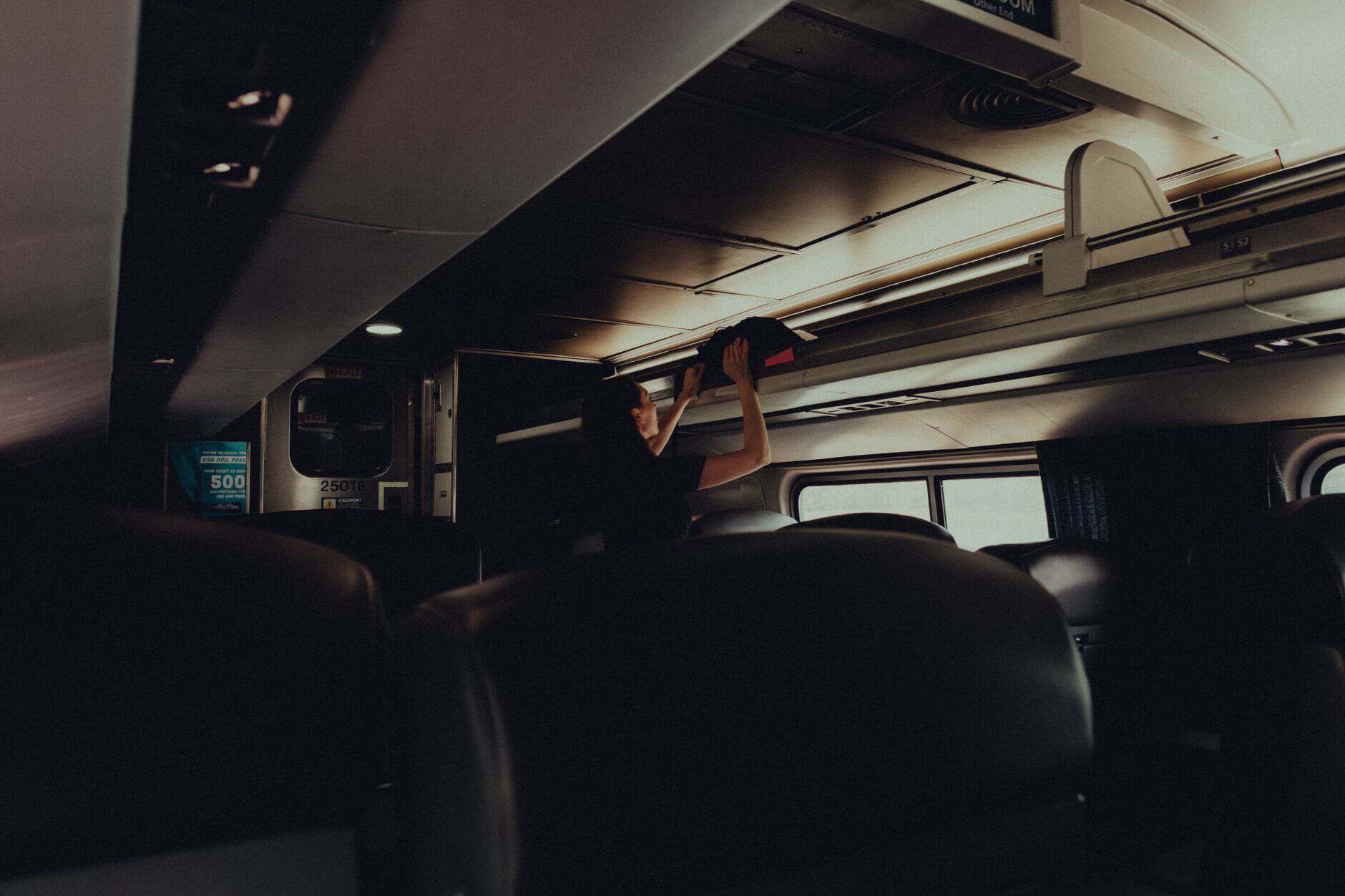
The average carry-on bag, when packed to its airline-compliant maximum, weighs between 15 and 25 pounds. This bag is then hauled through airports, lifted into overhead bins at awkward angles, dragged over cobblestones, and maneuvered through metro turnstiles not designed for 22-inch wheeled luggage. The physical strain of this is significant and systematically underestimated, particularly for travelers over 40 and anyone with any kind of back or shoulder history.
Emergency department data from major airports consistently shows overhead bin injuries as a significant cause of in-flight medical incidents — rotator cuff strains, shoulder impingements, and back spasms from the combination of a heavy bag, a narrow aisle, and the overhead lifting posture. These injuries happen more in business and premium economy where bins are filled earlier and more densely, but they occur throughout the cabin. The airline check-in counter is, in a literal medical sense, a safer option for people who haven’t thought about the physics.
What You Pack Changes How You Travel
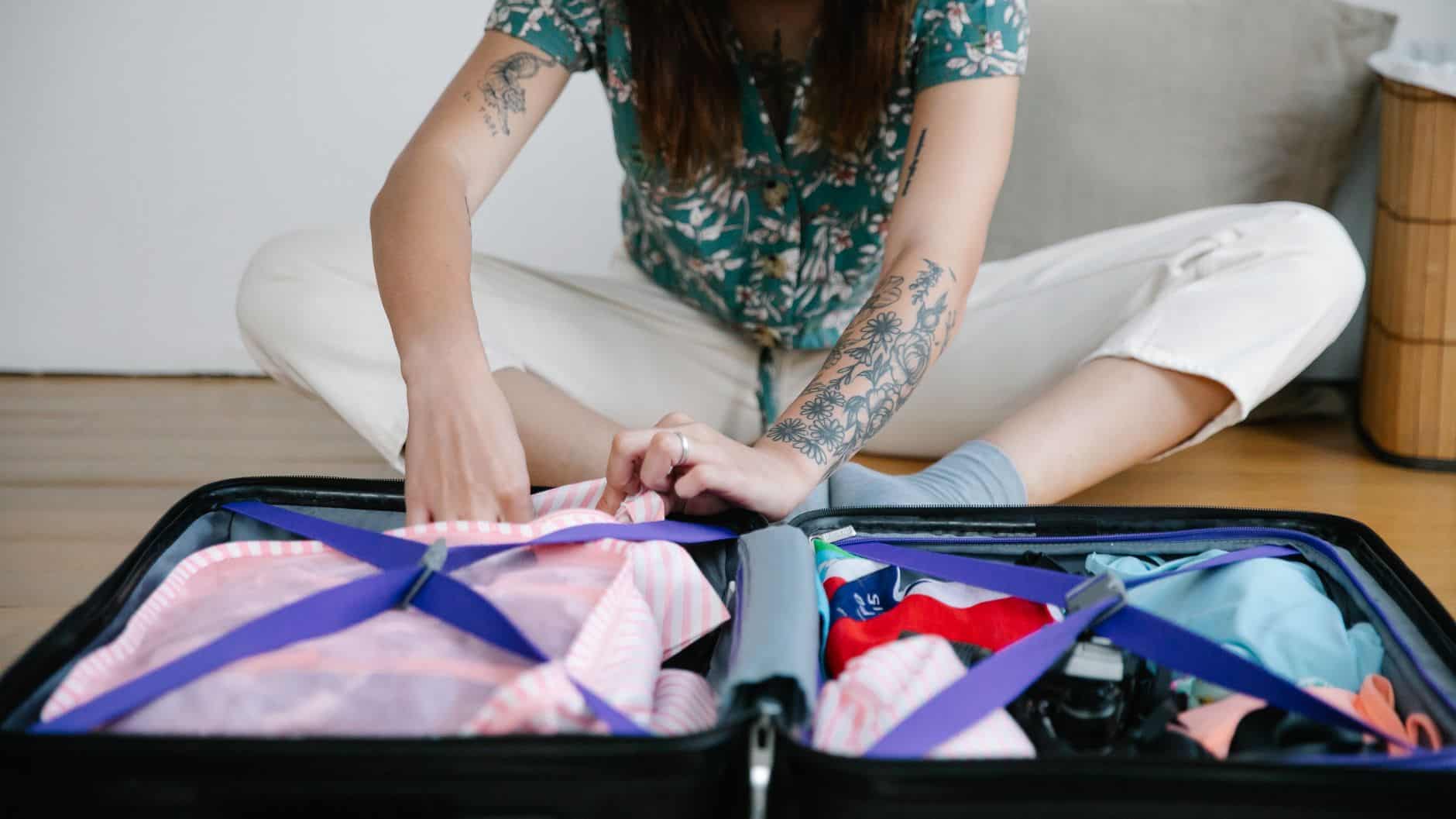
Here is the deeper problem with the carry-on psychological trap: packing decisions made before a trip shape the experience of the trip in ways that are almost never consciously acknowledged. Travelers who jam a carry-on to maximum capacity to avoid a bag fee arrive at their destinations already in a state of low-grade anxiety. The bag is heavy. The packing is a puzzle that has to be solved in reverse at the end of each night. Buying something at the destination — a souvenir, a piece of clothing you saw in a market — produces a logistical crisis instead of a pleasure.
Meanwhile, the traveler who checks a bag and pays the fee moves through the airport with a personal item bag, rides the metro without negotiating turnstile geometry, and has room in their suitcase to bring things home. The experiential quality of the trip — the ease, the openness to spontaneous acquisition, the lack of nightly Tetris — is measurably better. This is not a luxury argument. It is a calculation about what the fee is actually buying.
The Environmental Argument That Doesn’t Quite Hold Up
The travel-light movement has an environmental argument built in: fewer checked bags mean lighter aircraft, lower fuel consumption, and a smaller carbon footprint per traveler. This framing has been used in airline marketing. The reality is considerably more complicated. The proliferation of carry-on culture has led to dramatically longer boarding times — a widely documented operational problem that increases gate idle time, increases fuel burn at standstill, and has directly contributed to the deterioration of on-time departure performance industry-wide. The delay ripple effects through networks, creating knock-on cancellations and rebookings that generate far more fuel waste than a few hundred pounds of checked bags ever would. The environmental math of carry-on culture, like the financial math, does not work out as cleanly as the cultural narrative suggests.
The Carry-On Optimization Industrial Complex
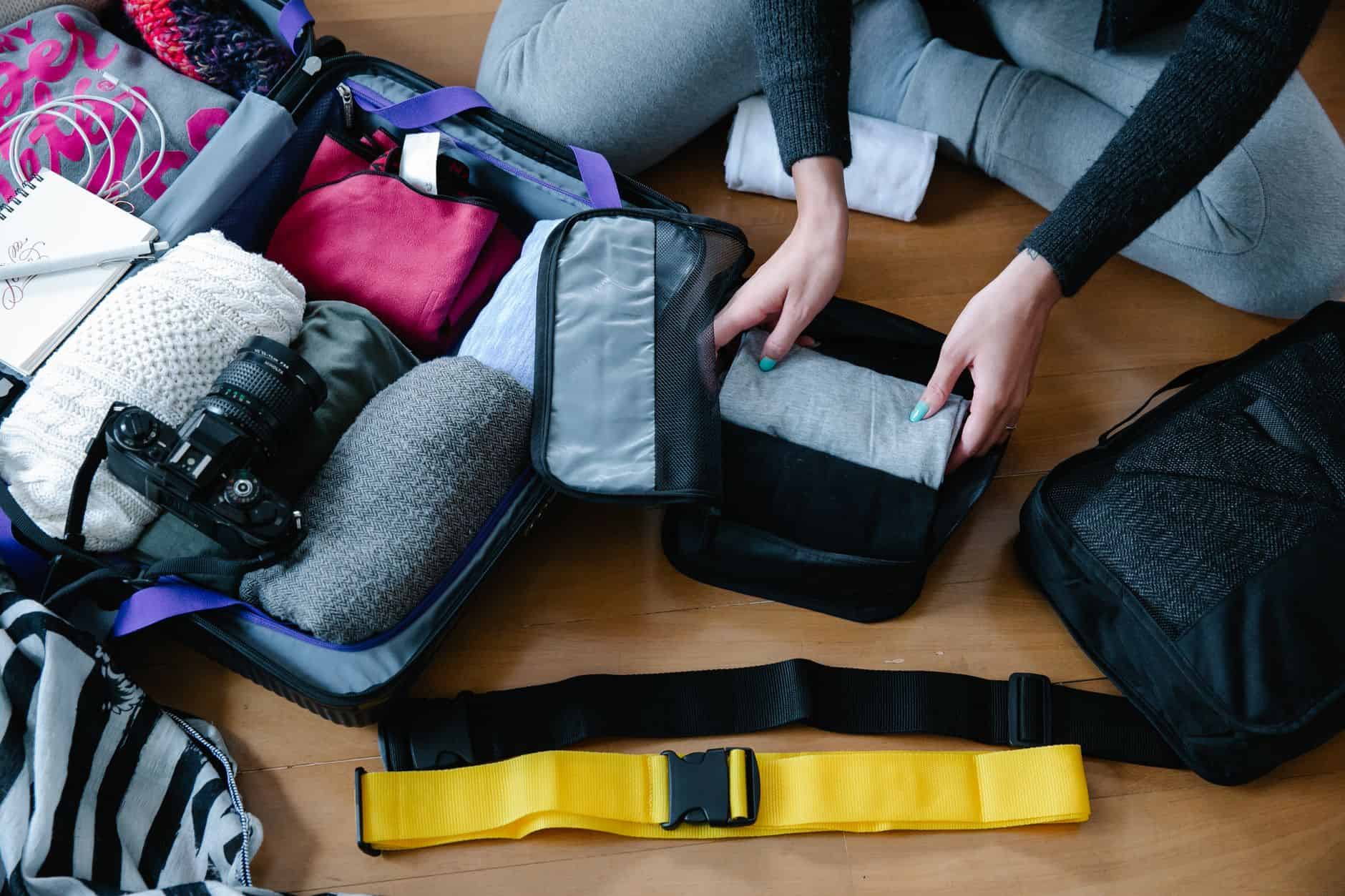
There is an entire industry built around the premise that the carry-on problem is solvable with more products. Packing cubes. Compression bags. Wrinkle-free merino wool clothing at $120 per shirt. Roll-not-fold tutorials. One-bag manifesto blogs. This ecosystem exists because it is commercially rewarding to convince people that the limitation of carry-on travel can be overcome with the right gear, rather than acknowledging that the limitation is structural.
You cannot pack a week of real clothes, real shoes, real toiletries, and real flexibility into 22 inches and 15 pounds without either compromising the trip or buying expensive gear to compress the compromise. The honest calculation — for most travelers, on most trips longer than a weekend — is that the checked bag fee is worth paying. The real product the airlines are selling when they charge that fee is not luggage transportation. It is the freedom to travel like a person who has everything they need.