How Your Checked Bag Fee Went From $0 to $35 to $75 — and Why It’s Never Going Back to Free
We may earn money or products from the companies mentioned in this post. This means if you click on the link and purchase the item, I will receive a small commission at no extra cost to you ... you're just helping re-supply our family's travel fund.
On May 21, 2008, American Airlines announced it would charge $15 for the first checked bag on domestic flights. The travel press reacted with something between shock and outrage. Other airlines announced they had no plans to follow.
Within six weeks, United charged. Then US Airways. Then Delta. By the following summer, Southwest was the last major US carrier not charging for bags, and they made it a central marketing message — “Bags Fly Free” — that they still use today.
In the 15 years since that announcement, US airlines have collected well over $100 billion in checked bag fees. The fee that was $15 in 2008 is now $35–$40 for the first bag on most carriers, and $75+ on international routes. It is the most successful unbundling in the history of commercial aviation, and it has permanently changed how Americans fly, pack, and pay.
Here’s the complete story — and the one legitimate workaround that airlines have so far chosen not to close.
May 2008: The Day American Airlines Changed Flying Forever
American Airlines didn’t invent the checked bag fee. Spirit and Frontier had charged for bags before 2008. But they were low-cost carriers — the expectation was that if you flew Spirit, you paid for everything.
American was a legacy carrier. It had clubs and hubs and admirals and first class and 50 years of “we’re a full-service airline” branding. Charging for bags was an admission that the full-service model was economically unsustainable.
The context matters: oil prices hit $135/barrel in May 2008. Airlines were hemorrhaging cash. Fuel was already 30–40% of operating costs and rising. Revenue had to come from somewhere.
The $15 first-bag fee was projected to generate about $400 million per year for American. Analysts were skeptical. They assumed passengers would revolt, switch to competitors, or stuff carry-ons so full that boarding times would increase and erode whatever savings the fee generated.
All three of those things happened, to varying degrees. But the revenue was real. And that reality changed everything.
Why Every Airline Followed Within 18 Months
The economics forced the issue. Once American started collecting bag revenue, it had a cost advantage over carriers that didn’t. It could price tickets slightly lower while maintaining equivalent margin. Or maintain tickets at the same level and capture pure profit from the fee.
United did the math in 2008 and came to the obvious conclusion. So did US Airways, Continental, and Northwest. Southwest had already made the strategic decision to use free bags as a differentiator, so they stood pat — and built a marketing campaign around it that has driven customer acquisition for fifteen years.
Delta was the interesting case. They resisted briefly, then capitulated in September 2008. Their announcement came with a promise that the fee would help “stabilize” operations. Whether anyone believed that is a separate question.
By 2010, the domestic airline industry had reached a new equilibrium: legacy carriers charged for bags, Southwest didn’t, and low-cost carriers like Spirit and Frontier charged for bags plus everything else. This structure has remained essentially stable since.
The Fee Escalation Timeline: From $15 to $75 in 15 Years
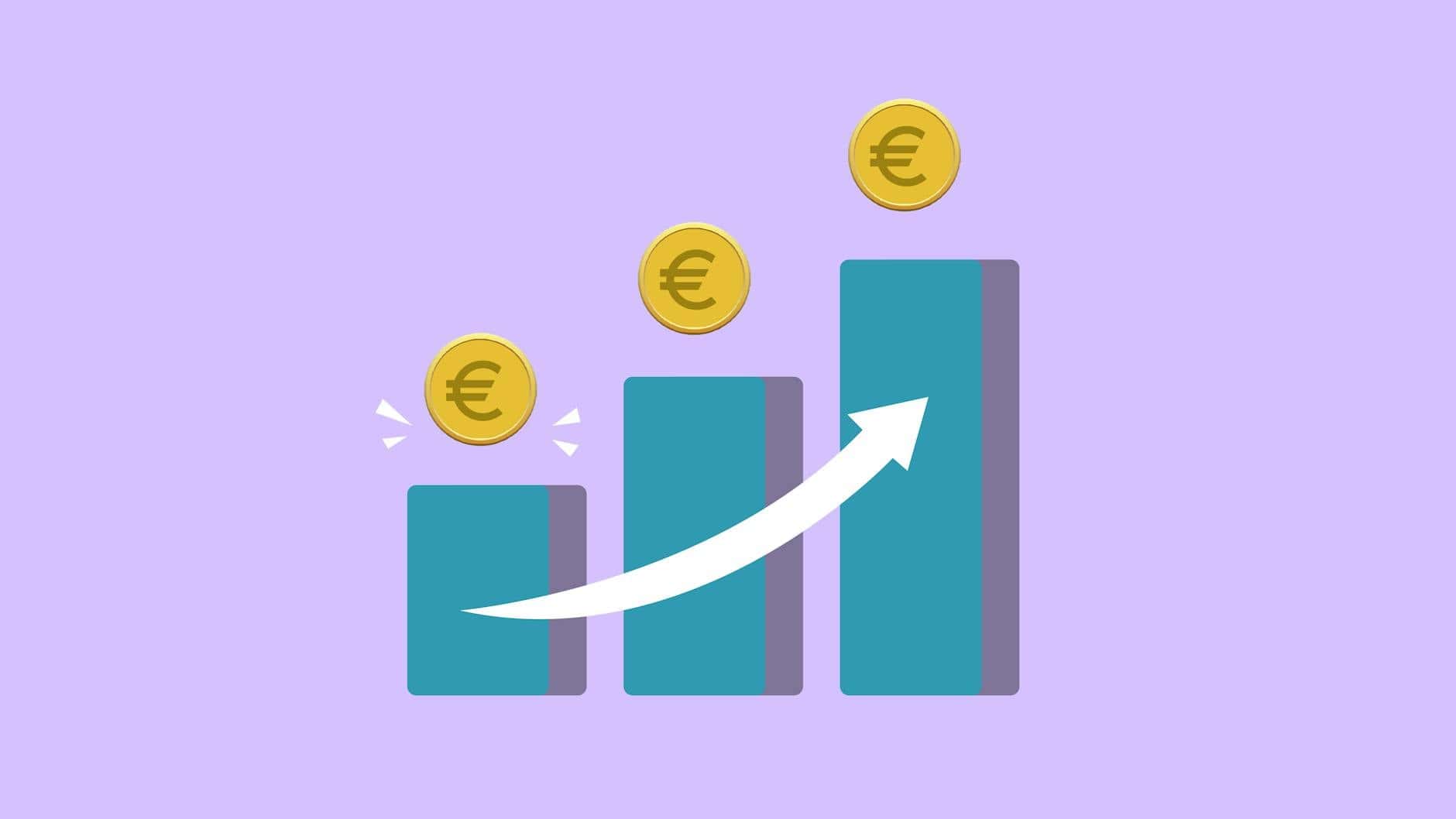
- 2008: American introduces $15 first bag fee. Industry follows at $15–$25.
- 2010–2012: First bag fees rise to $25. Second bag fees rise to $35. International first-bag fees appear.
- 2014–2017: Most major carriers settle at $25 first bag, $35 second bag domestic. International first bag fees reach $60–$75 on some carriers.
- 2018–2019: Delta, United, and American raise domestic first bag fees to $30. Second bag to $40.
- 2021–2022: Post-pandemic fee increases. Most carriers move domestic first bag to $30–$35.
- 2023–2024: American Airlines raises first bag fee to $40 on most domestic routes. United follows at $35–$40. International first bag fees at most carriers: $75+.
For a family of four on a round trip, that $40 first-bag fee translates to $320 in bag fees — nearly the cost of a budget ticket itself. Families have fundamentally changed how they travel as a result: more carry-ons, lighter packing, more careful route and carrier selection.
What $7 Billion in Annual Bag Revenue Actually Funds
US airlines collectively collect roughly $5–$7 billion per year in checked bag fees (the number has varied with travel volume). For reference, the total net profit of the US airline industry in good years is $10–$15 billion. Bag fees are not a trivial line item — they’re a meaningful component of profitability.
What does this money fund? Airlines will tell you it funds operations, infrastructure, and aircraft upgrades. That’s technically true and also somewhat misleading — money is fungible. What bag fees actually did was replace revenue that airlines could no longer extract from ticket pricing in the face of intense price competition.
In the 1990s and early 2000s, airlines competed aggressively on price and lost billions doing it. The unbundling strategy — separating the base fare from services that used to be included — allowed airlines to advertise very low base fares (which get displayed in search results and drive bookings) while capturing revenue on the back end through fees.
The result is an industry that is more consistently profitable than it was in the legacy-carrier era, but where consumers pay more in total than the displayed ticket price suggests.
Why Bag Fees Are Structurally Permanent Now
The question “why don’t airlines just go back to free bags?” has a clear answer: Southwest’s example is instructive. They kept bags free as a differentiator, and it works — it’s a genuine competitive advantage they’ve exploited for fifteen years.
But Southwest is also the only major carrier positioned to offer free bags sustainably. The legacy carriers (Delta, United, American) are structured around hub-and-spoke networks with higher cost structures than Southwest’s point-to-point model. They need the bag revenue.
More importantly: bag fees are now baked into analyst models, investor expectations, and fare-setting software. Airlines that have tried experiments with included bags (Delta briefly, various international carriers) have generally found that the revenue loss exceeds the customer acquisition benefit.
The fee is also regressive in an interesting way: it’s paid disproportionately by infrequent leisure travelers and families, who check bags more often, while business travelers (who are more valuable to airlines) are largely insulated through status benefits and corporate travel accounts. Eliminating the fee would cost airlines revenue from their less-valuable customers without improving their service to their most-valuable customers. There’s no business case.
The One Credit Card Trick That Still Works
This is the part worth your attention:
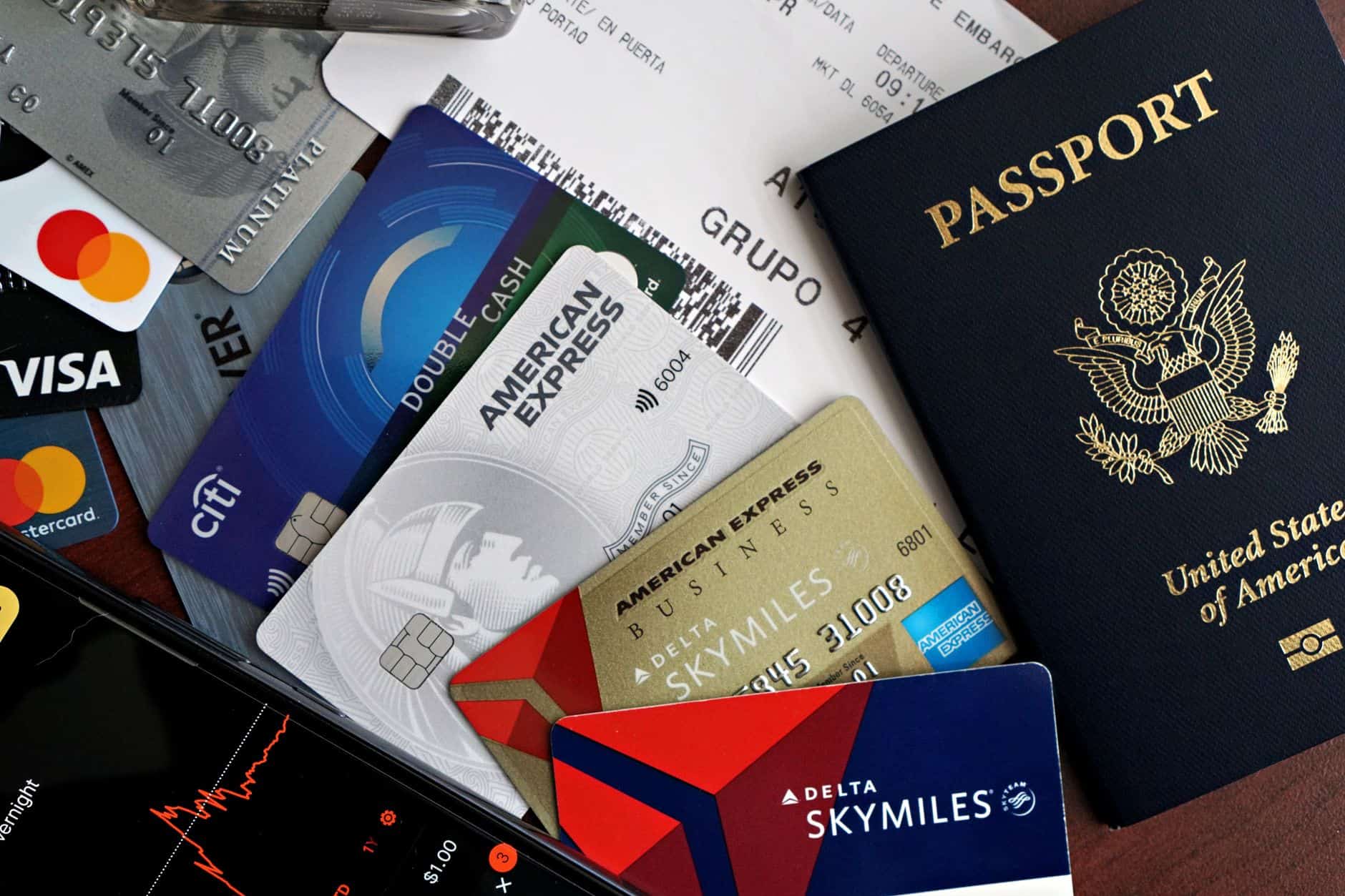
Every major US airline co-branded credit card includes free checked bags as a cardholder benefit. Specifically:
- Delta SkyMiles credit cards (Amex): Delta Gold, Platinum, and Reserve Amex cards all include first bag free for the cardholder and up to 8 companions on the same reservation. The Delta Gold card has a $150 annual fee (often waived first year). At $40/bag round trip, a single round-trip with one checked bag pays for the card annual fee.
- United Explorer / United Club cards (Chase): United Explorer card ($95 annual fee, often waived) provides first bag free for cardholder and one companion on the same reservation. United Club Card ($525/year) adds lounge access.
- American Airlines AAdvantage cards (Citi/Barclays): AAdvantage Platinum Select card ($99/year, often waived) provides first bag free for cardholder and up to 4 companions on the same reservation.
- Alaska Airlines Visa (Bank of America): $95/year, first bag free for cardholder and up to 6 companions.
The math is straightforward: a family of four checking bags on a round trip would pay $320 in bag fees without a co-branded card. The co-branded card costs $95–$150/year. If you fly that airline more than once a year with checked bags, the card pays for itself.
The reason this works is that airlines want you to have their co-branded card. The card generates interchange revenue, builds loyalty, and locks you into their ecosystem. The bag fee waiver is the acquisition incentive. Airlines have explicitly chosen to keep this benefit in place because the cardholder relationship is worth more to them than the bag revenue.
Other Legitimate Ways to Avoid the Fee in 2024
- Airline elite status — even the lowest status tier (Gold, Silver, etc.) on most carriers includes free bags. Qualifying requires flying a certain number of miles or segments per year.
- Flying Southwest — straightforward, but route network limitations mean it’s not always an option
- Packing carry-on only — requires discipline and practice but is fully achievable for trips up to two weeks with the right luggage (a 20–22″ hardshell spinner or a 40L backpack fits in most overhead bins)
- Shipping luggage ahead — services like Luggage Forward and Ship Sticks can be cheaper than bag fees for bulky or heavy items, and your bag arrives before you do
- Premium cabin fares — first class and business class fares typically include checked bags. For short domestic routes, the price difference is sometimes only $50–$80 more than economy, which can make the math work if you were going to check bags anyway.
What the Future Looks Like (Spoiler: More Fees)
The unbundling trend has not stopped at bags. The current frontier:
- Seat selection fees (already standard on most carriers)
- Carry-on fees (Spirit and Frontier have charged for years; Frontier in particular has been aggressive)
- Priority boarding fees (separately purchasable at most carriers)
- In-flight Wi-Fi fees (still the norm, though free Wi-Fi has expanded on some carriers)
The DOT under the Biden administration moved to require airlines to disclose fees more prominently in search results — a regulation aimed at making the true cost of a ticket more visible at the point of purchase. This rule has been contested, and its implementation has been gradual.
The fundamental economics haven’t changed: airlines will continue extracting revenue through ancillary fees because the competitive dynamics of the base fare market make it necessary. The floor for bag fees is the current level. The trajectory is up. The carry-on fee is the one that would genuinely reshape air travel if a legacy carrier ever tried to implement it across the board — Southwest’s competitive position in that scenario would be powerful.
For now: get the airline co-branded card for the carrier you fly most. Read the bag dimensions before you travel. Know your rights when the airline loses or damages your bag (federal rules require up to $3,800 in compensation for domestic, $1,900 for international). And consider, genuinely consider, whether you actually need to check a bag — because the forcing function of the fee has trained a generation of more efficient packers, and that part isn’t entirely bad.