The ‘Cash vs. Card’ Question Every Traveler Asks — Here’s the Answer That Actually Saves You Money Abroad
We may earn money or products from the companies mentioned in this post. This means if you click on the link and purchase the item, I will receive a small commission at no extra cost to you ... you're just helping re-supply our family's travel fund.
Let me describe something that happens to tens of thousands of American travelers every year. You land at the airport in Rome or Tokyo or Mexico City. You’re tired, it’s overwhelming, and you see a currency exchange booth at the arrivals exit with a big “€ $ £” sign. You hand them $200 and walk away with less than you should have received, having paid 10-15% more than the actual exchange rate.
Or you use your regular credit card abroad and discover three months later that you’ve been paying a 3% foreign transaction fee on every single purchase — every coffee, every taxi, every museum ticket — for two weeks.
Or you use the Euronet ATM in Budapest because it’s conveniently next to your hotel and it looks official, and you pay a €5 flat fee plus a 3% currency conversion markup because you let it charge you in dollars instead of forints.
The cash vs. card question isn’t really about which is better. It’s about knowing which tool to use, when, and how — so that the banks and exchange services aren’t quietly extracting 5-15% from your travel budget on every transaction.
Why the Answer Isn’t Simple
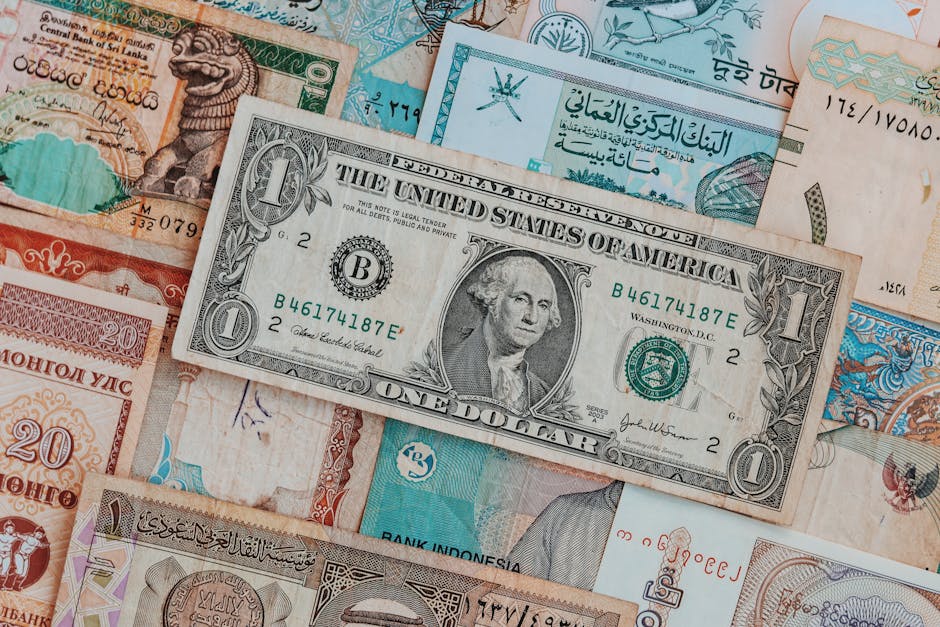
Cards are more convenient in developed countries, but cash is still essential in:
- Rural areas of Italy, Spain, and France where small shops and restaurants are cash-only
- Street markets and artisan vendors everywhere
- Taxis in many countries (especially Southeast Asia, Eastern Europe, and parts of Latin America)
- Tips in Mexico, Southeast Asia, and Japan (tipping culture and cash culture overlap significantly)
- Japan’s small restaurants, shrines, and vending culture — Japan remains heavily cash-based despite being a highly developed economy
- Any situation where you can’t confirm a card reader is legitimate
The goal isn’t to eliminate cash. It’s to get cash in the most efficient way possible, and to use cards strategically where they’re accepted — with the right cards.
Where Cash Still Rules
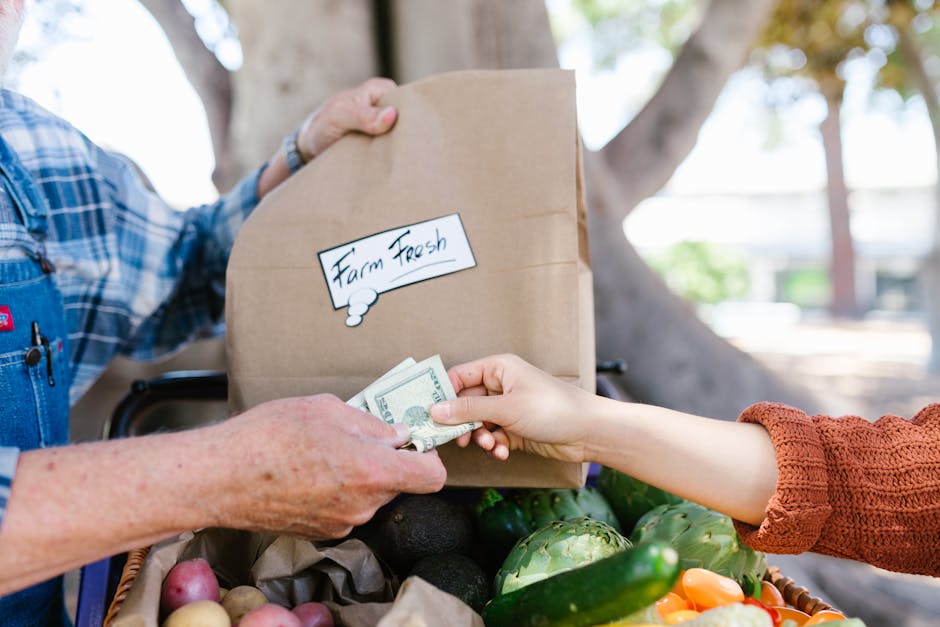
Japan: Carry More Than You Think You’ll Need
Japan is the exception that surprises every first-time visitor. It is a highly advanced, highly organized country that is also deeply cash-dependent. Many restaurants (especially ramen shops, soba restaurants, and any place without an English menu), rural accommodations, temples, and local shops are cash-only. 7-Eleven and Japan Post Bank ATMs reliably accept foreign cards — use those and keep plenty of yen on hand.
Rural Southern Europe: Don’t Rely on Cards
Small family restaurants in Tuscany, Umbria, rural Provence, and the Greek islands frequently have card readers that “aren’t working today” — which is to say, they prefer cash for obvious tax reasons. Plan to carry at least €50-100 in cash per person per day for any itinerary that takes you off the main tourist strip in Italy or Greece.
Southeast Asia: Cards Are Accepted, but Cash Is Smarter
Thailand, Vietnam, Cambodia, and Indonesia all have card acceptance in tourist areas, but the best experiences — night markets, street food, tuk-tuks, temples — are cash only. ATMs in these countries are widely available in cities, but charge significant per-transaction fees. Withdraw larger amounts less frequently.
The Card Fees That Are Quietly Robbing You

Foreign Transaction Fees
Most regular credit cards charge a foreign transaction fee of 1-3% on every purchase made outside your home currency. On a $5,000 trip, that’s $50-$150 in fees you paid for absolutely nothing. The fix is simple: use a card with no foreign transaction fee. There are several excellent options.
Dynamic Currency Conversion (DCC): The Worst Fee You’ve Never Heard Of
When a card reader or ATM abroad asks if you want to be charged in your home currency (USD) instead of the local currency, always — always — say no and choose local currency. This is called Dynamic Currency Conversion, and the merchant’s exchange rate is typically 3-8% worse than your card’s rate. It looks helpful. It is a fee.
ATM Operator Fees
Beyond your bank’s international withdrawal fee (typically $3-5), the ATM operator itself often charges a separate fee — particularly at convenience-location ATMs like Euronet, which are everywhere in European tourist zones and use terrible exchange rates. Always choose a bank ATM inside a bank branch.
The Best Cards for Zero Foreign Transaction Fees
Charles Schwab Investor Checking Account
For cash withdrawals, this is the gold standard for international travelers. The Charles Schwab Investor Checking account reimburses all ATM fees worldwide, every month — including the operator fees. There’s no foreign transaction fee. The exchange rate is the mid-market rate with no markup. If you’re going to open one account specifically for international travel, this is it. It’s free to open and there’s no minimum balance.
Wise Card (formerly TransferWise)
The Wise card uses the real mid-market exchange rate with a small conversion fee (typically 0.5-1.7% depending on currency). You can load it in multiple currencies before you travel, which locks in a rate. It’s excellent for countries where you want to pre-convert your money before the trip.
Best Zero-FTF Credit Cards
- Chase Sapphire Preferred/Reserve: Visa network (accepted almost everywhere internationally), no foreign transaction fee, excellent travel protections. The Reserve’s trip interruption coverage is worth having on any international trip.
- Capital One Venture X: Mastercard network, no foreign transaction fee, strong acceptance worldwide, and the rewards are solid on travel purchases.
- Amex Platinum: No FTF, but Amex acceptance internationally is spotty — particularly in rural Europe, smaller Asian merchants, and most of Southeast Asia. Never rely on Amex as your only card.
The ATM Strategy That Beats the Airport Exchange Counter
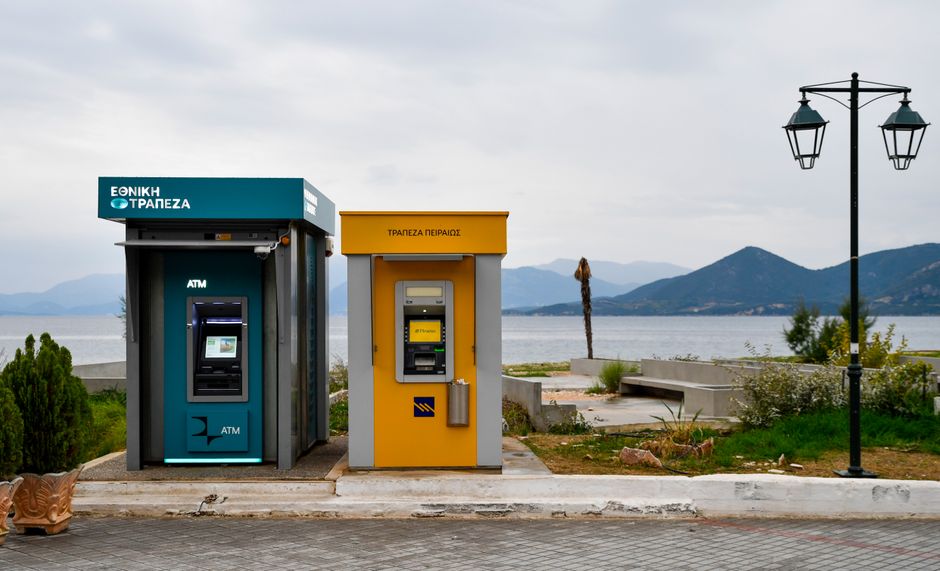
Here is the complete ATM strategy, in order:
- Never exchange currency at the airport. The rates are 10-15% worse than a local ATM. Even the airport ATM is better than the currency exchange booth.
- Use a bank’s own ATM inside a bank branch. Euronet and third-party ATMs in tourist zones use predatory rates and add hidden fees. A Barclays ATM in London, a BNP Paribas in Paris, a 7-Eleven in Japan — these are the ones to use.
- Always select local currency when prompted. “Would you like to be charged in USD?” — No. Always no. This is DCC and it’s a markup.
- Withdraw larger amounts less frequently. If you’re going to pay a $3-5 withdrawal fee, a $300 withdrawal has a 1-1.7% effective fee. A $50 withdrawal has a 6-10% effective fee. Batch your withdrawals.
- The Schwab Checking card gets the refund anyway — so if you use it, ATM location matters less. But the exchange rate at a real bank ATM is still better than at a Euronet.
What to Do When Your Card Gets Declined

Set Up International Use Before You Leave
- Enable international transactions in your bank’s mobile app (many banks require this)
- Call the number on the back of your card and notify them of your travel dates and destinations — this is especially important for less common destinations
- Confirm that your card has a chip (not just magstripe) — many international terminals require chip-and-PIN
Always Carry Two Cards on Different Networks
Carry one Visa and one Mastercard at minimum. If a terminal doesn’t accept Visa, it almost certainly accepts Mastercard. If one card is blocked, compromised, or declined, you have an immediate backup. Keep them in different locations — one in your wallet, one in your money belt or hotel safe.
The Emergency Cash Plan

Every traveler should have a cash emergency plan before they leave:
- Keep a separate emergency stash of $100-200 USD hidden in your luggage (US dollars are accepted or easily exchanged in most countries in a pinch)
- Have your bank’s international customer service number saved in your phone AND written down on paper
- Know your card’s PIN — some European terminals require PIN for credit cards, not just debit. If you’ve never used a PIN for your credit card, call your bank and set one before traveling.
- Western Union and MoneyGram can wire emergency funds from home to almost any country within hours if you’re truly stranded without cards or cash
The bottom line: the right combination is a Schwab Checking card for ATM withdrawals, a no-FTF Visa or Mastercard for purchases, and local cash for markets, tips, and the cash-only world that exists just outside the tourist bubble.