I’ve Flown 200,000 Miles — Here’s What Actually Helps You Sleep on a Long-Haul Flight (And What’s a Waste of Money)
We may earn money or products from the companies mentioned in this post. This means if you click on the link and purchase the item, I will receive a small commission at no extra cost to you ... you're just helping re-supply our family's travel fund.
I have spent approximately 200,000 miles trying to sleep in a metal tube moving at 550 miles per hour at 37,000 feet. I have tried the memory foam neck pillow, the inflatable neck pillow, the chin strap neck pillow, the pillow that looks like a small stuffed animal wrapped around your head. I have tried ambient sleep playlists, white noise, ASMR, and once, memorably, a Gregorian chant album that my husband still refuses to discuss.
I have also, after all of this, figured out what actually works. And what doesn’t. The truth is that some popular long-haul sleep advice is actively counterproductive, and a few overlooked habits make a bigger difference than any product you can buy.
Let’s start with why it’s hard in the first place.
Why It’s So Hard to Sleep on a Plane
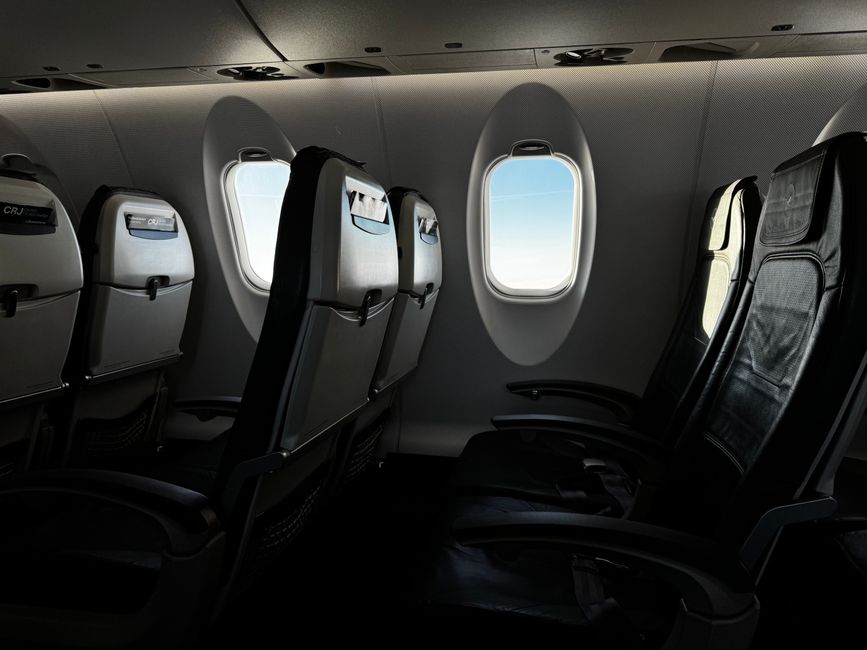
Sleeping on a plane is hard for several layered reasons that fight each other:
- The noise: Jet engine noise averages 85 decibels in the cabin — the level at which hearing damage begins with prolonged exposure, and far above what allows normal sleep
- The position: You are sitting nearly upright in a chair with a strangers’ elbow touching yours. Your body’s sleep systems expect horizontal.
- The pressure: Cabin pressure is set to the equivalent of 6,000–8,000 feet altitude. That alone affects oxygen levels, hydration, and how you feel.
- The light: A 10-hour flight may cross 8 time zones, and the cabin lighting, screens, and natural light through the windows all send mixed signals to your circadian rhythm
- The anxiety: Some people cannot fully relax on planes. That’s a real physiological response, not a personal failing.
You can’t eliminate all of these factors. But you can reduce enough of them to get 4-6 decent hours — which is the goal.
The Seat Choice That Changes Everything
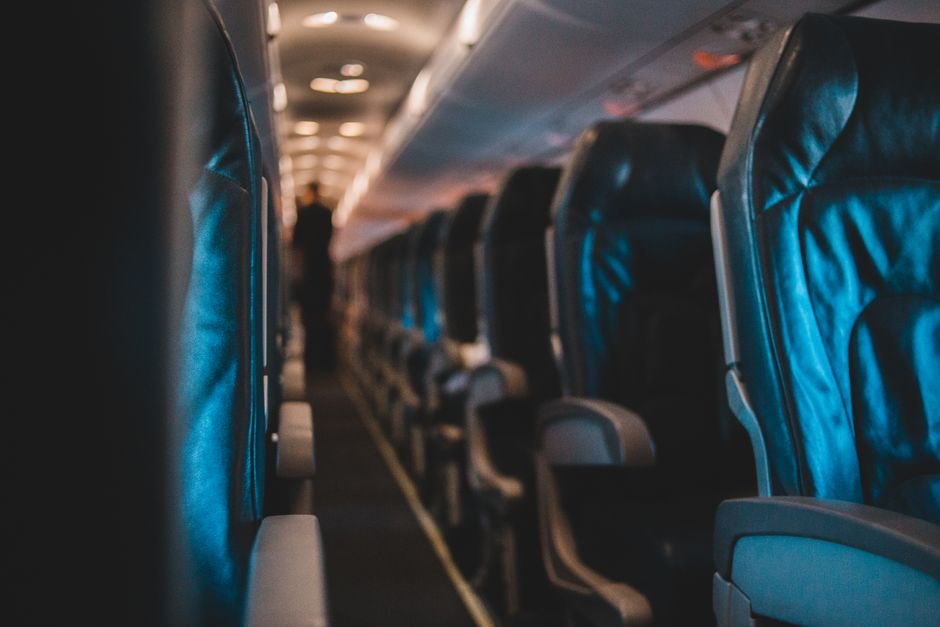
The Window Seat Advantage
For sleeping, the window seat is the clear winner, and the reason is control. A window seat gives you:
- The window wall to lean against (much better than a seatmate’s shoulder)
- Complete control over your window shade (no one can wake you by raising it)
- Zero mid-sleep disturbances from seatmates needing to get out
Yes, you’re stuck in your seat and have to climb over people to use the restroom. Yes, this is worth it for sleep. Go before you settle in.
What to Avoid: Bulkhead and Exit Rows
Bulkhead seats — the ones in the first row of a cabin section — look attractive. More legroom, nobody reclining into your lap. But bulkhead seats have fixed armrests that don’t raise, meaning you can’t spread across the seat width. The legroom that looks good in photos gets occupied by your own bag (there’s no under-seat storage), and the proximity to the galley means noise.
Exit row seats have more leg room but typically don’t recline at all — which matters a lot for sleep. The seats themselves can’t recline to avoid blocking the exit row. Never book exit row seats specifically for a long-haul overnight flight.
The Sweet Spot
Window seat, a few rows back from the middle of the cabin. Far enough from the galley noise at the front, far enough from the rear galley noise at the back. On overnight flights, avoid seats directly adjacent to the lavatories — the light and traffic are relentless.
What to Take (and What Not To)
Melatonin: The Right Dose Changes Everything
Melatonin is the most effective natural sleep aid for long-haul flights, with one major caveat: most Americans are taking 5-10x the effective dose. The research-supported dose for sleep onset is 0.5mg–3mg. Most melatonin sold in US pharmacies comes in 5mg or 10mg doses.
The 10mg “horse dose” doesn’t make you sleep better — it leaves you groggy the next day, can disrupt your natural melatonin production, and can cause a hangover feeling that compounds jet lag. Buy the 1mg or 3mg pills, cut them if needed, take one about 30 minutes before you want to sleep on the flight.
Noise-Canceling Headphones: Not a Luxury Item
This is the single highest-impact purchase for flight comfort I can recommend. The Sony WH-1000XM5 and Bose QuietComfort 45 are both exceptional. They don’t just play audio — they generate inverse sound waves that cancel out the engine roar. The cabin immediately becomes quiet in a way that a $3 foam earplug cannot replicate.
At $300-350, these headphones pay for themselves in flight quality over 5-6 trips. Do not buy cheap knock-offs — the noise cancellation technology is what you’re paying for, and it requires good engineering.
Eye Mask: Contoured, Not Flat
The cheap flat sleep masks press directly on your eyes, which is uncomfortable and prevents you from opening your eyes to check the time without removing the mask. Contoured sleep masks — the ones that have molded cups that create space around your eye area — are dramatically more comfortable and actually block more light. The Alaska Bear Natural Silk Sleep Mask and the Manta Sleep Mask are both excellent.
Neck Pillow: The Trtl Wins
The Trtl Travel Pillow is a wrap-style neck support that uses a rigid internal spine to support your head from below rather than wrapping a U-shape around your neck. It holds your head from falling to the side without creating a hot, squishy ring around your neck. It’s smaller and packs flatter than any U-shaped pillow. This is the one after trying many.
Compression Socks: Not Optional on Long-Hauls
Deep vein thrombosis (DVT) risk is real on long flights, and compression socks reduce leg swelling and discomfort significantly. They’re $20-30, and you’ll notice the difference on landing. Wear them every time you fly more than 4-5 hours.
The Pre-Flight Routine Nobody Talks About
Set Your Watch to Destination Time at Takeoff
This sounds psychologically simple, and it is — and it works. The moment you’re seated, change your phone and watch to the destination time zone. Don’t calculate what time it is at home. Your body needs to start orienting to where you’re going, not where you came from. If it’s “10pm” in your destination’s timezone, behave accordingly: close the shade, put on your mask, and signal sleep to your brain.
Skip the Airport Bar
This is the pre-flight ritual that actively works against you. Alcohol disrupts REM sleep (the restorative phase), dehydrates you further in an already low-humidity cabin, and wears off mid-flight leaving you awake, groggy, and dehydrated. The logic of “one drink to relax” is understandable and wrong. The same applies to the wine with your dinner service on the plane.
Eat Light Before and During
Heavy carbohydrate meals trigger an insulin response that leads to a blood sugar crash a few hours later — the opposite of sustained sleep. Eat a protein-based meal before boarding. If you eat the meal service on the plane, choose lighter options. Avoid anything with excess salt or sugar.
Tricks That Actually Work at 37,000 Feet

- Recline your seat immediately. You are allowed to do this. The passenger behind you can also recline. Flat guilt about reclining on a long-haul overnight flight is misplaced — recline, put on your eye mask, and sleep.
- Use the airline blanket over your shoulders, not just on your lap. The cabin is cold. Most body heat loss happens from the upper body. Draped across your shoulders and arms, the blanket keeps you genuinely warmer.
- Fill your water bottle at the fountain after security and drink consistently throughout the flight. The cabin humidity is typically 10-20% — similar to a desert. You dehydrate faster than you realize, and dehydration makes every other discomfort worse.
- Walk the aisle every 2 hours. This is both good for circulation and helpful for sleep — the micro-rest you’re looking for actually happens when you return to your seat after stretching. Your body is briefly grateful for the change.
- Keep your window shade down for the first section of a daytime arrival. If you’re landing in the morning, blocking light during the night portion of your flight keeps your circadian rhythm in the right place for adaptation.
Jet Lag: The After-Landing Strategy
- Get sunlight immediately upon arrival. Natural light is the most powerful circadian reset signal your body has. Go outside, face the sun, walk around.
- Do not nap for more than 20 minutes on arrival day. A full nap on day one locks you into the wrong time zone for days. Twenty minutes is restorative without resetting your sleep pressure.
- Take 1-3mg melatonin at your destination’s bedtime for the first 2-3 nights. This is the jet lag reset protocol that actually works.
- Eat at destination meal times, not home meal times, even if you’re not hungry. Hunger cues are time-zone aligned and can be reset faster than you’d expect.
Long-haul flights aren’t comfortable. They’re not supposed to be. But there’s a meaningful difference between arriving completely wrecked and arriving with 5 hours of reasonable sleep and a functioning circadian rhythm. The right combination of seat, tools, and habits gets you there.