What People Who Travel Full-Time With Dogs Actually Deal With — The Restrictions Nobody Posts About
We may earn money or products from the companies mentioned in this post. This means if you click on the link and purchase the item, I will receive a small commission at no extra cost to you ... you're just helping re-supply our family's travel fund.
This article contains affiliate links. If you book travel through our links, we may earn a commission at no extra cost to you.
The accounts exist in large numbers: people who sold everything and are traveling the world with their dog. The photographs are reliably beautiful. The dog on a hiking trail in Patagonia. The dog in the sidecar in Vietnam. The dog looking soulfully out a train window in Scotland. The dog on a terrace in Portugal with the morning light catching everything perfectly.
Behind those photographs is a logistics infrastructure of considerable complexity, significant expense, and occasional genuine suffering — for the humans and, sometimes, for the dog.
People who are actually doing this full-time, and are honest about it, tell a different story than the one in the feed.
The Fantasy Versus the First Week
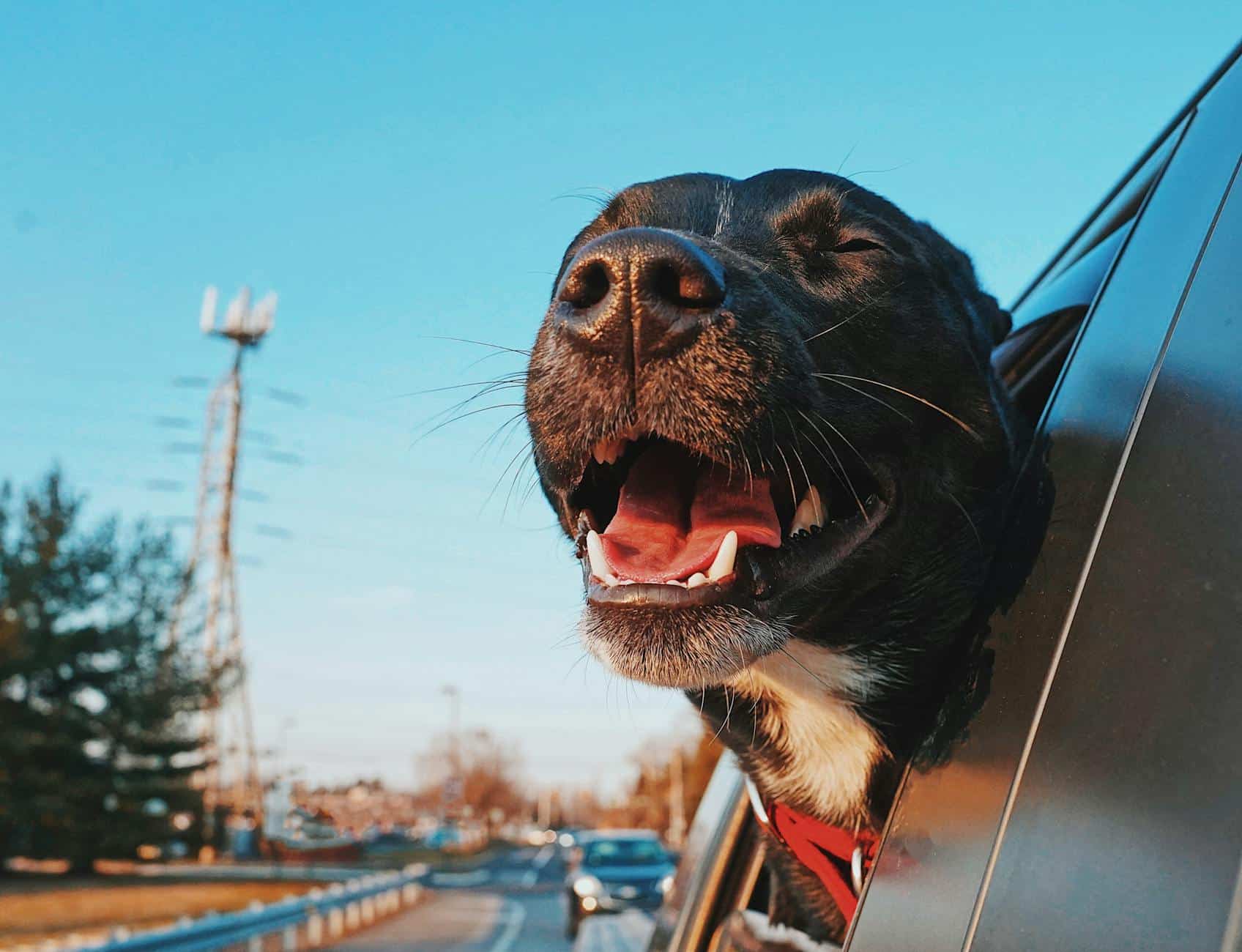
The moment most full-time traveling dog owners identify as the turning point is usually somewhere in the first month. It’s not a dramatic failure — it’s a quiet accumulation of logistics that are more complicated than expected.
The first hotel that seemed pet-friendly until you arrived with a dog over 25 pounds. The scenic coastal area where dogs are banned from the beach. The ideal-looking rental where the host clarified, upon checking in, that the pet fee covers small dogs and your Lab is too large. The national park where dogs are allowed on the roads and parking lots but not on the trails.
None of these things are surprises if you’ve done meticulous research in advance. The problem is that meticulous research on dog-friendliness, conducted location by location for a constantly shifting itinerary, is essentially a part-time job. Full-time traveling dog owners almost universally describe an ongoing administrative load — checking rules, confirming policies, vetting accommodations — that non-dog traveling friends simply don’t have.
The Countries That Simply Won’t Let Your Dog In

This is where the fantasy of global nomadic dog travel collides with hard reality.
Australia and New Zealand have some of the strictest biosecurity rules in the world and require quarantine periods for incoming dogs that are measured in weeks and cost thousands of dollars. The process must begin months before arrival, involves specific vaccination sequences with specific timing, and can be derailed by a single missed step. Many full-time traveling dog owners simply exclude both countries from consideration.
Japan requires a six-month import process with pre-export and post-arrival testing. The dog must meet Japan’s specific requirements for rabies vaccination and titer tests — not the versions available everywhere, but specific approved versions at specific approved intervals. Dogs arriving without proper documentation are quarantined at the owner’s expense. Japan has become a realistic destination for traveling dog owners only if they build the itinerary backward from the requirements, which means planning at least a year in advance.
The UK’s post-Brexit rules require a Rabies titer test at least 30 days before travel, plus a tapeworm treatment within 24-120 hours of arrival. Hawaii, despite being a US state, enforces strict rabies quarantine rules that function similarly to international border controls and have stranded more than a few traveling dog owners who assumed their US dog certificates would transfer.
China, many Southeast Asian countries, and parts of the Middle East have varying restrictions that range from burdensome to prohibitive depending on the specific country, the specific entry point, and the specific year. Rabies concerns drive most of them, and the restrictions are not stable over time.
The Airline Cargo Situation Is as Bad as You’ve Heard
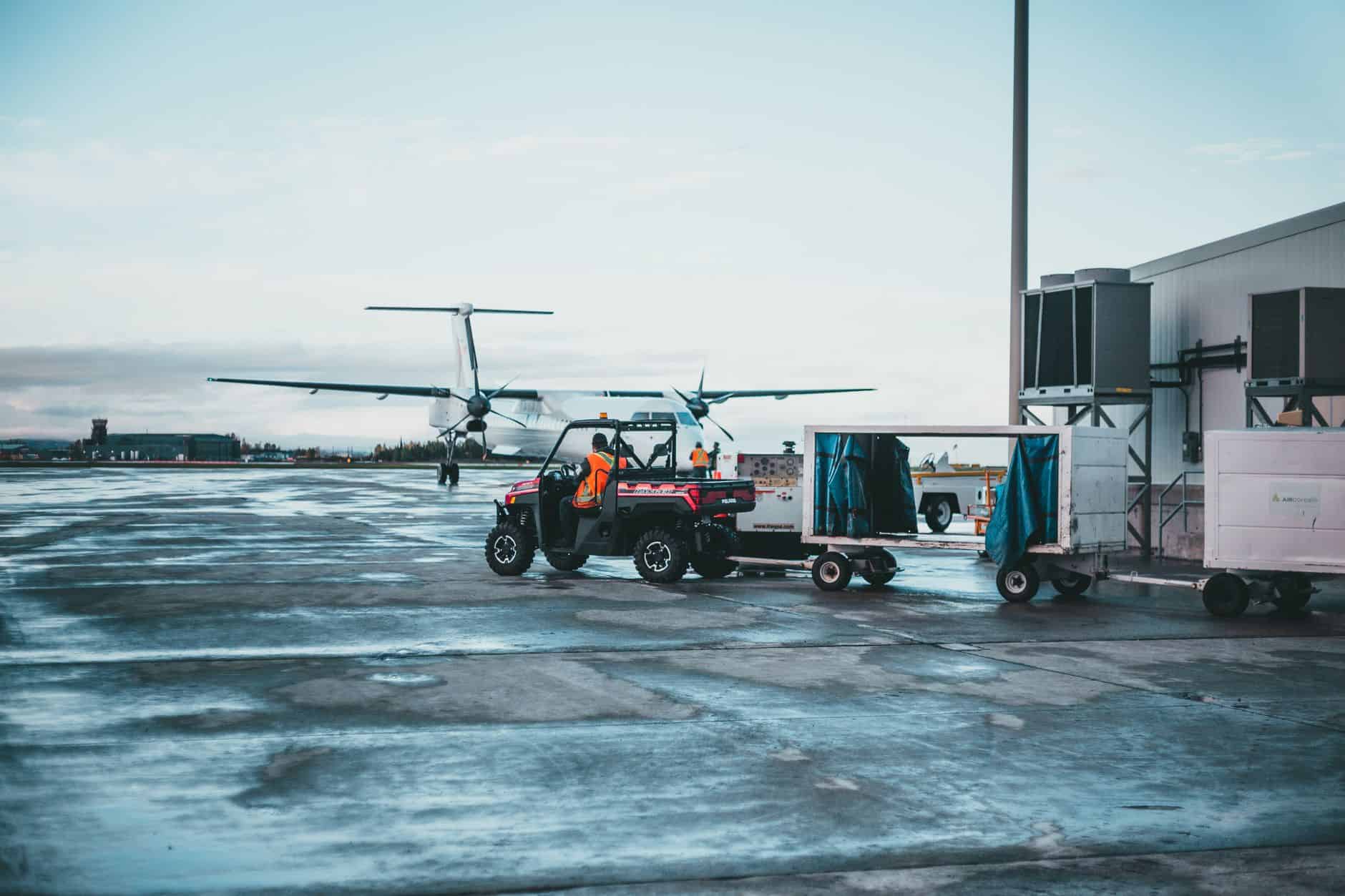
The question of how to actually fly with a large dog is one of the most anxiety-producing aspects of full-time travel with pets, and the honest answer is: it’s complicated in ways that don’t have good solutions.
Dogs over roughly 20 pounds (the in-cabin limit varies by airline) cannot fly in the cabin and must go in the cargo hold. This is medically and psychologically stressful for most dogs. The cargo hold is not climate-controlled in the same way the cabin is; temperature can be an issue on certain routes during certain seasons. Dogs in cargo have died during flights — this is documented and not rare enough to be comforting. The psychological distress of the experience, for a dog that cannot be prepared or explained to, is real regardless of outcome.
Full-time traveling dog owners who have large dogs have largely settled into a few strategies: driving when possible, booking cabins or slow boats when those exist, and flying only when necessary with extremely careful route vetting (nonstop only, temperature-appropriate seasons, specific carriers with known cargo safety records).
Some have simply given up international travel entirely and focus on road-based domestic exploration. This is a more common outcome than the travel content suggests.
How Much It Actually Costs

The financial cost of full-time travel with a dog is substantially higher than the equivalent without a dog, in several compounding ways.
Pet fees at accommodations are the most visible cost. The nightly pet fee in the US is typically $25 to $75 per night at hotels, with an additional deposit of $100 to $300. Over the course of a year of full-time travel, these fees are significant. International pet fees vary but in Europe and the UK, pet-friendly accommodation commands a premium that ranges from negligible to substantial.
Veterinary costs are the less predictable expense. Full-time traveling dog owners need to navigate veterinary care in countries where they don’t have an established relationship with a vet and where the quality of care and the language of communication vary. Emergency vet visits in the US are extraordinarily expensive; in some international destinations, they are surprisingly affordable but the communication challenge is real.
Health certificates — the official veterinary documents required for international travel with dogs — need to be issued within a specific window before travel (often 10 days or less), must be issued by an accredited vet, and may need to be USDA-endorsed. Each endorsement visit and document has costs. For frequent international travel, this adds up to hundreds or thousands of dollars per year.
The accommodation premium is perhaps the largest hidden cost. Because so many accommodation options exclude dogs entirely, pet travelers are systematically filtered away from the cheapest options — budget hotels, hostels, many short-term rentals — and toward the subset of places that accept pets, which are typically more expensive or require advance booking so early that flexibility disappears.
The Accommodation Problem Nobody Solves Perfectly

Every full-time traveling dog owner has a version of the accommodation story. The booking site where “pet-friendly” filters return thousands of options, most of which turn out to be pet-friendly in a technical sense that includes restrictions that make them actually unusable (pet fee per day that costs more than the room, must stay in kennel, maximum 15 pounds, no dogs on furniture, no dogs left unattended).
The platforms that have made this better: Bring Fido, GoPetFriendly, and VRBO (which has better dog-friendly filtering than Airbnb on average). The platforms that remain frustrating: most general hotel booking sites, where pet policy information is vague, inconsistent, or simply wrong.
The gap between what is advertised and what is practical is large. The dog owner learns to call ahead, verify policies specifically, ask about size limits and breed restrictions (many places that are “pet-friendly” exclude large breeds or specific breeds), and confirm pet fees in writing before booking.
The Dog’s Experience Nobody Asks About
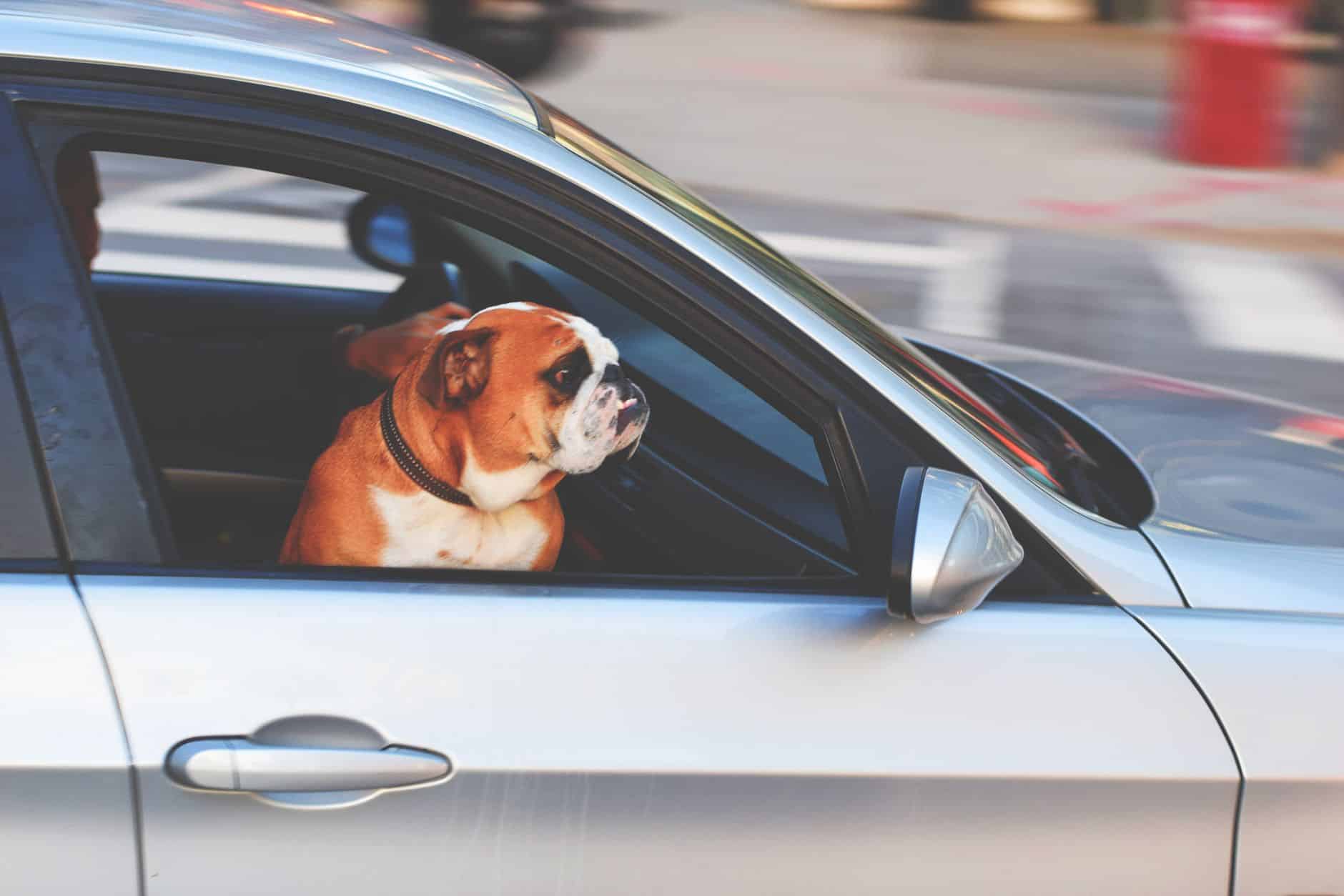
This is the conversation that full-time traveling dog owners have with themselves more than with anyone else, and the ones who are being honest will tell you it’s not fully resolved.
Dogs are routine-dependent animals. They do well with predictable environments, familiar spaces, known smells, and established territories. Full-time travel provides the opposite of all of those things: constant new environments, new smells, new sounds, new people, disrupted sleep schedules, irregular exercise opportunities, and no fixed home base.
Some dogs adapt. Dogs that were socialized early, that have calm temperaments, that have been traveling since they were young, can handle it reasonably well. But “reasonably well” is not the same as thriving, and the traveling dog owners who are most honest about the tradeoffs acknowledge that what they’ve chosen is their preference, not necessarily their dog’s preference.
Behavioral signs of chronic stress in dogs — excessive panting, disrupted eating and sleeping, clinginess, noise sensitivity — are more common in full-time traveling dogs than in dogs with stable home environments. Most owners accommodate and manage this. Some eventually decide the dog’s quality of life is the deciding factor in whether to continue.
What Full-Time Pet Travelers Gave Up
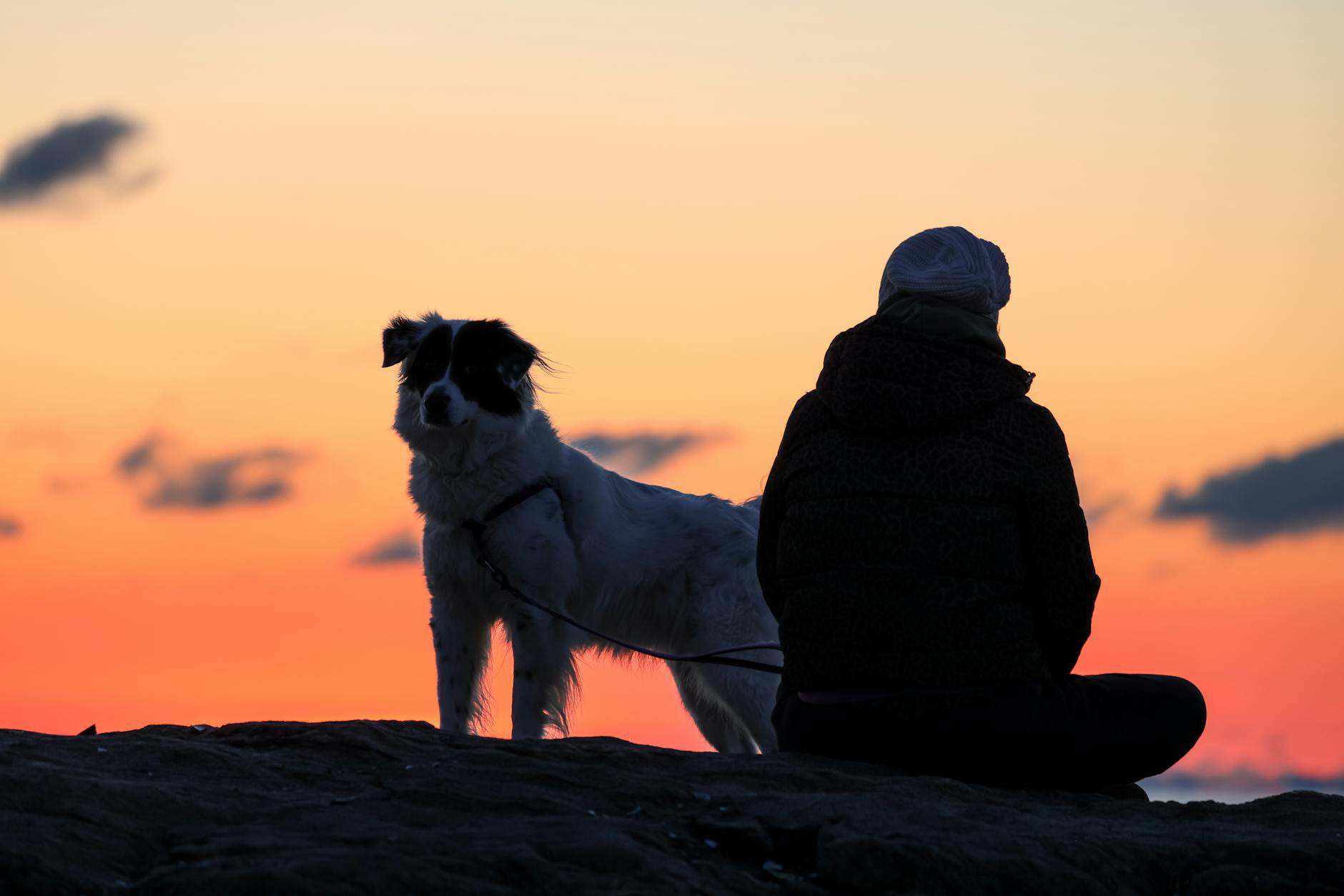
The list is specific and doesn’t always appear in the travel content: spontaneous plans that don’t accommodate a dog. The day hike that allows no pets. The overnight ferry that has a complicated pet policy. The country you really wanted to visit but the quarantine requirements made it impossible. The flight deal that wasn’t worth the cargo hold stress.
At a higher level, many full-time traveling dog owners eventually describe a particular kind of constraint that accumulates: the sense that the trip is being planned for the dog rather than by the traveler. The dog becomes the constraint around which every decision orbits, and the freedom that was the point of full-time travel starts to feel smaller.
This doesn’t mean people regret bringing their dogs. Most don’t, at least not in a straightforward way. But the tradeoff is real, and the people who are honest about it describe a specific kind of travel freedom they gave up that they hadn’t fully priced in at the beginning.
The Countries That Are Actually Good for Dog Travel

For all the restrictions, there are places where traveling with a dog is genuinely, surprisingly pleasant.
Much of Western Europe — France, Germany, the Netherlands, Austria, Switzerland — has dog cultures that are substantially more accommodating than the United States. Dogs in restaurants are not just permitted but common. Transit systems allow dogs in ways American systems don’t. Hotels that are genuinely pet-welcoming (not just technically allowing pets) are easier to find.
France specifically has a dog culture that approaches the religious. Dogs in French cafes are normal. Dogs in French brasseries are unremarkable. The dog under the table while you eat dinner is not a policy exception — it’s Tuesday.
Portugal has become a notable destination for traveling dog owners, combining mild climate, lower cost of living, genuine urban pet friendliness, and EU-standard pet documentation requirements that are more manageable than many alternatives. The Algarve coast has stretches of dog-friendly beaches that are rare in more densely touristed European coastal areas.
The US itself, for road-based travel, is more dog-friendly than its hotel and national park policies suggest, once you expand your accommodation framework to include vacation rentals, campgrounds (where dogs are broadly welcome), and the specific hotel chains — Extended Stay America, Motel 6, La Quinta — that have consistently more permissive and less expensive pet policies than their competitors.