Why Some Cities Make People Feel Productive and Alive, and Others Make Them Feel Like a Tourist Even After a Week
We may earn money or products from the companies mentioned in this post. This means if you click on the link and purchase the item, I will receive a small commission at no extra cost to you ... you're just helping re-supply our family's travel fund.
This article contains affiliate links. If you book travel through our links, we may earn a commission at no extra cost to you.
There is a specific experience that frequent travelers recognize and struggle to explain. You arrive in a city expecting to be a visitor, and within a day or two you feel like you’re almost living there. The coffee shop becomes yours. You stop looking at the map. You walk past tourists doing the things you did yesterday and feel, quietly, that you understand something they don’t yet.
And then there’s the other experience: a week into a trip and you still feel like an observer. You’re performing the city rather than inhabiting it. You go to the places and eat the food and see the things, and it’s all genuinely good, and you remain, somehow, firmly on the outside looking in.
Neither of these is simply about the quality of the city. Some of the most famous and beautiful places in the world produce the tourist feeling persistently. Some mid-tier cities no one particularly raves about get under your skin immediately. The difference is in the city’s structure, culture, and the specific ways it rewards or deflects the kind of engagement that produces belonging.
The Cities That Do Something to You
People who travel a lot tend to have a personal list of cities that did something to them — cities that produced an unexpectedly strong response, that felt alive in a specific way, that made them want to move there within 48 hours or come back within a week of leaving.
The cities on these lists are surprisingly varied. Tokyo appears constantly. So do Lisbon, Mexico City, Medellín, Buenos Aires, New Orleans, Montreal, Barcelona, and Copenhagen. Some large globally famous cities appear (Tokyo, Barcelona) and some smaller ones do (Medellín, Porto, Oaxaca). What they share is harder to define than their beauty or their food or their museums — it’s something about their specific metabolism, the quality of being inside them rather than looking at them.
Urban researchers who study what they call “city vitality” or “urban energy” identify a cluster of variables that predict this feeling with some consistency: pedestrian density, mixed-use zoning, independent business character, active street life at multiple hours of the day, and what sociologists call “third places” — environments beyond home and work where people gather without a commercial transaction being the primary purpose.
What Walkability Actually Does to Your Brain
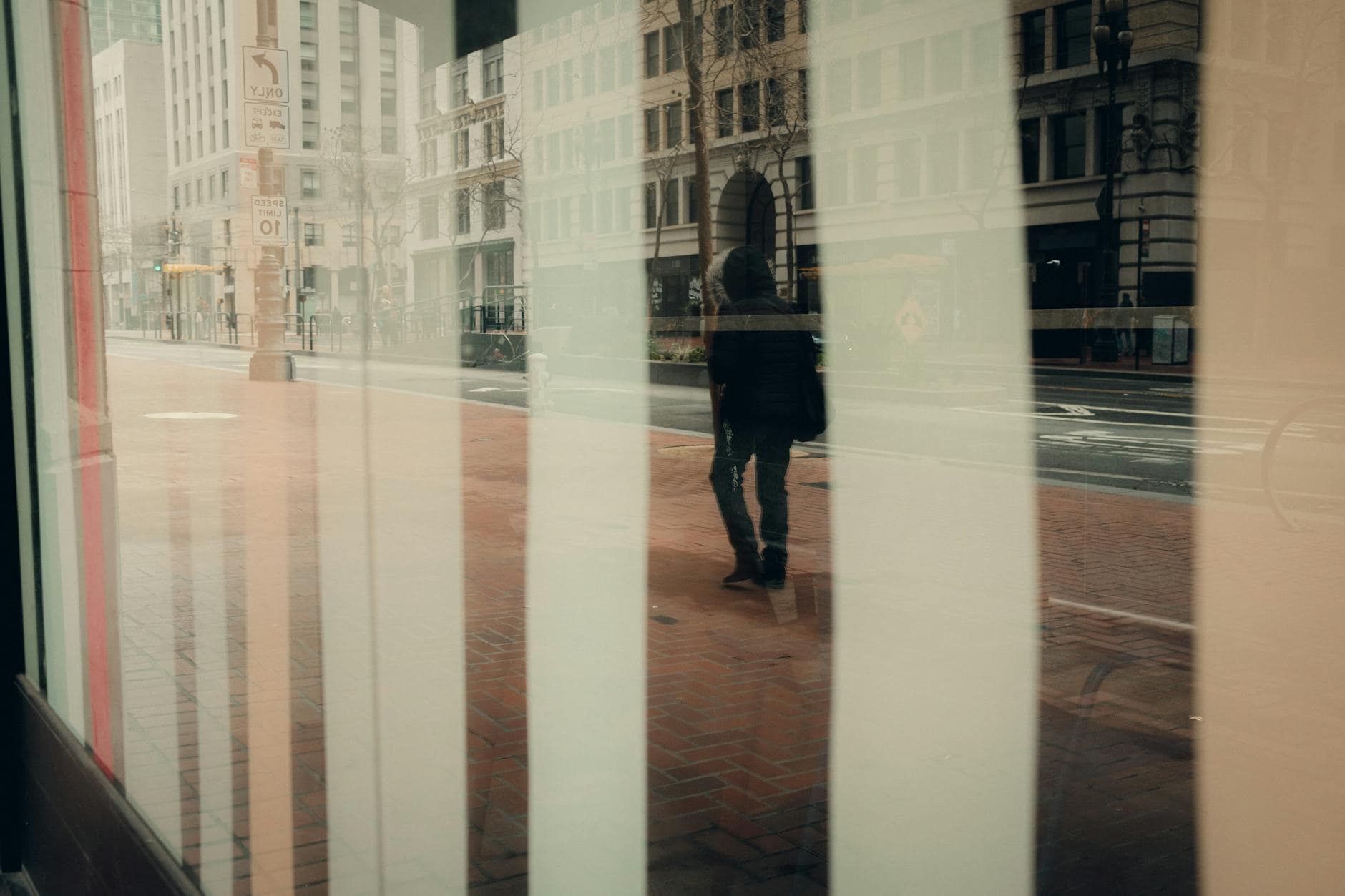
The science on this is more robust than the casual discussion of walkability suggests. Walking through a city — genuinely walking, on streets designed for pedestrians, with things to see and stop at — produces measurable effects on cognitive state that are distinct from walking on a treadmill or driving through equivalent scenery.
The mechanism is partly about novelty exposure: the number of micro-decisions, interesting sights, unexpected encounters, and environmental details that walking urban streets provides is substantially higher than driving or taking transit, and this novelty engagement activates attention and curiosity systems that are associated with positive affect and feeling alive. This is why people who walk through interesting cities often describe the experience as energizing rather than tiring, even when the physical exertion is significant.
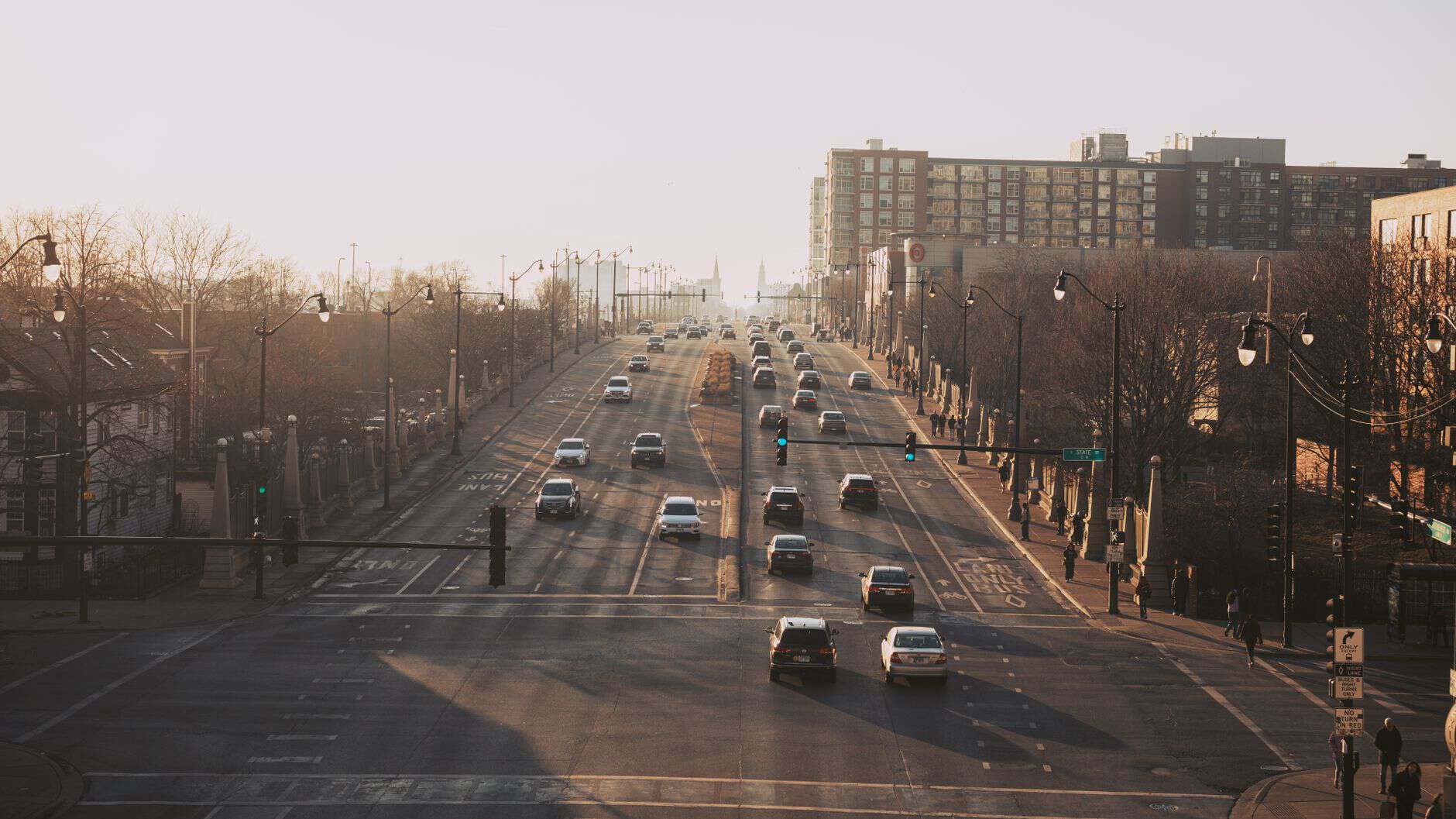
Cities that are highly walkable — where you can travel by foot between destinations of genuine interest without running into dead ends, highways, or the particular despair of the empty block — produce this effect reliably for visitors. Cities that require a car for any trip longer than two blocks strip the effect away. The tourist who has rented a car in Phoenix or Dallas and is driving between attractions is not having the same neurological experience as the tourist walking between neighborhoods in Lisbon.
The Role of Neighborhood Identity

Cities that make people feel like inhabitants quickly almost always have strong neighborhood character — distinct areas with their own personality, their own regulars, their own rhythm that is different from the neighborhood two subway stops away.
This neighborhood specificity matters because it creates a point of entry. You can become a regular at the coffee shop in this neighborhood. You can learn the bakery that opens early and the bar that’s still alive at midnight and the morning light at this specific corner. You can have a relationship with a small piece of the city, which is more real and more satisfying than a thin relationship with the whole of it.
Cities that have been over-developed or over-touristified tend to lose this neighborhood specificity. When every area has the same international chain restaurants, the same souvenir shops, the same accommodation infrastructure, the experience of moving between neighborhoods stops producing the feeling of moving between distinct places. The city becomes a monolith, and the tourist relationship is the only one available.
Why Some Cities Reward Curiosity and Others Punish It
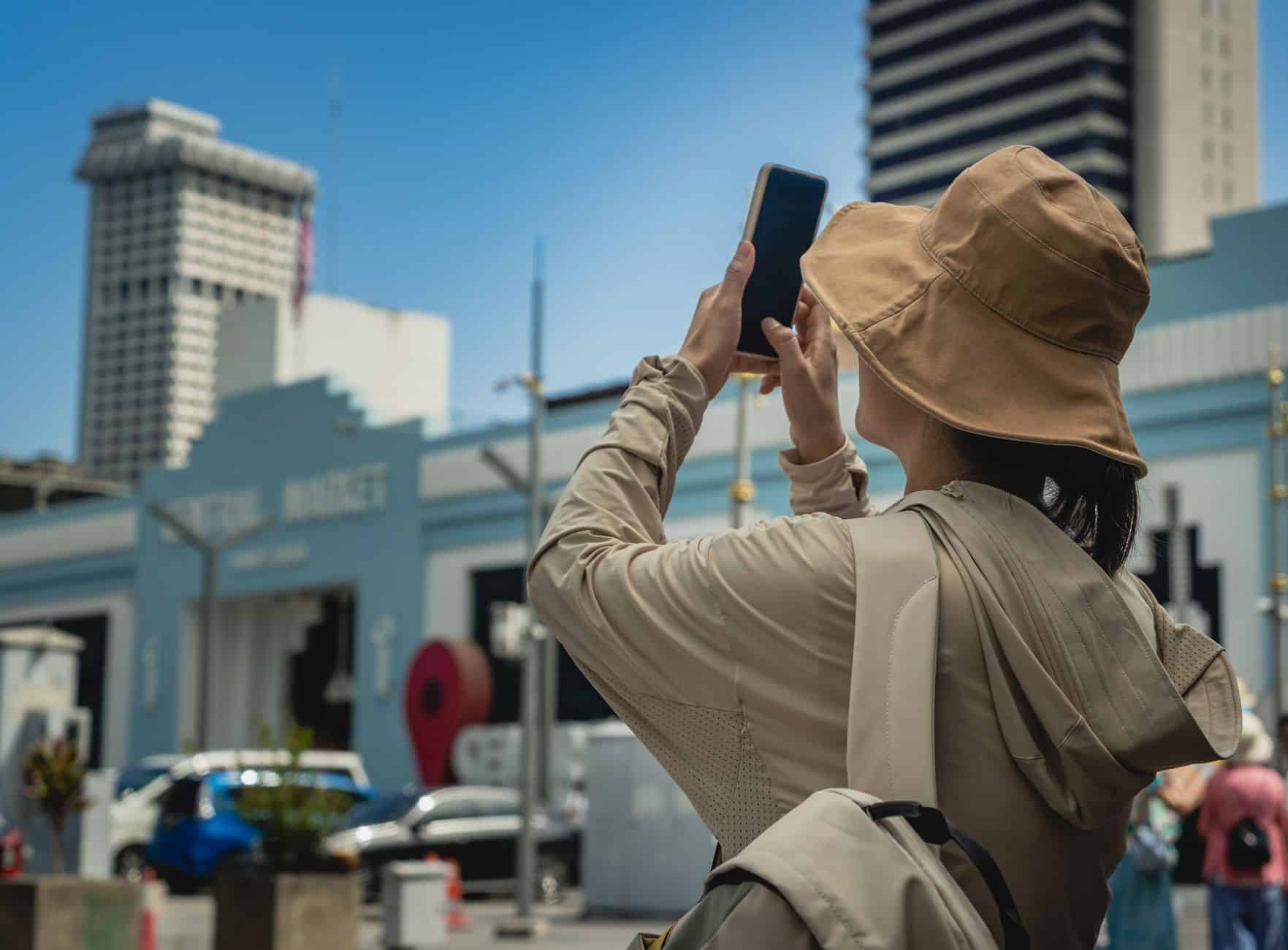
There is a specific quality to certain cities that rewards the traveler who wanders without a plan — who turns down a random side street, who follows noise or light or smell toward something without knowing what it is. These cities tend to have density, porosity (physical openness to movement through them), and enough human activity that there is always something to find.
Other cities punish curiosity in a specific way: the random side street leads to nothing, or to a parking lot, or to a block of identical apartment buildings with no ground-floor activity. The wanderer ends up nowhere, turns around, and goes back to the main tourist circuit because the city’s structure has communicated that wandering is not rewarded here.
This porosity — the degree to which a city can be explored productively at random — is one of the clearest predictors of whether visitors eventually feel like they belong in it. Cities with high porosity (most historic European cities, most Latin American city centers, Tokyo) reward exploration in the way that creates belonging. Cities with low porosity (most American suburban-style cities, many planned modern cities) communicate that there is a predetermined set of experiences available and everything else is blank space.
The Density-Energy Relationship
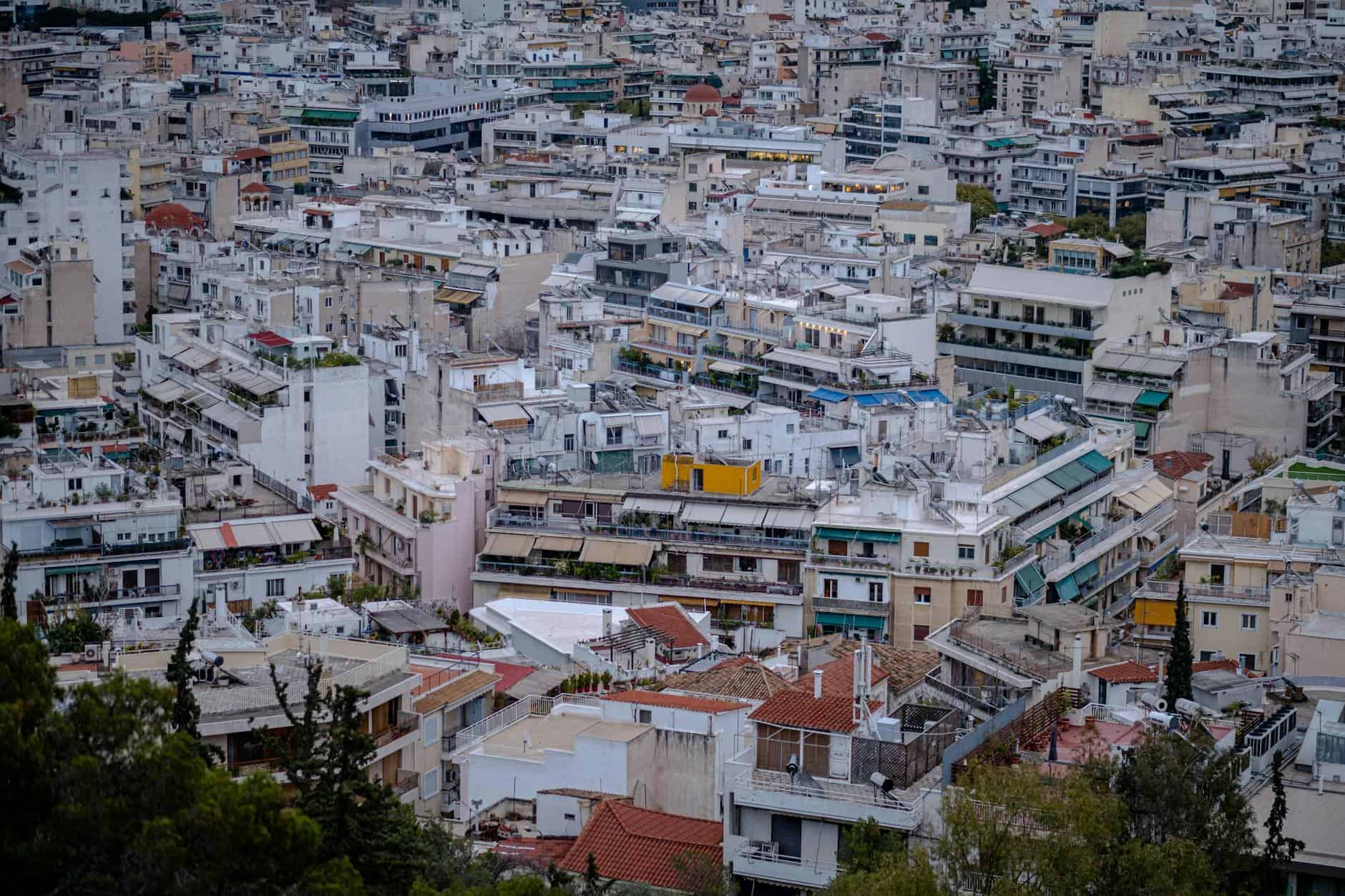
One of the more counterintuitive findings in urban experience research is that density — the thing most people list as the thing they dislike about big cities — is actually a primary driver of the quality that makes cities feel alive.
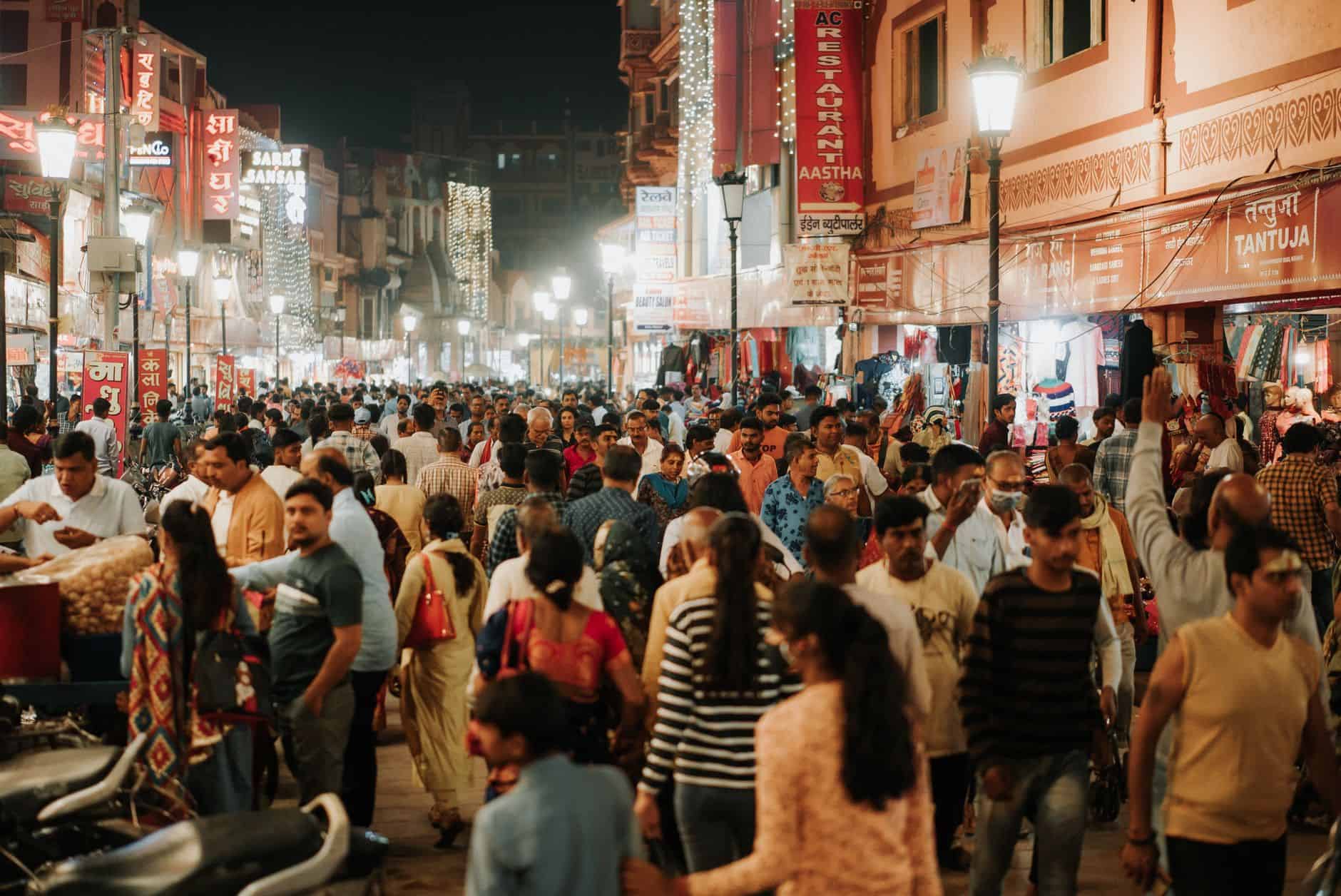
Human density creates ambient social energy. The awareness of other people, the street sounds, the sense of being in a place where things are happening and people are moving toward destinations — these produce a background vitality that low-density environments lack. The tourist who complains about crowded streets is often describing the very thing that made the city feel alive to them.
The specific type of density matters, though. Residential density — apartment buildings, mixed-use buildings with ground-floor activity — produces vitality differently than office density. Cities with lots of residents living and moving through streets at all hours feel alive differently than cities that empty out at 6 p.m. when the office workers go home. This is part of why certain downtown-heavy American cities can feel dead after dark despite their daytime density — the density is single-purpose, and it retreats at the end of the workday.
Why Tokyo Produces This Feeling More Reliably Than Almost Any Other City
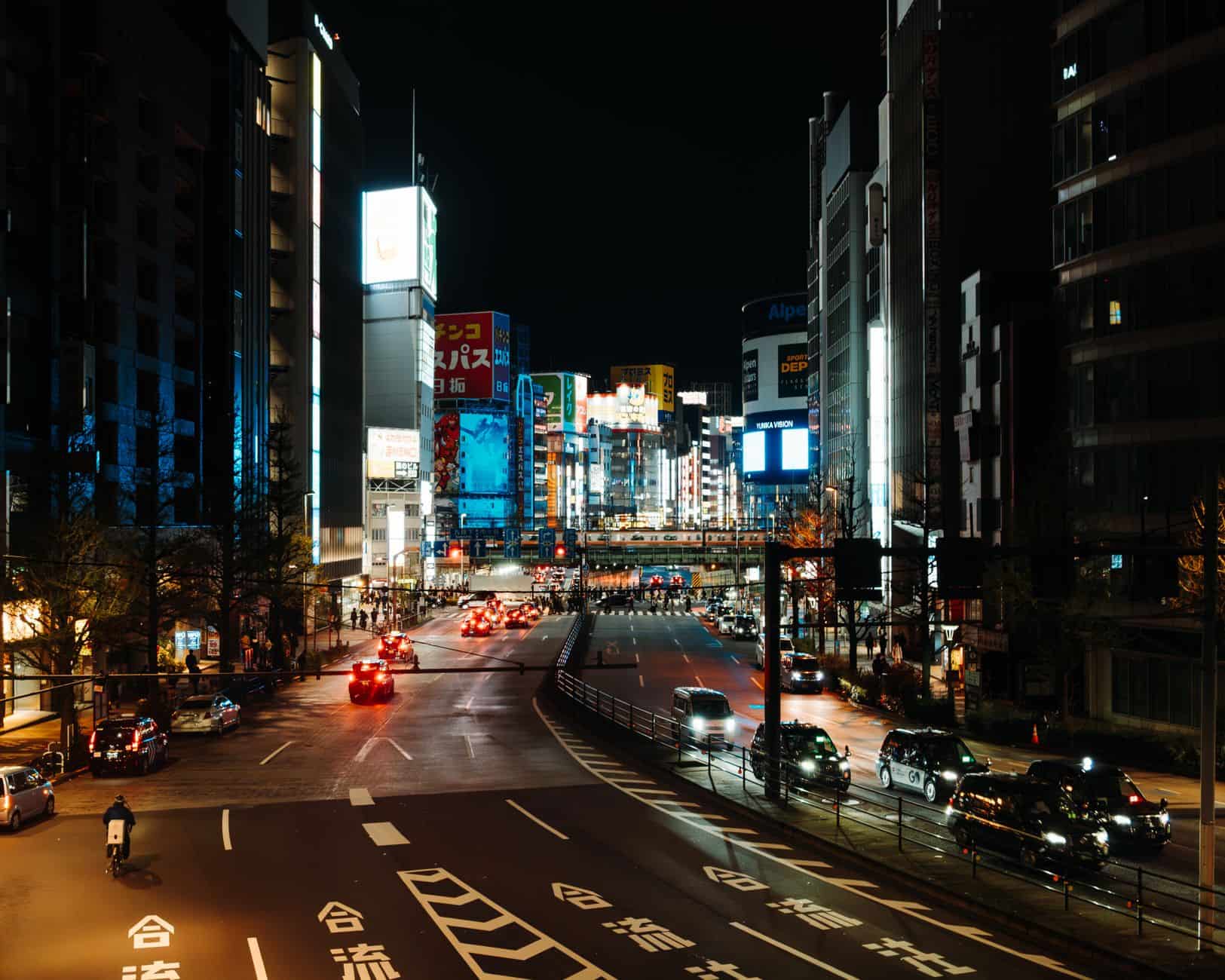
Tokyo comes up disproportionately in conversations about cities that make people feel alive, and the reasons are worth examining because they illuminate the general principle.
Tokyo has extreme density distributed across dozens of distinct neighborhoods, each with its own strong character. It has arguably the world’s best public transit system, which means the entire city is accessible without a car and the city is effectively without spatial limits for a visitor. It has extraordinary ground-floor retail and restaurant culture — the density of interesting small businesses in a typical Tokyo neighborhood block is higher than almost anywhere comparable. It has street life at all hours. And it has a culture of craftsmanship and attention in small places — the coffee shop that takes 8 minutes to make your coffee, the ramen shop that has been perfecting one dish for decades — that rewards curiosity with genuine quality.
The result is a city that produces rapid feelings of provisional belonging in visitors, despite the language barrier. You have your neighborhood within two days. You have your coffee shop. You have navigational competence. The city accommodates you in a specific way that overrides the formal foreignness of everything.
The Cities People Kept Returning To — and Why
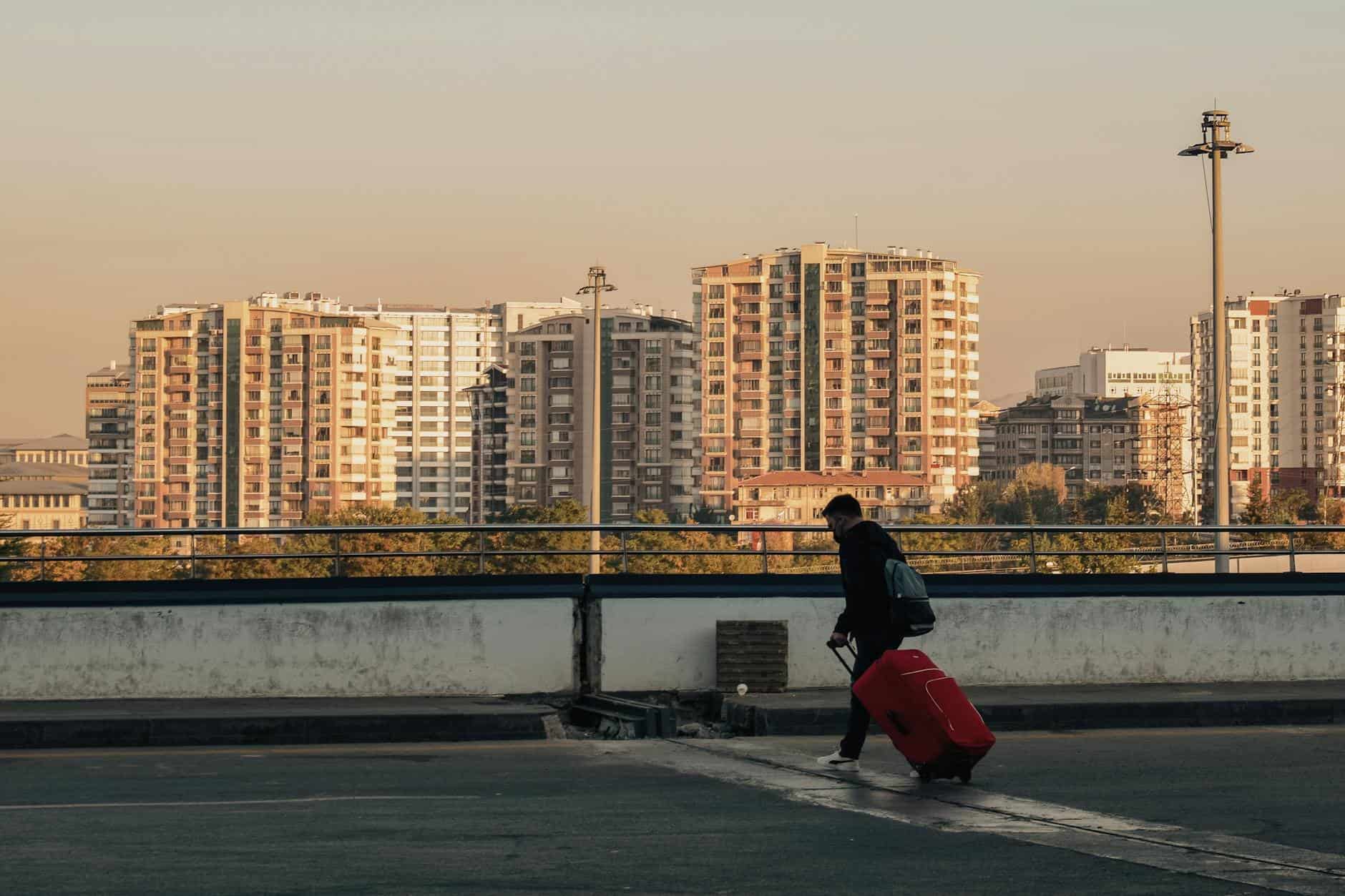
There’s a reliable pattern in how frequent travelers talk about their most-returned-to cities: the city did something unexpected to them, the first time, that they needed to understand more fully. The return was about completing something the first visit started.
Lisbon generates this feeling for a particular reason: it is melancholy in a way that most travel destinations work to avoid being. The Portuguese concept of saudade — a specific kind of nostalgic longing — is woven into the music, the architecture, the pace of the city. Visitors expecting the cheerful European tourism experience encounter something more complex and find themselves needing to return to figure out why they can’t stop thinking about it.
Mexico City generates it for different reasons: the sheer scale and complexity of the city means that any single visit barely scratches the surface, and first-time visitors typically leave with a strong sense that they spent a week in a single neighborhood of a city they need years to know.
What the Tourist-Trap City Gets Wrong
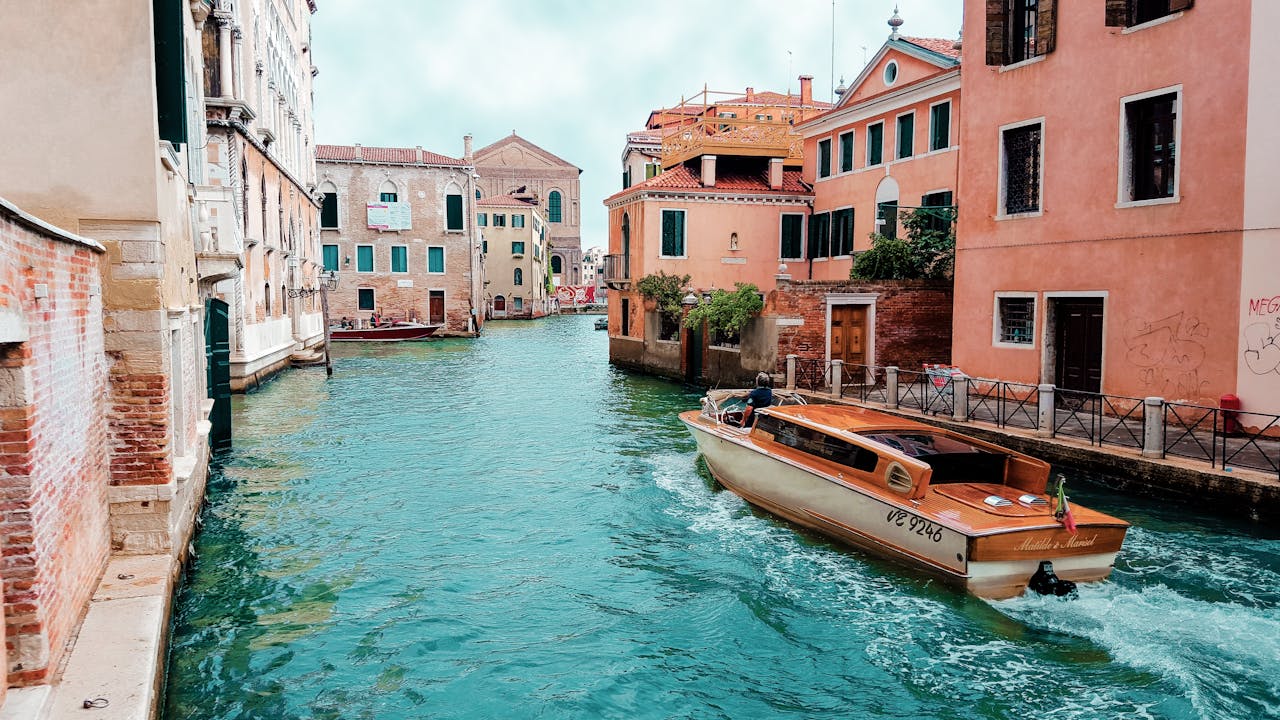
The cities that keep people feeling like tourists — Venice is the clearest example, but the pattern appears in many heavily visited places — have made a specific set of choices, or had specific choices made for them by economics, that optimize for visitor throughput rather than visitor experience.
When accommodation is expensive enough to drive away residents, the neighborhood loses the residential life that produces vitality. When restaurants optimize for tourist volume rather than local regulars, the quality changes. When the economic incentive of the city aligns entirely with the tourist transaction, the city becomes a stage set — beautiful, photogenic, historically significant, and fundamentally hollow in the specific way that places without residents are hollow.
The tourist who feels like a tourist in Venice is not having a personal failure of imagination. They’re responding to something real: the city has fewer and fewer people who live in it and more and more people who are passing through it, and the difference between a place and a theme park is the people who call it home.