Atlanta Found Blue Ridge and Ellijay. The Georgia Mountains Will Never Be the Same Again.
We may earn money or products from the companies mentioned in this post. This means if you click on the link and purchase the item, I will receive a small commission at no extra cost to you ... you're just helping re-supply our family's travel fund.
Blue Ridge, Georgia has a median home value hovering around $498,000, according to Trulia listing data — a startling number for a town of about 1,300 year-round residents in the north Georgia mountains, roughly ninety minutes from downtown Atlanta. Ellijay, the self-proclaimed “Apple Capital of Georgia,” has seen similar pressure. Neither town looks dramatically different than it did fifteen years ago from the street. What’s different is who owns the houses and how often they’re actually there.
The Atlanta weekend-house pipeline
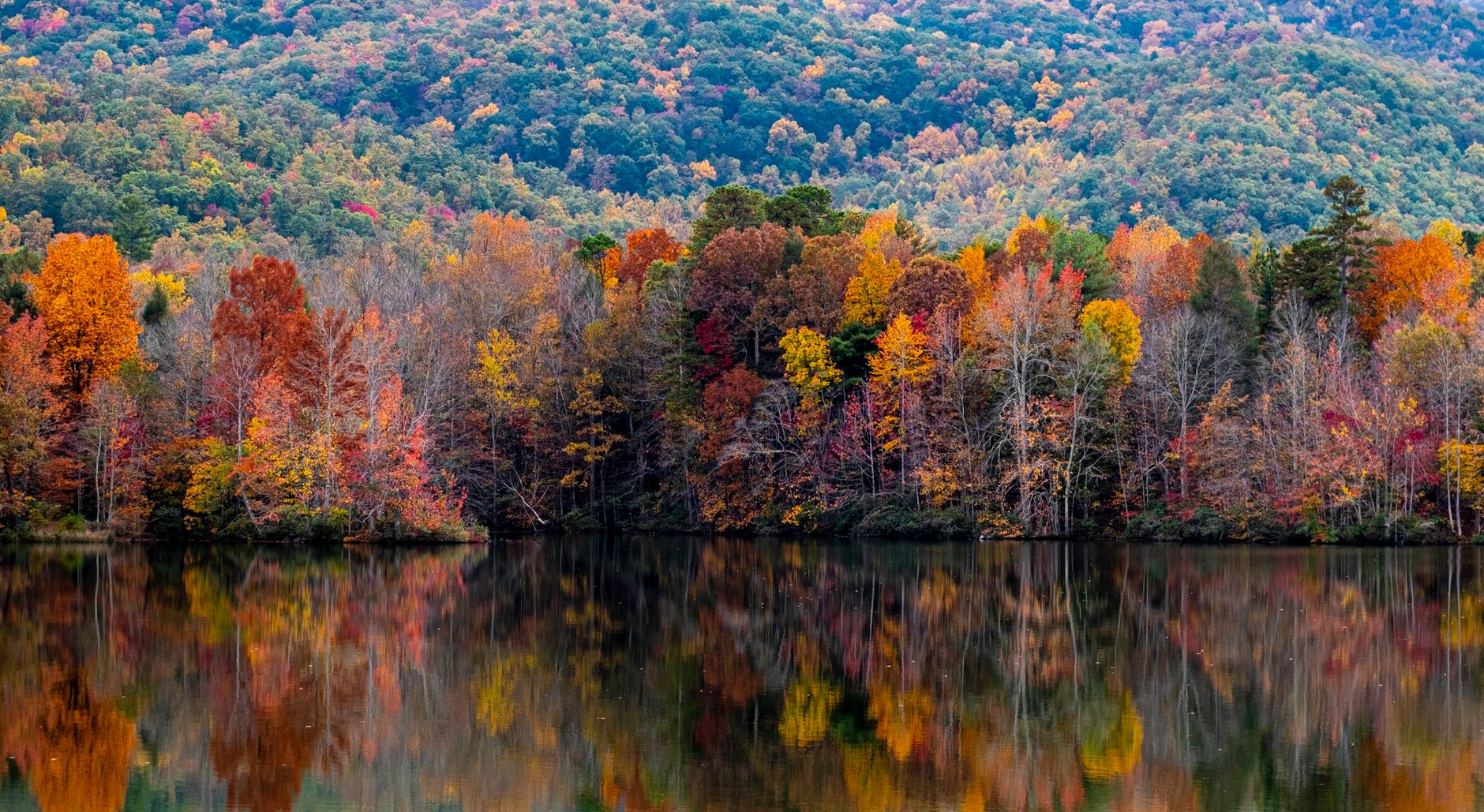
Blue Ridge and Ellijay sit close enough to Atlanta for a Friday-afternoon drive and far enough to feel like a genuine escape — mountain views, a scenic railway, apple orchards, and a walkable downtown strip in Blue Ridge that’s been rebuilt around tourism over the past decade. That proximity is the entire economic story. Atlanta’s metro population has grown past six million, and a meaningful slice of the professional class there wants a second home within a two-hour radius. Blue Ridge and Ellijay were close, cheap, and undiscovered enough to absorb that demand starting in the mid-2010s, and short-term rental platforms accelerated it further by turning cabin ownership into a cash-flowing investment rather than just a vacation expense.
The mechanism is straightforward: an Atlanta buyer purchases a cabin, lists it on a short-term rental platform, and uses rental income to offset or cover the mortgage while reserving it for personal use a handful of weekends a year. That’s a rational individual decision that adds up to a collective problem — a growing share of the housing stock in these towns exists to generate income for owners who live somewhere else, which drives up prices for the teachers, retail workers, and service staff who actually live in Fannin and Gilmer counties year-round.
What the tension actually looks like
It shows up in county commission meetings about short-term rental caps and noise ordinances. It shows up in the school system, where enrollment growth doesn’t track with year-round housing growth because so many new units aren’t occupied full-time. And it shows up in downtown Blue Ridge itself, where storefronts have shifted noticeably toward the kind of businesses that serve weekend visitors — wine bars, boutique shops, ice cream stands — and away from the kind that serve a stable resident population, like hardware stores and pharmacies, some of which have closed or relocated to less tourist-dense parts of town.
The specifics, if you’re planning a trip
- Blue Ridge Scenic Railway runs vintage rail excursions to McCaysville and Copperhill
- Ellijay’s apple orchards, including Hillcrest and Mercier, run harvest season from roughly September through October
- Cabin rental rates spike hard in October for foliage and again around July 4th
- Downtown Blue Ridge is walkable and dense enough to cover on foot in an afternoon
How this compares to other Atlanta escape towns
Blue Ridge and Ellijay aren’t unique in absorbing Atlanta’s second-home demand — Dahlonega, home to Georgia’s first gold rush in the 1820s and now a wine country destination, and Helen, the Bavarian-themed town built almost entirely around tourism since the 1960s, have both seen similar pressure, though each arrived at it through a different draw. Helen’s appeal is manufactured and theatrical, built for day-trip tourism rather than second-home ownership specifically, which has kept its housing market somewhat more insulated from the cabin-investment dynamic reshaping Blue Ridge and Ellijay. Dahlonega sits closer to Atlanta and has leaned harder into wineries and weekend wedding venues, drawing a slightly different, often younger crowd than the family-cabin market dominating Blue Ridge.
What ties all of these north Georgia towns together is a shared vulnerability: they’re all within roughly two hours of a metro area with six million people and growing, and none of them have the political or financial leverage of the city driving their transformation. County commissions in Fannin, Gilmer, White, and Lumpkin counties are making land use and short-term rental decisions that will define these towns for a generation, largely in response to demand generated by a city where most of the decision-makers don’t live and most of the tax revenue doesn’t originate.
The apple orchard economy that gave Ellijay its nickname predates the tourism boom by generations, and it offers an interesting parallel case — Georgia’s apple industry itself consolidated significantly over the twentieth century, with far fewer working orchards today than a century ago, yet the surviving ones like Hillcrest and Mercier have thrived specifically by leaning into the same agritourism wave reshaping the broader town, offering hayrides, cider donuts, and pick-your-own experiences that turn a shrinking agricultural sector into a growing tourism draw. It’s a smaller-scale version of the exact transformation happening to the towns themselves.
Visitors who show up expecting a sleepy, undiscovered mountain town in the way Blue Ridge might have been marketed a decade ago should adjust expectations accordingly — parking downtown on a fall weekend can take longer than the drive from Atlanta itself, and reservations at the more popular restaurants often need to be made days in advance during peak leaf season.
Neither town has the political leverage of a major city to slow this down, and neither seems to want to fully stop it — tourism dollars fund local budgets that would otherwise depend on a thin manufacturing and agriculture base. The bargain these towns have struck is the same one dozens of mountain towns nationally have struck: trade long-term affordability and a stable year-round population for short-term revenue and a built environment increasingly optimized for people who don’t live there. Whether that trade was worth it depends entirely on who you ask, and increasingly, on whether the person you’re asking can still afford to live in the county at all.