The Cruise Passengers Nobody Talks About — The People Who Hated It and What That Reveals
We may earn money or products from the companies mentioned in this post. This means if you click on the link and purchase the item, I will receive a small commission at no extra cost to you ... you're just helping re-supply our family's travel fund.
This article contains affiliate links. If you book travel through our links, we may earn a commission at no extra cost to you.
Cruise industry satisfaction data looks extraordinary. Major lines routinely report repeat booking rates above 70 percent. Net Promoter Scores are high. The passenger counts are growing every year. By the metrics the industry uses to measure itself, cruising is an unambiguous success.
But those metrics are built on the people who come back. They don’t capture the people who got off the ship, said very little, and never booked another one. And the people who had a genuinely bad time on a cruise — not a bad day, but a genuinely wrong-fit experience — have specific and articulate explanations for what happened that are worth understanding before you book.
The People Who Come Back Different
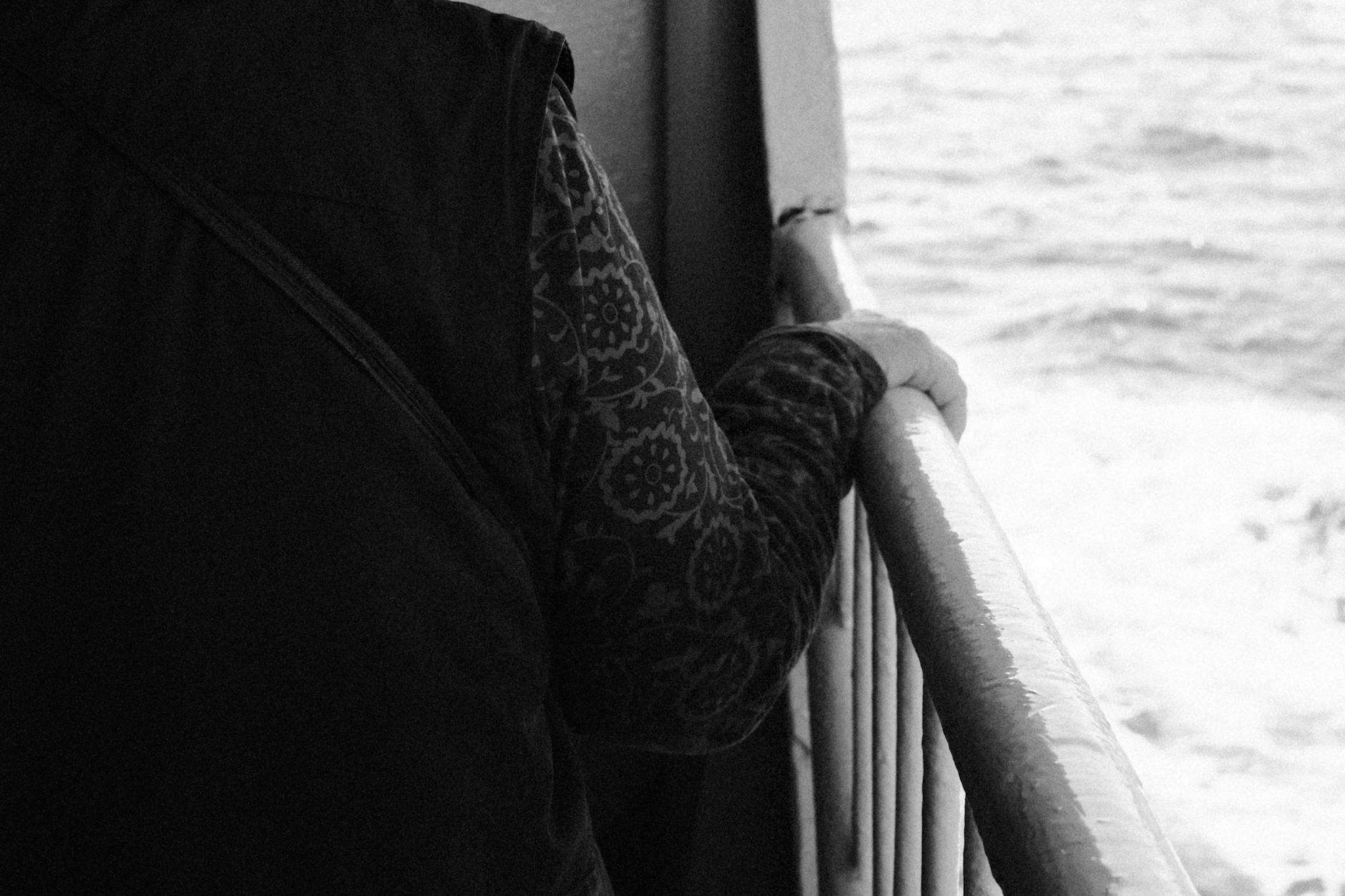
There is a specific type of person who goes on a first cruise with an open mind and returns from it with a quiet but firm negative verdict. They are not complainers. They are not people who expected a different type of vacation and are penalizing the cruise for not being something else. They are people who gave the experience a genuine chance and found, by the end, that it had revealed something they didn’t expect about what they needed from travel.
These people are hard to find in cruise reviews, which are written predominantly by people who book cruises because they expect to enjoy them and generally do. The post-cruise forum discussions and travel community threads where the mismatched experience gets articulated tend to be candid in ways that formal review platforms aren’t.
The reasons people give for not returning are almost never the obvious problems — the food was bad, the ship was dirty, the service was poor. They’re almost always structural: something about the fundamental format of the cruise experience that doesn’t work for a specific type of person.
The Captive Audience Problem
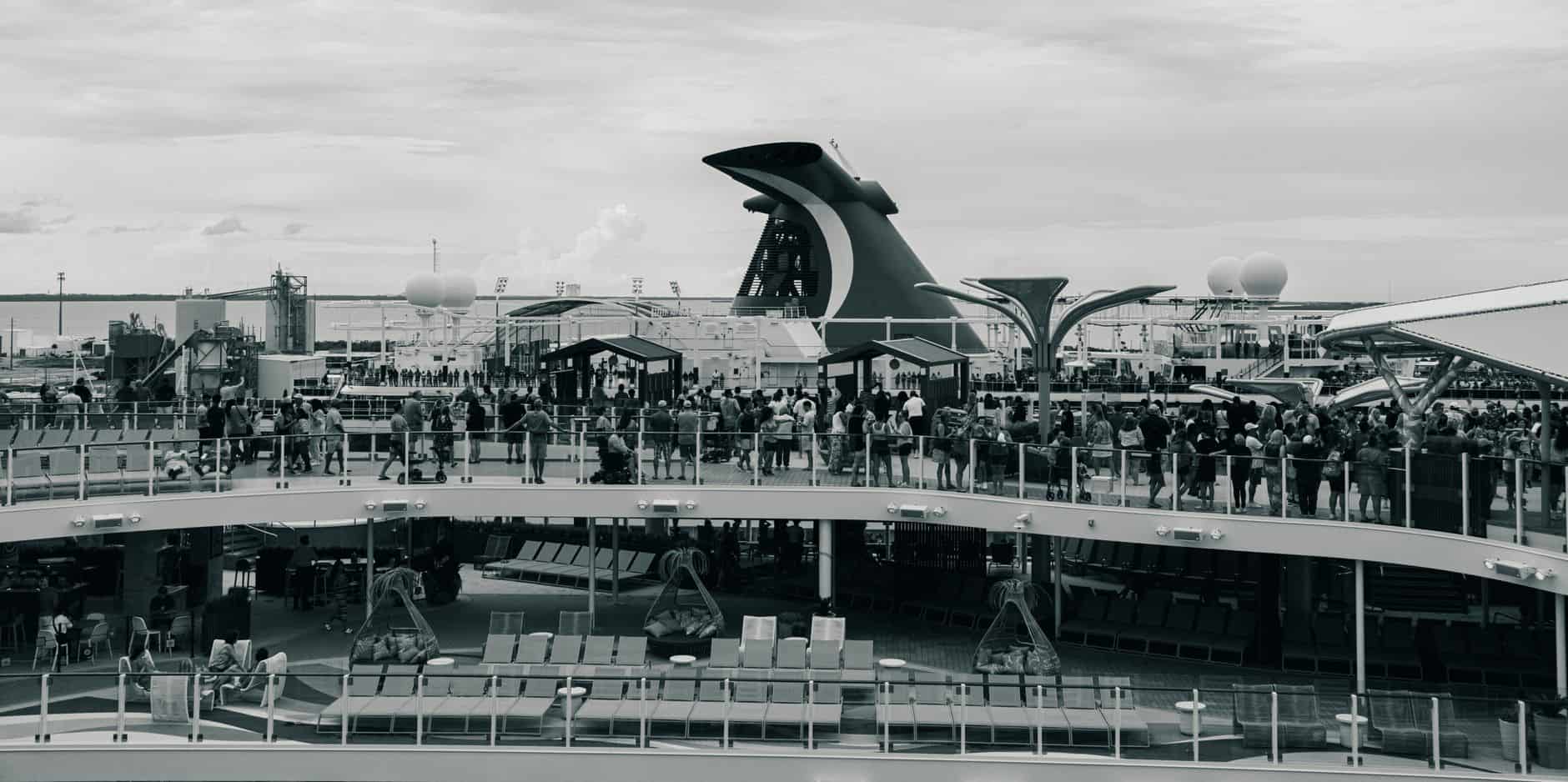
The most common objection from people who disliked cruising is the one that is hardest to solve because it’s inherent to the format: you are in an enclosed space, with the same 3,000 to 7,000 people, for a week, and you cannot leave.
This feels obvious when stated but is apparently genuinely underestimated in advance. The cruise ship is not a hotel you return to from independent exploration. It is the totality of your environment. The people around you at dinner are the same people around you at the pool, at the bar, at the buffet the next morning, at the next port, every day for the duration of the trip.
For people who are either introverted, socially selective, or who travel specifically to escape their normal social environment, the captive audience structure is not a feature — it is the defining problem. There is no solitude available on a large cruise ship that isn’t actively constructed through deliberate avoidance of public spaces. The ship is relentlessly social in a way that doesn’t relent.
The entertainment programming amplifies this. The cruise experience is designed with scheduled activities at all times — because idle passengers don’t spend money and feel dissatisfied in a way that reduces rebooking rates. Every hour of the day has something structured available, and the architecture of the ship (the placement of dining options, the layout of public spaces) herds people toward participation. This is enjoyable if you want to be herded. It is exhausting if you don’t.
What the Shore Excursion Experience Actually Looks Like

Cruise marketing sells the destinations. The actual experience of port days, for a significant portion of passengers, is a source of specific disappointment that the marketing doesn’t prepare you for.
The logistics of getting 4,000 passengers off a ship and into a small port town create a predictable outcome: the town is overwhelmed with cruise passengers, all within the same few hours, all directed toward the same cluster of attractions, shops, and restaurants that have evolved to serve cruise traffic specifically. The result is an experience of the destination that is more similar to a theme park version of it than to what the destination actually is.
The town of Dubrovnik, which is now one of the most visited cruise ports in the Mediterranean, has residents who have documented what happens to their city on days when three or four large ships are in port simultaneously: the entire pedestrian area becomes nearly impassable, the restaurants that serve locals become inaccessible due to demand, and the city experiences something close to temporary infrastructure collapse.
Passengers who are looking for authentic destination experiences — who wanted to feel the texture of Croatia or Alaska or the Caribbean, not a processed version of it designed for transit visitors — often find the port day experience hollow in a way that compounds over the course of the trip. You’ve visited five places and genuinely experienced none of them.
The shore excursion add-on is partly designed to solve this. But the organized excursion, sold through the cruise line, has the same structural problem as the port day itself: it is designed for groups, optimized for logistics, and calibrated to fit within the departure window. The tour that costs $150 per person takes you to the scenic viewpoint where all the other tours are also stopped, keeps you there for 12 minutes, and returns you to the ship 45 minutes before departure.
The Social Dynamics Nobody Warned Them About
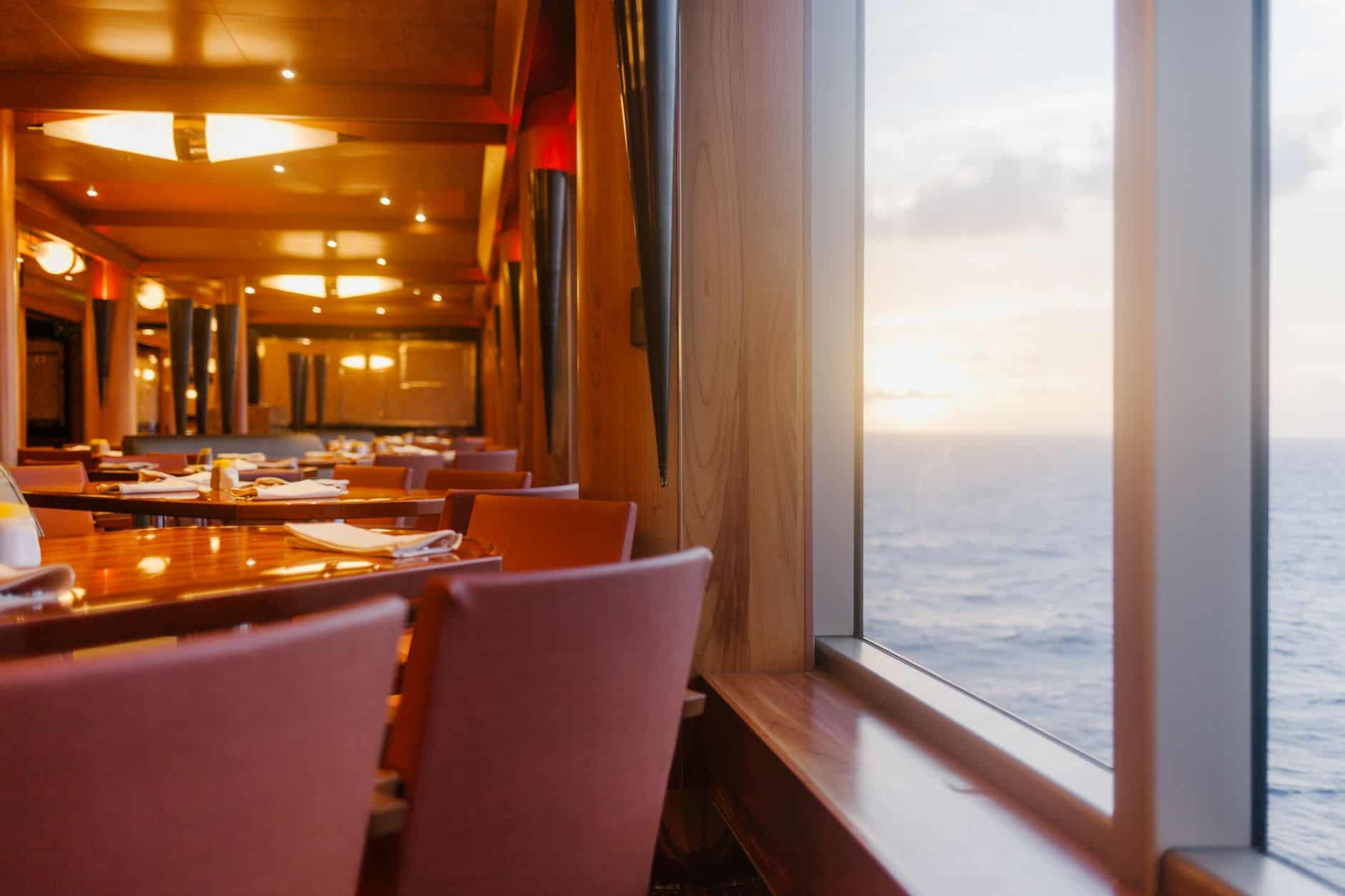
The social experience on a large cruise ship is specific in ways that people who disliked cruising consistently describe as a key factor.
The assigned dining situation — most cruise lines still assign passengers to a specific dining room table for the duration of the voyage — means that the random strangers you happened to be seated with on the first night become your mandatory dinner companions for seven nights. Some of these pairings are wonderful. Some produce a slow, polite dread that descends around day three.
The freedom to opt out is theoretical. On a small ship or an independent trip, avoiding someone who has irritated you is straightforward. On a cruise, the same 3,000 people are in the same spaces, and the ship’s social life creates enough overlap that avoidance requires genuine effort. Passengers who had a bad table assignment describe a specific misery that accumulates nightly and constitutes a significant portion of their overall negative experience.
The demographics of the ship also matter more than many first-time cruisers anticipated. Large Caribbean cruises tend to attract different passenger profiles than Mediterranean or Alaska cruises, and the social environment aboard reflects those profiles. The passenger who books a Caribbean party cruise expecting a contemplative cultural experience, or who books a family-heavy summer Alaska cruise expecting an adult-oriented atmosphere, is going to have a specific kind of mismatch.
The Food Reality Versus the Expectation
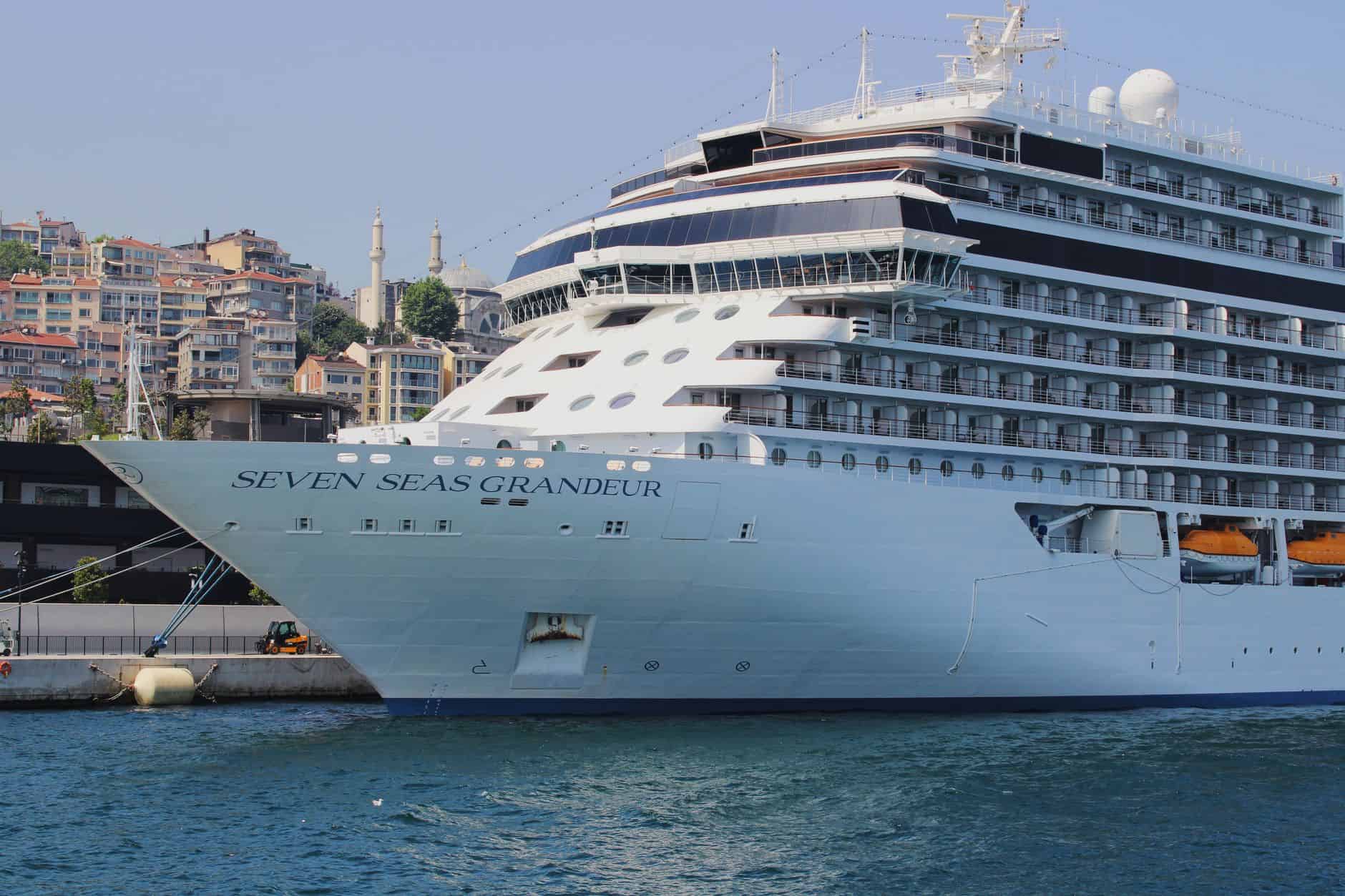
Cruise food is one of the most marketed aspects of the experience — the multiple specialty restaurants, the 24-hour room service, the elaborate buffets. And by volume and variety, it often delivers on the promise. The quality is where the accounts diverge.
Food-focused travelers who cruise for the first time frequently describe a specific disappointment: the food is abundant, it is good enough, and it is entirely calibrated for mass production at scale. The steak is the steak. The lobster night is the lobster night. The buffet has everything and everything tastes approximately the same — like food that has been prepared to feed four thousand people simultaneously, because it has.
Specialty restaurants on most major cruise lines are a genuine improvement. They cost extra, they are smaller, and the quality reflects the smaller scale. But even these are operating within the constraints of provisioning a ship at sea, with ingredients loaded at port two weeks ago, in kitchens that are running hundreds of covers per service.
Passengers who prioritize food as a primary pleasure of travel — who choose destinations partly for their culinary character, who find the experience of eating in a specific city an irreplaceable part of being in that city — tend to find the cruise food experience hollow in the same way the port days are hollow. The food is decontextualized from place in a way that removes the part they valued.
What Introverts Encounter

The introvert on a large cruise ship is navigating an environment that was not designed with them in mind and cannot be made to work for them without constant active effort.
The ship’s physical layout, activity programming, dining system, and entertainment infrastructure all assume that passengers want to be together. The default is social. Opting out requires saying no repeatedly — to the entertainment director in the lobby, to the poolside activity announcer, to the dining companions who want to know why you’re eating alone, to the crew members trained to be relentlessly engaging.
This is not a problem of rudeness on anyone’s part. It is a mismatch between the designed experience and the psychological needs of a specific type of person. The introvert who needs genuine solitude to restore after social interactions will find that solitude is structurally scarce on a large cruise ship in ways that become exhausting by day four.
Small ships — expedition cruises, river cruises, small sailing vessels — function very differently on this dimension. The smaller passenger count reduces the social overwhelm, the format tends to be more activity-optional, and the demographic tends toward passengers who are there for the destination rather than the ship. Introverts who have tried both formats consistently prefer the smaller vessel experience.
The Environmental Awareness That Ruins It
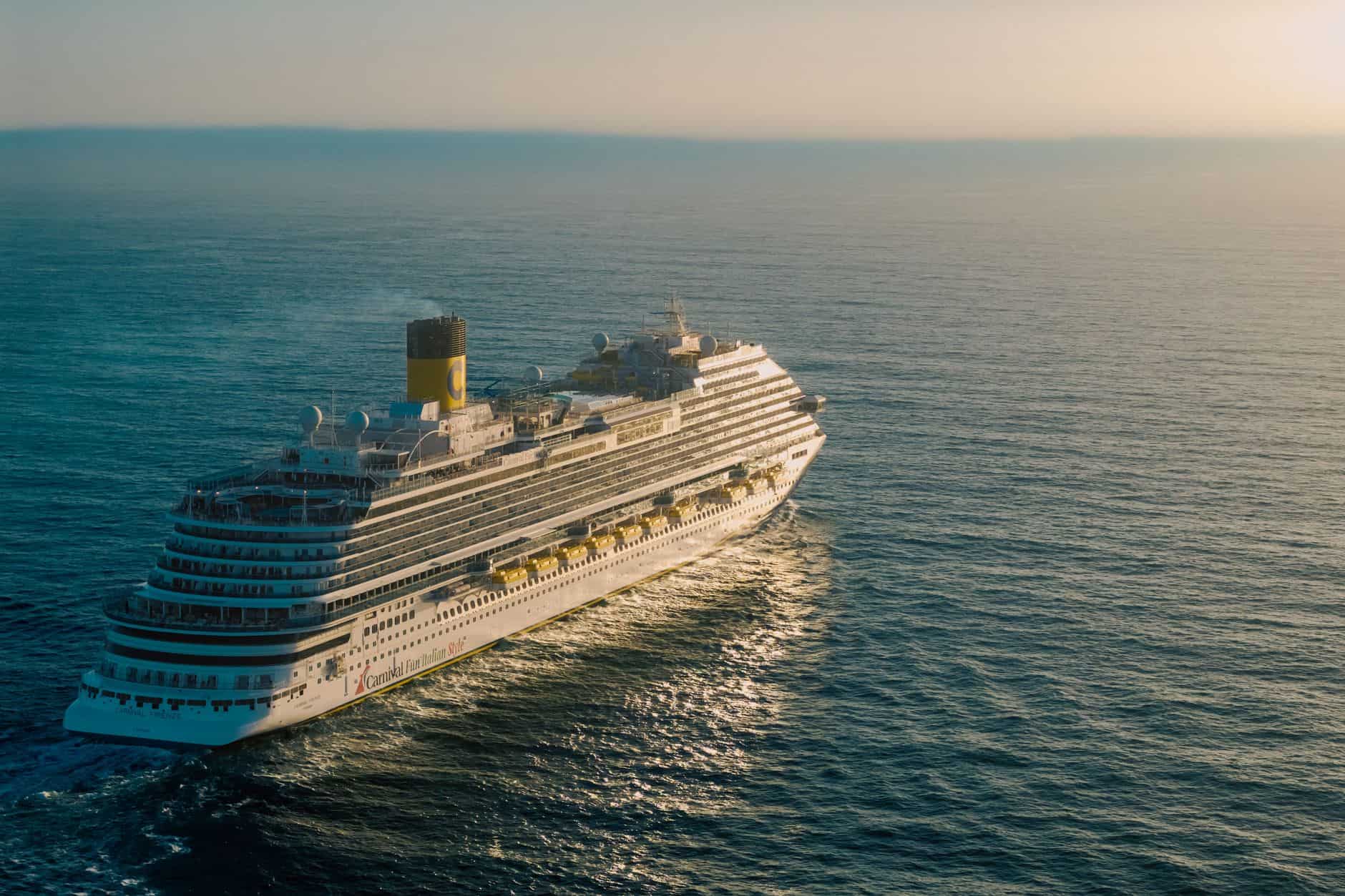
This is a newer but increasingly common reason that a specific segment of travelers gives for not returning to cruising. The environmental profile of large cruise ships — the fuel consumption, the air pollution in port cities, the waste management practices, the damage to reef systems from anchoring — has become widely enough known that environmentally conscious travelers find the information intrusive in a way they didn’t expect.
You can know intellectually, before the trip, that cruise ships have a significant environmental footprint. You can know it and still decide to go, reasoning that the trip is booked and one person’s decision changes nothing at scale. But being on the ship and watching it in operation — the diesel exhaust visible on embarkation days, the volume of waste generated, the experience of arriving in a small port town that is visibly struggling with the volume of cruise traffic — can make the abstract knowledge concrete in a way that changes how the experience feels.
Passengers who describe this as a factor are generally not the loudest critics of cruise culture. They’re people who found, on the ship, that they couldn’t turn off the awareness in the way they’d expected to. It interfered with the enjoyment in a specific and unresolvable way.
The Specific Personality Types Who Never Come Back

The consistent profile that emerges from accounts of first-and-last cruisers: people who travel for autonomy, people who travel for genuine cultural immersion, introverts, people with strong food preferences, and people for whom travel is primarily about the destination rather than the vehicle.
None of these is a character flaw and none of them is a reason to avoid cruising — they’re just mismatches with what cruising structurally offers. The cruise is an extraordinarily optimized product for people who want a certain kind of experience: comfortable, social, logistically effortless, with a degree of novelty built into the itinerary that doesn’t require the traveler to plan anything. For people who want that, it delivers. For people who want something different — who value the rough edges of independent travel, the authentic contact with places, the solitude of their own itinerary — it delivers something else entirely.