Six Months Into RV Life, Here’s What Nobody on Instagram Warned Us About
We may earn money or products from the companies mentioned in this post. This means if you click on the link and purchase the item, I will receive a small commission at no extra cost to you ... you're just helping re-supply our family's travel fund.
This article contains affiliate links. If you purchase through our links, we may earn a commission at no extra cost to you.
The algorithm serves it up constantly: a gleaming white RV parked at the edge of a canyon, a couple with matching mugs watching the sunrise, a dog lounging in the doorway. The caption says something like “day 47 of living our best life” and it gets 80,000 likes.
What it doesn’t show is the sewage hose situation at 6 a.m., the $1,400 repair bill in Albuquerque, or the quiet, persistent loneliness that sets in around month three.
Thousands of Americans are selling their apartments, buying a rig, and hitting the road every year. A meaningful number of them make it six months before they start quietly researching apartments again. This is what that experience actually looks like.
The First Month Feels Like a Vacation — Then Reality Arrives
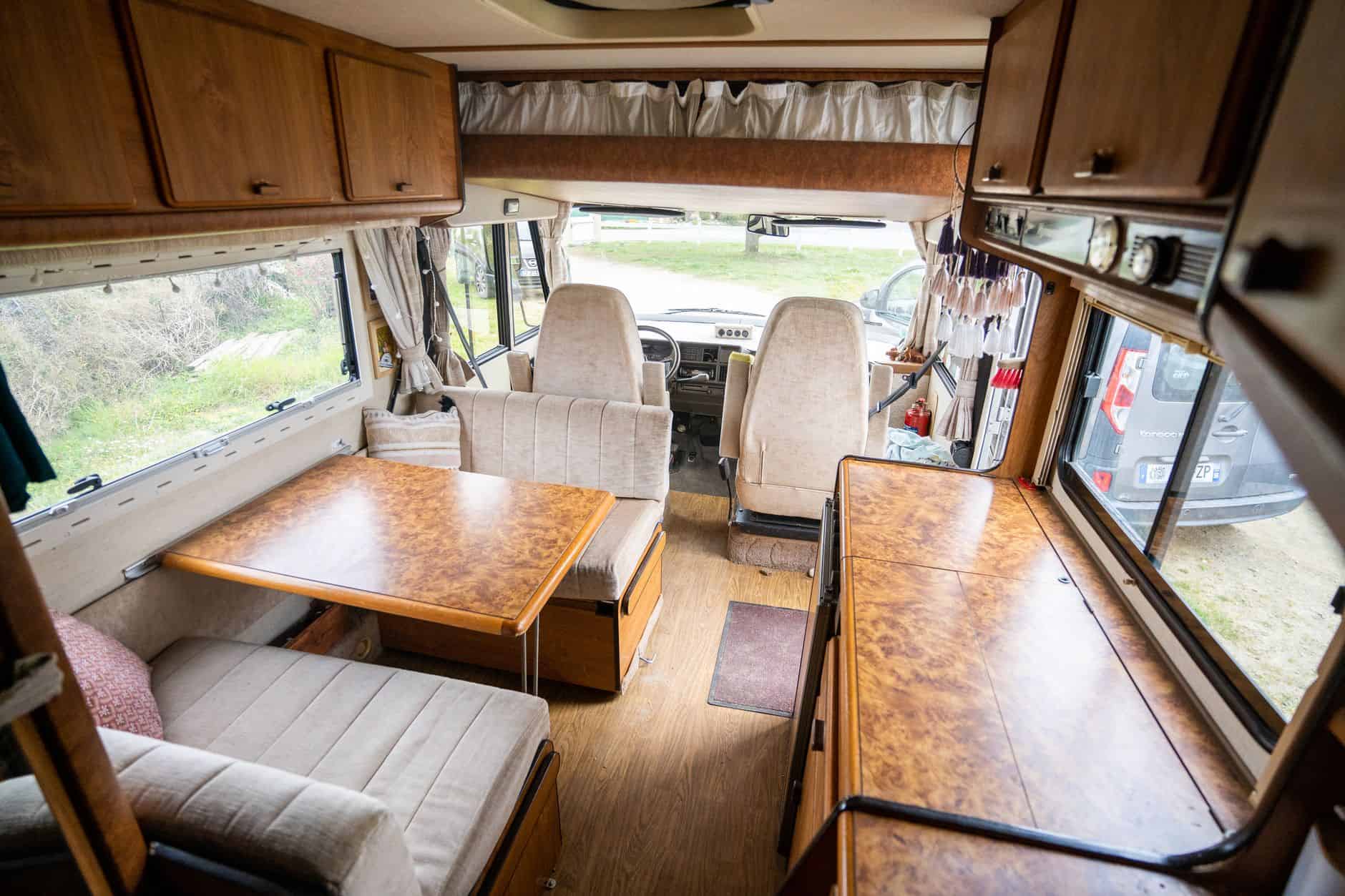
Almost everyone who goes full-time in an RV reports the same thing about the first four to six weeks: it’s genuinely wonderful. You’re moving constantly, every campsite is new, and the novelty hasn’t worn off. You post the photos. You get the likes. You feel like you made the right call.
Somewhere between weeks six and ten, something shifts. The newness wears off, and you start noticing the texture of the life you’re actually living rather than the one you imagined. The bed is smaller than you thought. The kitchen is harder to cook in. The WiFi at campgrounds is almost universally terrible, which is a real problem if you’re trying to work remotely.
Many full-timers describe this period as “the valley” — a stretch of weeks where doubt creeps in and the Instagram version of the life feels very far away. The people who make it through this valley tend to come out the other side genuinely committed. The ones who don’t often leave quietly, without ever posting about it.
The Maintenance Nobody Talks About
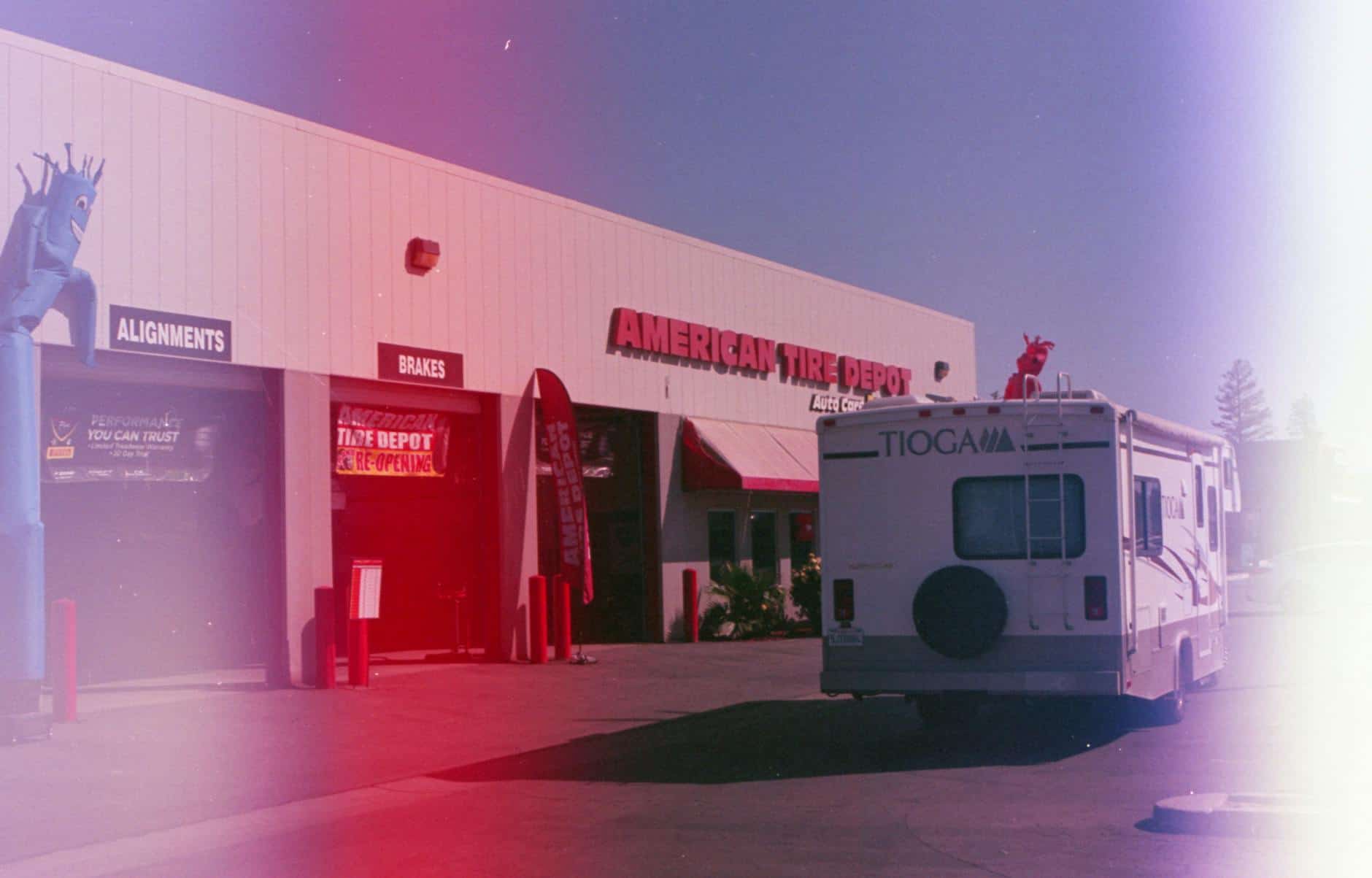
RVs are simultaneously a vehicle and a house. That means they break down like a vehicle and develop problems like a house — often at the same time.
The water heater will fail. The slide-out mechanism will jam. The tires will need replacing sooner than you expect, and RV tires are not cheap. The electrical system will do something mysterious. The roof will develop a slow leak that you won’t notice until you see a water stain on the ceiling.
Experienced full-timers budget between $150 and $300 per month specifically for maintenance and unexpected repairs — and they say that’s on a good year. In the full-timers’ forums, repair bills of $2,000 to $5,000 in a single calendar year are not unusual. They’re not disasters; they’re just part of the math.
The harder issue is location. If something breaks in a major city, you can find an RV repair shop relatively easily. If something breaks in rural Montana in October, you might be waiting a week for a part, living in a parking lot, unable to move. That scenario happens more often than the Instagram posts suggest.
What Happens to Your Social Life
This is the piece that catches most people off guard. Full-time RV life is, for many people, profoundly isolating — not because they’re physically alone, but because their entire social structure back home was built on proximity.
You see your friends when you pass through their city, which sounds romantic until you realize how infrequently you’re actually in those cities, and how quickly a two-day visit reminds everyone that you’ve drifted. The people you meet at campgrounds are wonderful but often gone in a few days. RV community forums and apps like Campendium help, but they don’t replace the kind of friendship built over years of shared geography.
Solo RVers and couples report very different experiences here. Couples have a built-in companion; the isolation is more manageable. Solo travelers tend to hit the social wall harder, often around month two or three, and the ones who thrive are typically the ones who’ve built intentional habits around community — attending RV rallies, joining convoys, spending extended time in one location.
The Finances Are More Complicated Than You Think

The pitch for RV life often includes a financial argument: sell your apartment, eliminate rent, and watch your expenses drop. The reality is messier.
Campground fees have risen sharply. A decent campsite with hookups in a popular area now routinely runs $50 to $85 per night. National forest dispersed camping is free, but you can only stay 14 days in one spot and it requires a certain kind of rig and mindset. If you’re traveling and moving frequently — which is how most people start out — your fuel costs alone can be staggering. A Class A motorhome getting 8 miles per gallon, driven 2,000 miles in a month, burns through more than $700 in fuel at average diesel prices.
Add maintenance, campground fees, insurance (which is higher for full-timers), food costs that tend to rise when you can’t bulk shop and store, and the occasional hotel when something breaks or you just need a real shower — and many full-timers report spending more than they did in their apartment, at least in the first year.
The financial sweet spot tends to come for people who slow down, spend extended periods in lower-cost areas, cook most of their own food, and become skilled at finding free or cheap camping. That’s a different lifestyle than the one most people imagined when they first bought the rig.
What Full-Timers Actually Miss About Having a House

Ask someone who’s been on the road for six months what they miss about having a stationary home, and the answers are remarkably consistent.
They miss their own kitchen. Not a small galley with two burners and a miniature oven — a real kitchen with counter space and a full refrigerator. They miss having people over. They miss their stuff: the books they didn’t bring, the guitar they sold, the couch that actually fit their body. They miss having a guest room, which is its own form of social connection — the ability to say “come stay with me” and mean it.
Some miss mundane things: a bathtub, a full-size washer and dryer, a garage to putter around in. The RV lifestyle optimizes for mobility and experience; it optimizes against comfort, accumulation, and the quiet domestic rituals that many people don’t realize they valued until they gave them up.
The Relationships That Survive RV Life and the Ones That Don’t

Putting two people in roughly 200 to 300 square feet of living space, in constant motion, with intermittent stress and decision fatigue, is an extremely effective test of a relationship. People who do this report that it accelerates everything — the good and the bad.
Couples who already communicate well tend to come out closer. The shared experience, the problem-solving, the “us against the broken water pump” dynamic creates genuine intimacy. These are the people writing the happy six-month anniversary posts.
Couples who had unresolved tension or incompatible styles of managing stress often find that RV life amplifies those problems rapidly. There’s nowhere to escape to when you’re living in the same 250 square feet. Arguments that might have dissipated over a long day at separate jobs instead stay compressed in the shared space.
A quiet subset of couples who go full-time together don’t make it to their one-year anniversary on the road. Most of them don’t post about that part.
What Six Months Actually Teaches You
Despite all of this, the people who reach six months — even the ones who ultimately go back to a stationary life — almost universally say something changed in them that hasn’t changed back.
They stopped needing as much stuff. They got better at tolerating uncertainty. They found out what they actually liked doing on their own time, stripped of the usual distractions. Many of them got good at being present in a way that’s genuinely hard to cultivate when you’re living in the same neighborhood for years.
The RV life, at its best, is a crash course in knowing yourself. The version that Instagram sells — the sunsets, the freedom, the aesthetic — is real, but it’s maybe 15 percent of the experience. The other 85 percent is harder and stranger and more educational than the pictures suggest.
Who Should Actually Do This — And Who Absolutely Shouldn’t
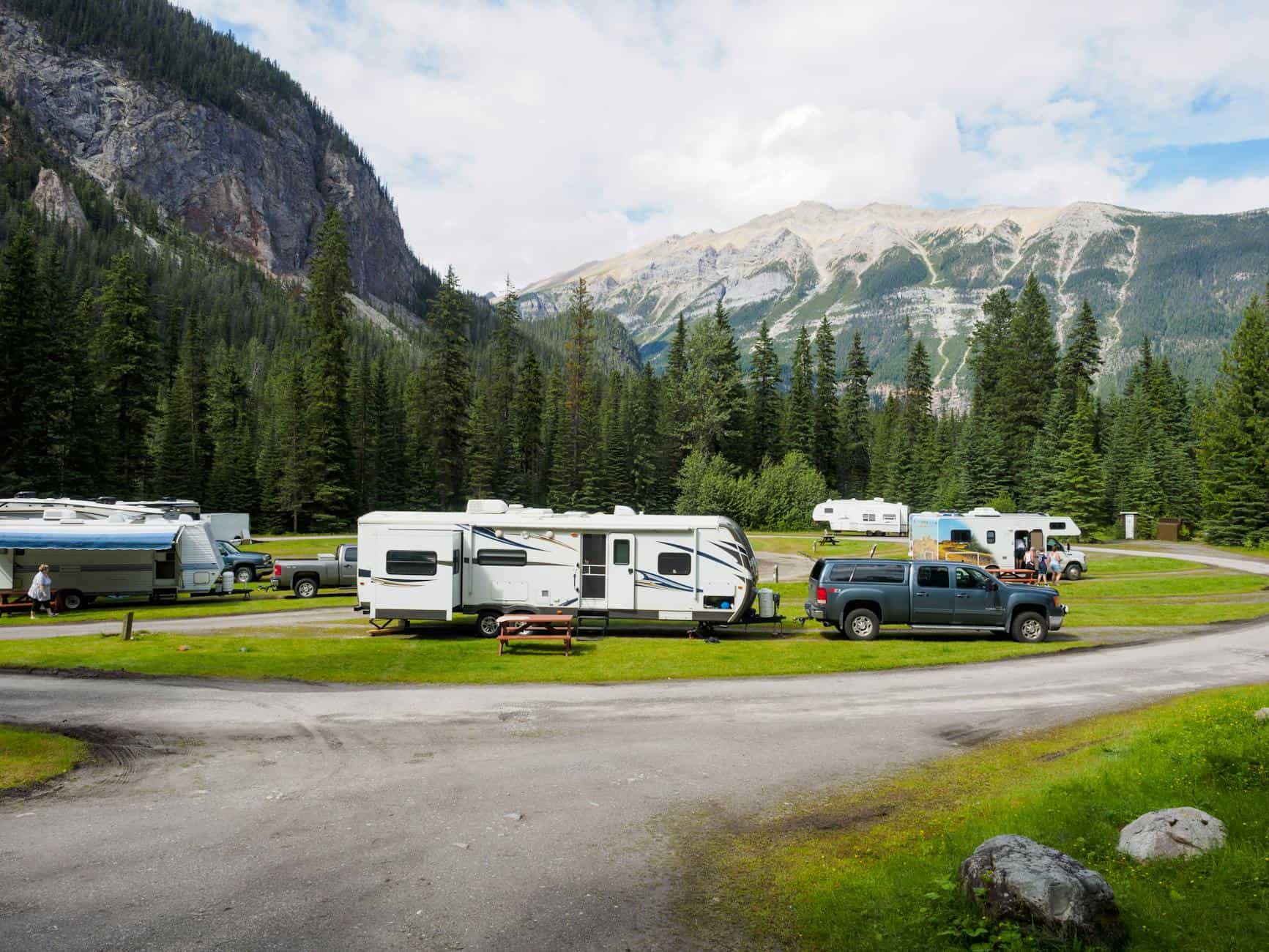
If you’re highly adaptable, genuinely comfortable with uncertainty and discomfort, have some mechanical aptitude or the willingness to learn it quickly, and have either a remote job with reliable income or significant savings, full-time RV life can be extraordinary. People for whom it works tend to be honest about this.
If you’re hoping the road will fix something — a relationship, a career dissatisfaction, a general restlessness that you can’t quite name — it probably won’t. The road tends to amplify what you bring to it. Problems don’t disappear; they follow you, just in a smaller space.
The most successful full-timers share one trait more than any other: they went in with realistic expectations. They knew the sewage hose was part of the deal. They knew some weeks would be hard. And they decided that the whole package — the difficult parts and the transcendent parts — was worth it anyway.
That’s a very different decision than buying a rig because you liked someone’s Instagram feed.