What Travel Does to Friendships — The Trips That Bring People Closer and the Ones That End Things
We may earn money or products from the companies mentioned in this post. This means if you click on the link and purchase the item, I will receive a small commission at no extra cost to you ... you're just helping re-supply our family's travel fund.
This article contains affiliate links. If you purchase through our links, we may earn a commission at no extra cost to you.
Sarah and her best friend of twelve years stopped speaking after a trip to Spain. The trip was supposed to be a celebration — a milestone birthday, a country they’d both wanted to see, two weeks they’d been planning for nearly a year.
By day five, they were eating at separate restaurants. By day eight, they were barely talking. By the time they landed back in the US, something had broken that neither of them had words for yet. They tried to patch it after. It didn’t work.
This story is so common that there are entire corners of the internet dedicated to it. People share their versions with a kind of rueful amazement: how could a trip, of all things, be the thing that ended this? The answer, most of the time, is that the trip didn’t end it. The trip just made visible something that had always been true.
The Friendship That Only Works in Normal Conditions

Most friendships are built in conditions of minimal friction. You see your friend for dinner, for a few hours, in an environment where both of you have your own space, your own sleep schedule, your own escape valve. You laugh at the same things. You like each other.
Travel removes all of that infrastructure. You are together for hours a day, making constant decisions, sharing space, managing fatigue and stress, and spending money in ways that reveal values differences you never had reason to discover before. You find out whether you travel at the same pace, whether you’re both morning people or one of you isn’t, whether you’re a planner or a wanderer, whether you can tolerate each other’s quirks when there’s no escape from them.
Some friendships turn out to be robustly compatible under these conditions. These are the friendships that come back from travel closer than before, with a depth of shared experience that ordinary life doesn’t produce. But a significant number turn out to be built entirely on normal-condition compatibility — and those friendships run into trouble fast.
What Gets Exposed When You Travel Together

The incompatibilities that surface most reliably on travel tend to cluster around a few categories.
Schedule and pace: One person wants to wake up early and see everything; one person needs to sleep until 9 and doesn’t understand why you’d rush. One person plans the day in advance with spreadsheet-level detail; one person finds that deeply anxiety-inducing and prefers to wander. These differences exist in ordinary friendships but are invisible when you’re only together for dinner.
Decision-making style: Travel requires constant collective decisions — where to eat, what to see, how long to stay, whether to take the taxi or walk. Friends who make decisions very differently (one decisive, one deeply ambivalent; one research-heavy, one spontaneous) can exhaust each other quickly when decisions are non-stop.
Stress response: Missed trains, wrong hotels, bad weather, illness, getting lost — travel guarantees some version of these. How someone responds to stress when there’s no comfortable home to return to reveals character in ways that are very hard to fake or suppress. Some people become calm and problem-solving; others become anxious and irritable. Some people spiral; others don’t. You find out which kind your friend is.
Social stamina: Introverts and extroverts can be excellent friends in ordinary life. On travel, if one person wants to explore the nightlife every evening and the other needs three hours of alone time to recharge, the conflict becomes structural rather than occasional.
The Specific Things That Break Friend Groups on the Road
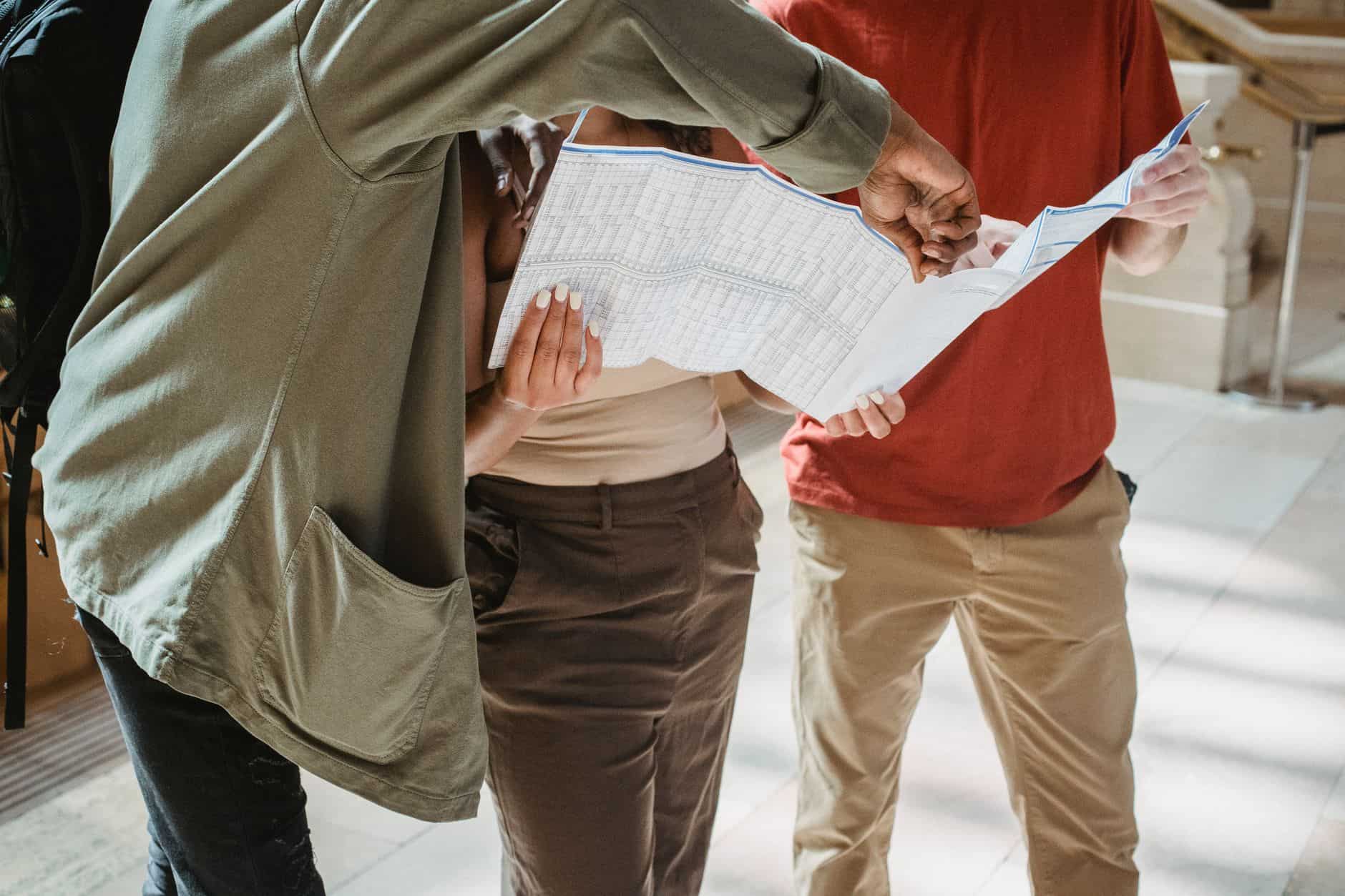
When the travel group is three or more people, the dynamics get more complicated. Groups have an optimistic planning phase — everyone is excited, everyone agrees — and then a reality phase that arrives somewhere around day two or three.
In groups, the most common fracture point is unspoken expectations about togetherness. Some people assumed the group would do everything together; others assumed you’d split up based on interest and reconvene for dinners. When these expectations collide and nobody explicitly named them beforehand, the result is a negotiation that’s stressful for everyone.
The group-within-the-group dynamic also surfaces quickly. On a trip with six people, you’ll usually see two or three natural pairings or clusters form by day three. This is normal and healthy, but it can feel exclusionary to the person who ends up on the outside of a comfortable subgroup.
Decision paralysis is another common problem in larger groups. “Where do you want to eat?” becomes a twenty-minute negotiation that pleases nobody and exhausts everyone. The people who manage group trips most successfully are the ones who’ve learned to make confident decisions on behalf of the group, accept that not everyone will be thrilled, and not apologize for moving things forward.
Why Money Is the Most Reliable Wedge
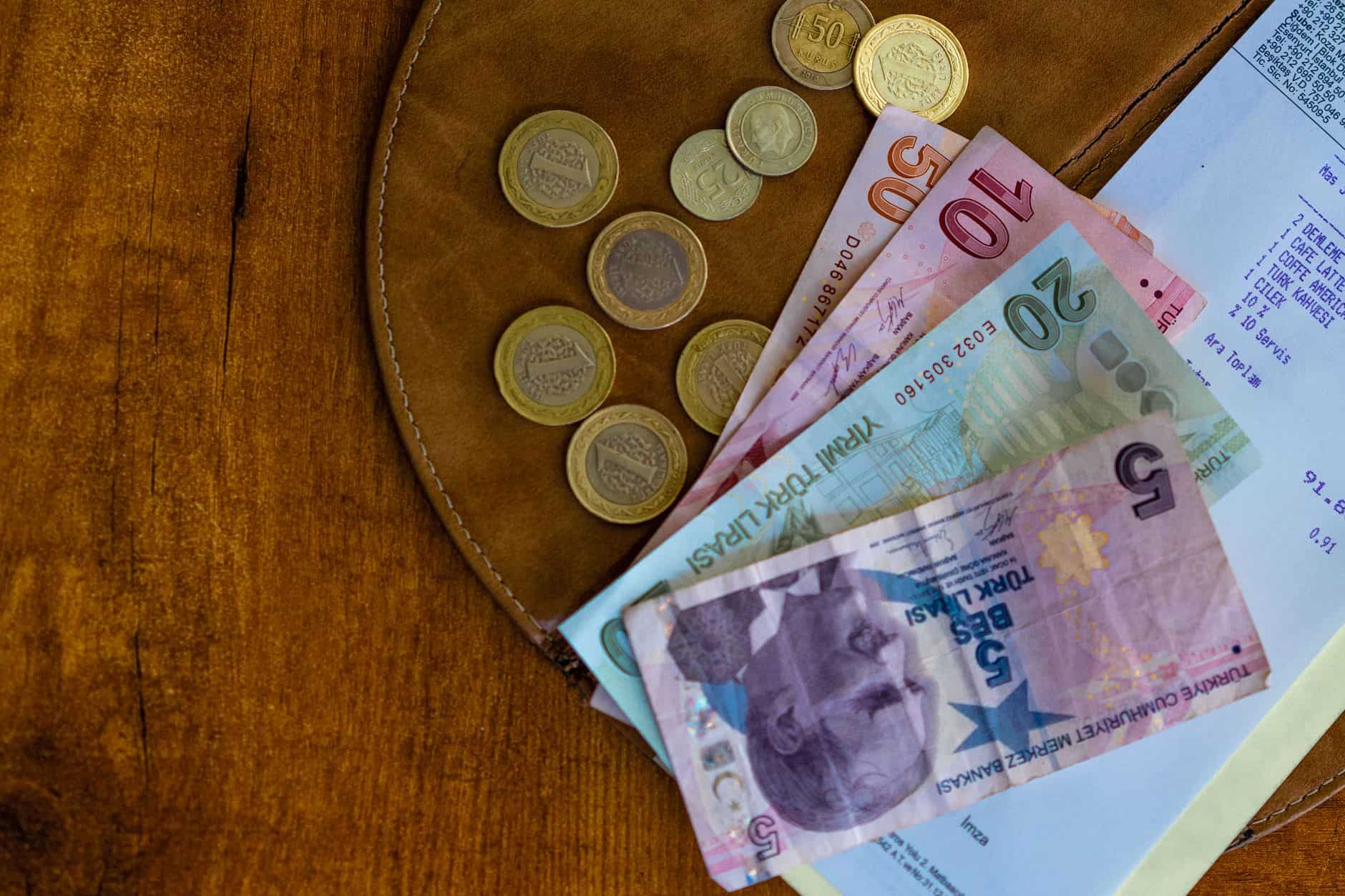
Differences in travel budget are the single most reliable predictor of trip-related friendship strain. And the problem isn’t simply that one person has less money — it’s that money is so socially fraught that the differences are almost never talked about directly.
The person with more money doesn’t want to seem like they’re flaunting it. The person with less money doesn’t want to seem like they’re a drag on the group or unable to keep up. So both of them perform a kind of willful fiction — agreeing to things they haven’t fully agreed to — and the tension accumulates under the surface.
The point of detonation often isn’t the expense that matters most but the one that finally feels like too much. The friend who’s been quietly stretching her budget for five days suddenly snaps when someone suggests a $200 dinner. The flash of anger seems disproportionate; the context explains it completely.
The Trip That Made a Friendship for Life
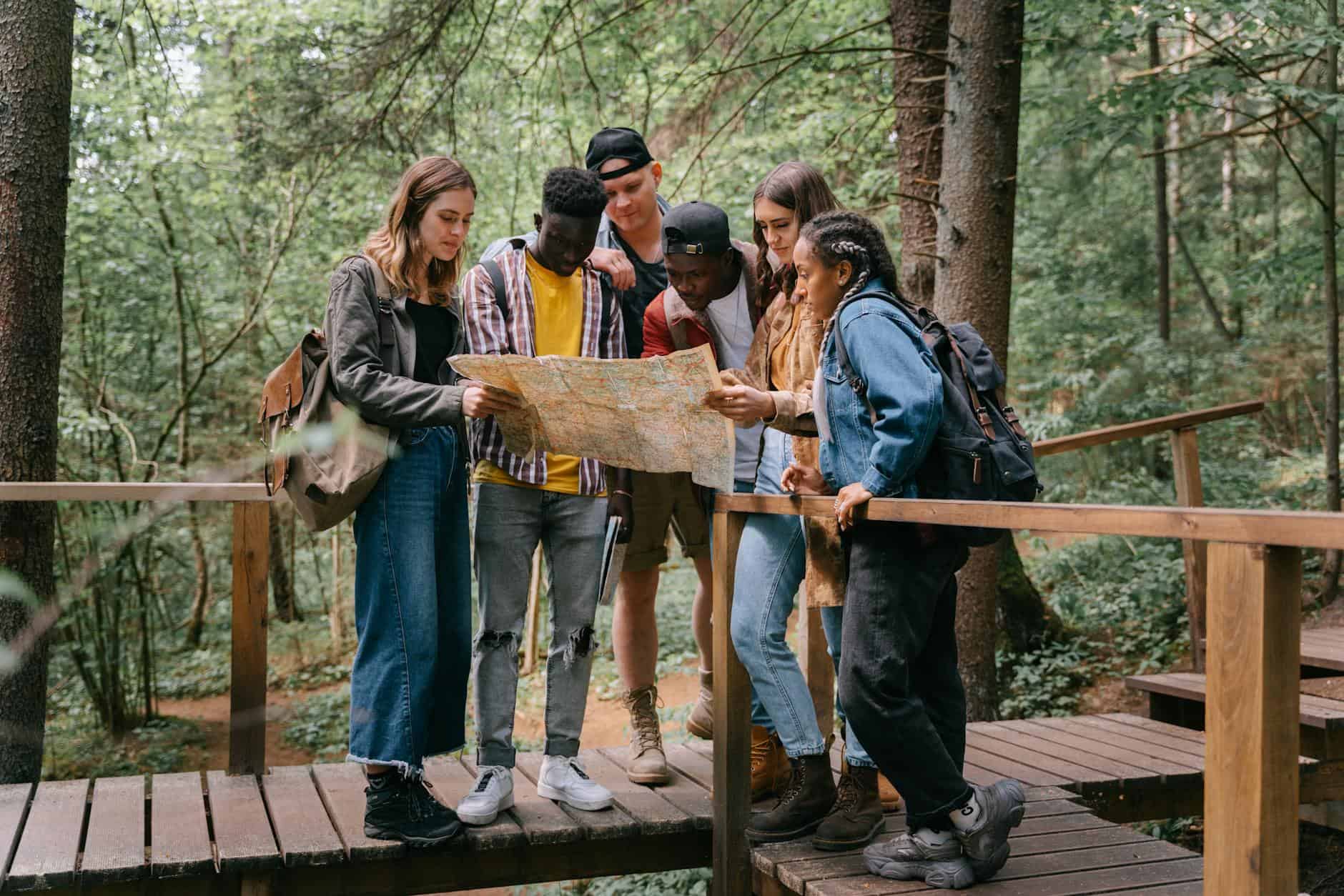
All of this said, travel is also the mechanism behind some of the most powerful friendship bonds that people report. The “we went through something together” dynamic is real and significant — there’s genuine psychological intimacy in navigating a shared challenge with someone.
Trips that produce lasting closeness tend to share certain features: something went genuinely wrong, and both people dealt with it with humor and goodwill. There were moments of real vulnerability — someone was sick, someone was scared, someone said something true that wouldn’t have been said in ordinary life. There was enough unscheduled time to actually talk, not just execute a tourist itinerary.
The trips that become friendship-defining stories aren’t usually the ones that went smoothly. They’re the ones where the flight was cancelled and you ended up in an airport for twelve hours and laughed until you cried. Or the rental car broke down in the middle of nowhere and you found out your friend handles adversity with extraordinary calm. The difficulties, when they’re navigated well, become the material of closeness.
When You Come Back Closer Than You Left
Friendships that survive and deepen through travel usually have a few things in common that were present before the trip.
The friends are compatible in values around money or have talked openly about the budget differences before leaving. They’ve either discussed or naturally discovered that their travel styles are compatible. They’ve proven in some prior context — a difficult conversation, a stressful event — that they can handle friction without it becoming corrosive.
And crucially, both people came into the trip with realistic expectations rather than idealized ones. They knew it wouldn’t be perfect. They knew they’d get on each other’s nerves at some point. They decided that this friendship was worth the risk and the imperfection, and they were right.
The Friendship That Didn’t Survive the Trip

For Sarah and her best friend of twelve years, the specific problem was pace. Sarah wanted to move slowly, sit in cafes, linger. Her friend wanted to maximize — museums, landmarks, nightlife. Neither of them had ever had occasion to discover this before because they’d never been forced into the same daily rhythm for two weeks.
But underneath the pace difference was something the trip revealed more clearly: a divergence in what they wanted from life that had been growing quietly for years. The trip didn’t create the distance. It made visible a distance that was already there.
Friendships that don’t survive travel are often mourned in a specific way — with a sense that the trip is what killed it, rather than a recognition that the trip was the diagnosis, not the disease. The consolation is that this is information. Finding out that a friendship had a ceiling is painful, but it’s better than continuing to invest in something that was already quietly over.
How to Travel With Friends Without Risking What You Have
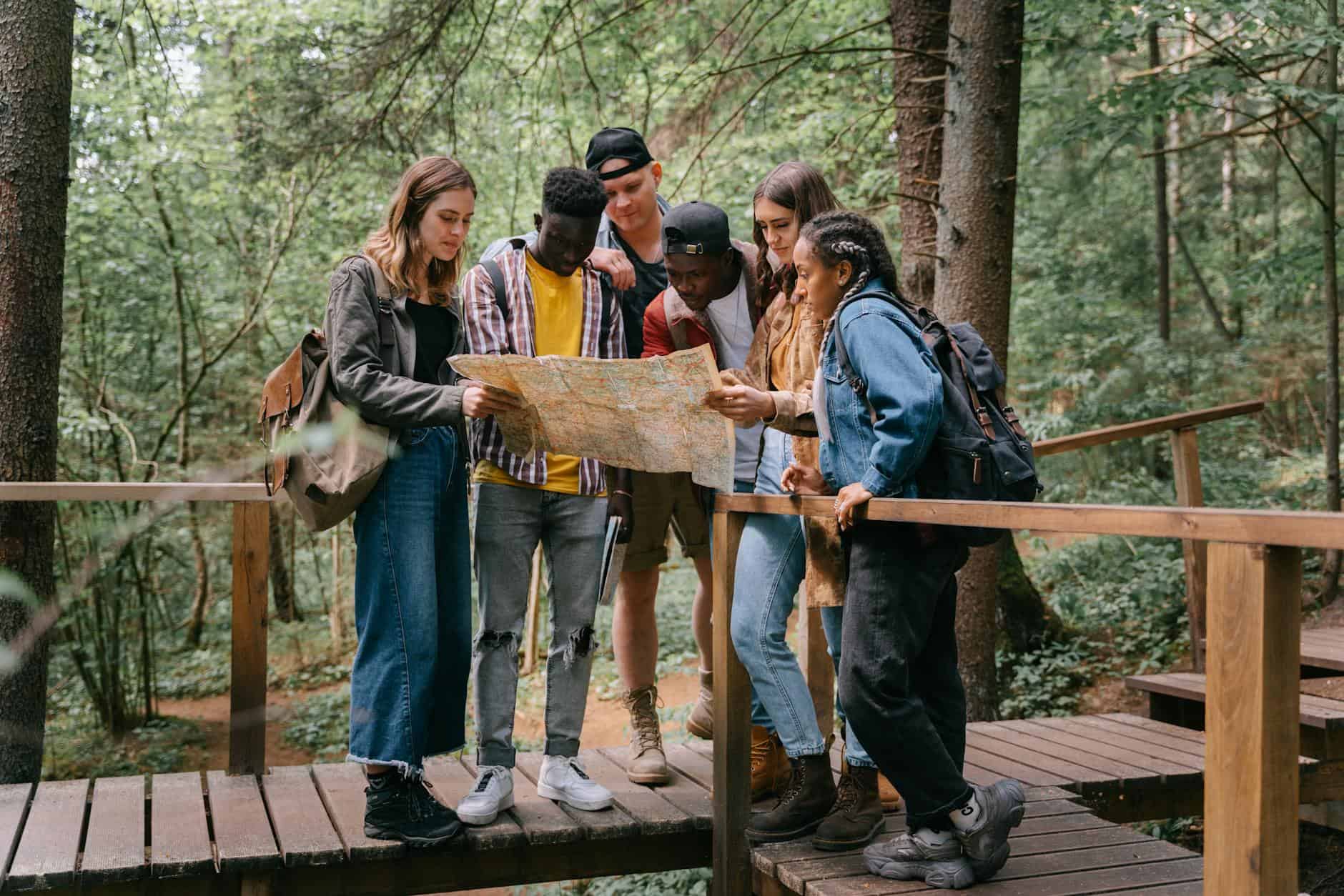
The people who travel with friends successfully over many years have usually learned a few hard-won lessons.
Talk about money before you go — explicitly, with numbers. Establish a shared budget range and make sure both people are honestly comfortable with it, not performing comfort to avoid awkwardness.
Build in alone time. Even friends who are deeply compatible benefit from a few hours a day of independent activity. The relationship is less likely to feel suffocating if each person has room to breathe.
Establish one decision-maker for logistics, or agree on an explicit process for how decisions get made. Open-ended group deliberation exhausts everyone.
And go in with honesty about what you’re walking into. Traveling with someone is genuinely intimate in ways that ordinary friendship is not. The people who handle it best are the ones who walk in clear-eyed about that fact, rather than expecting it to be a seamless extension of a dinner-and-drinks friendship that has always been uncomplicated.