People Who Drove Across America Alone Kept Noticing the Same Things About This Country
We may earn money or products from the companies mentioned in this post. This means if you click on the link and purchase the item, I will receive a small commission at no extra cost to you ... you're just helping re-supply our family's travel fund.
This article contains affiliate links. If you purchase through our links, we may earn a commission at no extra cost to you.
Every year, a steady stream of Americans get in a car alone and drive from one coast to the other, or from Minnesota to Texas, or from Florida to Montana. Some of them are between jobs. Some are processing a loss. Some are 22 and impulsive; some are 55 and deliberate. Some have a loose itinerary; some have nothing but a direction.
What’s striking is how consistent their reports are when they come back. People who have never met, driving different routes in different decades, come home with observations that overlap so significantly that you start to feel less like you’re hearing individual accounts and more like you’re hearing testimony.
Here is what they consistently say.
Why People Drive Across America Alone
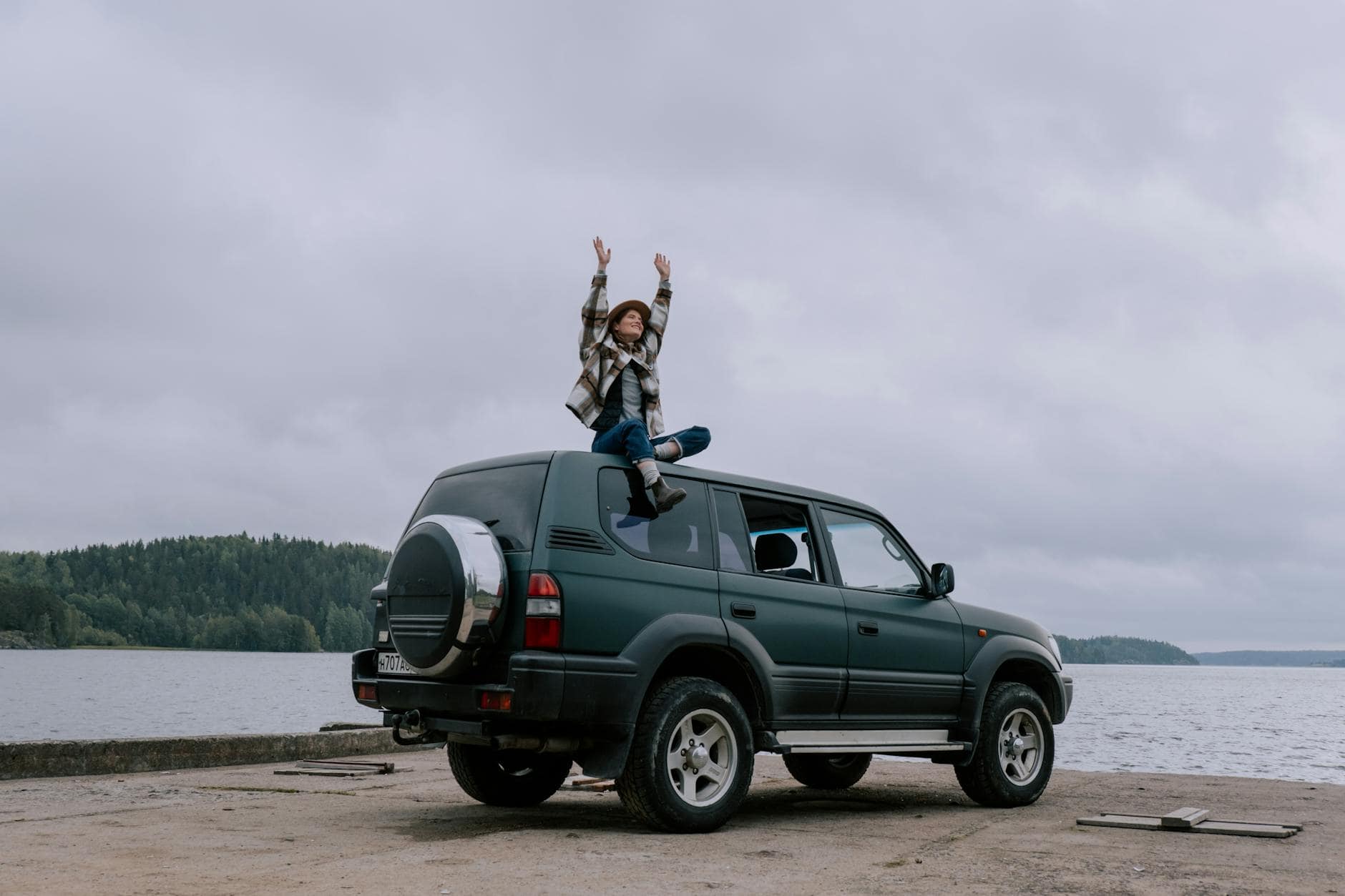
The reasons are as varied as the people, but they cluster around a few themes. Some people are in transition — job loss, divorce, a death, graduation, the end of something that defined them — and driving is a form of motion when life feels stuck. Some are running a deliberate experiment: I live in one kind of place, I’ve been told this country is various, I want to see what I’ve been missing.
Some people just need silence. The kind of silence you can’t find in a city, or in an airport, or in any place where there are other people watching you be quiet. The car, moving through landscape, provides a very specific kind of solitude that’s hard to find elsewhere: you’re alone, but you’re doing something. You’re moving. The movement makes the interior stillness feel purposeful rather than avoidant.
A meaningful number of people who do this trip have lost someone — a parent, a partner, a version of themselves — and the drive is an unspoken act of processing. Being in motion when you’re in grief does something that standing still doesn’t. Several people who’ve written about solo cross-country drives in the years following a loss describe the trip not as escape but as integration — a way of moving the grief through the body by literally moving.
The First Thing Almost Everyone Notices: How Much Space There Is
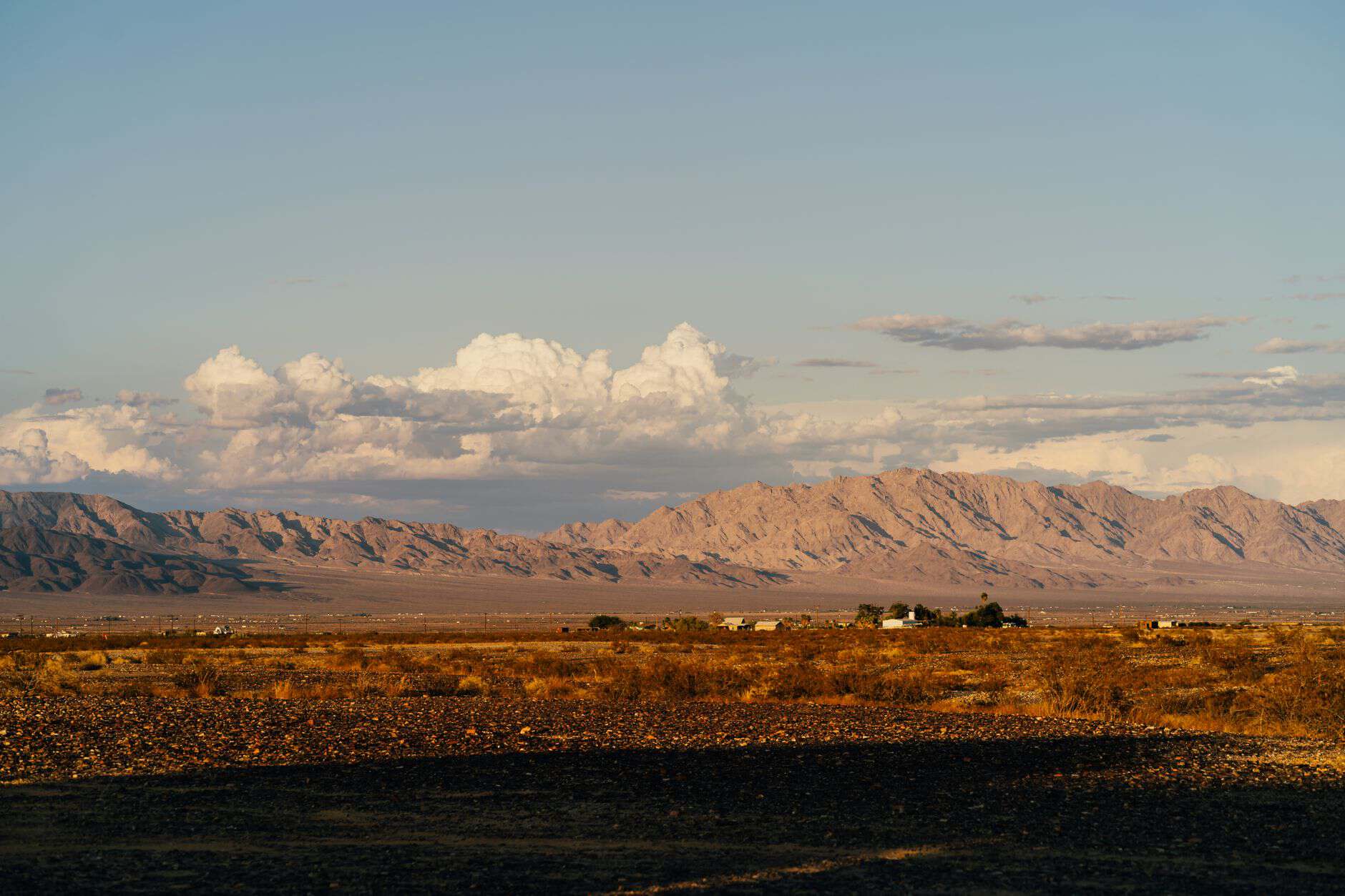
People who’ve lived their whole lives on the coasts or in dense urban centers are almost uniformly struck by the same thing somewhere in the first two days of serious inland driving: how staggeringly large and empty this country is.
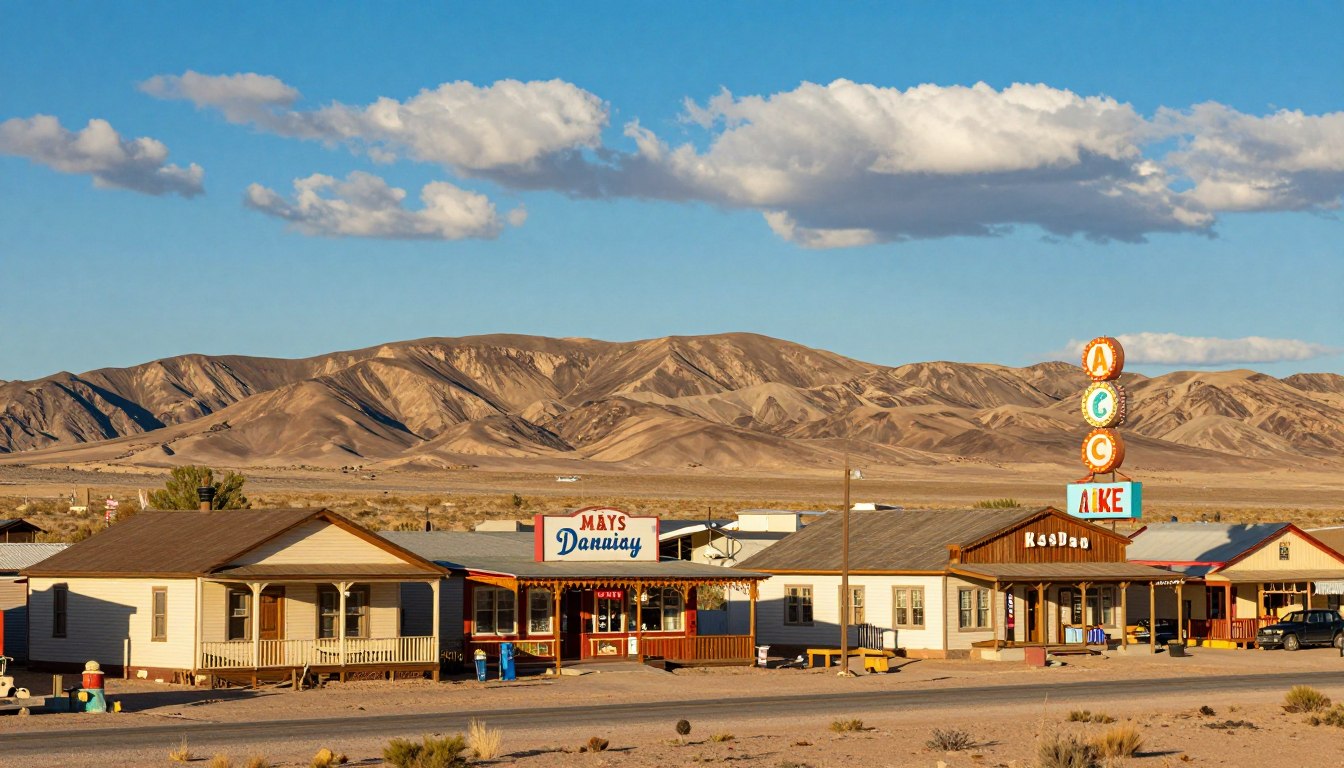
You can drive for 40 miles in rural Kansas and see nothing but wheat and sky. You cross Wyoming and pass through towns of 800 people separated by 90 miles of high desert. Nevada has stretches where the road is so straight and so empty that you can see your destination for 30 minutes before you reach it.
This scale recalibrates something. It makes the heated national debates that fill the news feel oddly small against the actual physical fact of the country. It makes you understand, viscerally rather than intellectually, that the United States is not a city with suburbs attached. It is an enormous, mostly empty continent that contains some cities and an extraordinary amount of everything else.
The Small Town Reality That Surprises People
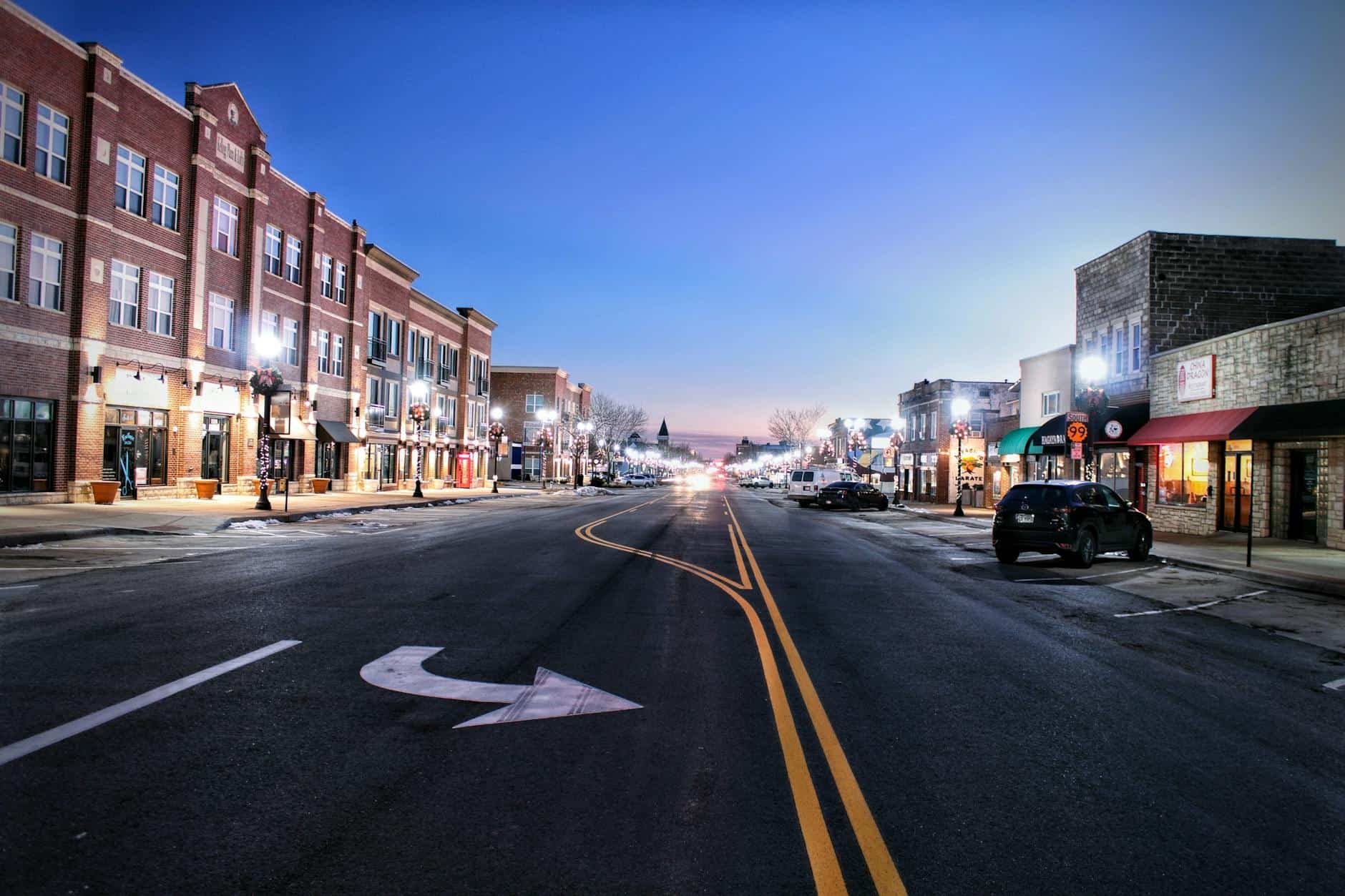
Most cross-country drivers who grew up in cities approach small towns with some version of an assumption — that they’re either charming and nostalgic, or depressed and dying, depending on which version of the cultural conversation you’ve been exposed to.
The reality is more textured than either narrative. You drive through towns that are genuinely thriving — the Main Street is intact, the local diner is busy, people wave from porches, the hardware store has been in the same family for 70 years. You drive through towns where three out of five storefronts on the main block are empty and the tallest building is a Dollar General. You drive through towns that are transforming — the old industrial economy is gone, but something new, often outdoor recreation or remote worker migration, is moving in.
What most solo drivers report is that the towns resist the simple story. The thriving ones aren’t thriving in the way cities think of thriving; they have their own definitions of a good life that don’t require density or options or novelty. The struggling ones aren’t uniformly despairing; they have resilience and dark humor and community that the statistics about them don’t capture.
What the Middle of the Country Does to Your Sense of Time
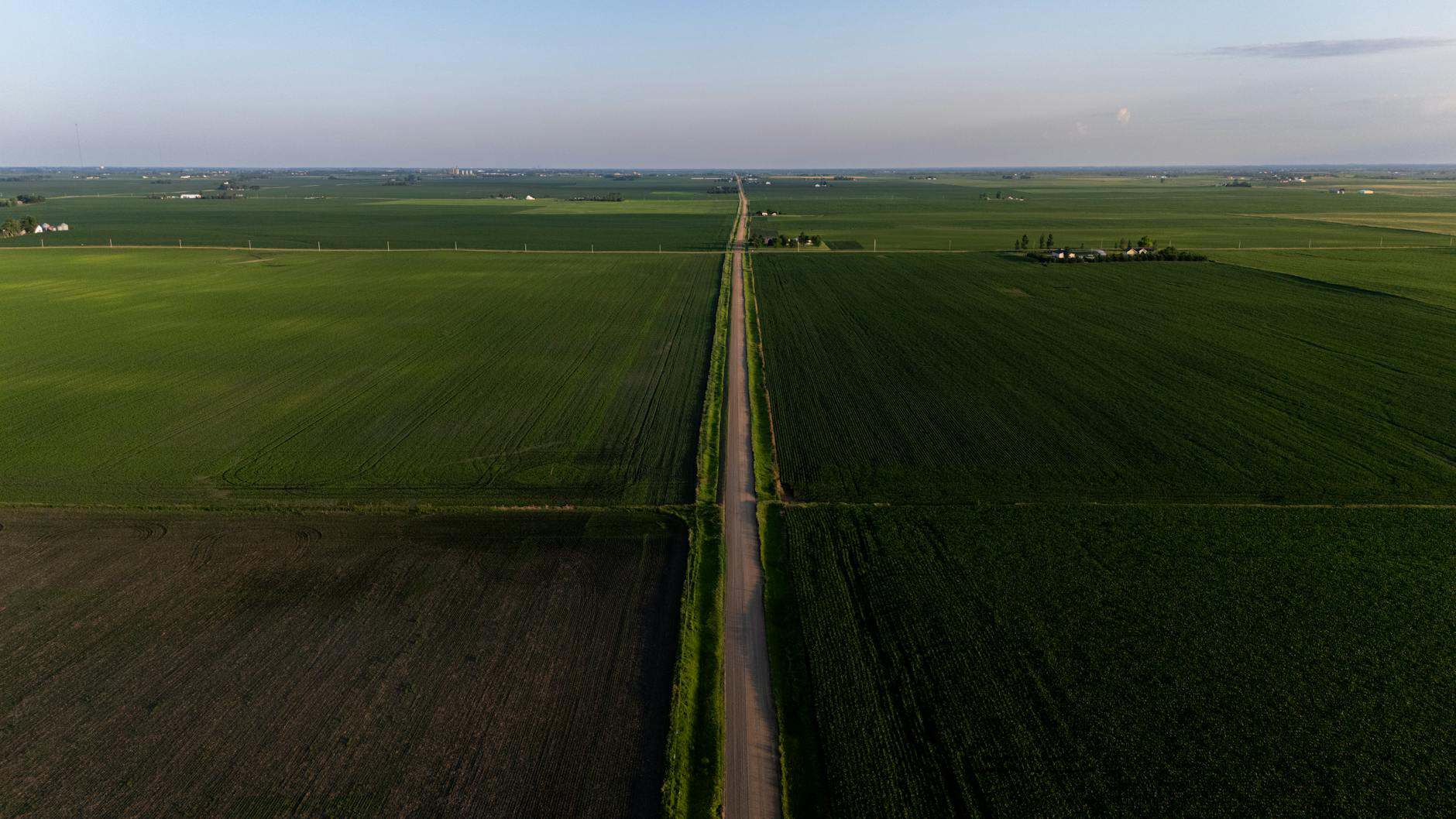
There is a specific temporal effect that solo drivers across the Great Plains and the high desert describe with remarkable consistency: time stops feeling like a resource being spent and starts feeling like a medium you’re moving through.
In ordinary urban life, time is structured, managed, depleted. There’s always a next thing. The car trip through flat landscape — where nothing changes for an hour, where the horizon is distant and static, where the only punctuation is the occasional grain elevator or antelope — removes that structure. You stop tracking time in intervals. You start existing in a kind of present-tense continuous that most adults rarely access.
People coming off high-stress careers or intense life events describe this as unexpectedly healing. Not in a dramatic way — not catharsis — but in the way that a full night of sleep heals you in ways you weren’t tracking until afterward. Something was depleted; the emptiness replenished it.
The Kindness That Catches People Off Guard

Almost everyone who drives across America alone and eats at local diners, stops at gas stations in small towns, and asks for help when they’re lost comes back with a version of the same observation: people are kinder than expected.
The specifics vary. The waitress at a diner in Oklahoma who noticed you looked tired and brought you pie you didn’t order and sat down for ten minutes because she could tell you needed someone to talk to. The guy at a gas station in rural Montana who saw out-of-state plates and spent 20 minutes giving you genuinely useful local advice because he seemed to enjoy having someone new to tell it to. The family at a campsite who invited you to their fire because you were sitting alone.
This doesn’t translate into a political statement — the same people who are generous with their time and genuine with their welcome hold political views that might shock the coastal traveler. What it does is complicate the narrative. People who live lives that look nothing like yours, in places that have none of what you’d consider essential infrastructure, extend hospitality in a way that’s disarming and genuine and based on a different understanding of what you owe a stranger.
What Driving Through Poverty Looks Like
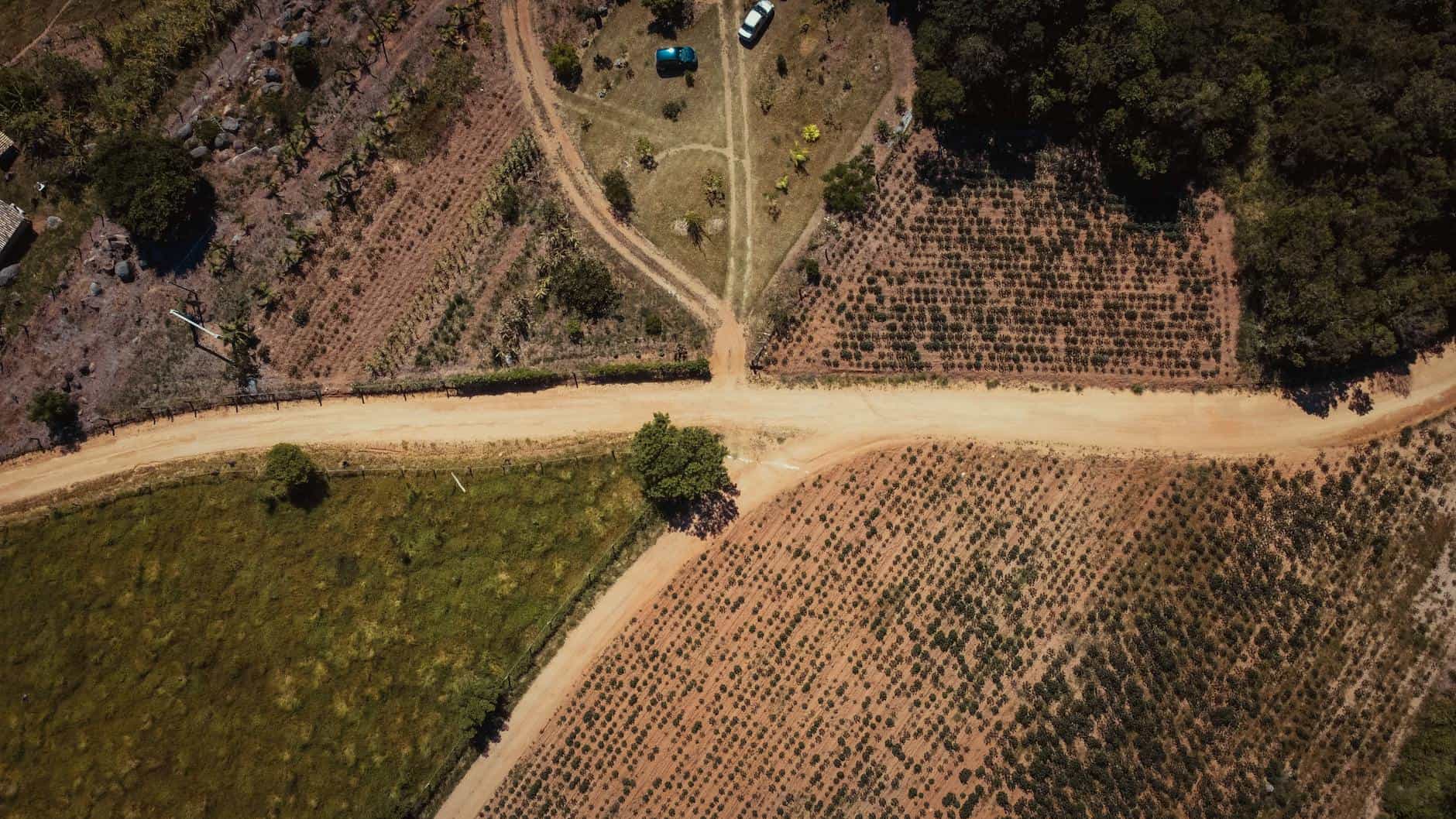
You also drive through some of the most severe poverty in the developed world. The tribal nations of the Great Plains and Southwest. The hollowed-out coal and factory towns of the Appalachian approaches. The sections of the Mississippi Delta where the land is rich and the people who work it have historically kept almost none of that wealth.
This is not poverty that looks like urban poverty. It’s spread across enormous distances, which makes it both less visible in aggregate and more total for the people living it. There are no density economies to offset it — no hospital within reasonable distance, no grocery store that isn’t an hour away, no emergency services that can arrive quickly. The isolation compounds everything.
Drivers who pass through these areas rarely have a neat emotional response. Some feel guilt, the tourist-gazing variety that feels insufficient to the scale of what they’re seeing. Some feel anger at a country that allows this alongside the wealth they came from. Some feel a kind of helpless admiration for the communities that have maintained coherence and culture and humor under conditions that would have broken most people. Most feel all of these things at once, imperfectly.
What They Find Out About Themselves
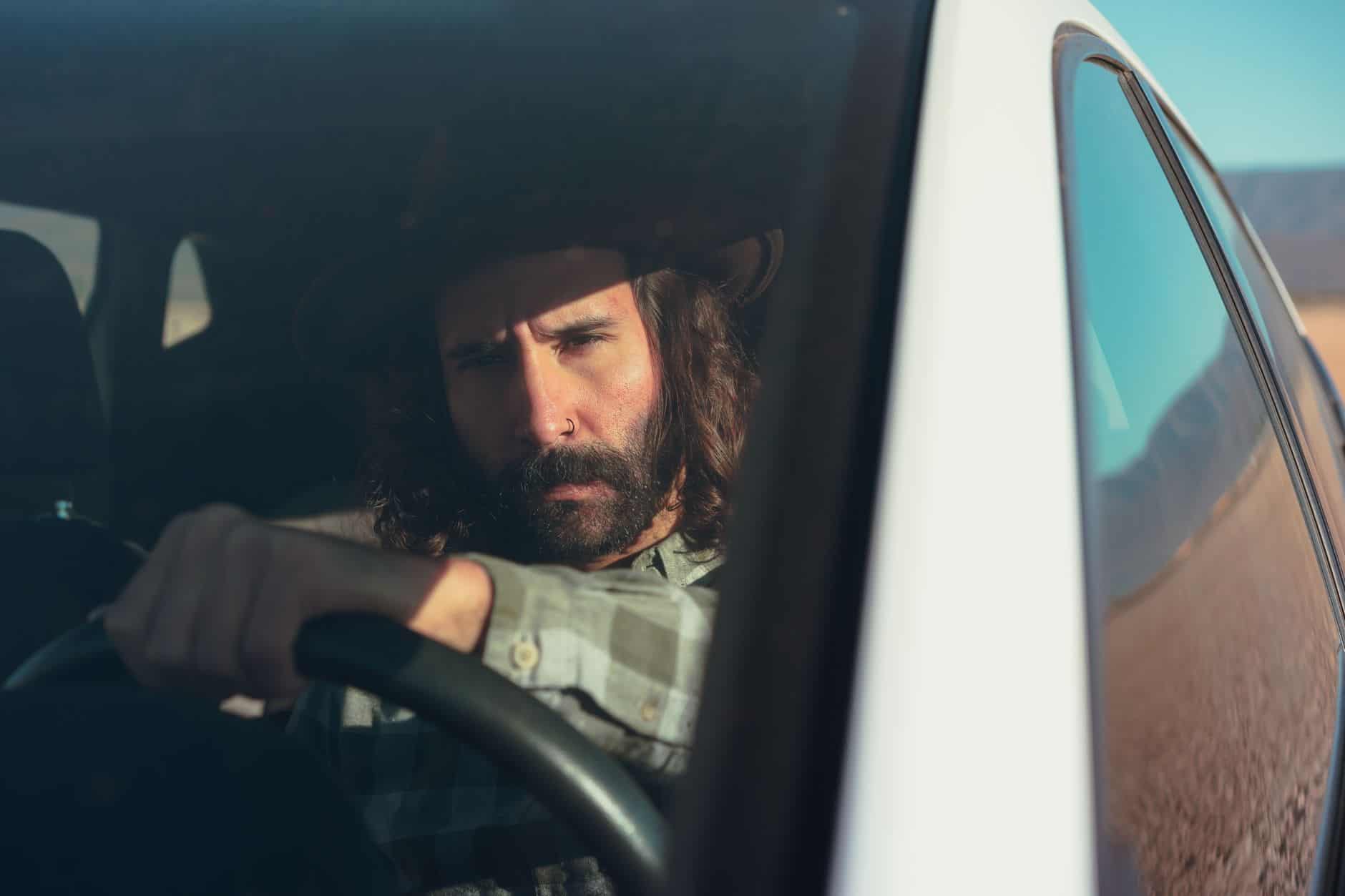
Solo drivers consistently report two categories of self-discovery that they weren’t expecting.
The first is about capacity for solitude. Many people who’ve never been alone for more than a few hours find out, somewhere around day three or four, whether they can genuinely be with themselves. The phone is a distraction available at any time; most solo drivers describe a gradual process of using it less, not out of discipline but because the landscape starts to provide something the phone doesn’t. What they find in the silence is sometimes pleasant and sometimes uncomfortable, but almost always informative.
The second is about what they actually want. Removed from the usual structure — job, social obligations, the familiar expectations of people who know you — the question of “what do I actually enjoy doing?” becomes less abstract. You find out whether you’re someone who wants to linger or move. Whether you prefer solitude or social contact when the default is solitude. Whether the life you’ve built around you is actually the life you’d choose if you chose it fresh.
Not everyone likes what they find out. Some people drive across the country and discover that their life at home is, on examination, exactly what they want. Others come back with a nagging certainty that something needs to change, and the drive gave them the silence to hear it for the first time.
What You Come Home Thinking About This Country
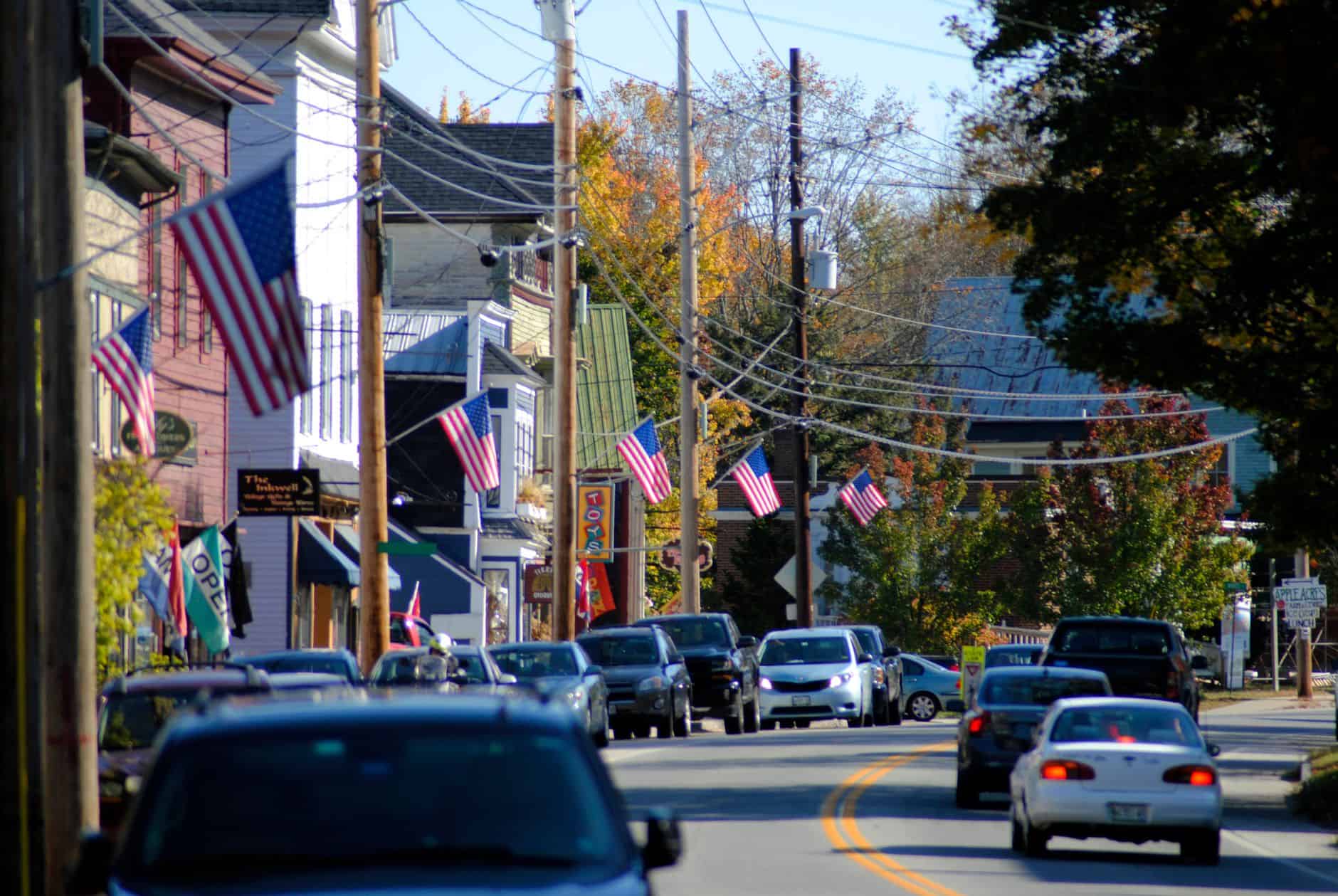
The consistent conclusion of people who drive across America alone is not a political one, though the experience is inherently political. It’s something more like: this place is too large and too various for any single narrative to be accurate.
The people who told you it was all declining were wrong. The people who told you it was all fine were wrong. The people who told you the middle was one thing were wrong. It’s dozens of different countries with different economies and different relationships with history and different definitions of a good life, all sharing a road system and a flag and a set of institutions that strain under the complexity.
You come back, most people say, with more questions than you left with — and oddly, this feels like progress. The version of the country you had in your head was smaller and simpler than the thing you drove through. What you have now is closer to accurate, even if it’s harder to summarize at a dinner party.
And almost everyone wants to go back.