The American States Most Drivers Fly Over That Are Actually Worth an Entire Trip
We may earn money or products from the companies mentioned in this post. This means if you click on the link and purchase the item, I will receive a small commission at no extra cost to you ... you're just helping re-supply our family's travel fund.
This article contains affiliate links. If you purchase through our links, we may earn a commission at no extra cost to you.
America’s road trip imagination is dominated by a handful of routes: Route 66, the Pacific Coast Highway, the Blue Ridge Parkway, maybe a loop through the national parks of Utah. These are genuinely great roads. They’re also the roads that everyone already knows about.
Meanwhile, entire states sit on the mental sidelines — labeled “flyover” by coastal culture, skipped by travelers who treat them as inconvenient distance between interesting places. Some of those states have been quietly extraordinary for road trips the entire time. The people who stop know. The people who don’t stop think they know, but they don’t.
Here are the states that experienced road trippers keep naming when they’re asked which places surprised them most.
Why Certain States Get Written Off — And Why That’s Wrong
The flyover label comes from altitude — literally, states you see from 35,000 feet as a patchwork of brown and green squares between airport connections. From that altitude, flat and agricultural reads as empty and boring.
From the ground, the calculus is entirely different. What reads as featureless from the air becomes textured and specific at 65 mph. The geography that looks repetitive from altitude has variation at ground level — subtle but cumulative, the way a piece of music that seems simple reveals its complexity over time.
And the geographic underselling doesn’t even capture the more important variables: the history, the food, the communities, the specific cultures that developed over centuries in these places. The people who dismiss Nebraska have almost certainly never driven the Sandhills. The people who dismiss Alabama have never driven the Natchez Trace. The aerial view is a bad heuristic for road trip quality.
Nebraska: The State That Surprises Everyone Who Stops
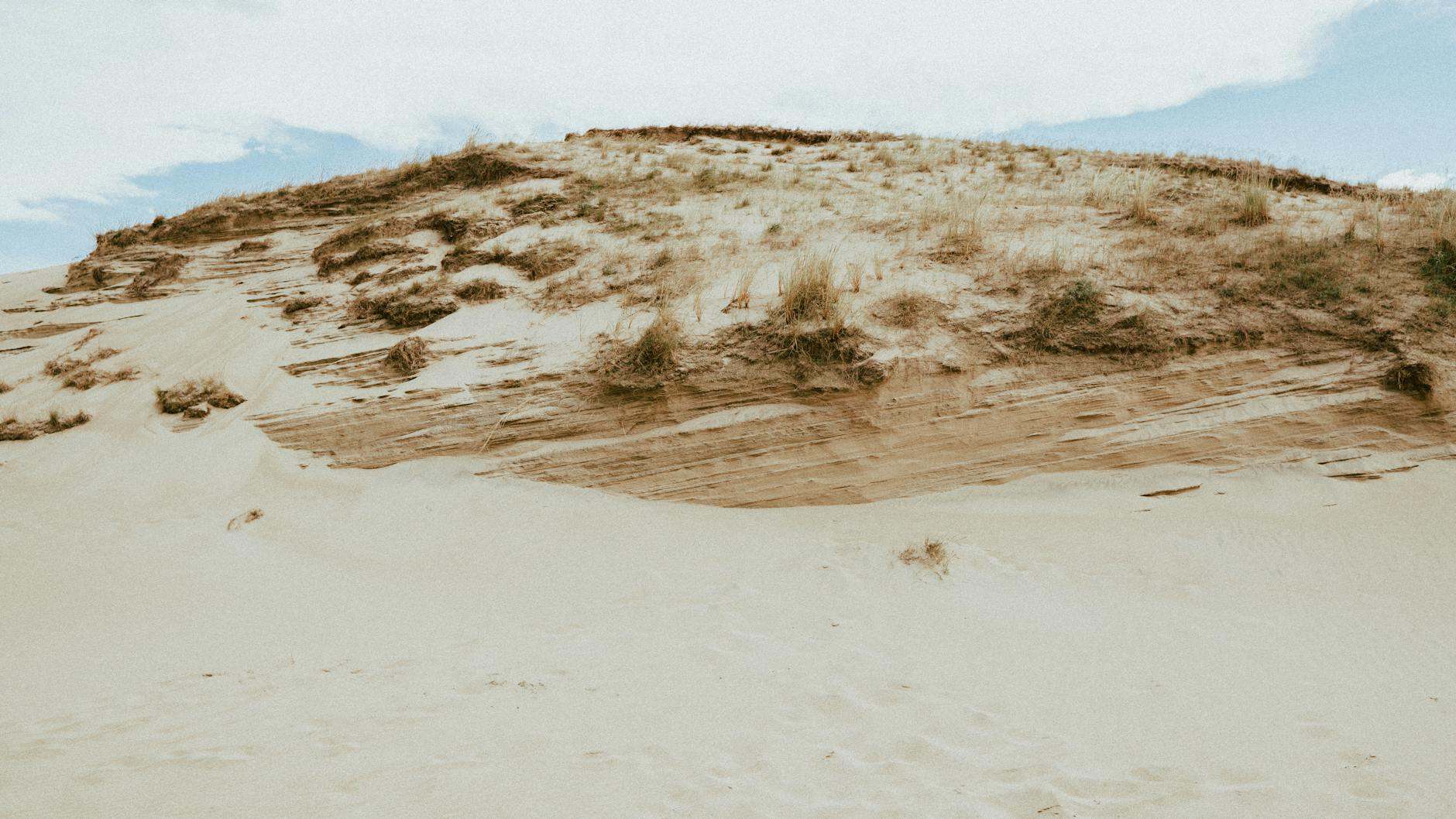
Nebraska is the most defensible underrated road trip state in America, and the case rests primarily on one feature that most people outside the Midwest have never heard of: the Sandhills.
The Nebraska Sandhills are approximately 19,000 square miles of grass-stabilized sand dunes in the north-central part of the state — the largest dune system in the Western Hemisphere, and one of the most singular landscapes in North America. The scale is incomprehensible until you’re in it. The hills roll in every direction to the horizon, covered in native grasses that haven’t been broken by a plow in centuries, dotted with shallow alkaline lakes. There are almost no people. There is almost no infrastructure. There is this landscape and the sky above it, which is also enormous.
Nebraska also has Chimney Rock — a genuine landmark in the history of westward migration, now sitting in a setting so unchanged from its 19th-century context that it’s almost eerie. It has the Niobrara River corridor, which is genuinely beautiful float-trip country. It has a barbecue tradition (the Czech-influenced grilling culture in the Platte River valley towns) that you will not find written about in food publications because food publications don’t cover Nebraska.
Kansas: More Than the Flat Joke Suggests
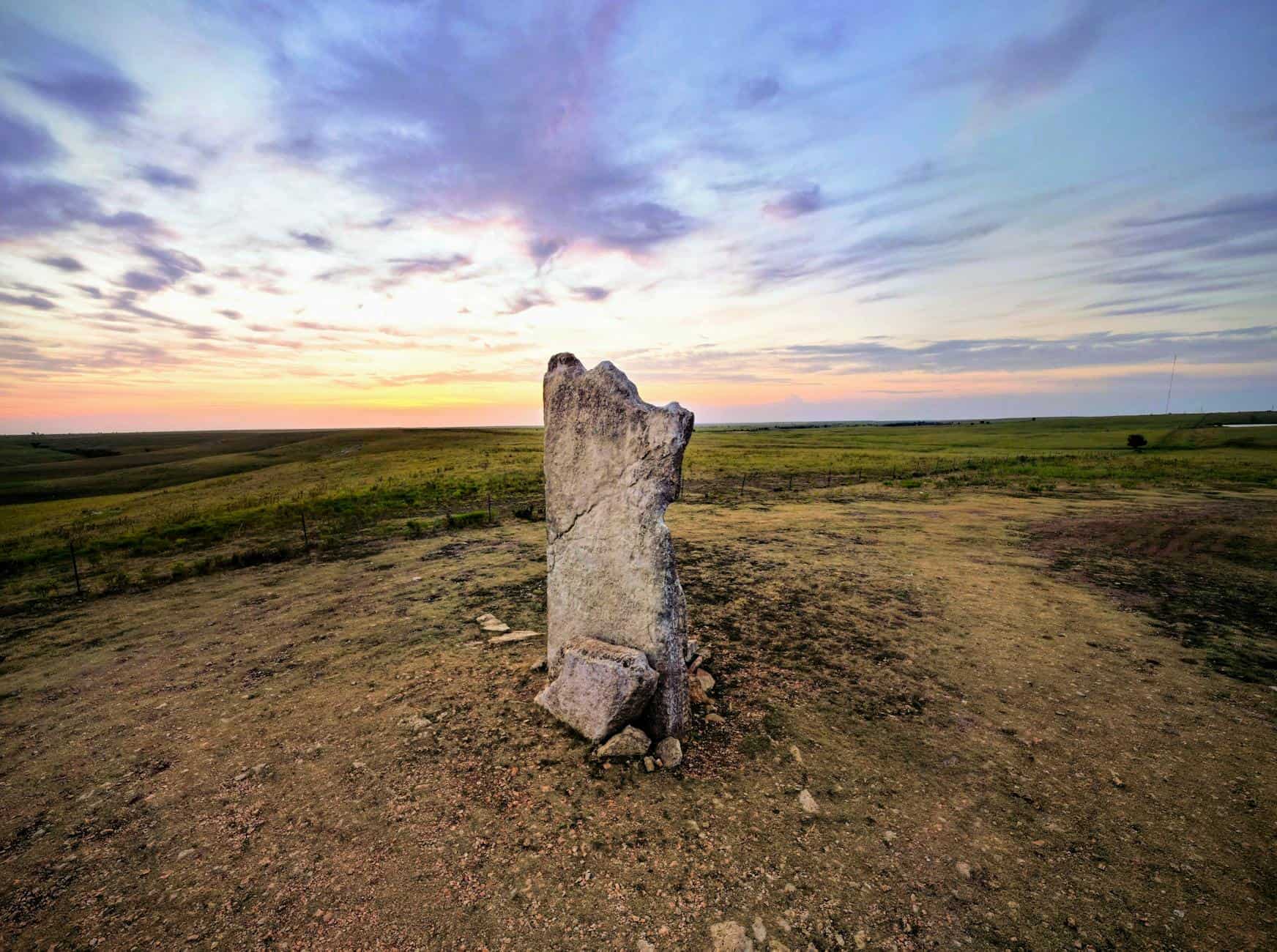
Kansas is where the flyover joke is most aggressively applied, and therefore where the surprise is most pronounced when drivers actually stop and look around.
The Flint Hills region of eastern Kansas — a 50-mile-wide band of tallgrass prairie running north to south through the heart of the state — is one of the last intact tallgrass ecosystems on the planet. The Tallgrass Prairie National Preserve protects a portion of it, but the visual spectacle extends far beyond the preserve boundaries. In late spring, the hills roll in waves of green and gold for miles. The sky is the dominant feature of the landscape, which rewards the traveler who’s not scared of big sky.
The cattle drive history of Kansas (Abilene, Dodge City) is surprisingly compelling ground-level history — the kind that feels genuinely earned rather than theme-parked. Dodge City does not pretend to be something other than what it is, which is a working agricultural city that happens to have been one of the most famous places in 19th-century America. That authenticity reads as refreshing after visiting the heavily curated historical tourism of the East.
Oklahoma: The Road Trip State Almost Nobody Discusses
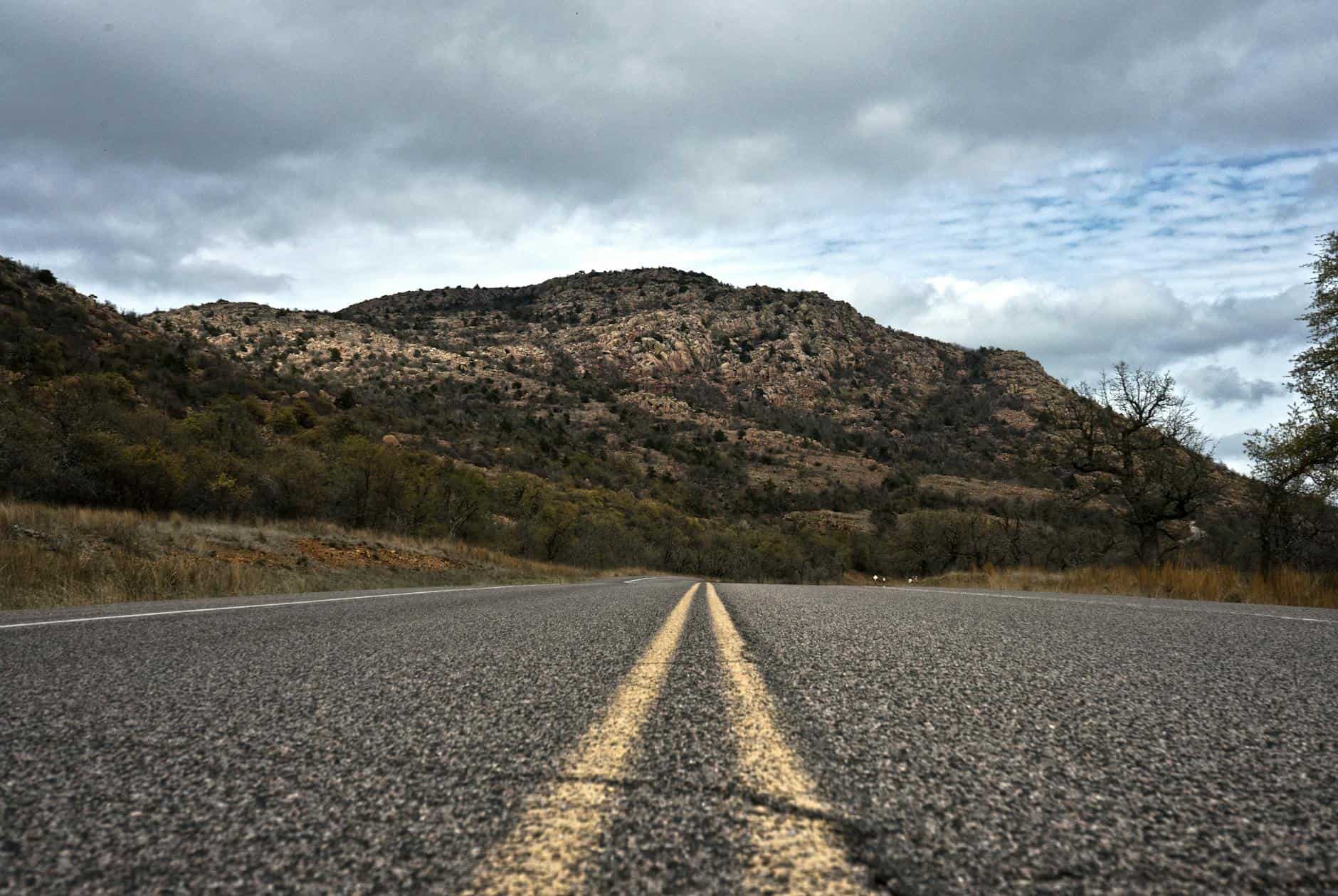
Oklahoma has a branding problem that has nothing to do with the actual place. The name triggers a musical, a few cultural associations with the 1930s Dust Bowl, and not much else for most coastal Americans.
What it actually has: four distinct geographic regions (plains, mountains, lakes, and what can only be described as a green-forested eastern zone that looks nothing like what anyone expects from Oklahoma), a Route 66 that’s more intact and more authentic than most of the comparable sections in other states, and a tribal cultural heritage — Oklahoma has the second-largest Indigenous population of any US state — that represents one of the most significant and underexplored histories in the country.
The Ouachita Mountains in eastern Oklahoma are actual mountains with actual hiking and actual forests. The Illinois River is a best-in-class float trip that draws Oklahoma regulars and is almost unknown nationally. The Red Hills region in the southwest — a landscape of crimson mesas and buttes that looks like a transition zone between the Southwest and the plains — is visually unlike anything else in the mid-continent.
Mississippi and Alabama: The Blues Highway and Everything Around It
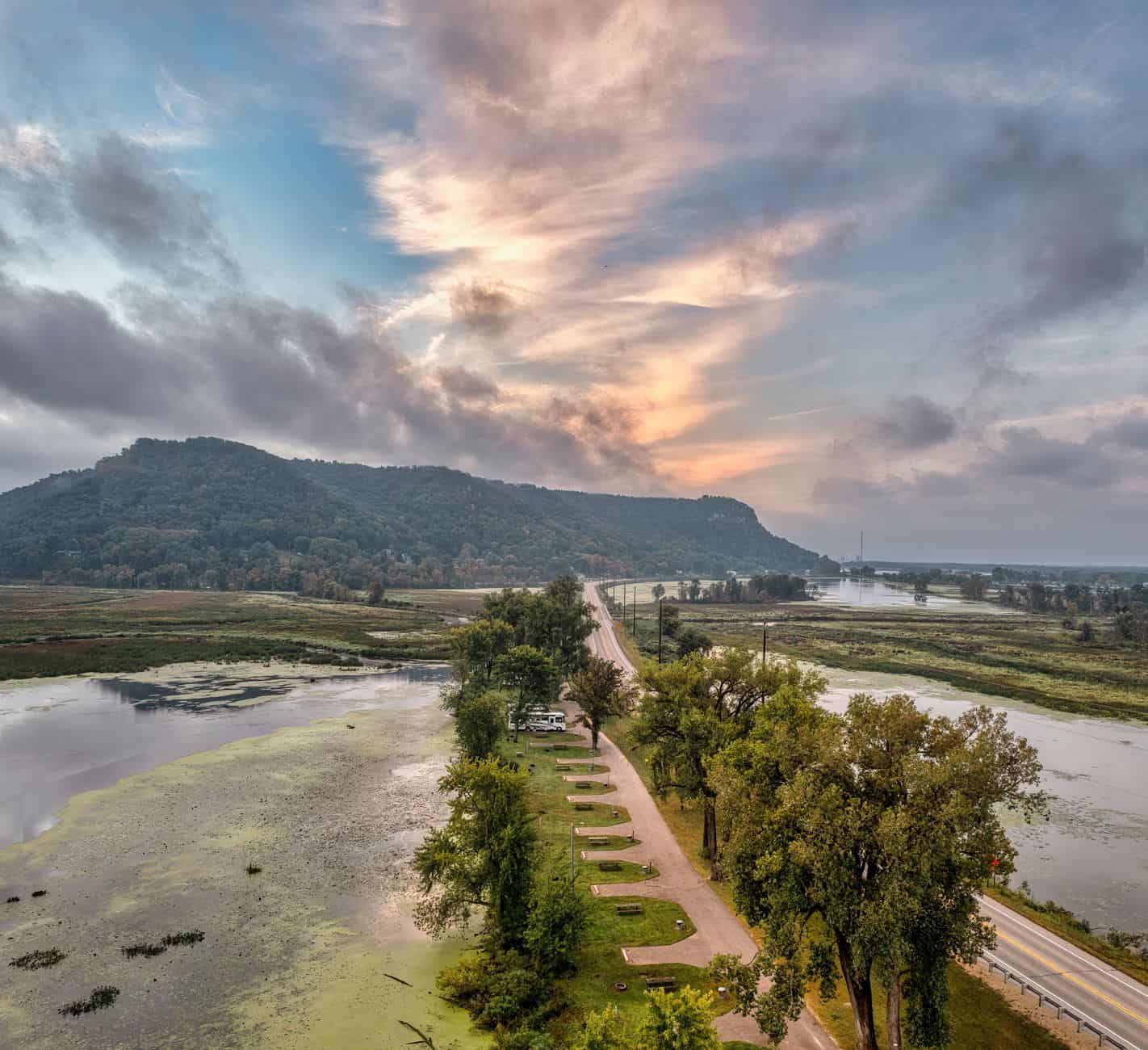
The Mississippi Delta road trip — US 61 from Memphis south through Clarksdale, Greenwood, and Natchez — is one of the most culturally significant drives in America and one of the most persistently overlooked by people who do not have Southern roots.
This is the landscape where American music was largely born: the blues, the gospel tradition that fed soul and R&B, the string-band traditions that fed country and rock and roll. The Delta feels like driving through the DNA of popular music, and the small towns along the highway have the museums, the juke joints, and the architectural remnants to prove it. Clarksdale alone — the crossroads city, home to Ground Zero Blues Club and the Delta Blues Museum — is worth a two-day stop.
Alabama compounds the argument. The Gulf Coast around Gulf Shores offers some of the best (and least expensive) white-sand beach on the Gulf. The Black Belt region is American history of the most profound kind — civil rights sites, antebellum architecture in various states of preservation and decay, and a story of the South that goes far deeper than the Civil War tourism that dominates Virginia and Tennessee.
North Dakota: Empty in the Best Possible Way
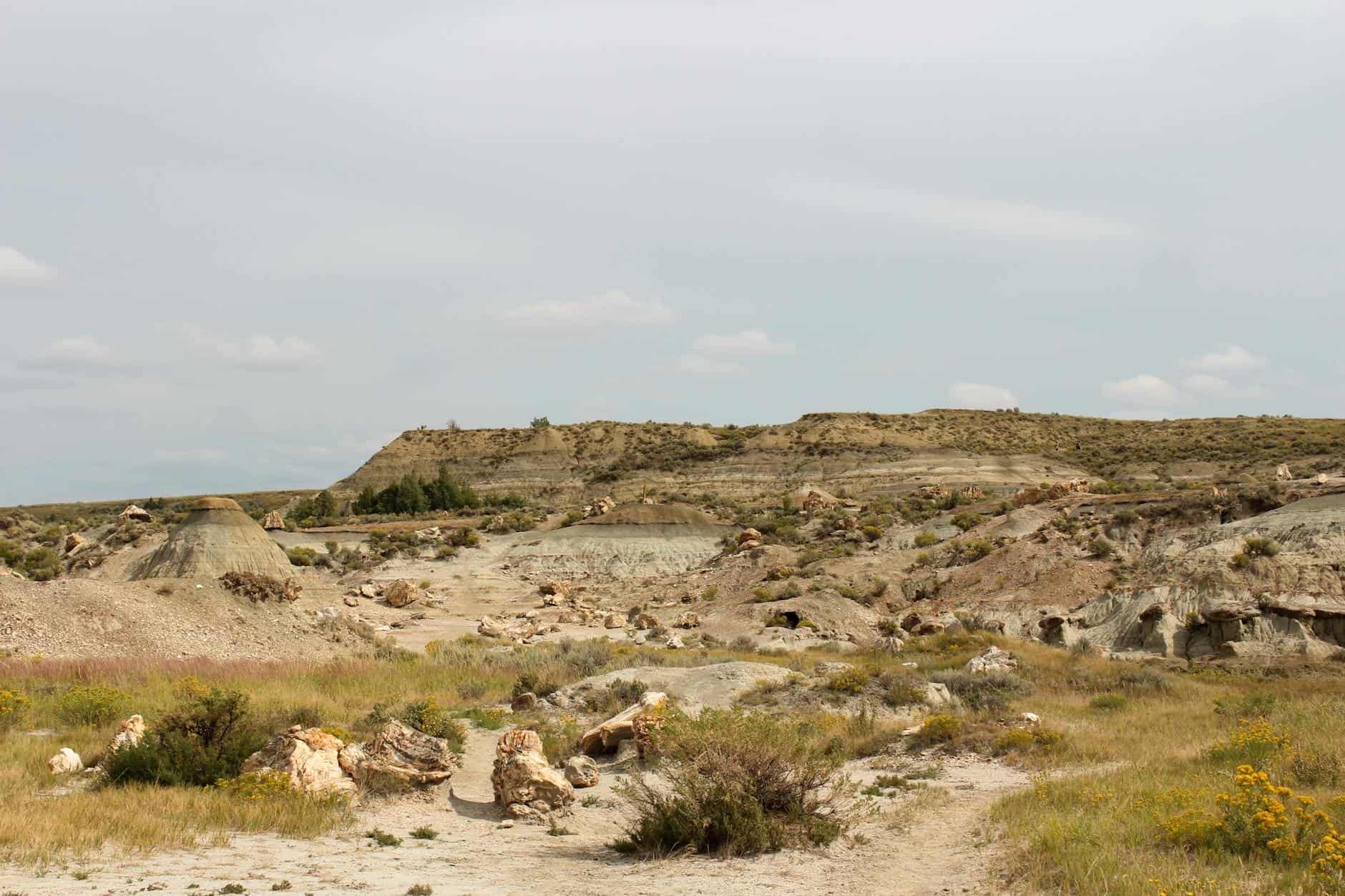
North Dakota has the lowest tourism numbers of any continental US state, a fact that is both its challenge and its argument. The people who go there tend to go back.
Theodore Roosevelt National Park, split between north and south units, is a badlands landscape that’s genuinely spectacular and genuinely uncrowded — a fact that will surprise anyone who has spent a summer in the parking lots of Arches or Zion. The bison herds are large and close. The hiking is solitary. The light on the colored clay buttes in the evening is as photogenic as anything in the Southwest.
The small towns of North Dakota operate on a social scale and economy that feels specifically American in a way that doesn’t exist in more-visited places. The people are not performing regional identity for tourists; there are almost no tourists for whom to perform. What you get is authentic in a way that self-conscious tourism rarely produces.
New Mexico: The One Everyone Should Have Added Already
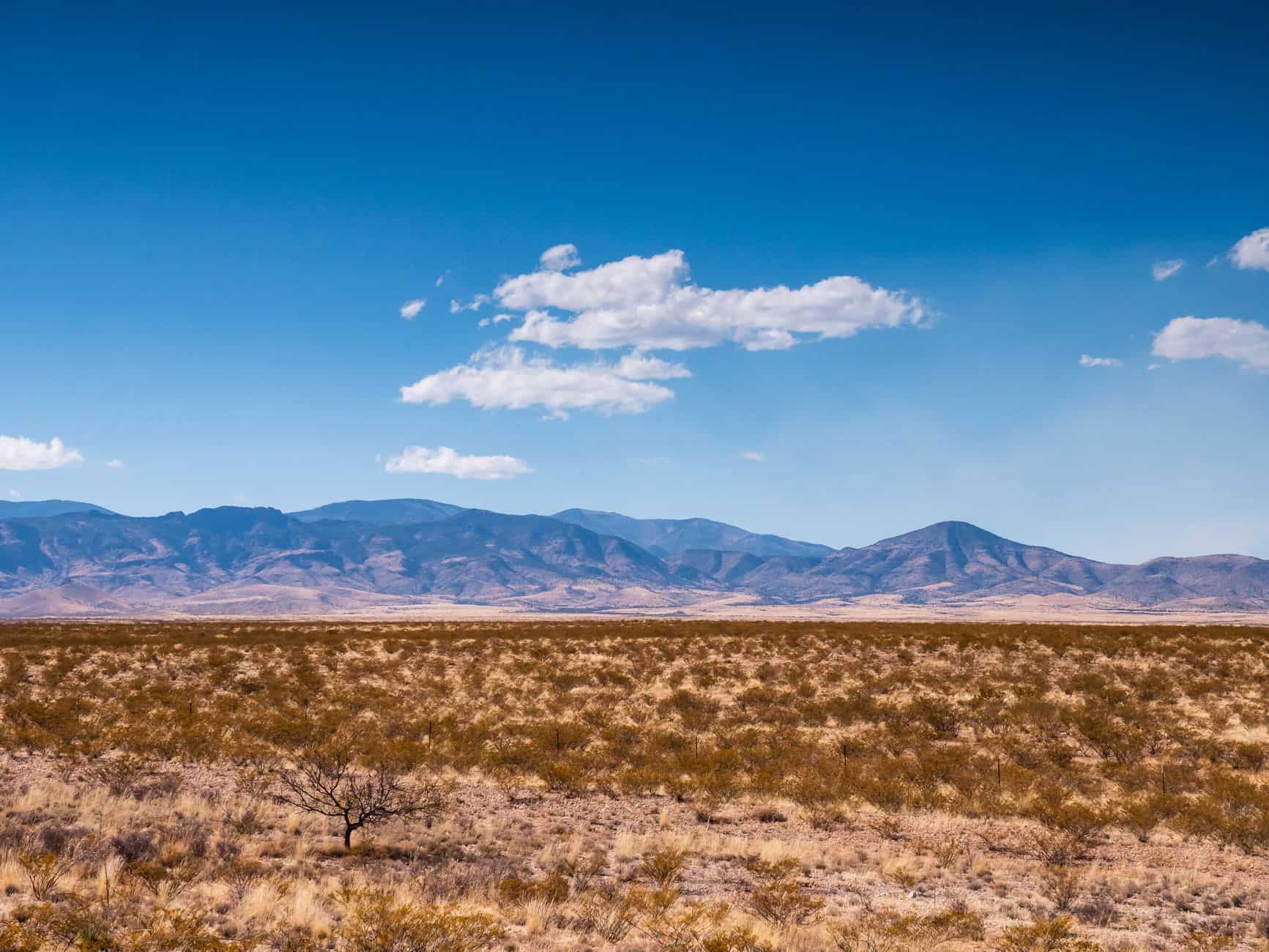
New Mexico is slightly less ignored than the others on this list — it has Santa Fe, it has White Sands, it has Breaking Bad tourism — but it’s still dramatically undervisited relative to its quality.
The road trip argument for New Mexico is almost unfairly strong. You have three distinct and visually extraordinary landscape zones: the desert south, the mountain north (the Sangre de Cristo range has genuine 13,000-foot peaks), and the high plateau of the central region. The food culture — the red and green chile tradition, the blending of Indigenous, Spanish colonial, and Anglo cuisines — is among the most distinctive in the country. The art scene concentrated in Taos and Santa Fe is world-class.
What makes New Mexico a road trip state rather than just a destination is the connectivity between its towns. The drives between Albuquerque, Santa Fe, Taos, Ruidoso, and the far southern White Sands area are all visually rich. The state rewards the person who slows down and moves between nodes rather than flying into one city and staying there.
What These States Have in Common
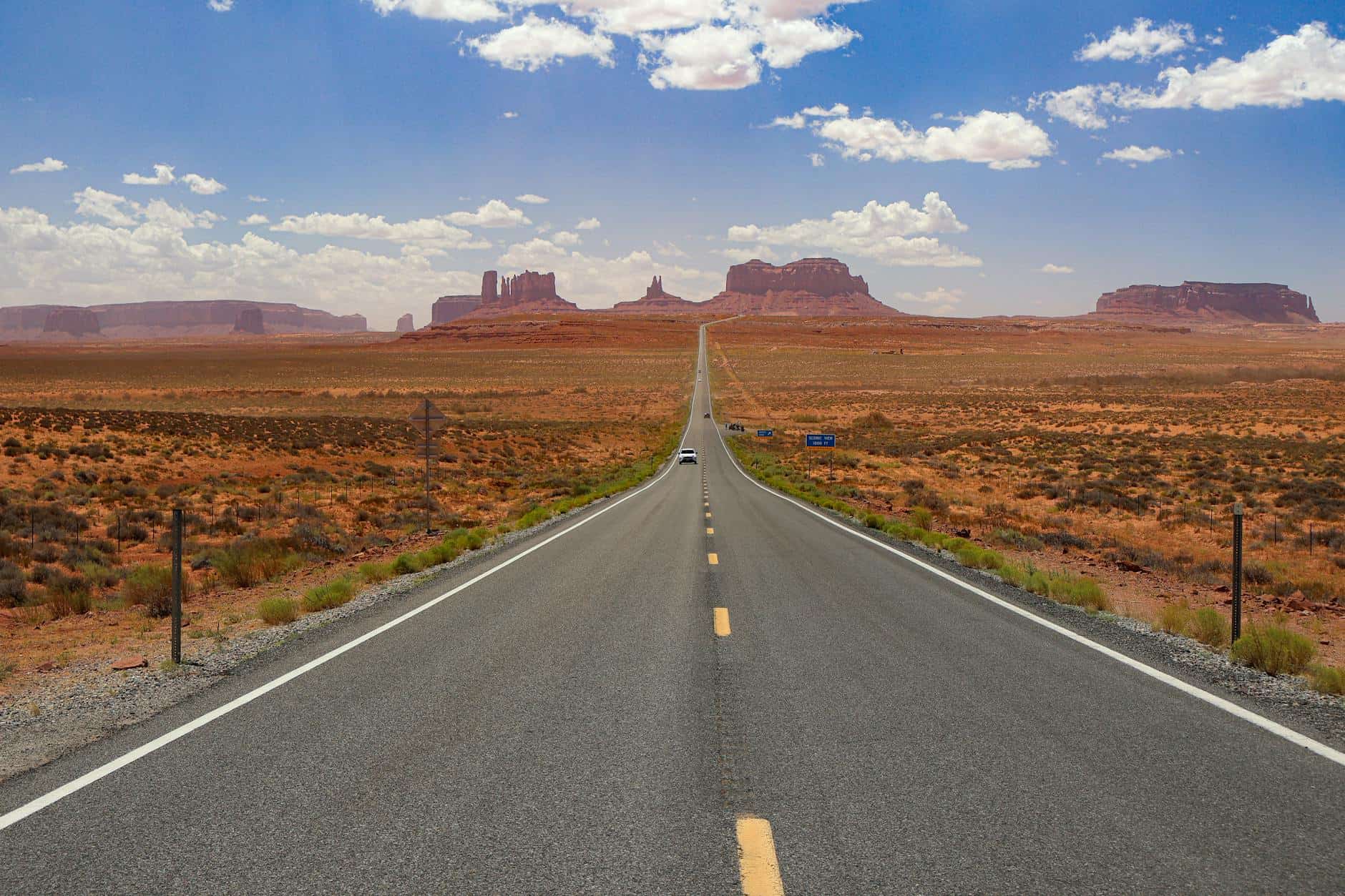
The states that consistently surprise road trippers share a few characteristics that are worth noting as a framework.
They have landscape that requires ground-level perspective to appreciate — it’s subtle or vast in ways that don’t photograph dramatically from a plane or compress well into a social media post. They have food cultures that are intensely local and not widely exported. They have histories that are deep and specific and not heavily packaged for tourism. And they have a quality of unhurried authenticity — because the tourists haven’t arrived in force yet — that makes interactions with locals feel like real exchanges rather than transactions.
The dirty secret of American road tripping is that the places everyone goes are often the places that have been most shaped by being visited — their rough edges sanded off, their local character gradually replaced by a curated version of itself. The places nobody goes are often the places that still have rough edges and real character. That’s the thing that travelers who’ve discovered them keep trying to explain to the people who haven’t, with mixed success.