Bentonville, Arkansas Has a Michelin-Adjacent Restaurant Inside an Art Museum. That Sentence Should Not Make Sense
We may earn money or products from the companies mentioned in this post. This means if you click on the link and purchase the item, I will receive a small commission at no extra cost to you ... you're just helping re-supply our family's travel fund.
Bentonville is the headquarters of Walmart, a company with revenue larger than the GDP of most countries, and for decades that was the entire story anyone needed to know about the town. Then Alice Walton opened Crystal Bridges Museum of American Art in 2011, and the restaurant inside it — Eleven, named for the museum’s eleven original founding trustees — became one of the more surprising fine-dining destinations in the South. It sits on Museum Way, serves a five-course tasting menu on select evenings, and draws diners who drove in from Tulsa and Kansas City specifically to eat there (OnlyInArk).
The Money That Built a Food Scene From Nothing
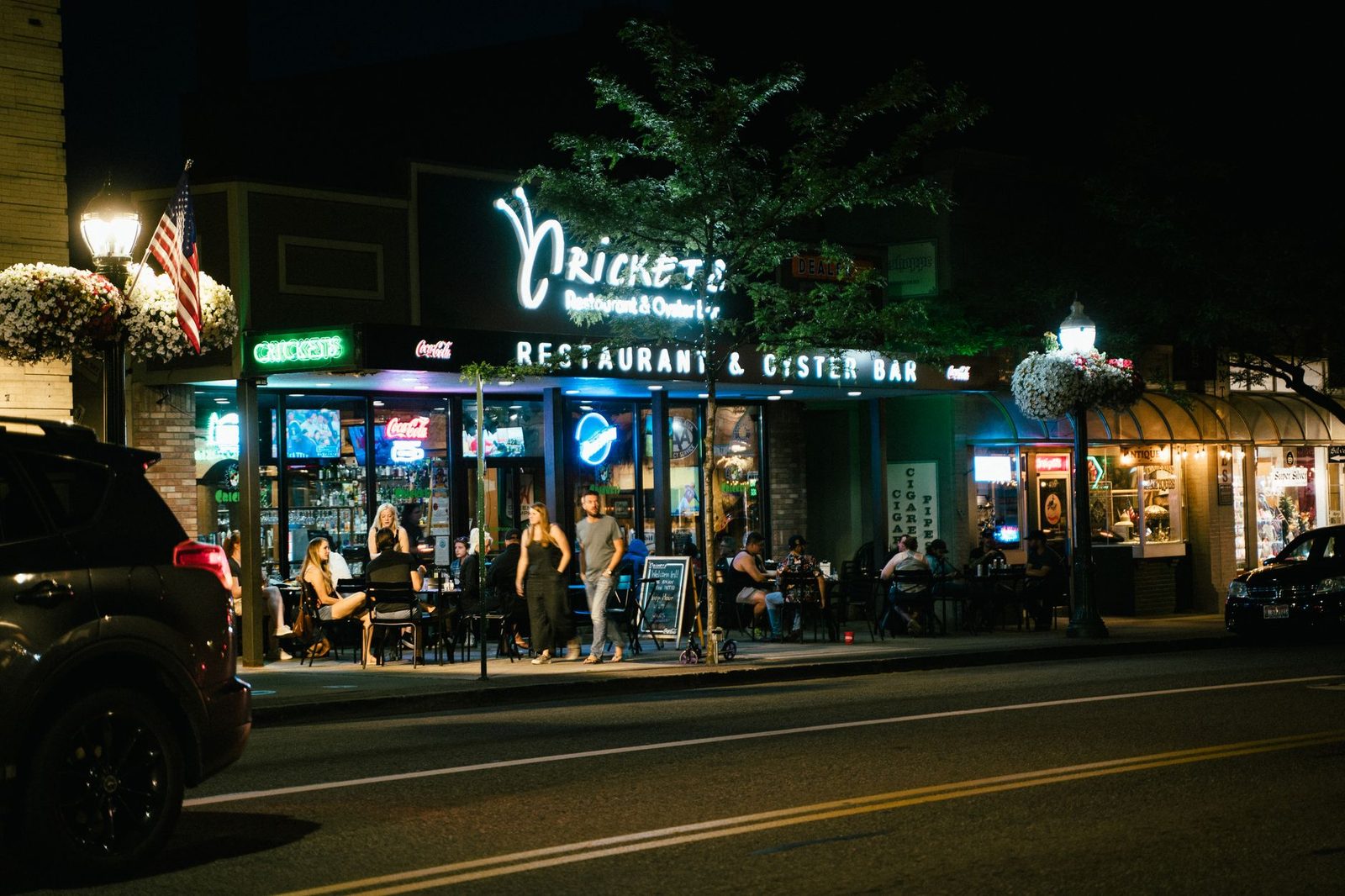
What makes Bentonville’s food scene unusual isn’t just that it exists — plenty of wealthy small towns have a good restaurant or two. It’s the density and ambition of what’s opened in roughly fifteen years, concentrated in a town of under 60,000 people. Eater’s 2024 guide to eating in Bentonville describes a scene built almost entirely around Walton family investment: the Walton family’s philanthropic and business interests didn’t just fund a museum, they funded the restaurants, hotels, and bike trail infrastructure that turned Bentonville into a genuine culinary weekend destination rather than a corporate headquarters town with a nice art collection attached (Eater).
What’s Actually Worth Eating
- Eleven at Crystal Bridges — tasting menus built around Ozark-sourced ingredients, inside the museum itself
- The Hive at 21c Museum Hotel — a boutique hotel restaurant that consistently makes regional best-of lists
- Downtown Bentonville’s Farmers Market — one of the largest in Arkansas, running since long before the town’s food reputation existed
- A growing cluster of chef-driven spots along 8th Street that opened specifically to catch museum and mountain-bike tourism overflow
The Mountain Bike Trails Are the Other Half of This Story
Bentonville didn’t just become a food town — it became an outdoor recreation town at almost the same time, with the Walton Family Foundation funding hundreds of miles of mountain bike trails that now draw riders from across the country. That combination — serious art, serious trails, serious food — is what turned a corporate headquarters town into somewhere people plan actual vacations around. The Infatuation’s guide to the city’s 22 best restaurants and bars notes the specific tension this creates: a town that still functions, at its core, as a company town for one of the largest corporations on Earth, now also functioning as a boutique culinary destination that resembles Aspen or Jackson Hole more than it resembles the rest of rural Arkansas (The Infatuation).
What This Means If You’re Actually Going
Reservations at Eleven should be made well in advance, particularly for the evening tasting menu service on Thursdays and Fridays. The museum itself is free to enter, which is unusual for an institution with a collection this significant — another Walton-funded decision aimed at making the town’s cultural investment accessible rather than exclusive. Plan a full weekend if you’re driving in: one day for the museum and trails, one day for the wider restaurant scene that’s grown up around both. Bentonville rewards people who show up expecting a corporate town and leave surprised. It punishes people who show up expecting Aspen and forget they’re still in northwest Arkansas.
The Trail System That Turned Bentonville Into a Destination Twice Over
The Walton Family Foundation has invested more than $100 million into the region’s mountain bike and greenway infrastructure since the mid-2010s, building a connected trail network — locally branded as part of the broader Northwest Arkansas trail system — that now spans hundreds of miles and draws riders from across the country for events and casual weekend trips alike. Bentonville has hosted major mountain biking competitions specifically because of this investment, a level of purpose-built recreational infrastructure that’s rare in a town this size.
That trail investment and the museum investment reinforce each other in ways that weren’t necessarily planned as a single strategy but function as one now. A family can spend a morning riding singletrack through the woods and an afternoon at Crystal Bridges without leaving a five-mile radius, then finish the day at a restaurant that exists specifically because both of those earlier activities created demand for it. Few towns under 60,000 people anywhere in the country can offer that particular combination.
The Company Town Tension That Remains
None of this erases the fact that Bentonville’s economy still runs, at its core, on Walmart’s continued presence and the thousands of vendor-relations employees and consultants who move through the city because Walmart requires them to be nearby. Housing costs in Bentonville have risen accordingly, driven by both the influx of Walmart-adjacent professionals and the tourism boom, creating affordability pressure for service workers in the same restaurants and hotels that the tourism economy depends on — a dynamic increasingly familiar in small American boomtowns built around a single dominant employer.
What’s happening in Bentonville is being watched closely by economic development officials in other small towns hoping a single well-funded cultural anchor can do for them what Crystal Bridges did here. The harder lesson underneath the success story is that it took a fortune the size of the Walton family’s to make it work at this scale.