13 Cold War Sites in the US That Are Suddenly Popular Again
We may earn money or products from the companies mentioned in this post. This means if you click on the link and purchase the item, I will receive a small commission at no extra cost to you ... you're just helping re-supply our family's travel fund.
Interest in America’s Cold War legacy has grown rapidly in the past decade, drawing visitors to former missile bases, command centers, and intelligence hubs that once operated under intense secrecy. Many of these locations were built between the 1940s and 1980s and only opened to the public after major declassification efforts in the 1990s and early 2000s. Today, they offer an unusual blend of technological history, political tension, and preserved military engineering, giving travelers a vivid glimpse into a period defined by global rivalry and constant vigilance.
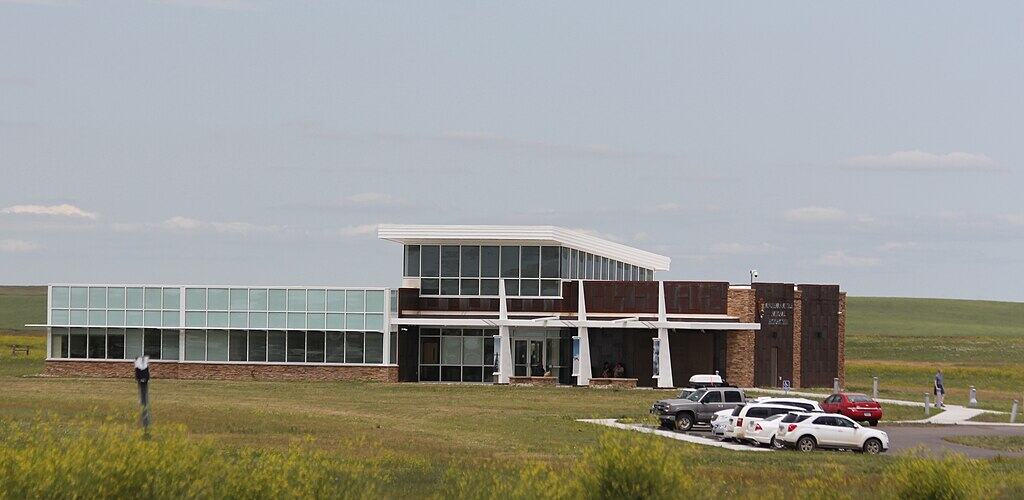
1. Minuteman Missile National Historic Site : South Dakota
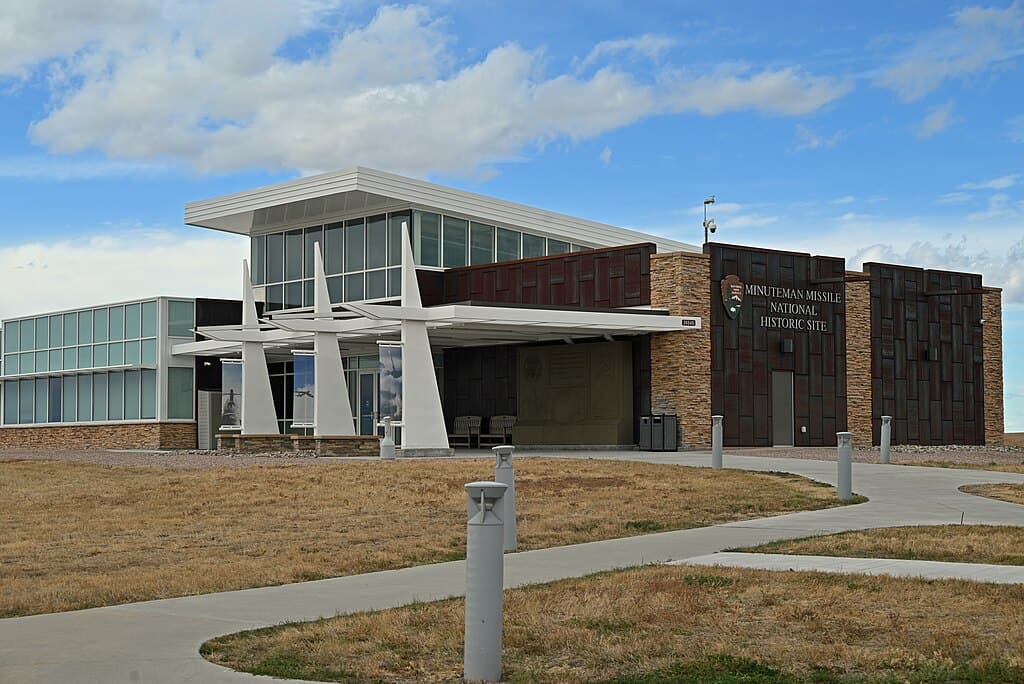
Built in 1962 and once controlling over 150 missile silos, this site preserves a functioning launch control center buried 31 feet underground. Visitors can step into authentic consoles that monitor rapid-response capabilities during decades of nuclear tension. The decommissioned LCC Delta-01 and Launch Facility Delta-09 reveal the strict schedules crews followed during 24-hour alerts. Around 125,000 visitors annually now explore this stark environment, discovering how technology and human readiness shaped Cold War deterrence strategies.
2. Cheyenne Mountain Complex : Colorado
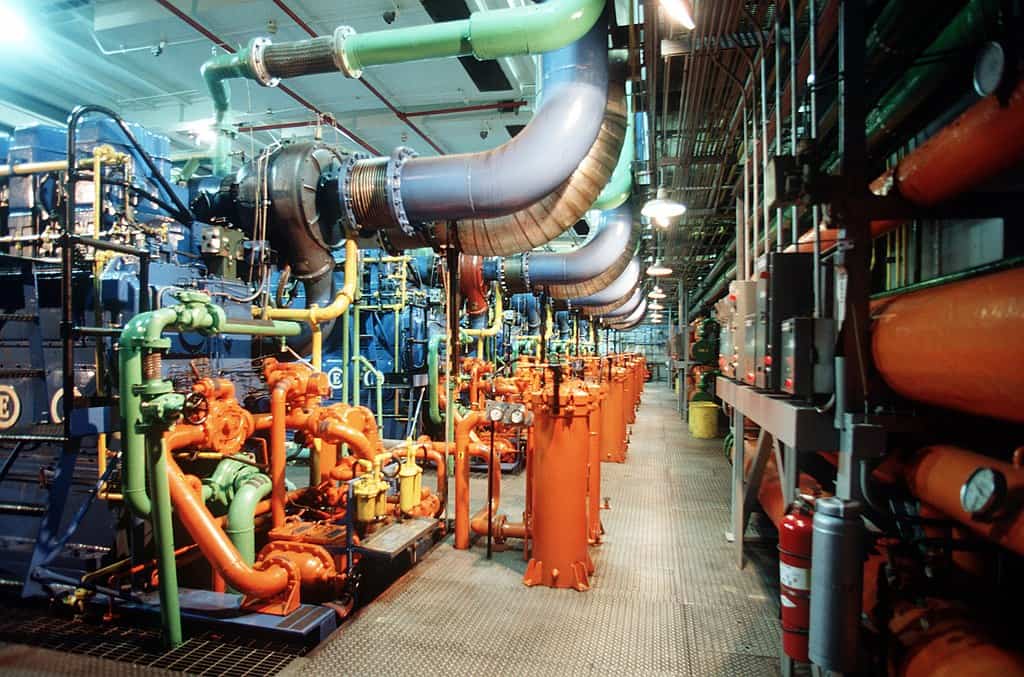
Carved 2,000 feet into granite and completed in 1966, Cheyenne Mountain operated as a nerve center for missile detection, capable of surviving blasts measuring 30 megatons. Although still active, public interest has climbed due to media references and the visibility of its 25-ton blast doors. Exhibits outside the restricted zone explain how analysts monitored up to 5,000 global signals per second during peak operations. The facility’s rugged engineering and long history of aerospace tracking draw thousands each year to its impressive exterior.
3. The Greenbrier Bunker : West Virginia
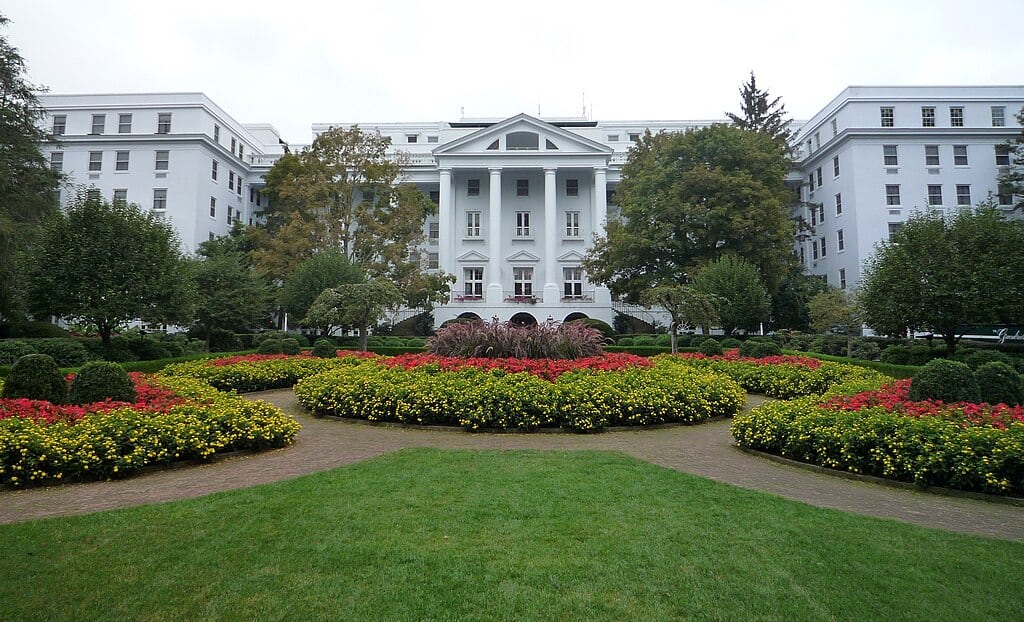
Secretly constructed from 1958 to 1961, this 112,000-square-foot bunker was built to shelter all 535 members of Congress in case of nuclear attack. Positioned beneath a luxury resort, it remained classified for 30 years until revealed in 1992. Visitors now explore decontamination chambers, broadcast rooms, and 25-ton steel blast doors that protected the underground complex. With guided tours attracting over 90,000 guests annually, the site showcases the extraordinary measures prepared to ensure governmental continuity during escalating global tensions.
4. Titan Missile Museum : Arizona
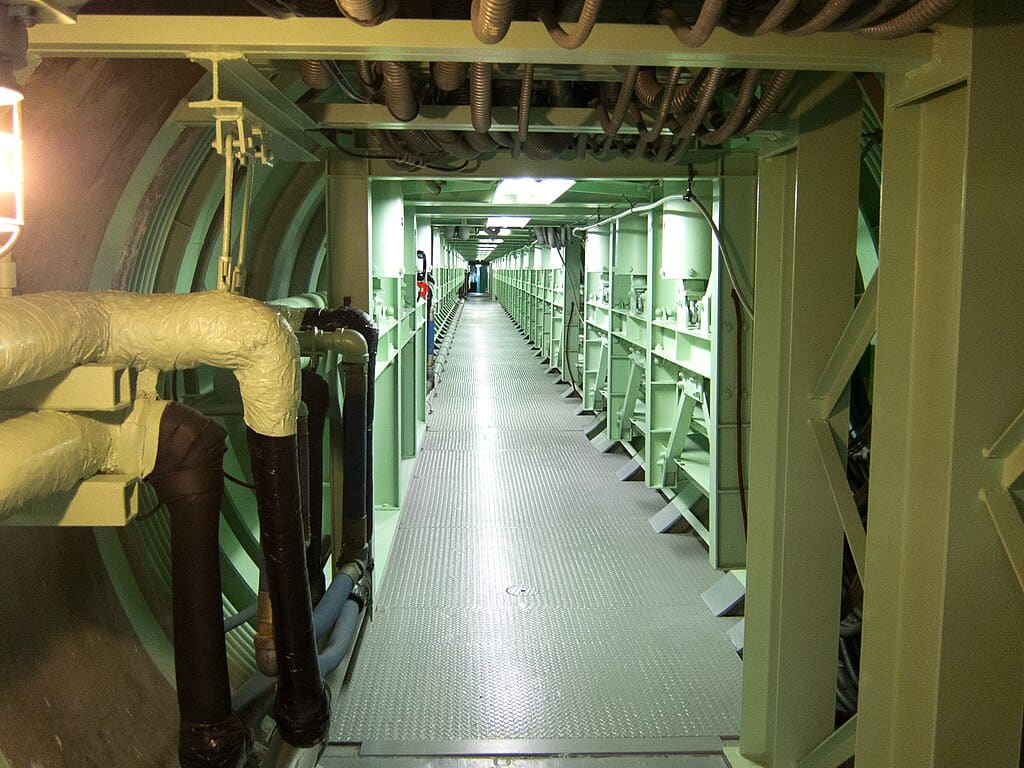
Home to a massive 103-foot Titan II missile, this 1963 launch site preserves one of America’s most powerful weapons, capable of delivering a warhead of 9 megatons. Visitors descend 35 feet underground into the command center, seeing the original control panels used by crews working 24-hour shifts. The complex includes three blast-resistant levels and miles of connecting tunnels. Now drawing around 80,000 visitors yearly, the museum offers a sobering yet fascinating look at Cold War engineering, global strategy, and rapid-strike capabilities.
5. Strategic Air Command & Aerospace Museum : Nebraska
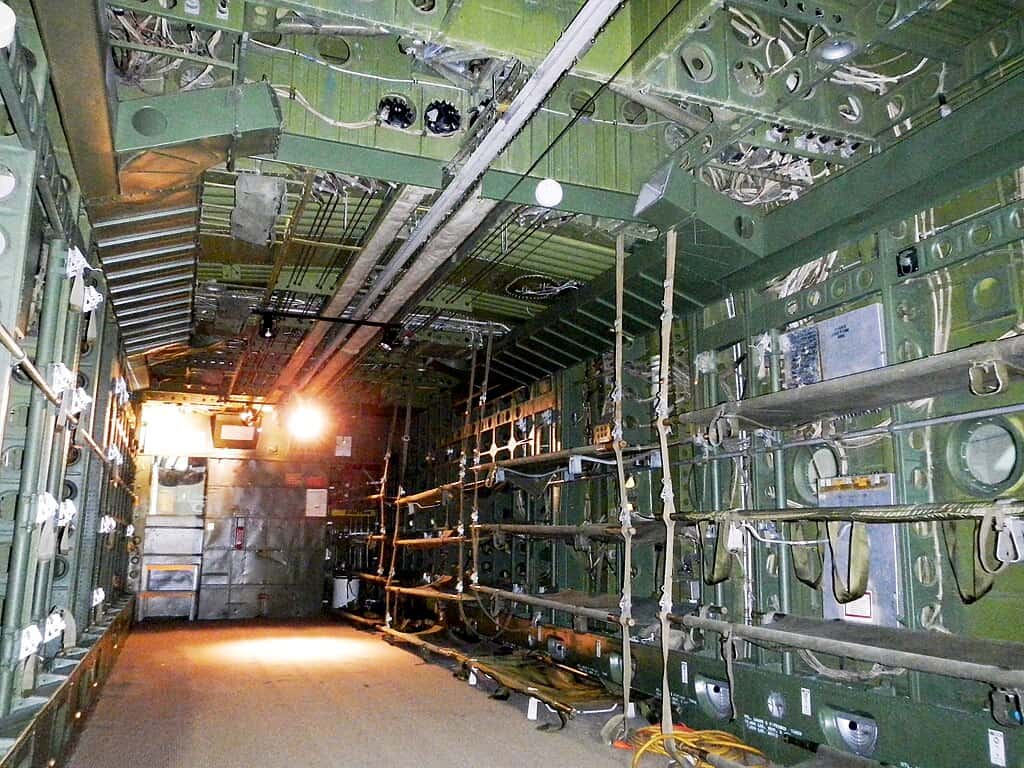
This museum houses more than 300,000 square feet of aircraft and artifacts, including iconic bombers like the B-52 Stratofortress, which entered service in 1955 and could carry 70,000 pounds of ordnance. Exhibits explore reconnaissance missions that covered thousands of miles across global airspace. With over 120,000 annual visitors, the museum blends Cold War history with aerospace innovation, illustrating how surveillance, long-range bombing, and strategic planning evolved. Interactive stations help guests understand communication networks and the high-stakes decisions crews once faced.
6. Wendover Airfield : Utah
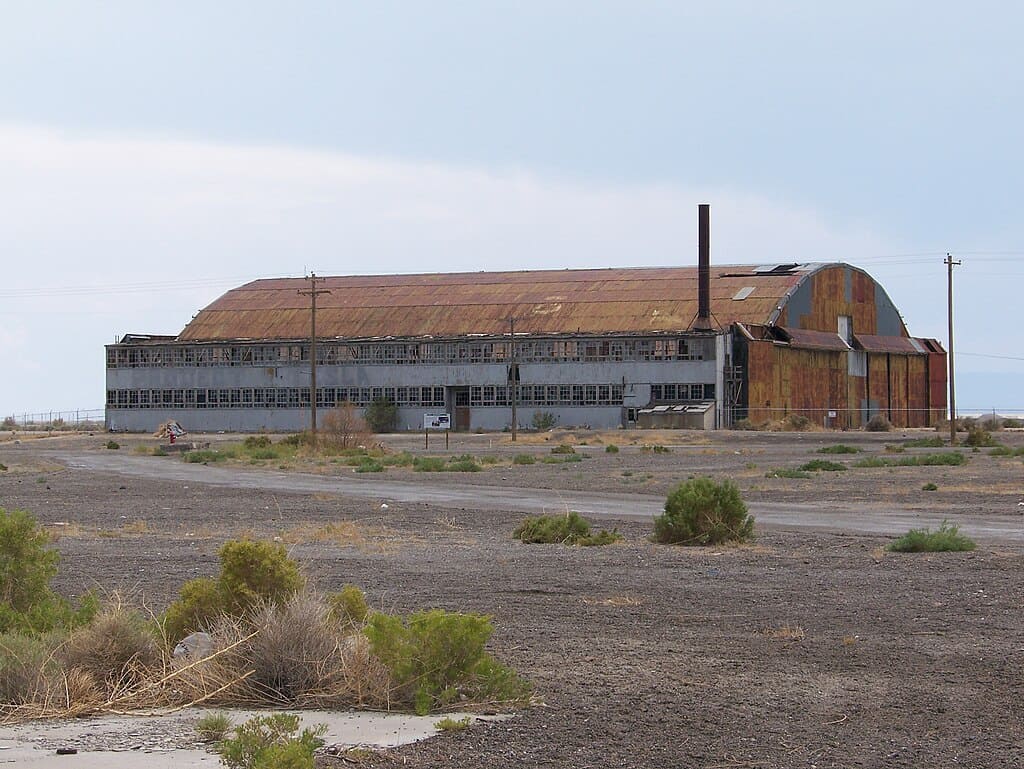
Originally built in 1940 and later expanded for Cold War testing, Wendover Airfield covers nearly 1.8 million acres of isolated desert terrain. Its 8,000-foot runway supported bomber training and classified experiments throughout the 1950s and 1960s. Visitors can explore restored hangars, briefing rooms, and an operations building that once coordinated dozens of missions per week. The site receives around 45,000 visitors annually, many drawn by its remote atmosphere and the rare chance to see Cold War infrastructure preserved in its original setting.
7. Nike Missile Site SF-88 : California
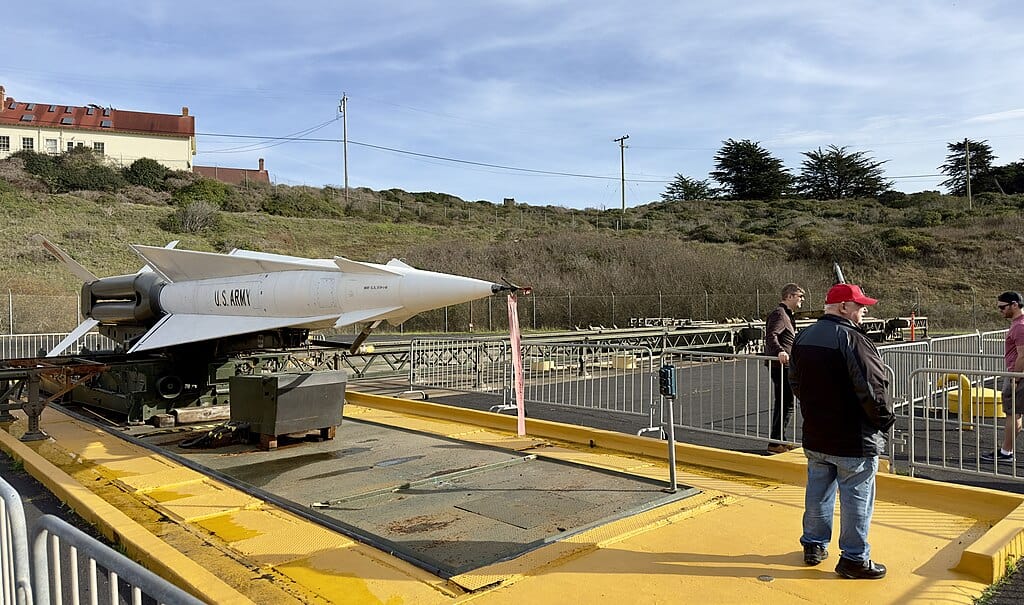
Constructed in 1954, SF-88 once housed 12 Nike-Hercules missiles, each capable of reaching speeds of Mach 3.65 and intercepting aircraft at altitudes over 100,000 feet. The underground magazine, accessible by elevator, stored missiles in climate-controlled chambers staffed by crews on constant alert. Volunteers demonstrate radar systems and hydraulic lifts originally designed for rapid launch readiness. With more than 50,000 annual visitors, the site’s combination of coastal scenery and preserved missile defenses offers a compelling snapshot of regional protection efforts.
8. National Cryptologic Museum : Maryland
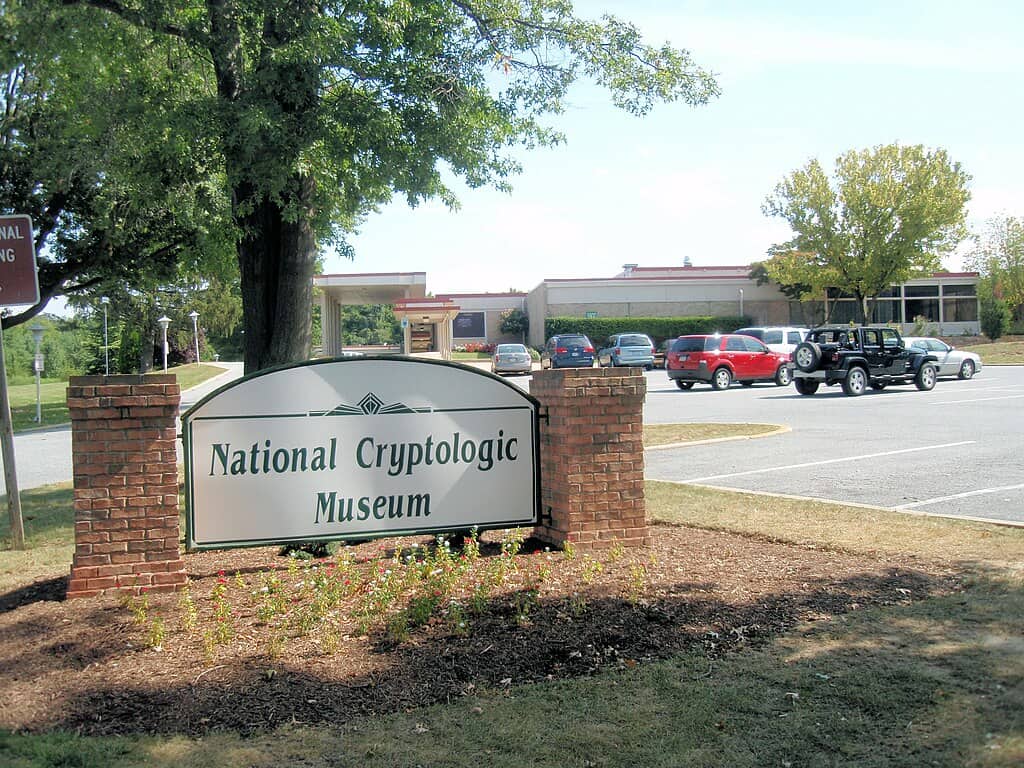
The museum preserves over 7,500 artifacts, including Cold War cipher machines, early computers, and satellite interception tools. Exhibits detail how intelligence analysts processed hundreds of encrypted messages per day, relying on machines like the KL-7, used from 1952 to 1983. Interactive stations let guests test encryption methods once vital to global monitoring. Serving more than 100,000 visitors annually, the museum highlights how information, mathematics, and codebreaking shaped policy decisions and national security strategies throughout the Cold War’s evolving landscape.
9. Los Alamos Historic District : New Mexico
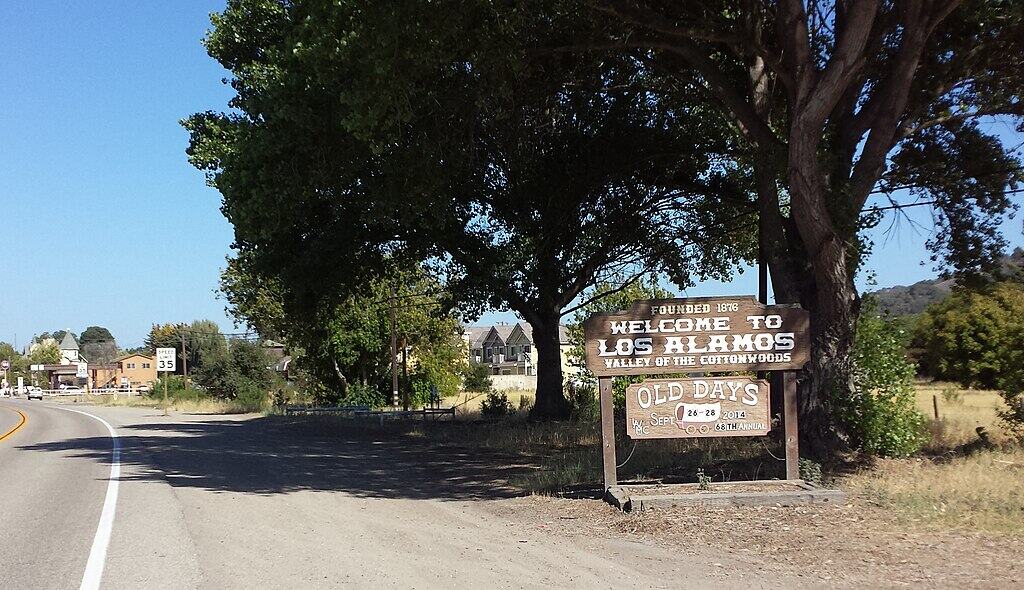
Los Alamos expanded significantly during the Cold War, eventually covering 40 square miles dedicated to weapons research, high-energy physics, and emerging technologies. Laboratories operated with thousands of scientists working on classified projects, many running budgets exceeding $100 million annually. Today, visitors explore preserved homes, early research buildings, and museums interpreting decades of scientific breakthroughs. With roughly 70,000 tourists a year, the district provides insight into the ethical dilemmas, discoveries, and intense secrecy that defined one of America’s most innovative research hubs.
10. Hanford Site : Washington
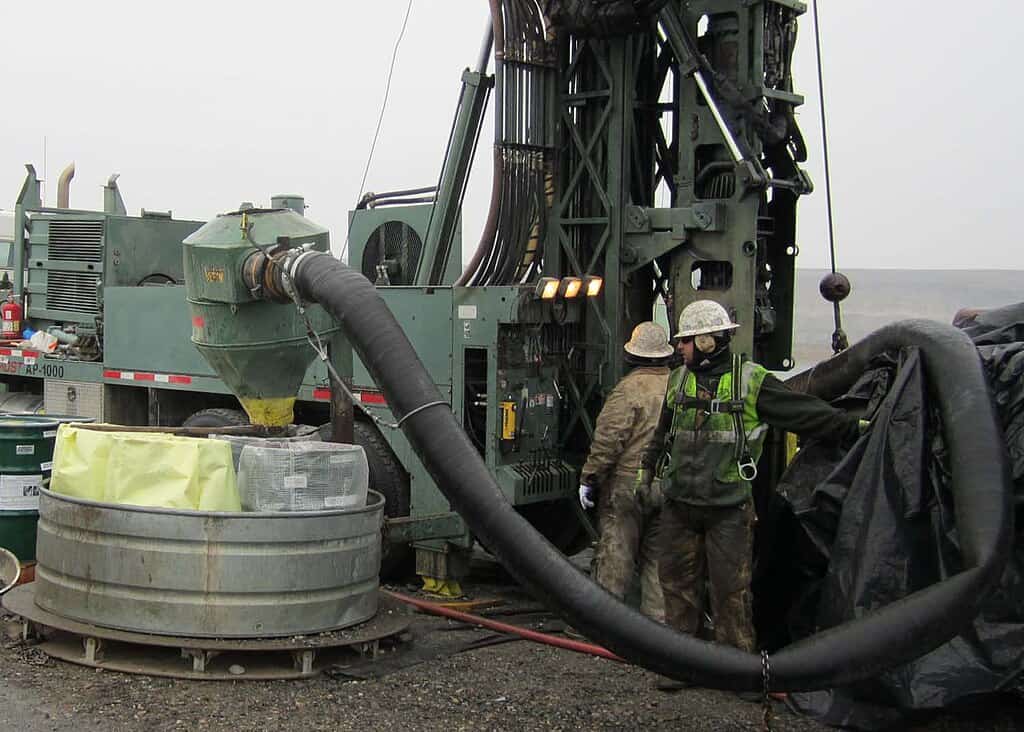
The Hanford complex once hosted nine nuclear reactors and produced most of the plutonium used during the Cold War. Its B Reactor, built in 1944 and covering 150,000 square feet, became the world’s first full-scale plutonium reactor. Tours draw nearly 20,000 visitors annually, guiding them through control rooms, fuel bays, and industrial structures that process thousands of fuel rods per month. Educational programs highlight engineering challenges, environmental impacts, and the decades-long cleanup costing over $100 billion to date.
11. Pave PAWS Radar Station : Massachusetts
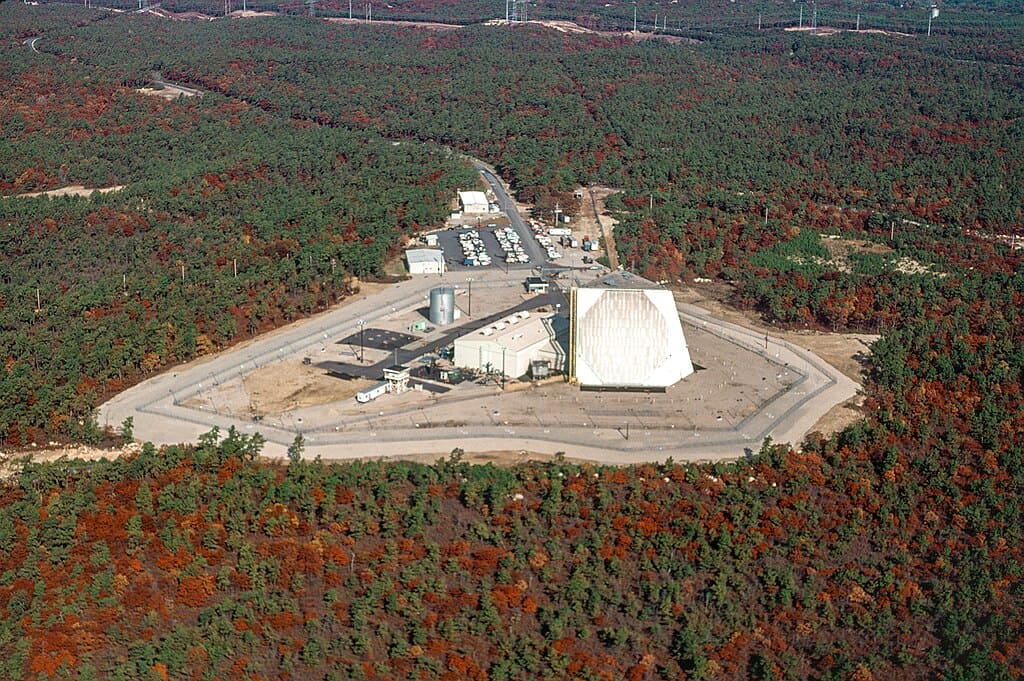
Completed in 1980, the Pave PAWS system uses a distinctive three-sided, 105-foot-tall radar array capable of tracking objects at distances exceeding 3,000 miles. Designed to detect submarine-launched ballistic missiles, the site processed millions of data points daily during peak operations. Nearby visitor areas and local exhibits explore the radar’s technology, architecture, and community impact. Drawing around 30,000 regional visitors each year, the station remains a striking reminder of early-warning systems that operated silently along the nation’s coastline.
12. Bannerman Army Depot : New York
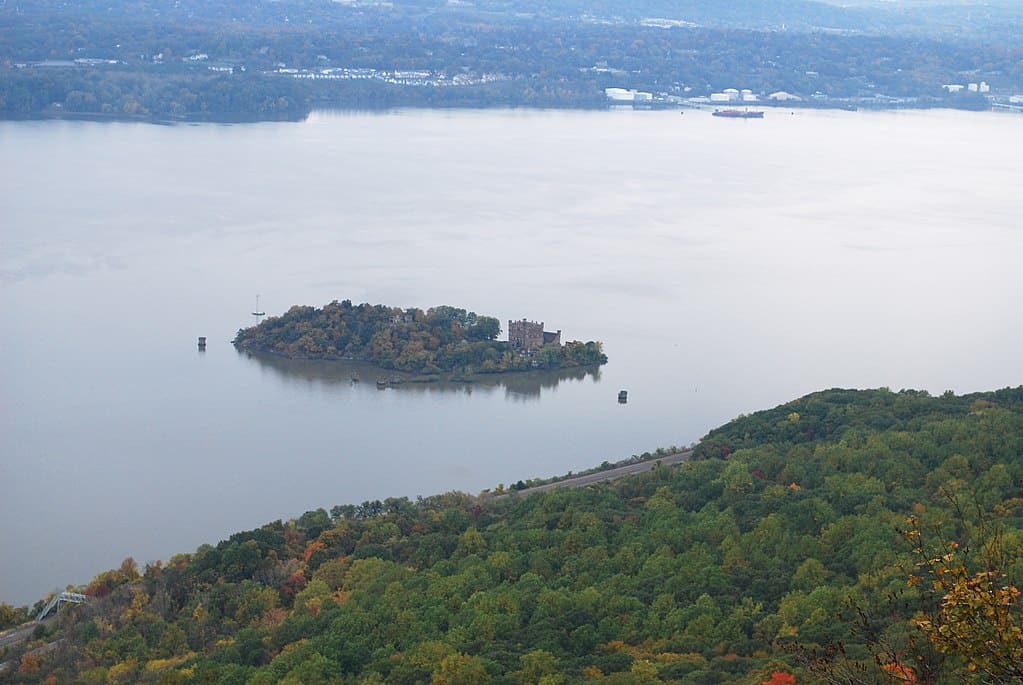
Built in 1901 and later used through the Cold War, this island depot once stored more than 2 million pounds of surplus ordnance. Its fortress-style warehouse, measuring 7 stories and perched above the Hudson, managed shipments supporting regional military infrastructure. Although partially ruined, it still attracts around 25,000 visitors yearly. Guided tours detail the transportation procedures, security measures, and logistical tasks handled by crews operating in the remote environment, showcasing how stockpiling and distribution evolved across the 20th century.
13. Portsmouth Naval Shipyard : Maine
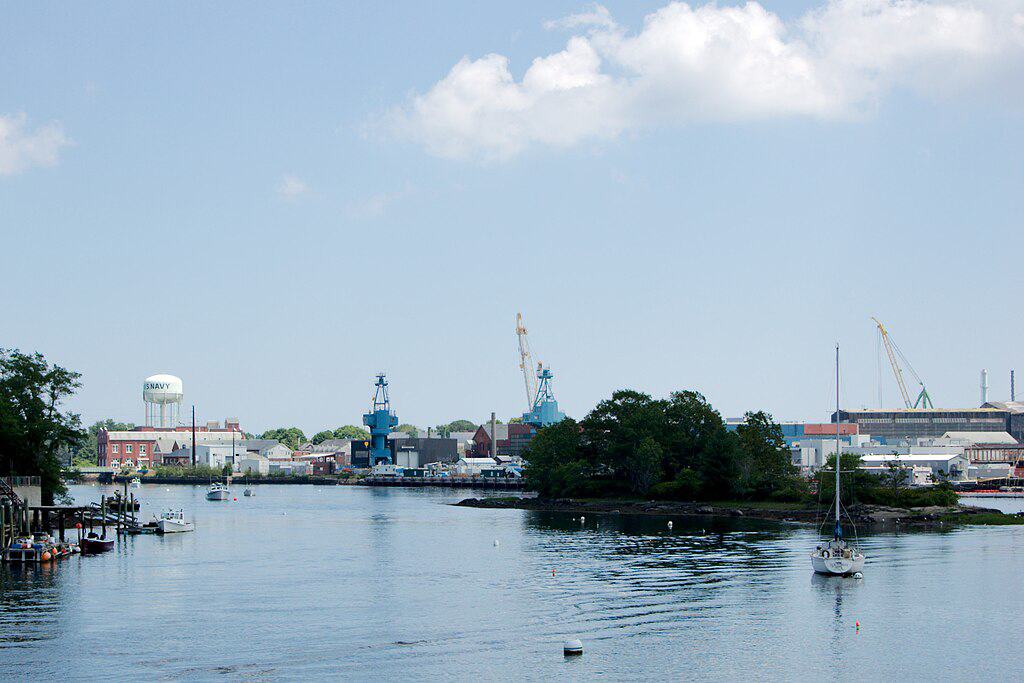
Founded in 1800 but transformed during the Cold War, the shipyard became a major center for nuclear submarine construction and overhaul. At its peak, more than 7,000 workers maintained fleets of fast-attack submarines measuring over 270 feet in length. Today, visitors learn how engineers improved stealth coating, sonar arrays, and propulsion systems throughout the 1950s–1980s. Public programs attract about 40,000 guests yearly, offering insight into the demanding world of underwater warfare and the shipyard’s critical national-security role.