What a New Museum Does to the Half-Mile Around It in 5 Years—Beyond Bringing In More Visitors
We may earn money or products from the companies mentioned in this post. This means if you click on the link and purchase the item, I will receive a small commission at no extra cost to you ... you're just helping re-supply our family's travel fund.
When a city builds a major museum, the effects often travel about a half-mile before they become visible in obvious ways. Foot traffic rises, sidewalks improve, restaurants and retail test the area, and developers begin to read the institution as a signal that public attention will last. The museum can create a welcome civic destination, but it can also accelerate changes in rent, parking, land value, and who feels able to remain nearby.
A cultural building becomes an economic signal
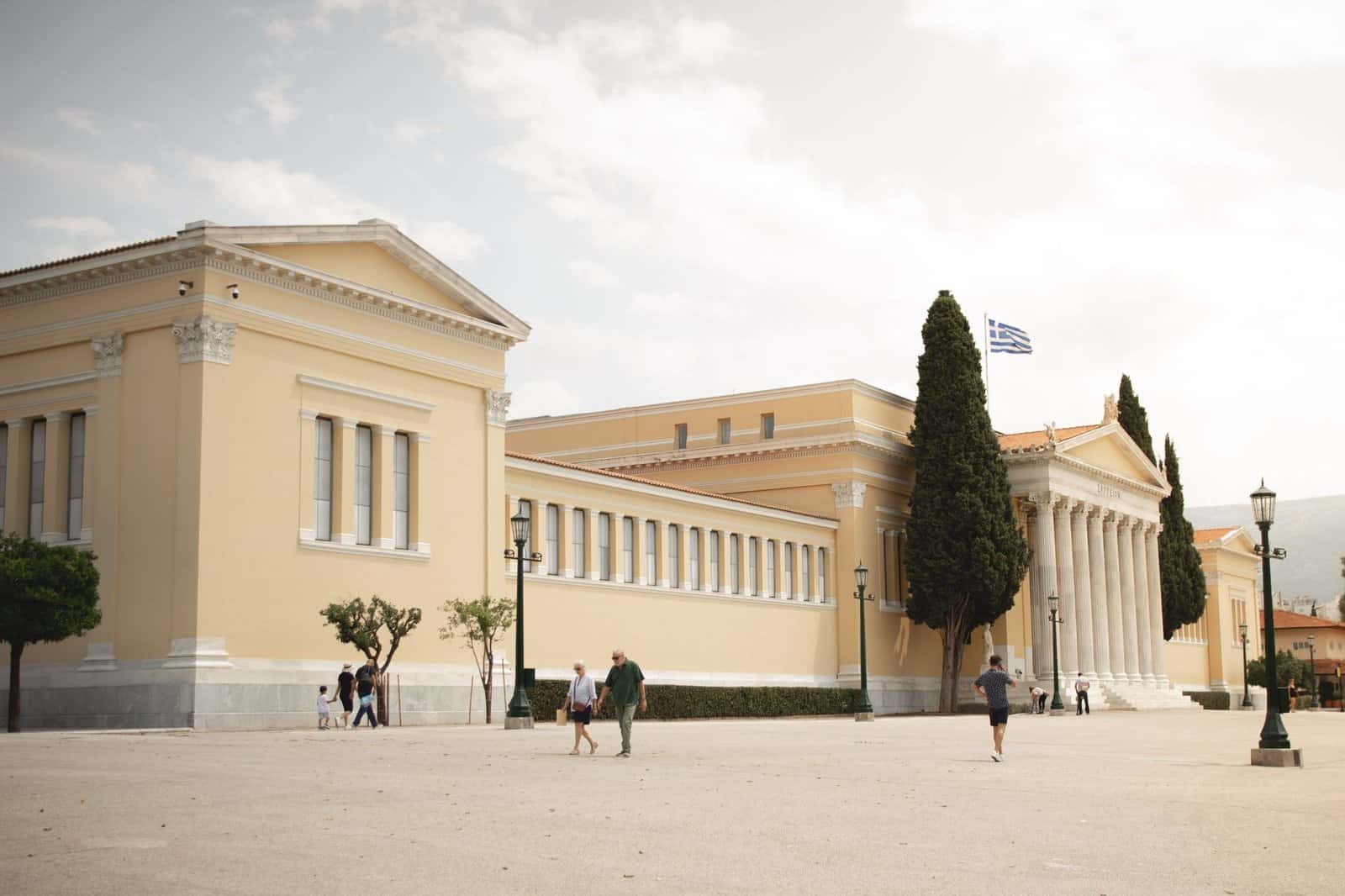
Five years is a reasonable window for the first wave of neighborhood effects, though every project is different. Construction creates temporary disruption; opening-day traffic creates new demand; later programming determines whether the building becomes a daily civic resource or an occasional event site. The half-mile is not a hard boundary, but it captures how walkability makes proximity valuable.
The half-mile radius changes first
The strongest museums are porous: they offer public space, community programming, school partnerships, local hiring, and reasons to return without a ticket to a blockbuster show. Their cafes and plazas can support nearby streets, while their architecture may reshape how a city imagines an overlooked district.
Public investment creates public obligations
The risk is treating cultural investment as automatically equitable. A museum can be publicly funded while the resulting value accrues mainly to landowners. Community benefits, affordable commercial space, transit access, and programming designed with nearby residents help determine whether the institution becomes an anchor or an extraction point.
Measure more than visitor counts
Visitors can contribute by using transit when possible, buying from independent businesses nearby, and seeing the museum as part of a district rather than a self-contained attraction. The richer story is what happens outside the gallery doors.
- Walk the surrounding half-mile before and after a museum visit.
- Use public transit or shared mobility when available.
- Check for local-community programming, not only headline exhibitions.
- Spend with independent nearby businesses.
- Notice who the public spaces appear designed to welcome.
The practical lesson is to read the place at two scales. At the close scale, notice a transit stop, an open storefront, a neighborhood street, a menu, or a trailhead. At the larger scale, ask what system placed it there: a university, a port, an employer, a climate pattern, a public investment, or years of local decisions. That second question does not make a trip less pleasurable. It gives pleasure a setting, and it keeps a visitor from confusing a polished corner with the whole community.
Context also improves planning. It makes it easier to pick an appropriate season, reserve the right amount of time, and bring a budget that includes the people doing the work. The best itineraries leave some unscheduled room because conditions change. A rain delay, a crowded entrance, or a closed restaurant is less frustrating when the trip includes several ways to understand the same place rather than one narrow plan that must succeed.
Use the headline as an opening, not a conclusion
Numbers in a headline are useful because they make an abstract change concrete, but no single figure can describe every household or every block. A price point can vary by property type, a population count can hide a daytime workforce, and a tourism statistic can miss the off-season. Readers should treat the figure as a prompt to look closer. The credible travel story is one that leaves room for variation while still naming the forces that make variation matter.
An attentive traveler can act on that understanding without performing expertise. Choose licensed lodging, use public space according to posted rules, buy something from a business that serves residents, and resist the urge to turn private routines into entertainment. If the place has an obvious capacity constraint, travel at a less intense time or make the day slower. These small choices do not solve structural problems, but they make the visitor less likely to add pressure blindly.
Finally, return visits are often more informative than first visits. Familiarity reveals which changes were temporary, which blocks gained activity, which routes became harder, and which local rituals remained durable. Travel becomes more rewarding when it is not a race to declare a place finished after one weekend. The country, city, or neighborhood has a longer timeline than any itinerary. A good guest leaves with curiosity rather than ownership.
It is worth planning the margins of a trip with the same care as the headline activity. Arrival and departure neighborhoods, grocery stops, transit stations, public libraries, waterfront paths, and ordinary lunch counters are where a city often becomes legible. Those spaces are not always photogenic, and they are not obligations to consume. They simply show how daily systems connect. A visitor who notices them has a better chance of understanding why a local complaint about traffic, housing, weather, or staffing is not just an abstract civic argument.
The result should be a more generous kind of travel writing and a more realistic kind of travel. It can praise beauty, good food, or an exceptional museum without pretending those things appeared in a vacuum. It can name inconvenience without declaring a place broken. This balance matters because destinations are homes before they are content. A trip has more depth when it acknowledges that order and lets the people who live there retain complexity beyond the visitor’s own story.
Travel is more useful when it includes a margin for ordinary life. Notice the routes people use to reach work, the hour when a café is busy, the location of a clinic, library, playground, or market, and the conditions that make a good day harder for some residents. These details do not reduce the pleasure of a destination. They make the pleasure legible. They also help a visitor avoid making an attraction the only measure of a place that has many other reasons to exist.
The headline number should therefore be treated as a starting point rather than a complete verdict. Markets change, seasons alter capacity, and a citywide statistic can conceal major differences between blocks. A careful traveler uses the number to ask better questions: who benefits from the change, who bears the cost, what public system supports the visible experience, and how can a short visit contribute without demanding ownership. That is the difference between consuming a place and paying attention to it.
The context makes the visit better
A major museum can change a neighborhood’s future long before all the new buildings appear. The visible gain is a cultural destination. The harder measure is whether the surrounding half-mile becomes more useful and accessible to the people already living there.