Honolulu Is One of the Most Expensive Cities in America for Local Residents. Here’s How It Hits You as a Tourist
We may earn money or products from the companies mentioned in this post. This means if you click on the link and purchase the item, I will receive a small commission at no extra cost to you ... you're just helping re-supply our family's travel fund.
Honolulu is one of the most expensive cities in America for the people who live there, and visitors feel it in their own way: a hotel tax stack that can reach about 18.7 percent, resort and parking fees on top of the nightly rate, and restaurant and grocery prices that run well above the mainland. To be precise, Manhattan ranks higher in the C2ER cost-of-living index for the second quarter of 2026, with Honolulu in second place, so Honolulu is not the single most expensive city, but it is firmly near the top. Here is how that shows up for a tourist, where the costs are real and where they are easy to trim.
One of the Most Expensive Cities in America, Explained
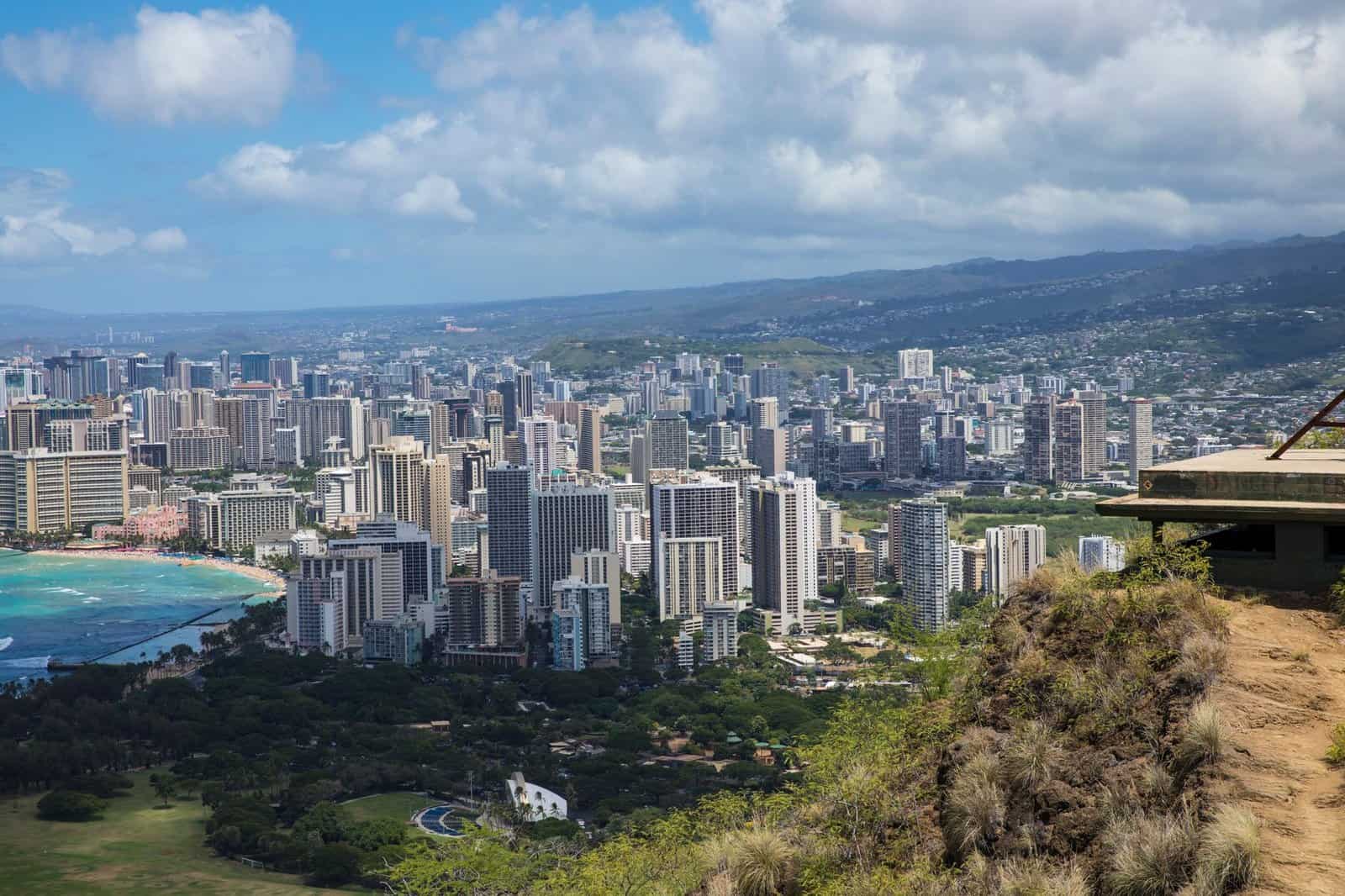
Honolulu’s costs are driven by geography and economics. The city sits on an island in the middle of the Pacific, and almost everything, from food and fuel to building materials and cars, arrives by ship or plane. Land is limited by mountains and ocean, so housing is among the least affordable in the nation. Hawaii also has high taxes on lodging and a general excise tax that applies to most transactions.
Local costs show the pattern. Housing in Honolulu runs roughly three times the average of the places C2ER surveys, according to reporting on its second-quarter 2026 index. One-bedroom apartments in the city center commonly rent for around $1,800 to $3,300 a month, depending on the source and the neighborhood. Single-family homes on Oahu often sell for around a million dollars or more. Utilities, including electricity, are among the highest in the country because Hawaii relies on imported oil for much of its power, though solar and other renewables are growing.
For residents, the result is a constant squeeze. Many people work multiple jobs, share housing across generations, or leave for the mainland, which is a major concern in Hawaii. For visitors, the costs are different but still significant. The rest of this article breaks them down.
The Hotel Tax Stack
The biggest surprise for many first-time visitors is the tax on lodging. As of January 1, 2026, the state’s transient accommodations tax rose from 10.25 percent to 11 percent under Act 96, according to the Hawaii Department of Taxation. The City and County of Honolulu adds another 3 percent. On top of that, the general excise tax and Oahu surcharge can add up to 4.712 percent when passed on to guests. Together, that puts the tax line at up to about 18.7 percent of the room rate.
A simple example shows the effect. A room advertised at $250 a night becomes about $297 a night after taxes, and a seven-night stay adds more than $325 in taxes alone. Resort fees, parking, and cleaning fees for vacation rentals come on top of that, so the all-in nightly price is usually well above the advertised rate. Check the total price at checkout, not the headline number.
Resort Fees and Parking
Many Waikiki hotels charge a daily resort or destination fee, commonly in the range of $30 to $60 plus tax, which covers things like Wi-Fi, beach chairs, or activities that you may or may not use. Parking at Waikiki hotels is often $40 to $65 a night, and some charge more. If you rent a car, you may pay nearly as much for parking as for the rental on some days. Many visitors save money by renting a car only for the days they need it, or by using buses, rideshares, and walking in Waikiki.
Food and Groceries
Restaurant prices in Waikiki and Ala Moana run high. A casual sit-down meal commonly costs $20 to $35 per person before tip, and a dinner at a mid-range restaurant can easily reach $50 or more. Local plate lunches, a Hawaii staple with rice, macaroni salad, and a protein, typically cost around $12 to $18 and are one of the best values on the island. Groceries are significantly more expensive than on the mainland, with milk, produce, and meat often costing noticeably more, and grocery stores in resort areas charge a premium.
Activities and Fees
Many of Oahu’s best experiences are free, such as beaches, sunsets, and many hikes. But popular sites increasingly charge fees and require reservations. Hanauma Bay Nature Preserve charges non-resident admission and requires an advance reservation, and it is closed on certain days. Diamond Head State Monument charges non-resident entry and parking fees and requires reservations. Luaus, snorkel tours, surf lessons, and helicopter rides range from tens of dollars to hundreds. Prices vary, so check current rates and book ahead.
Transportation
Gas prices on Oahu are typically among the highest in the country. Rental cars can be expensive in peak season, and supply can be limited. TheBus, the island’s public bus system, is inexpensive, and Waikiki is walkable. Rideshares and taxis add up quickly on longer trips, such as from the airport to Waikiki or to the North Shore.
Ways to Trim the Bill
You cannot change Hawaii’s tax rates, but you can reduce the rest.
1. Compare total prices. Look at rates with taxes, resort fees, and parking included. 2. Stay outside the core of Waikiki. Hotels a few blocks inland or in neighborhoods like Ala Moana or Kakaako are often cheaper. 3. Choose a room with a kitchenette. Preparing some meals saves a lot, especially for families. 4. Eat local. Plate lunches, food trucks, bakeries, and neighborhood restaurants cost less than tourist-zone dining. 5. Shop at regular grocery stores. Stores outside resort areas have better prices than convenience stores. 6. Travel in shoulder seasons. Late April to May and September to early November are often cheaper than summer, winter holidays, and spring break. 7. Rent a car selectively. Use it for the North Shore or windward side days, and skip it when you stay in Waikiki. 8. Use free activities. Beaches, sunsets, free hula shows, and hikes cost little. 9. Book fee-based activities in advance. Reservations are often required and spots can sell out.
How Costs Compare for a Typical Week
A rough sketch for two adults for a week, excluding airfare, might look like this. These are typical ranges, not quotes.
- Lodging: a mid-range Waikiki hotel at about $250 to $350 a night, plus taxes and resort fees, comes to roughly $2,300 to $3,300 for seven nights.
- Food: $120 to $200 a day for a mix of casual restaurants, plate lunches, and groceries.
- Transportation: $0 to $500 depending on whether you rent a car, plus parking.
- Activities: $200 to $800 depending on what you book.
All together, a week for two can reasonably run from about $4,500 to $7,000 or more, though careful planning can bring it down. Prices change, so check current rates for your dates.
Visiting Respectfully
Because residents live with high costs, they also face crowding, traffic, and pressure on resources from tourism. A few habits help.
- Respect the land and ocean. Stay on marked trails, do not touch wildlife like sea turtles or monk seals, and use reef-safe sunscreen.
- Support local businesses. Buy from local artists, farmers markets, and family restaurants.
- Follow rules at sacred sites. Some places are culturally significant, and signs explain how to behave.
- Be patient and polite. Service workers often hold more than one job and appreciate courtesy and fair tips.
- Choose legal lodging. Illegal short-term rentals take housing from residents, and the state and county have been cracking down on them.
Check Before You Go
Tax rates, resort fees, and attraction rules change. Check the Hawaii Department of Taxation for current lodging tax rates, and confirm fees and reservations on the websites for Hanauma Bay, Diamond Head, and other sites. Watch the weather in winter, when high surf can close beaches, and during hurricane season. Book popular tours and rentals in advance.
Why Locals Pay More Than Visitors Realize
The prices visitors see are only part of the story. Honolulu’s workers face the same costs on local wages, and that affects the service you get, the crowding you see, and the character of the neighborhoods you visit.
Housing Pressure Shapes the Visitor Experience
When housing costs are three times the average of comparable places, many workers in hotels, restaurants, and tour companies commute long distances from Leeward Oahu or share homes. That is one reason some businesses keep limited hours or struggle to staff shifts. If a restaurant is short on staff or a shop closes early, it is often a reflection of these pressures rather than a lack of care.
Why Imported Goods Cost More
Hawaii imports a large share of its food and goods, and shipping, handling, and storage add to the final price. Island-grown items such as papaya, pineapple, and local coffee or fish often cost less than imported equivalents in shops, so choosing local products can help both your budget and the local economy. Farmers markets, such as the Saturday market at Kapiolani Community College, are a good place to find local produce and prepared food at fair prices.
Where Visitors Can Get Better Value
Some choices stretch a budget without reducing the experience. Many visitors find that a mix of a Waikiki base for a few nights and a stay on the North Shore or windward side spreads costs and reduces crowding. Others book mid-week, when flights and hotel rates can be lower. Free options such as Kailua Beach, Lanikai, Waimea Bay in summer, and the Honolulu Museum of Art on discounted days offer experiences that cost little. Always confirm current prices and hours before you go.
The Takeaway
Honolulu is one of the most expensive cities in America for residents, and visitors see it in an 18.7 percent tax stack on rooms, added resort and parking fees, and higher prices for food and activities. Plan for the total cost, look for savings in lodging and meals, and visit with respect for the people who live there.