Corpus Christi Is Only One Piece of the Gulf Coast — 3 Nearby Towns Show Visitors the Economy They Rarely See
We may earn money or products from the companies mentioned in this post. This means if you click on the link and purchase the item, I will receive a small commission at no extra cost to you ... you're just helping re-supply our family's travel fund.
Gulf Coast towns near Corpus Christi show a side of the Texas coast that most beach visitors drive past: shrimp boats, shipyards, refineries, an LNG plant, and a deepwater port that sits at the center of the regional economy. These 3 nearby towns, Aransas Pass, Ingleside, and Portland, are all within about 15 to 30 miles of downtown Corpus Christi. Each one lives off the working coast in a different way, and each is worth a stop if you want to see how the region earns its living beyond hotels and seawalls.
Gulf Coast Towns Near Corpus Christi

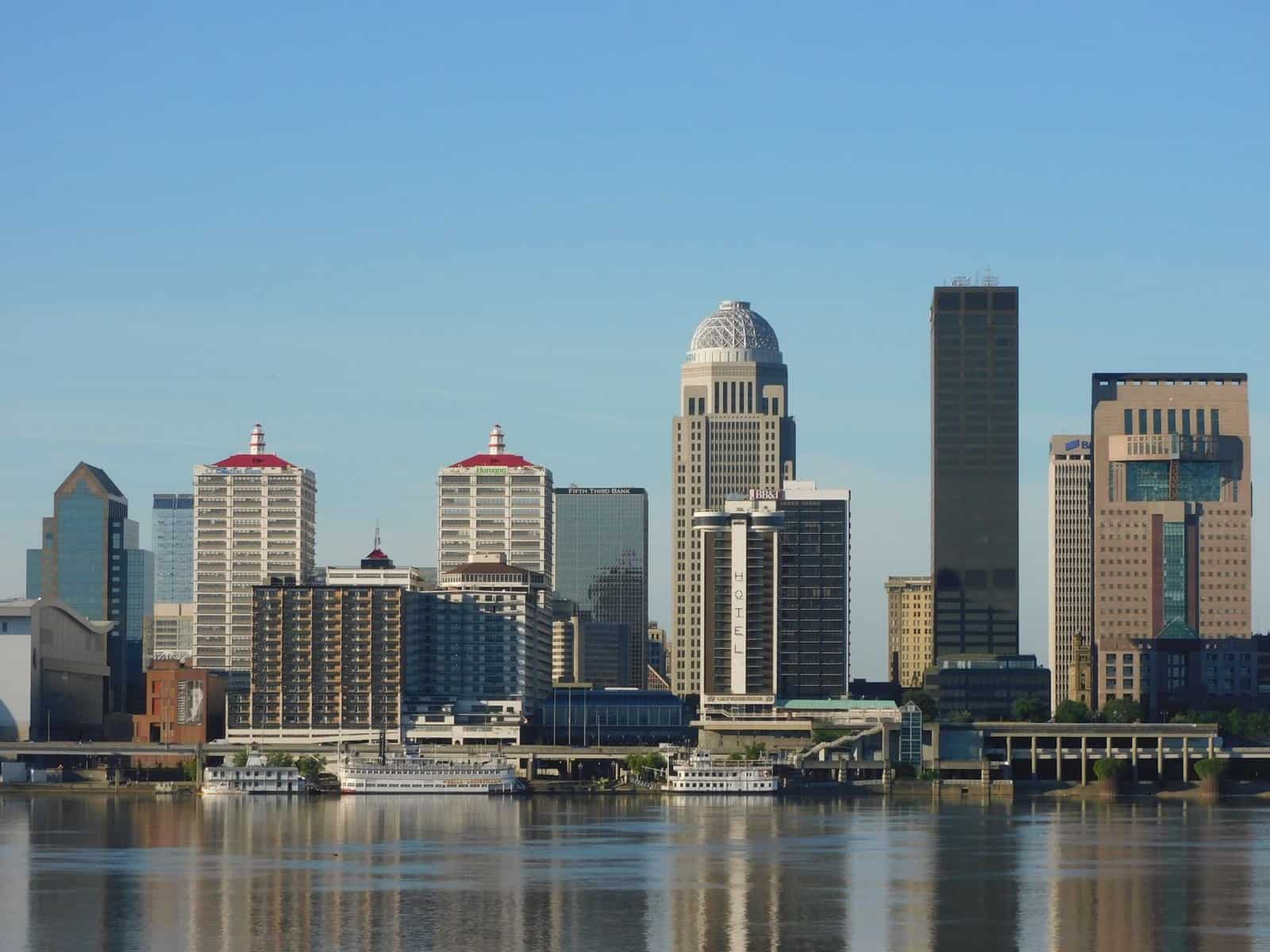
Corpus Christi, with roughly 315,000 people, is the largest city on the South Texas coast. Visitors know it for the USS Lexington museum, the Texas State Aquarium, the downtown seawall, and the beaches of Padre and Mustang Islands. What they see less often is the other half of the economy: the Port of Corpus Christi, which handles very large volumes of crude oil, petroleum products, and other cargo and ranks among the biggest U.S. ports by tonnage. Around the bay, industrial plants, fabrication yards, and fishing fleets employ thousands of people.
The three towns below sit across the water from the downtown skyline or just up the coast. They are small, they are practical, and they are not trying to be resort towns. That is their appeal for a curious traveler. You can eat fresh seafood on the docks, watch ships and boats move through the channels, and see how energy, fishing, and shipbuilding shape a coastal community. Details such as company names, plant sizes, and employment numbers change, so check current local sources before you rely on any specific figure.
1. Aransas Pass: The Working Harbor
Aransas Pass, with a population of roughly 8,000 to 9,000, is a fishing town at the northern end of the Corpus Christi Bay area, in San Patricio and Aransas counties. Its identity is tied to shrimping and commercial fishing. The harbor is home to shrimp boats, and local seafood houses unload and sell the catch. The town’s economy also includes boat repair, marine supply, and small businesses that serve both commercial fishermen and sport anglers.
For visitors, the experience is simple and good.
- Watch the boats. The harbor and nearby waterfront areas are lined with working vessels, and you can see the shrimp fleet when it is in port.
- Eat local seafood. Casual restaurants and seafood markets serve fresh shrimp, fish, and crab. Many are family-run and cash-friendly, but check hours, since they vary by season.
- Fish. Jetties and piers in the area are popular with anglers, and guides run trips for redfish, speckled trout, and flounder. A Texas fishing license is generally required for anglers, so check current rules.
- Ride the Port Aransas ferry. The free ferry connects Aransas Pass-area waters with Port Aransas on Mustang Island, and the short crossing offers views of ship traffic in the channel. Lines can be long on summer weekends.
The economic story is the shrimping industry itself. Shrimpers face rising fuel and labor costs, competition from imported shrimp, hurricane damage, and regulations. The industry has shrunk from its peak, but it still provides jobs and a sense of identity. If you buy shrimp from a local market, you support that economy directly.
2. Ingleside: Shipyards, Terminals, and a Naval Legacy
Ingleside, with a population of roughly 10,000 to 12,000, sits on the north shore of Corpus Christi Bay across from the city. For many years, it was known as the home of Naval Station Ingleside, a Navy base that closed in 2010 following federal base realignment decisions. The loss was a blow to the community, but the area has since become a center of industrial activity tied to the port.
Today, Ingleside’s waterfront and surrounding areas host fabrication yards, marine terminals, and energy facilities. Offshore platforms and modules are built and shipped from nearby yards, and a major crude oil export terminal has developed in the area. The industrial footprint is large, and you can see it from the road and across the bay. The town also has residential neighborhoods, schools, and small businesses that serve plant and port workers.
What can visitors do?
- See the bay from Ingleside on the Bay. The waterfront area has views across the water toward Corpus Christi and Portland, and it is a good place to watch ship traffic.
- Drive the industrial corridor. A drive along the highways near the port shows the scale of the cargo and energy operations. Stay on public roads, since many facilities are restricted.
- Visit nearby parks and the coast. The area has public access to the bay for fishing, birding, and kayaking.
- Eat at local cafes and taquerias. Many serve workers on their lunch breaks, and prices are typically lower than tourist areas.
Ingleside’s economy shows the tradeoffs of heavy industry. Jobs can be well paid, but plants and yards hire in cycles tied to oil and gas projects, and residents sometimes raise concerns about air quality, traffic, and truck and ship activity. Housing demand rises when large projects start, and the town has to balance growth with quality of life.
3. Portland: The Bedroom Community Next to Big Plants
Portland, with a population of roughly 21,000 to 22,000, is the largest of the three and sits on the northern shore of the bay, just west of Ingleside, in San Patricio County. It grew as a residential community for workers and families, and it still has the feel of a suburban town, with schools, parks, shopping centers, and subdivisions, along with a fishing pier and access to the bay.
Large industrial sites in the area shape the local economy. Nearby, Cheniere operates a liquefied natural gas export plant, one of the large LNG facilities on the Gulf Coast, and a major petrochemical complex built in the late 2010s and early 2020s operates in San Patricio County. These projects bring construction jobs and long-term operating jobs and add tax revenue to local governments and school districts. They also draw large numbers of workers into town, which pushes up demand for housing and services.
For visitors, Portland is more of a base than a destination.
- Stay for lower rates. Hotels in Portland and nearby towns often cost less than waterfront hotels in Corpus Christi, though they may fill during large industrial projects.
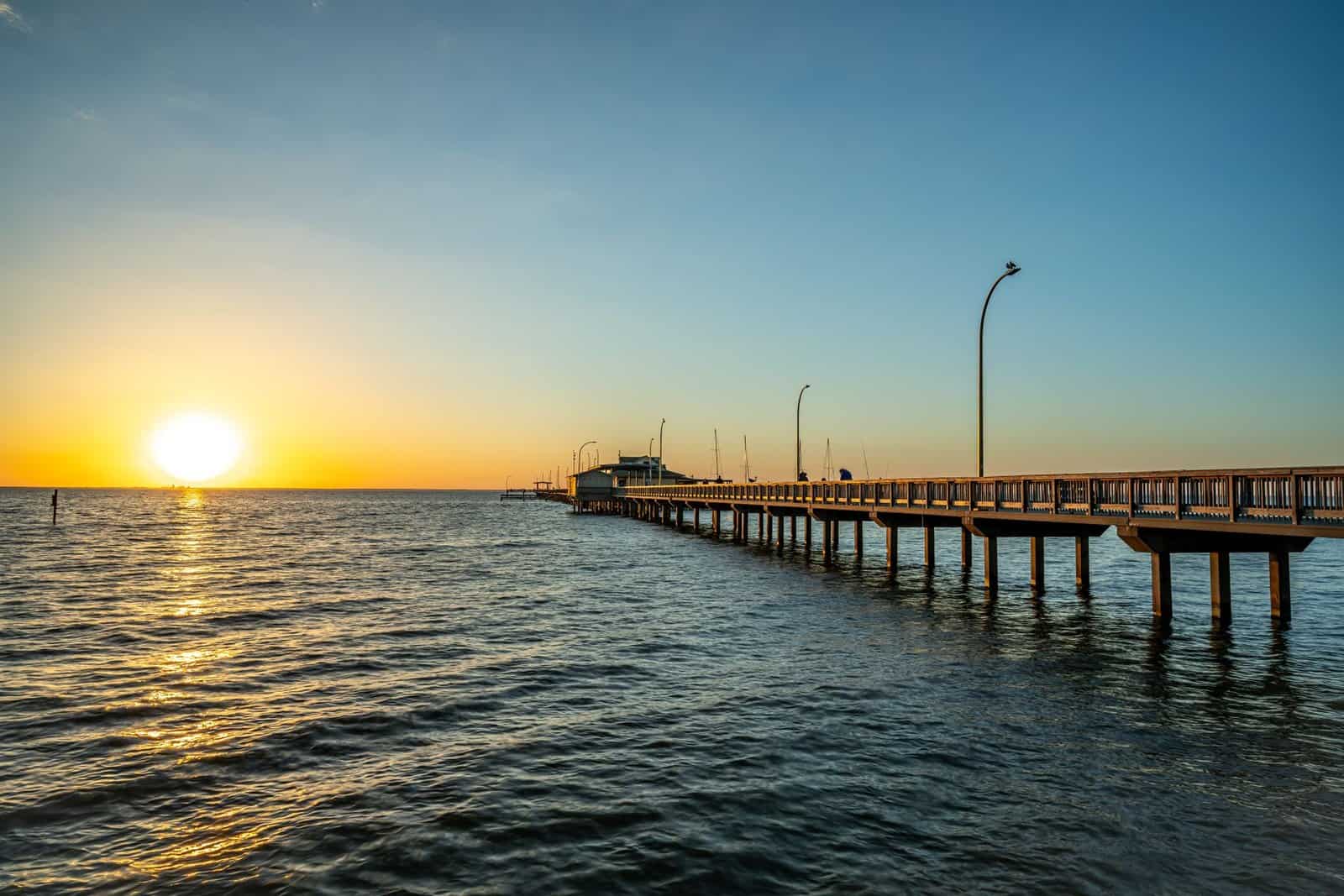
- Use the Portland fishing pier and shoreline. Anglers fish from the Portland area, and the views across the bay to the Corpus Christi skyline are good at sunset.
- Visit the Nueces Bay side. The bays and wetlands around the area attract birds and wildlife.
- Shop and eat locally. Portland has chain restaurants and some local favorites, with prices that reflect the workforce.
What These Towns Teach About the Coast
Put together, these 3 nearby towns show how the Texas coast earns a living beyond tourism.
1. Fishing still matters, but it is smaller. Aransas Pass shows a fleet that has faced years of pressure yet still anchors a town’s identity. 2. Industry comes in waves. Ingleside lost a Navy base and gained new port-related activity, which shows how a community can adapt, and how exposed it is to cycles. 3. Growth strains housing. Portland’s suburban feel shows how big projects ripple through schools, roads, and rents.
In each case, the port and the bay link the places together. A ship channel that carries tankers and cargo vessels is also the same water that supports fishing and recreation, and the same people may work in several of these industries over a career.
How to Plan a Day Trip
A simple loop works well from Corpus Christi.
1. Start in Aransas Pass in the morning. Walk the harbor, look at the shrimp boats, and have an early seafood lunch. 2. Take the free ferry if you want. If the line is short, cross to Port Aransas for a beach stop. 3. Drive south and east toward Ingleside. Stop at a bay access point to see the industrial coastline, and keep to public roads. 4. Finish in Portland. Watch sunset from the shore, then return to Corpus Christi via the Harbor Bridge corridor or U.S. 181.
Allow about four to six hours with stops. A car is necessary, since public transit between the towns is limited.
Practical Tips
- Check hours. Small restaurants and seafood markets often close early or on certain days.
- Prepare for weather. Summers are hot and humid, and hurricane season runs June through November. Check forecasts and local advisories.
- Bring cash and sun protection. Some small businesses are cash-friendly, and shade is limited on the waterfront.
- Be respectful. Many working docks and industrial sites are private property or restricted, so stay in public areas.
- Check before you go. Ferry service, park access, and business hours can change with weather and maintenance.
Typical Costs
A day trip here is inexpensive compared with resort areas. Casual seafood lunches commonly run about $12 to $25 per person, and gas for a loop of 60 to 80 miles is modest. Fishing trips with a guide generally cost several hundred dollars for a half day, and boat rentals vary. Hotels in the region range widely by season, with lower rates in winter and higher rates on summer weekends. Always check current rates.
The Takeaway
Corpus Christi is only one piece of the Gulf Coast. Aransas Pass, Ingleside, and Portland show the economy that visitors rarely see: shrimping, shipbuilding, energy, and the growth that comes with them. Give them a few hours, eat locally, and treat them as working towns rather than attractions.