Marfa, Texas Has 1,700 People. The Art World Talks About It Like It’s Berlin
We may earn money or products from the companies mentioned in this post. This means if you click on the link and purchase the item, I will receive a small commission at no extra cost to you ... you're just helping re-supply our family's travel fund.
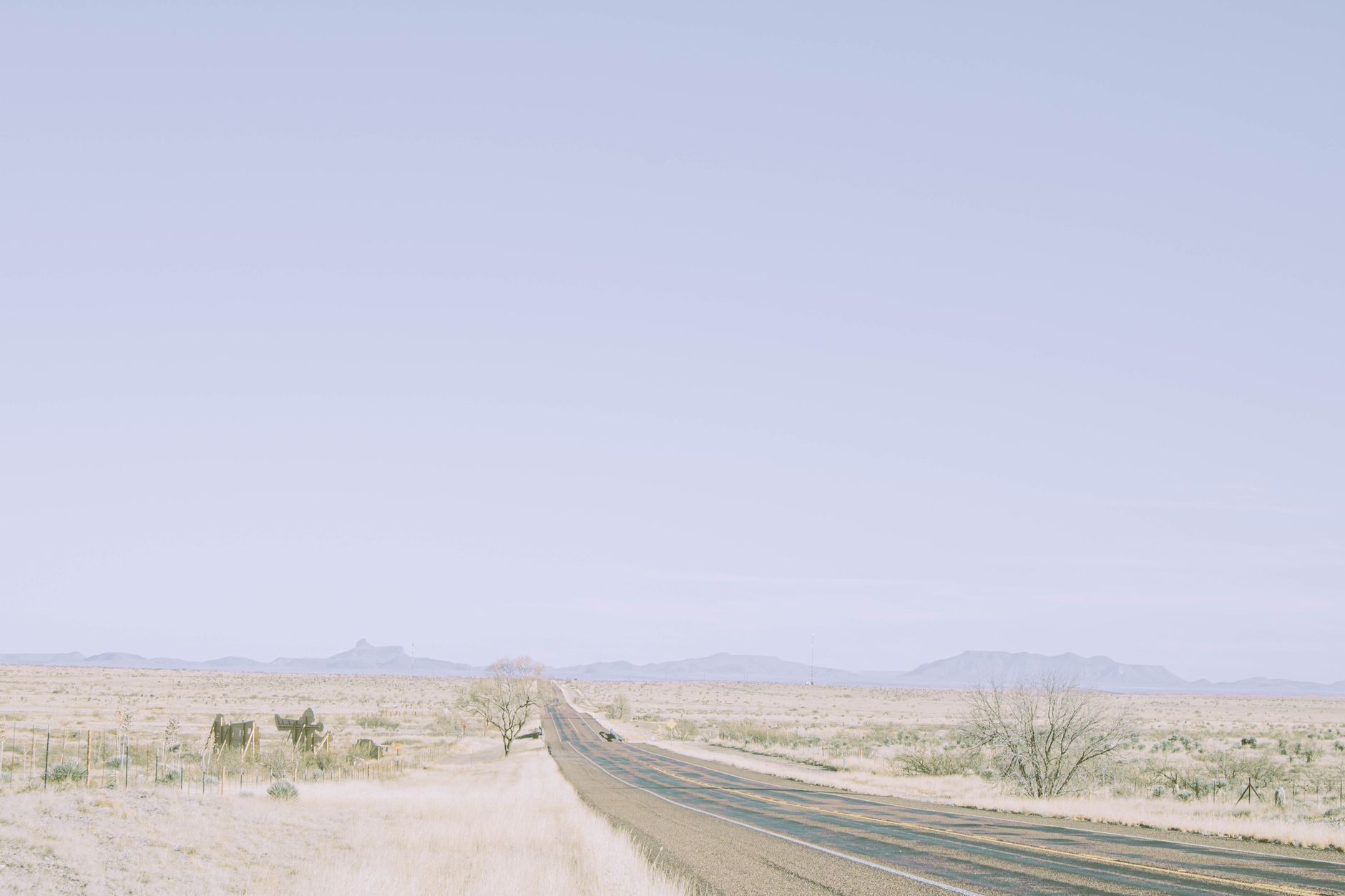
Marfa is a two-stoplight town in the middle of the Chihuahuan Desert, three hours from the nearest airport with regular commercial service, population somewhere around 1,700. In art magazines it reads like a pilgrimage site. On the ground, it’s a struggling West Texas ranching town that happens to have Donald Judd’s concrete boxes parked in a former Army base.
Both things are true at once, and the gap between them is the actual story.
What Donald Judd Actually Started
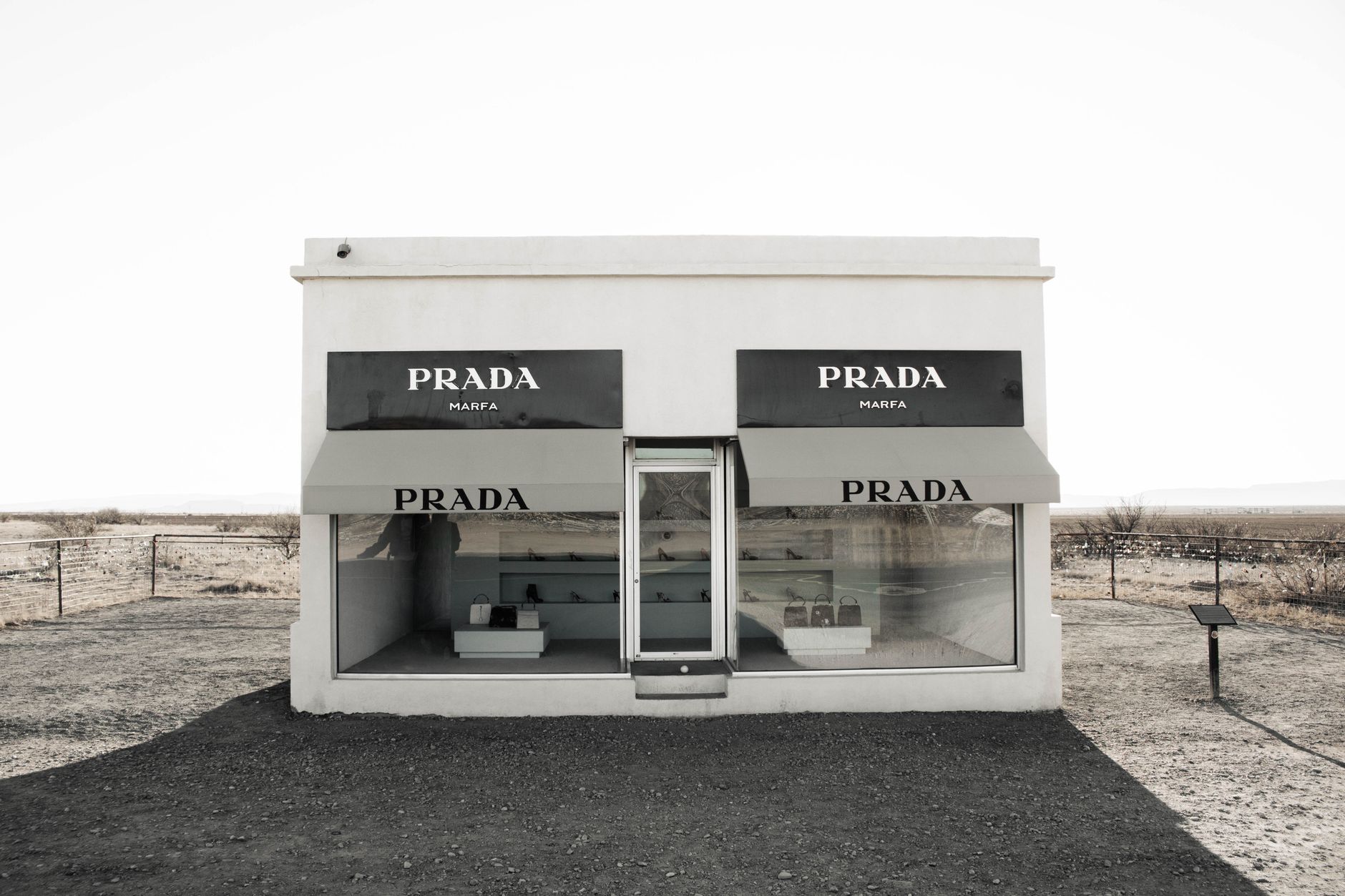
Judd, the minimalist sculptor, moved to Marfa in the late 1970s specifically to escape the New York art world, buying up decommissioned military buildings and ranch land to install his work permanently, on his own terms. He founded the Chinati Foundation in 1986. That single decision is the entire reason Marfa exists in the cultural conversation today.
Judd wanted permanence and isolation. What he got, decades later, is a pilgrimage economy that has made his adopted hometown unaffordable for the people who were already there.
The Housing Numbers Tell the Real Story
- Residential property appraisals in Presidio County rose 254% since 2015, according to Axios reporting on county assessment data
- It is now rare to find a home listed under $500,000 in Marfa proper; some list above $1 million
- Presidio County’s chief appraiser has said outright that locals can’t purchase anything because the market is driven by outside buyers
Two Marfas, Overlapping on a Map
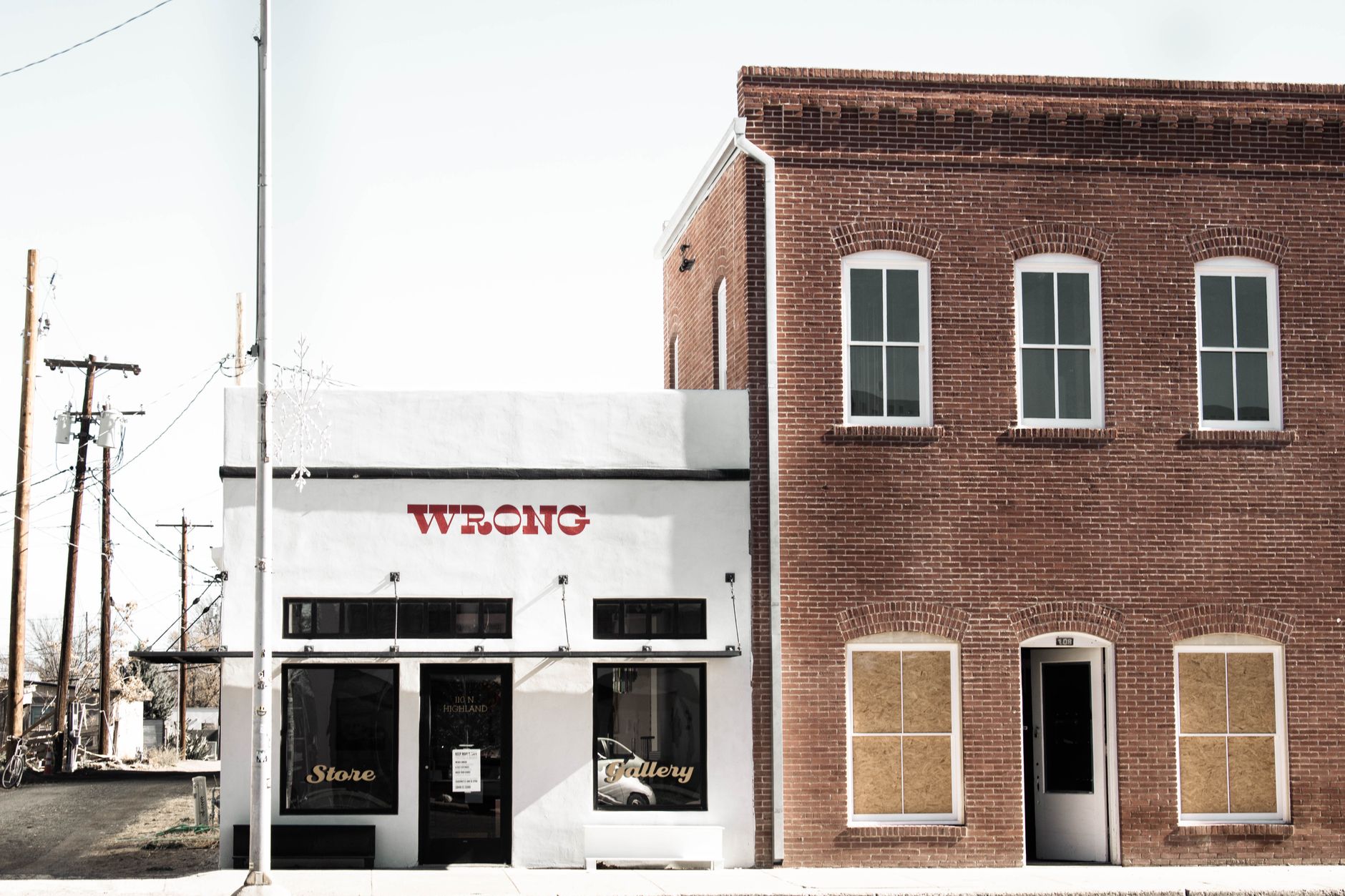
There’s the Marfa that appears in magazine spreads: minimalist galleries, boutique hotels, and weekend visitors from Austin and Los Angeles who fly into Midland and drive two hours. And there’s the Marfa where most residents work in ranching, oil-field services, border enforcement, or the school district, and where Spanish is the first language in a majority of households.
These two populations use the same three or four blocks of downtown but rarely intersect beyond a transaction. Longtime residents have described watching their tax bills climb because a handful of high-dollar art-world sales reset the comparable values for an entire block, even though their own income never moved.
Why It Cannot Simply Grow Its Way Out
Marfa has no meaningful industry beyond ranching, a state prison, and tourism tied to the art scene. There’s no employer capable of absorbing displaced service workers into higher-paying jobs. When property taxes rise faster than wages, the exit option for a lot of families isn’t a better job in town, it’s leaving Presidio County altogether, for Odessa, Midland, or Fort Stockton, none of which offer Marfa’s cultural cachet, but all of which are cheaper.
The Irony the Art World Does Not Advertise
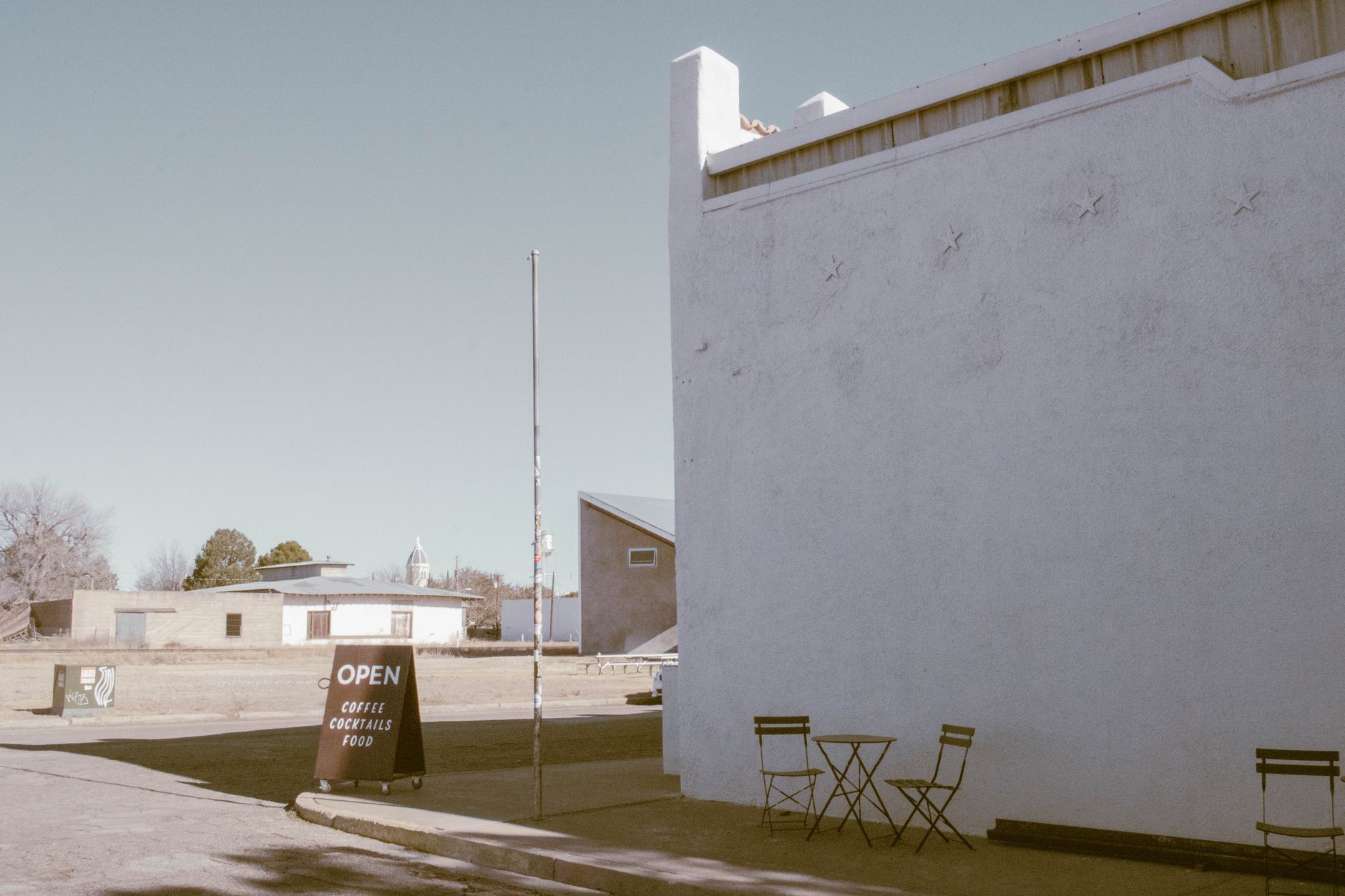
Judd came to Marfa to get away from exactly the market forces now reshaping it: speculative real estate, outside money treating a place as a commodity rather than a home. The art establishment that reveres his work has, through sheer visitor volume and second-home buying, recreated the dynamic he moved 1,900 miles to avoid.
None of this means Marfa’s art institutions are doing anything wrong by existing. Chinati and the Judd Foundation preserve genuinely significant work and support real jobs. But there is a real, unresolved contradiction between an art scene that markets isolation and authenticity, and a local population increasingly unable to afford to be the backdrop for it. The version of Marfa in the coffee-table books is real. So is the one paying interest on a truck loan and driving to Midland for a job that pays enough to keep both.
What the Next Decade Probably Looks Like
Presidio County’s tax assessment problem is not going away on its own, because the mechanism driving it — a handful of high-dollar sales resetting comparable values across entire neighborhoods — will keep repeating as long as outside buyers keep purchasing property at prices disconnected from local incomes. Some Texas counties have explored homestead exemption adjustments or circuit-breaker style tax relief for longtime residents, though Presidio County has moved cautiously given its limited tax base and reliance on property tax revenue for basic services.
Marfa’s population is unlikely to grow much either way. There is no meaningful new employer on the horizon, and the ranching economy that predates the art scene by more than a century continues on its own separate, slower track, largely unaffected by gallery openings or hotel occupancy rates. What is more likely is a continued sorting: longtime working-class families gradually relocating to cheaper towns nearby, replaced not by a larger population, but by a wealthier one occupying roughly the same number of homes.
Marfa will likely remain exactly as small and exactly as famous as it is now, which is precisely the combination that makes its affordability crisis so structurally difficult to fix.