Minneapolis in July and Minneapolis in January Are Basically Two Different Cities Wearing the Same Name
We may earn money or products from the companies mentioned in this post. This means if you click on the link and purchase the item, I will receive a small commission at no extra cost to you ... you're just helping re-supply our family's travel fund.
Tell someone you’re visiting Minneapolis in July and they picture patios on the Chain of Lakes, the Stone Arch Bridge at golden hour, and a farmers market smell of grilled corn drifting off Nicollet Mall. Tell them you’re going in January and they picture something closer to a survival exercise. Both pictures are accurate, and the fact that they describe the same city is the strangest thing about it.
The Skyway Tells You Everything
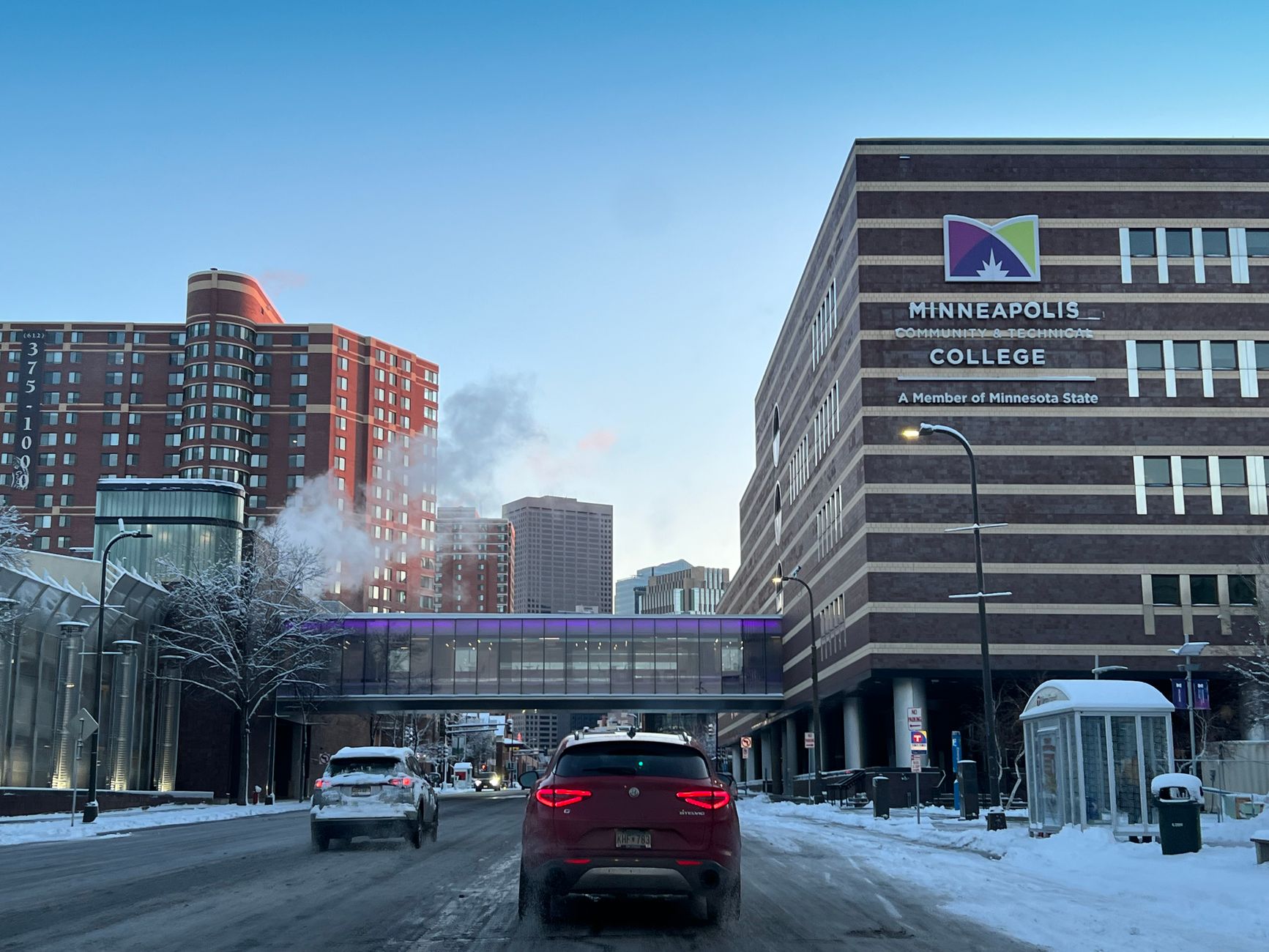
Downtown Minneapolis has a 9.5-mile network of enclosed, elevated walkways called Skyways connecting most major office towers, hotels, and stores. In summer, tourists barely notice they exist. In January, when highs regularly sit in the teens or below, the Skyways effectively become downtown, letting people move from a hotel room to a meeting to lunch to a store without stepping outside once.
What Summer Actually Looks Like
- Rock the Garden, the summer music festival at the Walker Art Center’s Sculpture Garden, has featured acts like Bon Iver, Lizzo, and Chance the Rapper
- The Chain of Lakes, including Bde Maka Ska, Lake Harriet, Lake of the Isles, and Cedar Lake, fills with kayakers, paddleboarders, and lakeside runners from June through September
- Free outdoor movies and concerts run in city parks all summer through the Music and Movies in the Parks program
- The Mill City Farmers Market draws crowds every Saturday near the old flour mill ruins downtown
What Winter Actually Looks Like

The same lakes that host paddleboards in July freeze solid enough by January to host the U.S. Pond Hockey Championships on Lake Nokomis and the Art Shanty Projects, where artists build small structures on the ice and turn a frozen lake into a temporary art village. St. Paul’s Winter Carnival, running since 1886, draws over 100,000 people annually for ice carving and events designed to make subzero temperatures a selling point rather than an obstacle.
This is not a city gritting its teeth through winter. It is a city that has built an entire second identity, including skijoring, ice biking, and cross-country ski trails groomed through Theodore Wirth Park, around the exact conditions that would shut down a Sun Belt city entirely.
The Neighborhoods Flip Character Too
North Loop, the old warehouse district near Target Field, functions as a rooftop-bar and patio neighborhood in summer and pivots hard into a holiday-market identity in winter, anchored by a German-style Christkindl Market at North Loop Green. Loring Park hosts free yoga and outdoor movies in summer, then becomes the site of Holidazzle, the city’s winter holiday market, from Thanksgiving through Christmas.
Why the Gap Is So Extreme
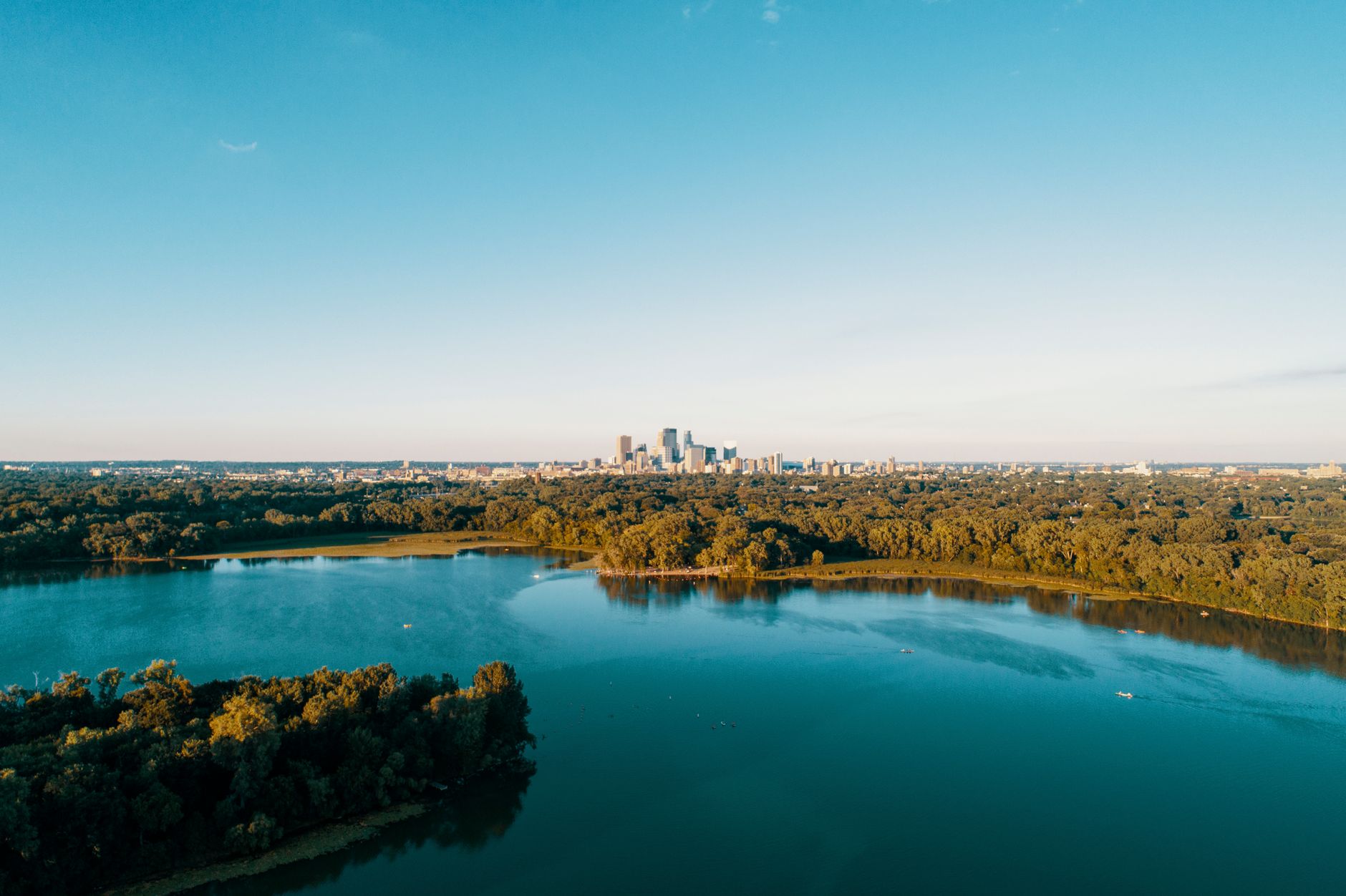
Minneapolis sits far enough north and far enough from any moderating ocean influence that its temperature swing is one of the widest of any major U.S. metro, averaging in the low 80s in July and routinely dropping below zero in January. Few American cities of comparable size experience a swing this dramatic while still supporting a full slate of outdoor culture on both ends of it.
Visit in July and you will leave thinking Minneapolis is one of the most livable, lake-soaked cities in the Midwest. Visit in January and you will leave with a completely different, and equally accurate, impression of a city that has simply decided winter is not a problem to be endured, but a season to be engineered around. The Twin Cities did not get lucky with one good season. They built two entirely different playbooks and run both at full volume.
The Shoulder Seasons Nobody Plans For
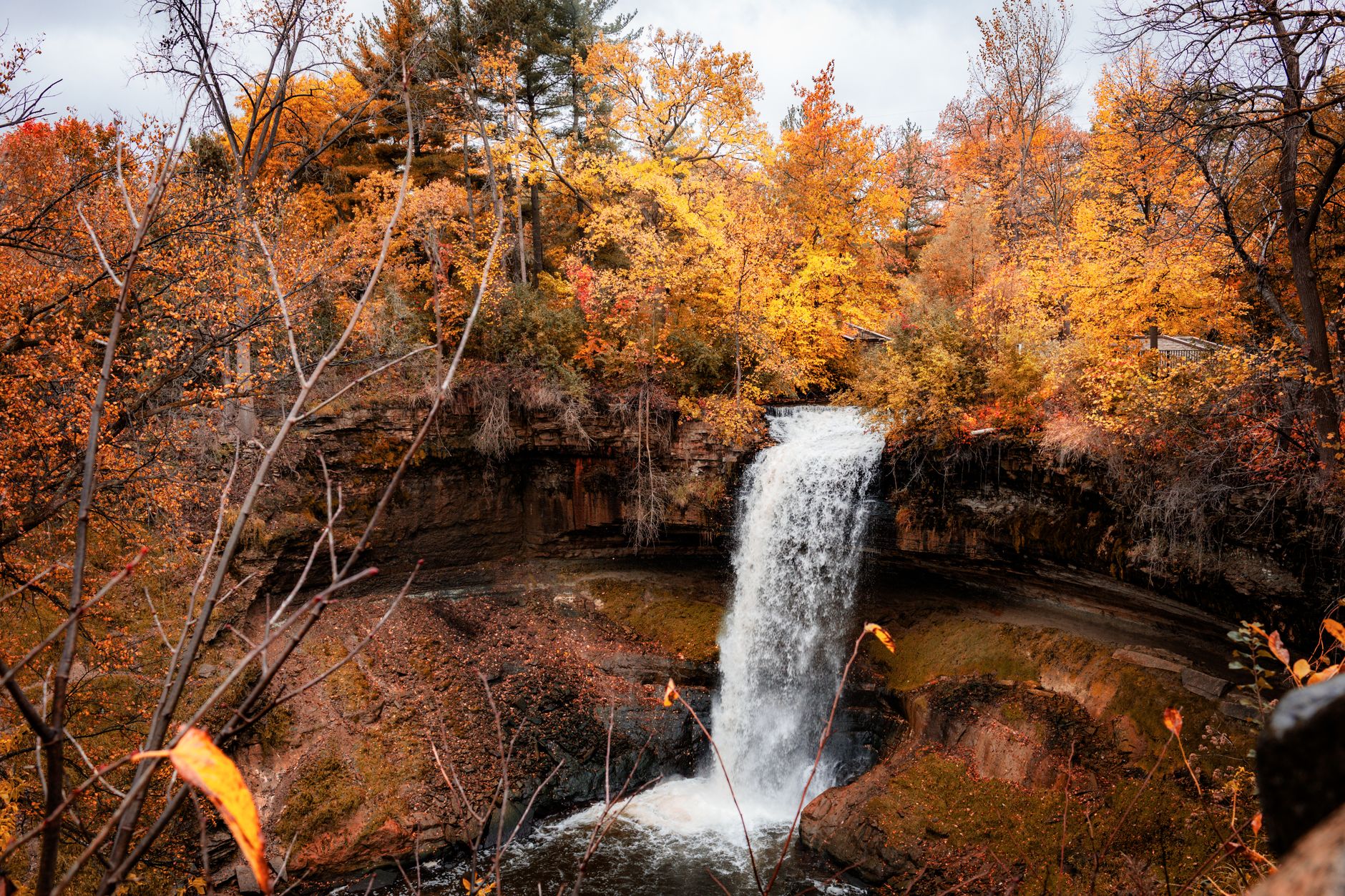
Spring and fall in Minneapolis get comparatively little marketing attention despite offering some of the most comfortable weather of the year. Fall, in particular, brings crisp temperatures, dramatic foliage around the Chain of Lakes, and noticeably thinner crowds than peak summer, making it a preferred window for locals who want the lake culture without the July tourist density.
Spring is messier — a genuine mud season that can swing from snow to 70 degrees within a single week, which makes it the hardest Minneapolis season to plan a trip around. Visitors who show up expecting a clean seasonal transition are often surprised by how unpredictable April and early May can be.
The practical takeaway for anyone actually planning a visit is that Minneapolis rewards matching the trip to a specific season’s strengths rather than expecting one visit to capture the city’s full range. A single July trip and a single January trip will produce two entirely different, equally valid stories about the same city — and most visitors who only do one walk away convinced they’ve seen the real Minneapolis, when they’ve really only seen half of it.
Visitors who spend a weekend in Minneapolis often leave with strong opinions about which season is the “real” city, when the more accurate read is that both extremes are equally real, equally intentional, and equally worth experiencing if you actually want to understand how the Twin Cities work rather than just admire one postcard version of it.