Bourbon Street Is Not Where New Orleans Actually Lives. It Has Not Been for Decades
We may earn money or products from the companies mentioned in this post. This means if you click on the link and purchase the item, I will receive a small commission at no extra cost to you ... you're just helping re-supply our family's travel fund.
Most visitors land in New Orleans, check into a French Quarter hotel, walk Bourbon Street once, decide it smells like spilled daiquiris and regret, and never leave a four-block radius for the rest of the trip. That is a real experience of New Orleans. It is also maybe 5% of the city, and locals will tell you as much if you ask.
Where Frenchmen Street Actually Sits
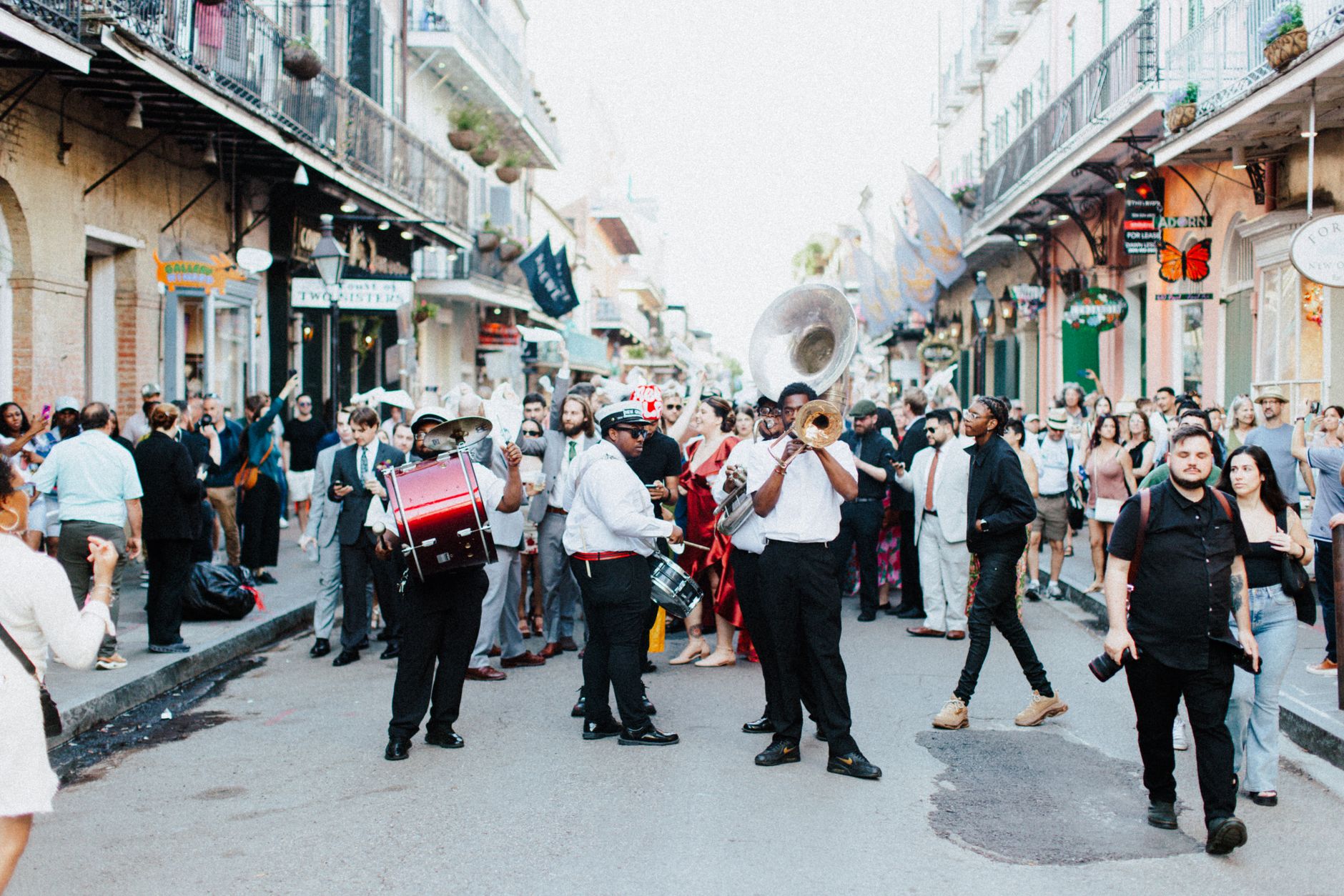
A ten-minute walk downriver from the Quarter, through the Marigny neighborhood, sits Frenchmen Street, which musicians and longtime residents consistently point to as the more authentic live-music strip. Venues like The Spotted Cat and d.b.a. book brass bands and jazz combos that play to a room full of people who came specifically for the music, not the club’s happy-hour special. It is not secret. It has just never marketed itself the way Bourbon Street has.
The Bywater and What Changed After Katrina
Further downriver, the Bywater neighborhood was working-class and mostly overlooked before Hurricane Katrina in 2005. In the twenty years since, it has become one of the city’s more visibly gentrified pockets, with restored shotgun houses, coffee shops, and a noticeably younger, whiter population than it had pre-storm. Longtime residents describe a mixed reality: less blight, more investment, but also displacement as property values climbed well beyond what pre-Katrina households could afford to hold onto.
- Treme, one of the oldest Black neighborhoods in America, retains deep musical and cultural history but has struggled with disinvestment for decades
- Central City has historically low tourist visibility despite deep jazz history, including ties to Louis Armstrong
- Gentilly and New Orleans East, further from downtown, remain almost entirely outside the tourist map, home to large shares of the city’s working population
Uptown Is Its Own New Orleans
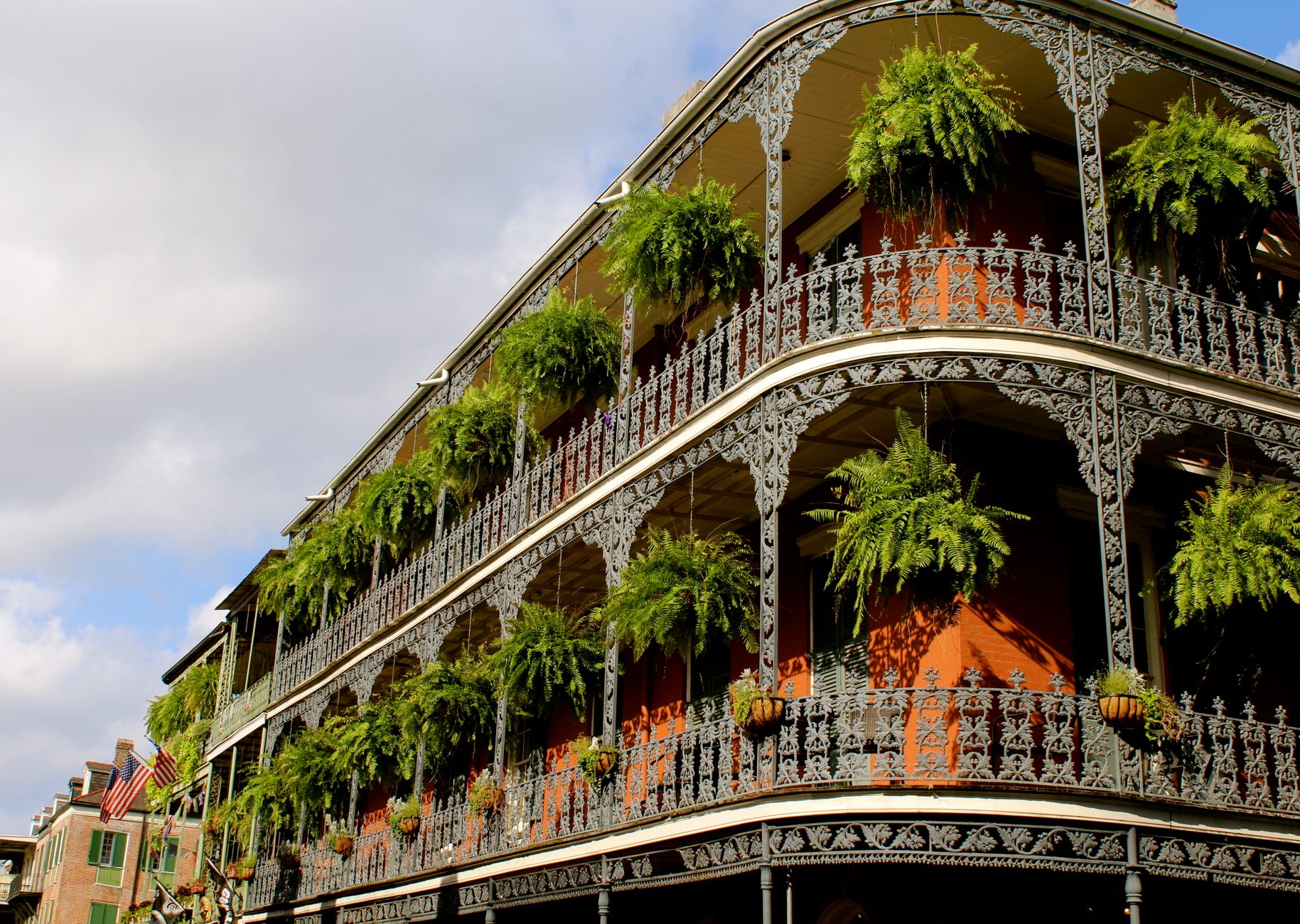
The Garden District and the broader Uptown area, several miles upriver from the Quarter along the St. Charles streetcar line, show a version of New Orleans built on 19th-century wealth: oak-canopied streets, antebellum mansions, and Audubon Park. It is postcard-pretty but almost entirely residential, meaning most tourists see it only through a streetcar window on the way to or from the zoo.
What Actually Changed Since Katrina
Twenty years after the storm, New Orleans’ population sits below its pre-Katrina level of about 484,000, hovering closer to 375,000 to 385,000 in recent Census estimates. Entire sections of the Lower Ninth Ward never fully rebuilt; empty lots where houses once stood are still common. Meanwhile neighborhoods with higher ground and closer proximity to downtown, like the Bywater and parts of Mid-City, saw the opposite problem: too much investment interest, driving up costs for the residents who stayed through the recovery.
Eating Where the Locals Actually Eat
Willie Mae’s Scotch House in the Treme has drawn national attention for its fried chicken without becoming a Bourbon Street-style tourist trap, largely because it is inconveniently located for anyone not specifically seeking it out. Dooky Chase’s, also in the Treme, has fed civil rights leaders and presidents alike and still operates as a genuine neighborhood institution rather than a bus-tour stop.
None of this means Bourbon Street is fake. It has been a real part of the city’s identity since the jazz age. But locals have spent decades watching the tourist economy concentrate almost entirely into a few blocks while the neighborhoods that actually produced New Orleans’ music, food, and culture get a fraction of the visitor traffic and, often, a fraction of the reinvestment that follows it.
The Music Economy Outside the Quarter
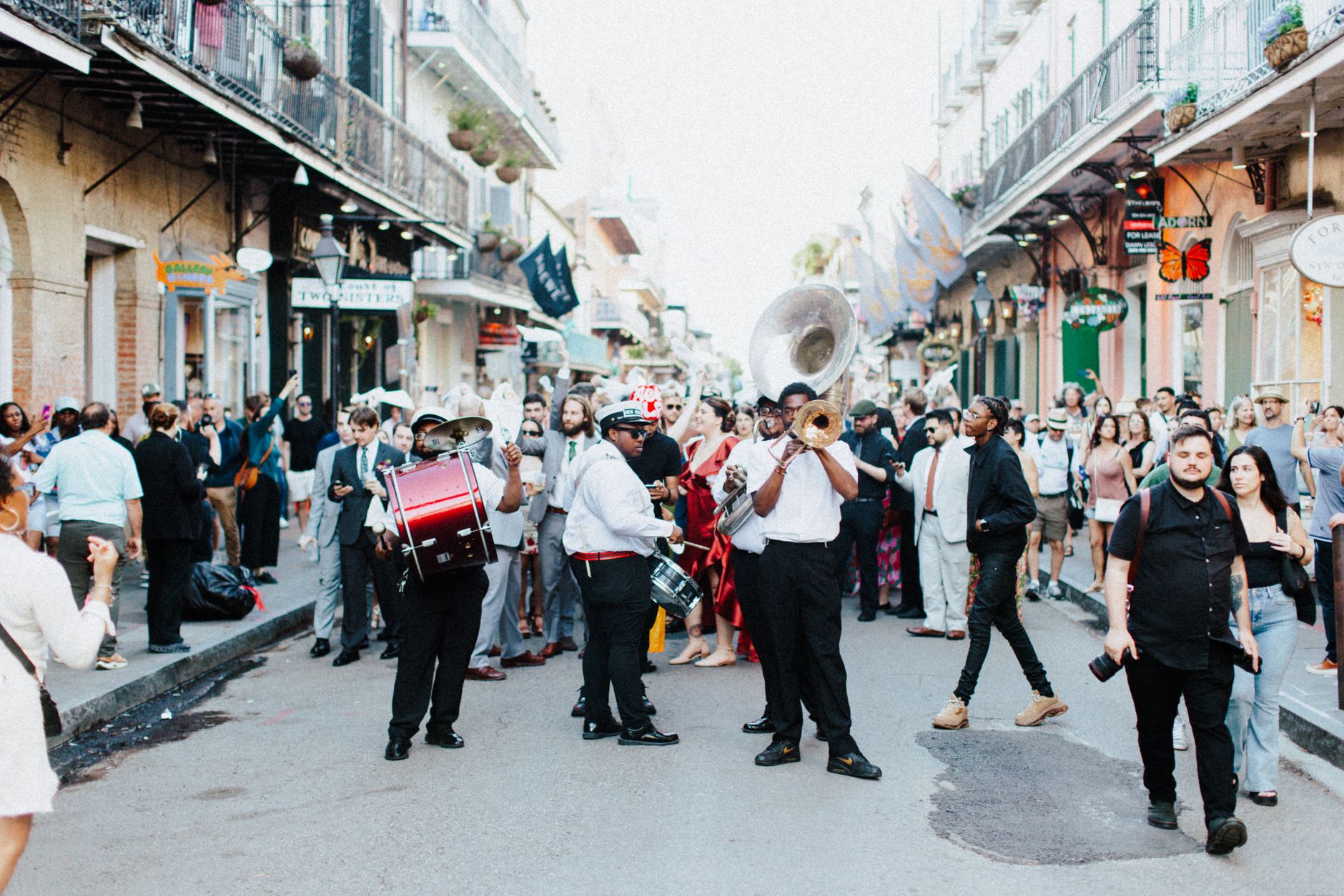
New Orleans’ brass band and second-line tradition survives largely through neighborhood social aid and pleasure clubs, community organizations that organize parades through residential streets in neighborhoods like the Seventh Ward and Central City — events with essentially zero tourist marketing behind them, sustained instead by decades of local tradition. Musicians who play these processions often also work the tourist-facing gigs on Frenchmen Street or in French Quarter clubs, meaning the same players move fluidly between the two economies even as the audiences rarely overlap.
Local food culture follows a similar split. Po-boy shops, snowball stands, and neighborhood seafood spots serving boiled crawfish by the pound operate throughout residential New Orleans with little tourist visibility, while a smaller number of restaurants near the Quarter and the Garden District absorb the bulk of visitor spending. Both versions are authentically New Orleans. They are simply serving different customers, on different budgets, in different parts of the same city.
Understanding that split is close to the only real trick to seeing more of New Orleans than the standard weekend itinerary covers — not avoiding the Quarter, but treating it as one neighborhood among many rather than the whole city.
What ties Bourbon Street, Frenchmen Street, the Bywater, and Treme together is not competition for the same tourist dollar so much as a shared claim on the same underlying cultural inheritance — jazz, Creole cooking, Mardi Gras krewe traditions — distributed unevenly across neighborhoods that get wildly different amounts of visitor traffic and investment for producing roughly the same cultural DNA.