Your Flight Has Nothing to Do with the Middle East, So Why Was It Just Canceled?
We may earn money or products from the companies mentioned in this post. This means if you click on the link and purchase the item, I will receive a small commission at no extra cost to you ... you're just helping re-supply our family's travel fund.
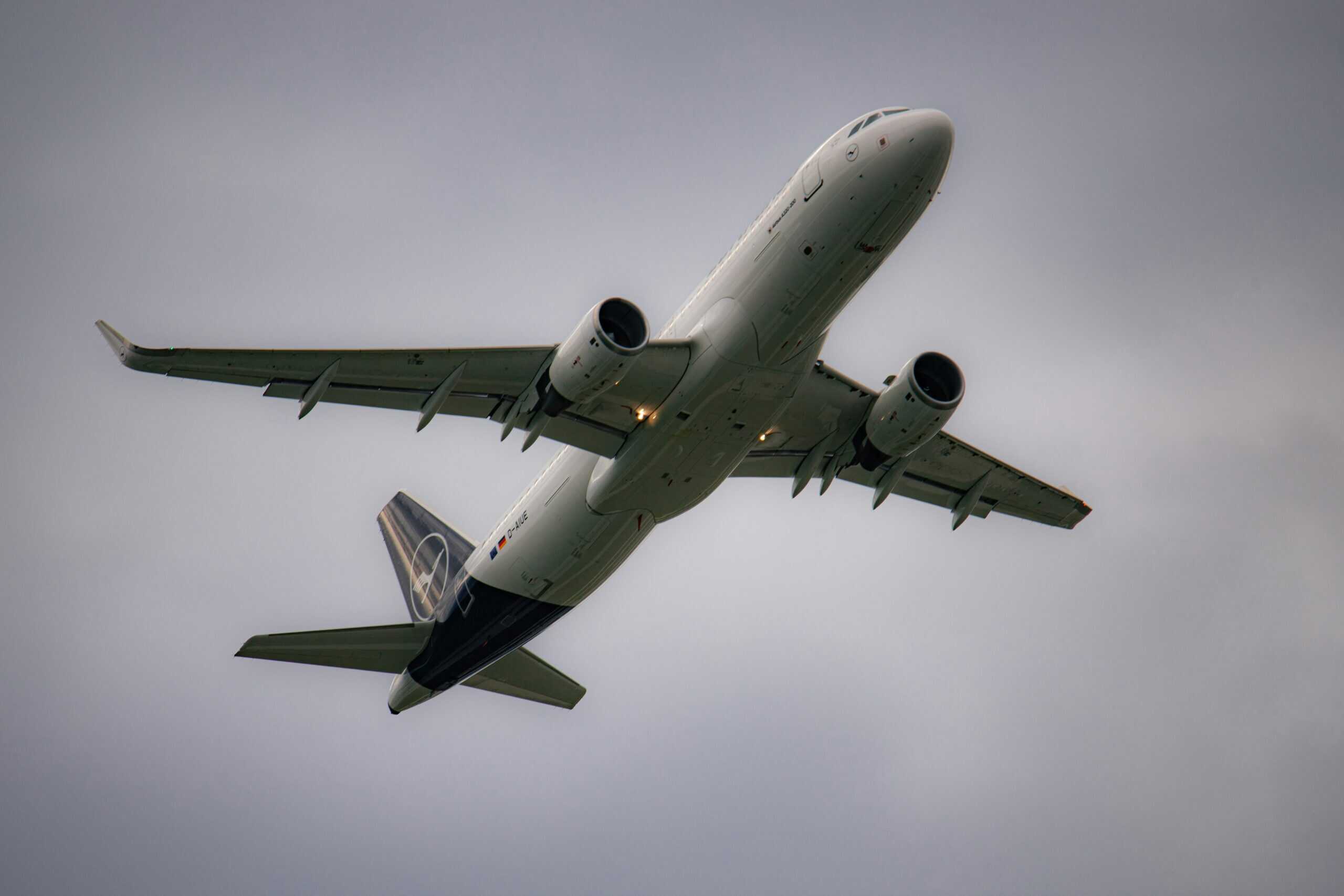
The cancellation can feel absurd at first glance. A traveler bound for Chicago, Madrid, or Toronto may stare at the board and wonder what a faraway conflict has to do with a flight that never planned to touch Gulf airspace. In March 2026, though, airlines are operating inside a network where closed corridors, suspended hub traffic, longer routings, and fuel shocks can ripple far beyond the region itself. What looks random at the gate often begins as a disruption thousands of miles away.
The Gulf Is Not A Side Route

The Middle East is not some isolated corner of the map in airline planning. Reuters, citing Cirium, reports that Emirates, Qatar Airways, and Etihad together account for about one-third of passenger traffic between Europe and Asia and carry more than half of all passengers flying from Europe to Australia, New Zealand, and the Pacific islands. When that corridor tightens, the damage does not stay neatly attached to flights going into Dubai or Doha. It spreads into connecting banks, aircraft availability, and seat supply across a much bigger web of routes.
One Missing Hub Can Break A Totally Different Trip
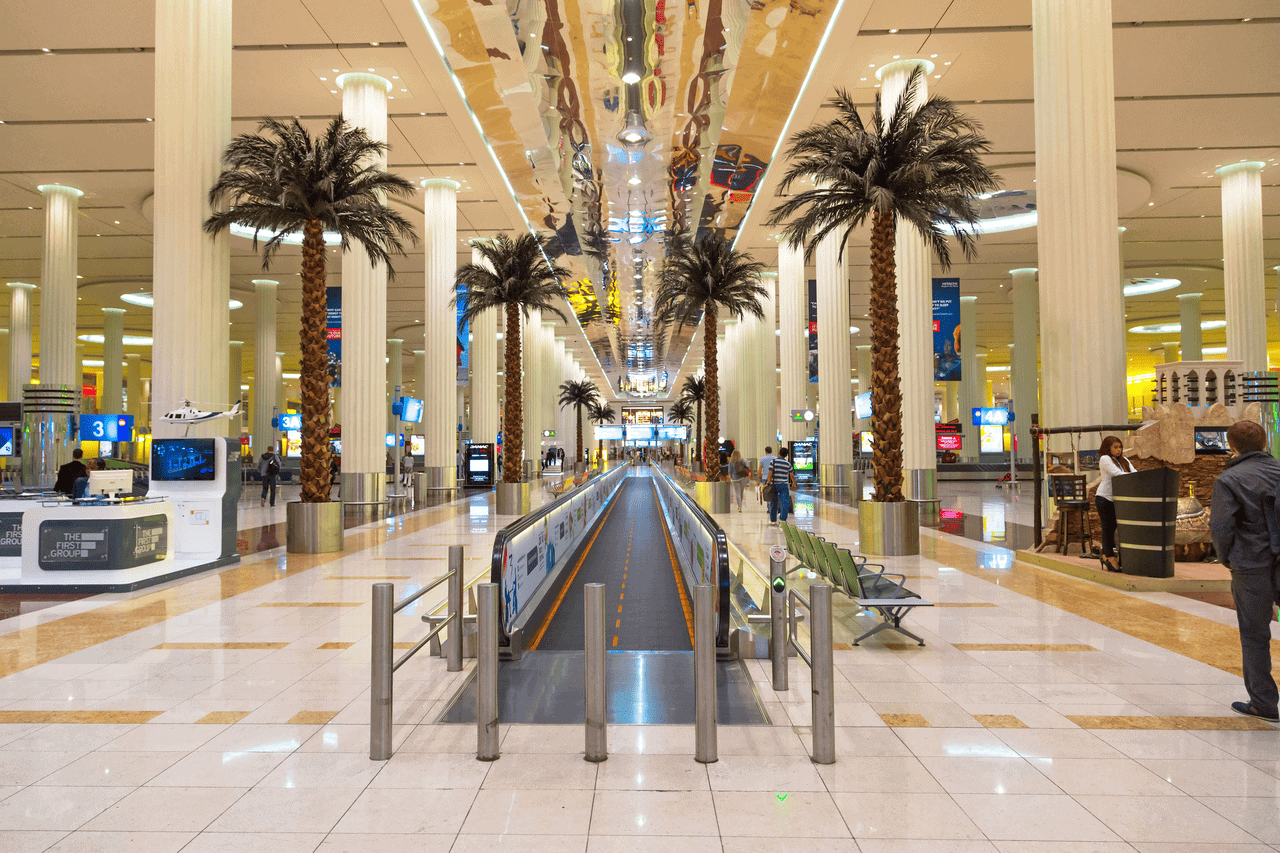
A canceled flight to the Gulf is rarely just one canceled flight. Many long-haul airlines build their schedules around tightly timed hub waves, so when key airports such as Dubai, Doha, or Abu Dhabi face suspensions or heavily reduced service, the onward flights linked to those banks start wobbling too. That is why a traveler headed somewhere with no obvious Middle East link can still lose a seat: the aircraft, crew, or incoming passengers that were supposed to feed that flight may no longer be where the schedule expected them to be.
Aircraft Rotations Carry Trouble Across Continents
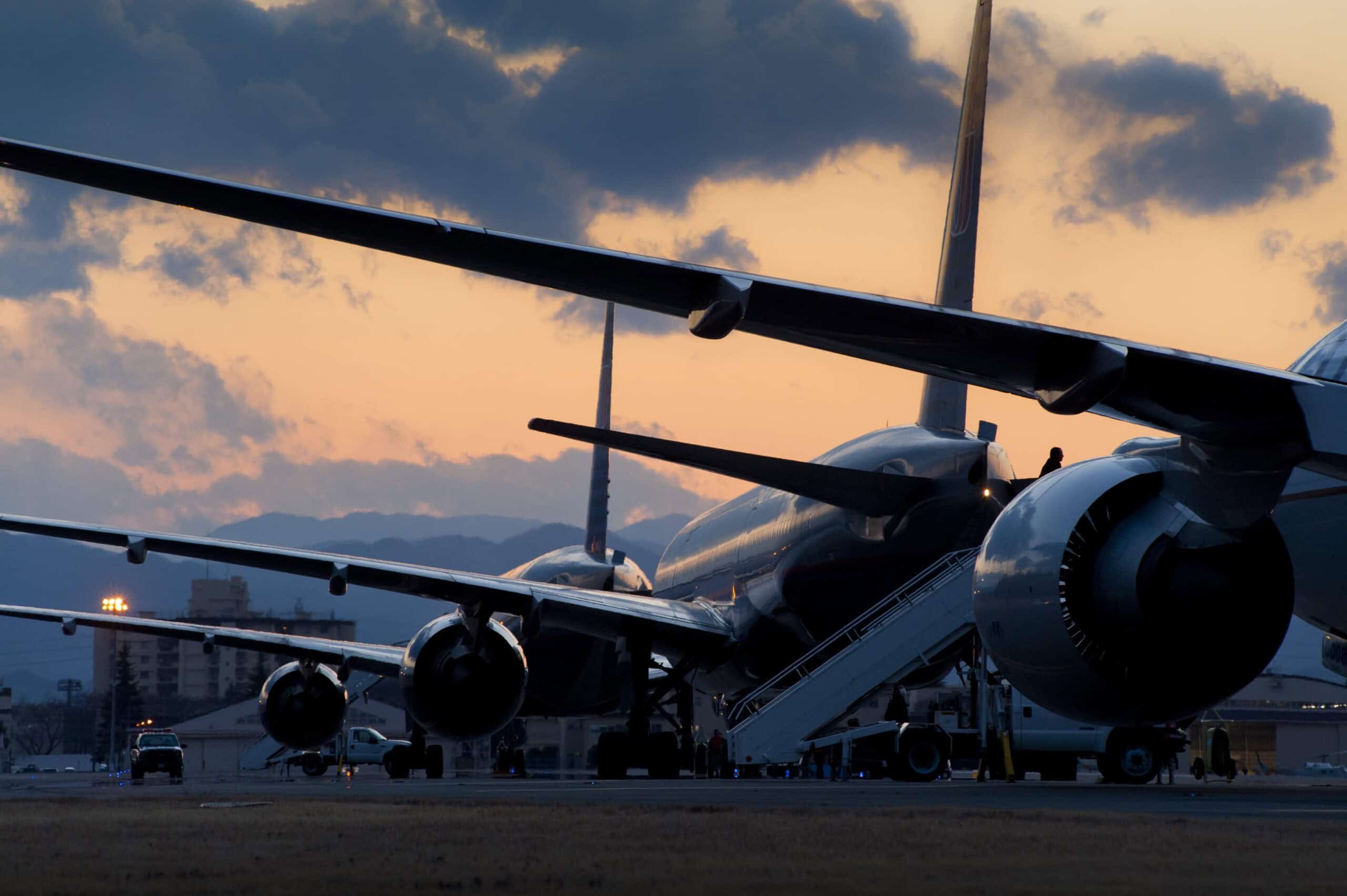
Airlines do not keep every airplane parked beside the route it serves. The same aircraft may arrive from one market, turn quickly, and depart for another, which means a disruption in one corner of the network can quietly poison a later flight somewhere else. Reuters’ current reporting shows carriers operating limited schedules, extending suspensions, or redeploying aircraft to protect higher-demand corridors, and that kind of reshuffling can leave thinner or less strategic flights exposed. The cancellation feels local to the passenger, but the decision is often born in a far larger rotation plan.
Longer Detours Can Break Crew Limits
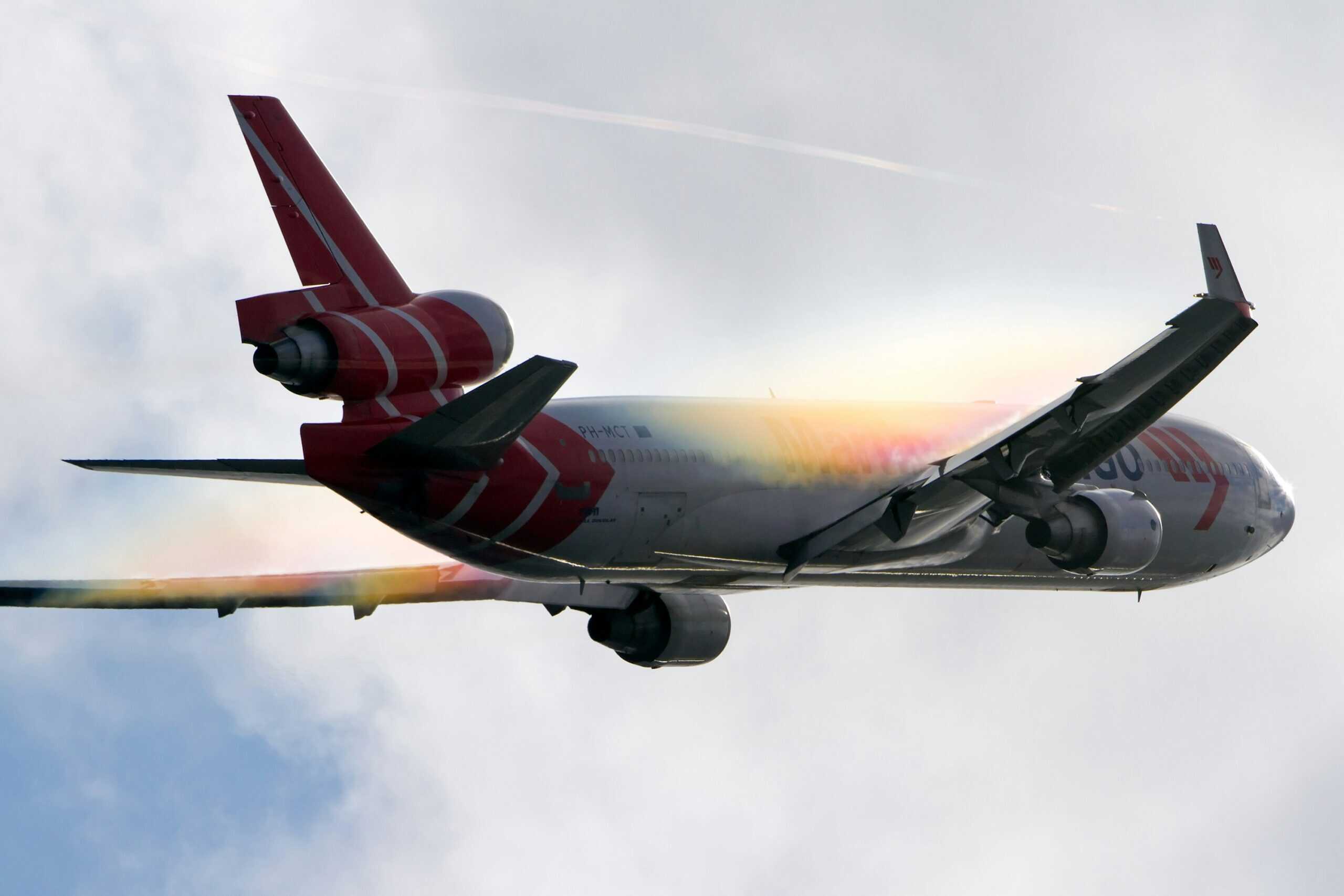
Sometimes the airplane is available, but the clock is not. The FAA’s rules require flightcrew and cabin crew duty and rest limits, and current Reuters reporting shows some rerouted services stretching dramatically longer, with detours via Africa adding up to two hours in some cases and at least one Delhi to New York service stretching to nearly 22 hours with a stop. Once a reroute pushes a trip past crew-duty boundaries, the airline may need relief crews, a tech stop, or a cancellation. In aviation, a few extra hours can turn an inconvenient route into an impossible one.
The Backup Corridors Are Already Busy
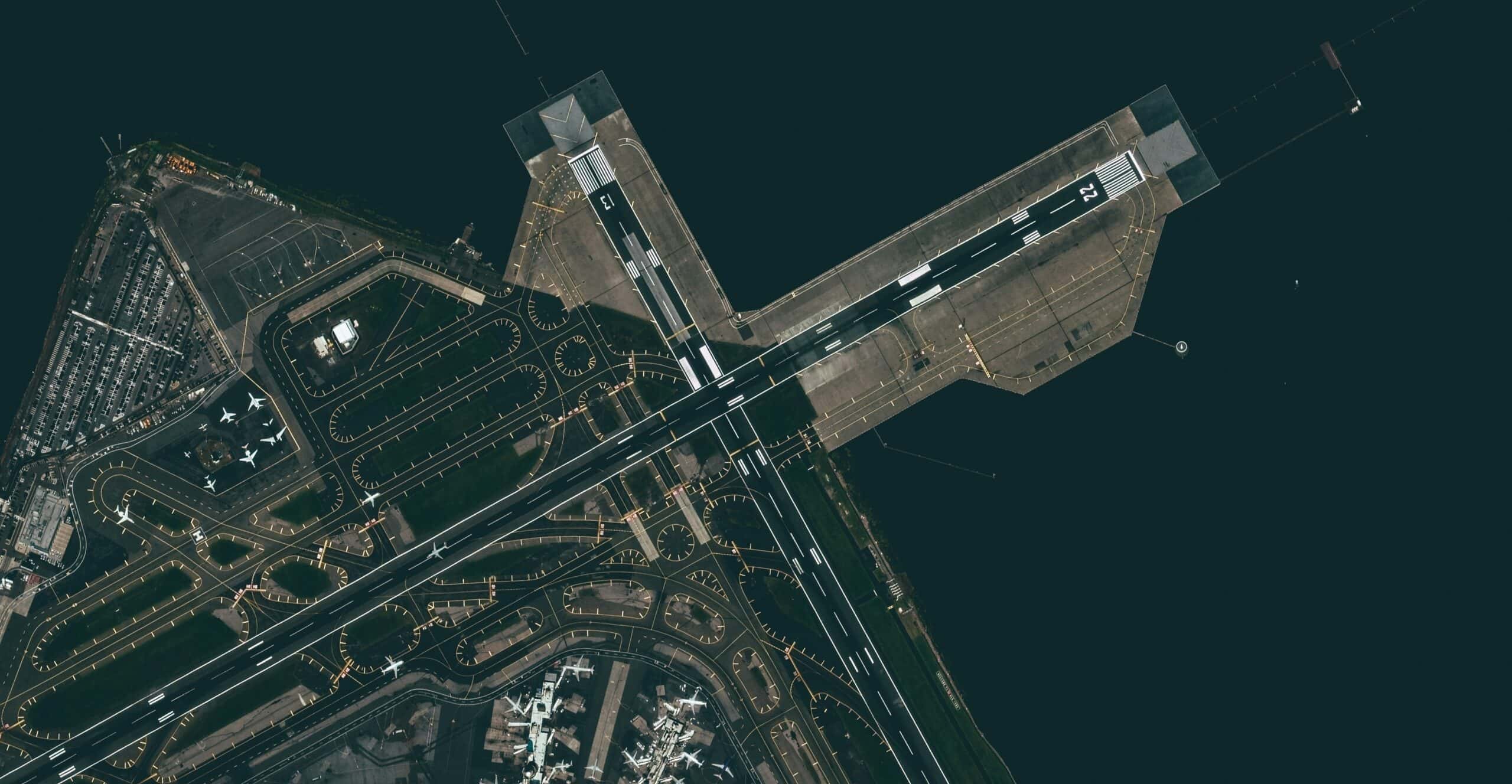
When one air corridor closes, traffic does not float into empty sky. It gets squeezed into the remaining viable paths, many of which were already busy before this month’s disruption. EUROCONTROL said the flow between Europe and the Middle East dropped by 66% on Feb. 28 and March 1 compared with the same days in 2025, while 78% of en route ATFM delays in Europe during that week were tied to ATC capacity and staffing, especially in France and Spain. That means rerouted flights are entering a system that was never built to absorb unlimited overflow gracefully.
Fuel Shock Changes Schedules, Not Just Fares
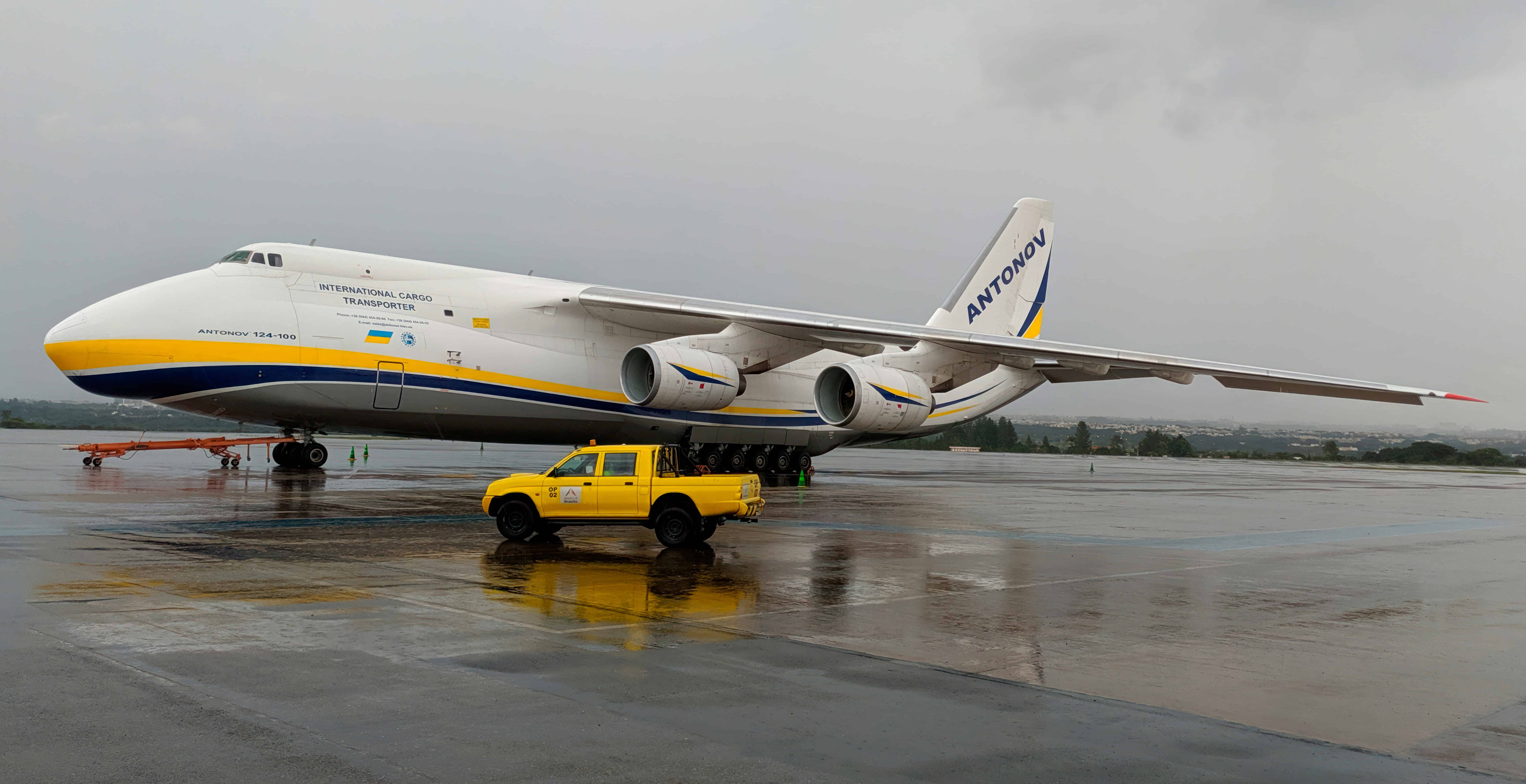
Renato Rodrigues/Unsplash
Travelers often notice the fare increase first, but fuel spikes can also help kill flights. Reuters reported that jet fuel prices jumped from roughly $85 to $90 per barrel before the latest strikes to between $150 and $200 afterward, prompting some airlines to raise fares, add surcharges, or warn of schedule changes. When fuel suddenly gets that expensive, weaker routes become harder to justify, and airlines get more aggressive about consolidating passengers onto fewer flights. A cancellation can be part of that arithmetic even when the route itself never goes near the conflict zone.
Airlines Protect The Network, Not Every Flight
In a disruption, carriers usually try to save the broader system before they save every individual departure. Reuters reported that Qantas is exploring redeploying capacity to Europe, Cathay Pacific is adding some London and Zurich flying, and Air India is putting on additional flights on selected long-haul routes because demand has shifted. That kind of triage keeps the network moving, but it also means other flights can be trimmed, merged, or dropped when they no longer fit the day’s priorities. To the traveler at the gate, it looks arbitrary. To the airline, it looks like damage control.