Greece Just Announced a Tourist Tax That Starts in 3 Months, These 6 Islands Will Hit Your Wallet the Hardest
We may earn money or products from the companies mentioned in this post. This means if you click on the link and purchase the item, I will receive a small commission at no extra cost to you ... you're just helping re-supply our family's travel fund.
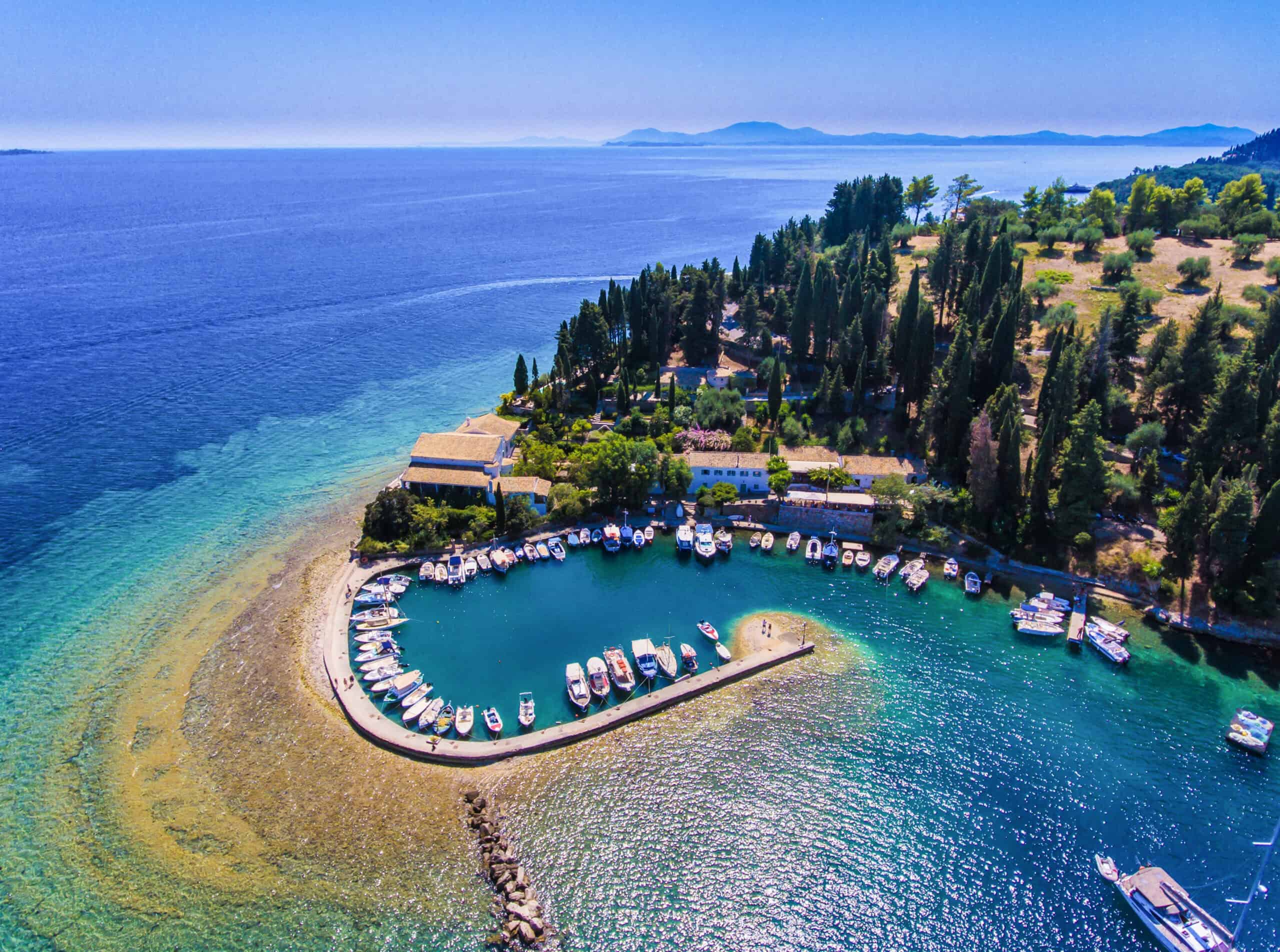
Greece is not unveiling a brand-new visitor charge this week, but the expensive part of its cruise-fee calendar is about to return. From June 1, 2026, roughly three months from now, passengers disembarking in Santorini and Mykonos will pay €20 each, while other Greek ports move to €5. On paper, that can look manageable. In real itineraries, especially those mixing several islands with already costly summer rooms and local fees, the extra charges start to change the feel of what once looked like an easy Aegean escape.
Santorini Turns One Port Call Into a Real Bill
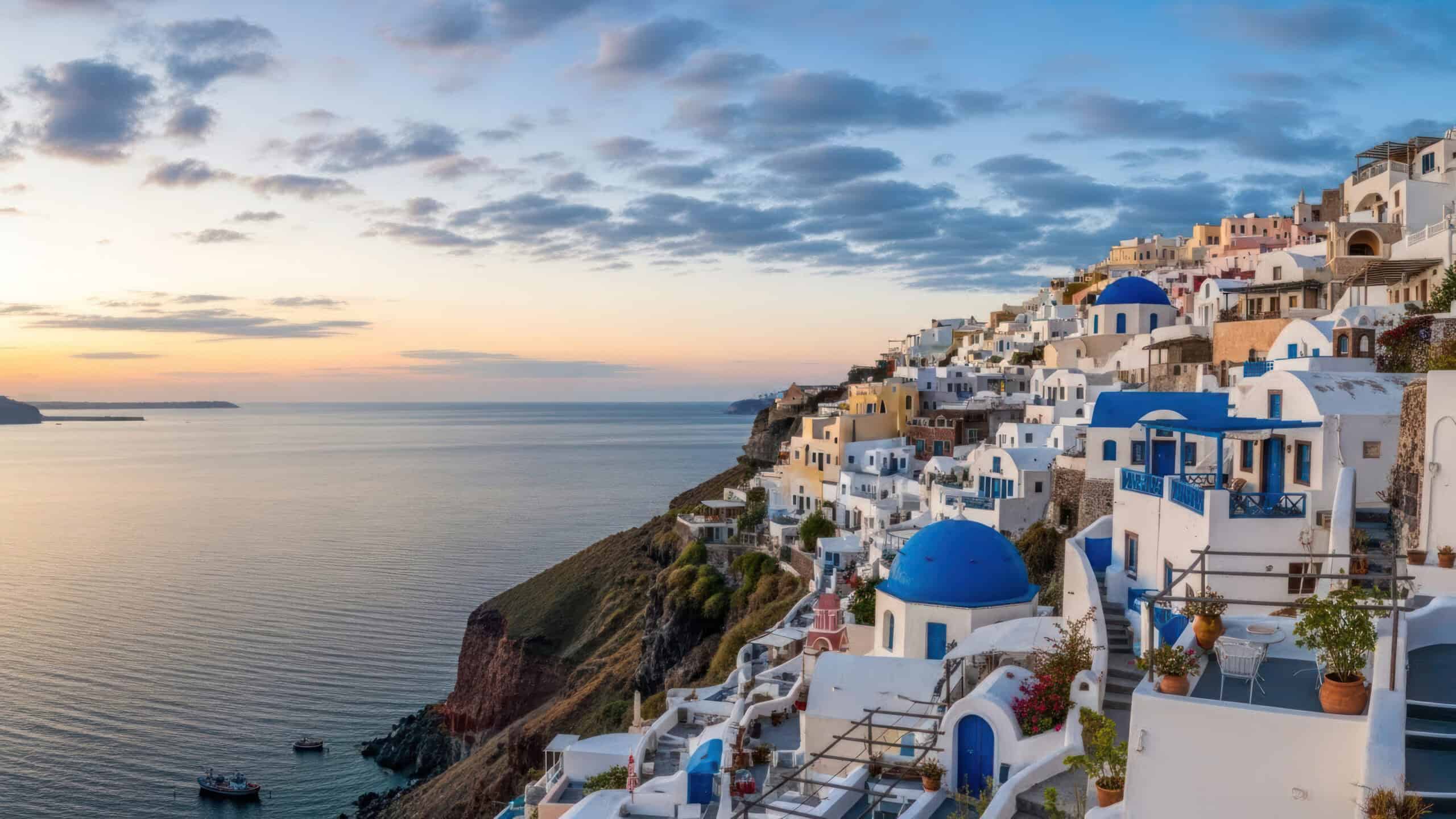
Santorini will take the heaviest single-port bite on many summer cruise budgets. From June 1 to Sept. 30, 2026, passengers disembarking there pay €20 each, the top rate in Greece’s cruise-fee table, and that lands in a place already associated with strained infrastructure and intense visitor pressure. Reuters reported that the levy was aimed squarely at islands such as Santorini facing overtourism, which helps explain why a short stop under those famous caldera views can now feel much less casual by the time the ship account closes.
Mykonos Layers a Premium Fee Onto a Premium Island
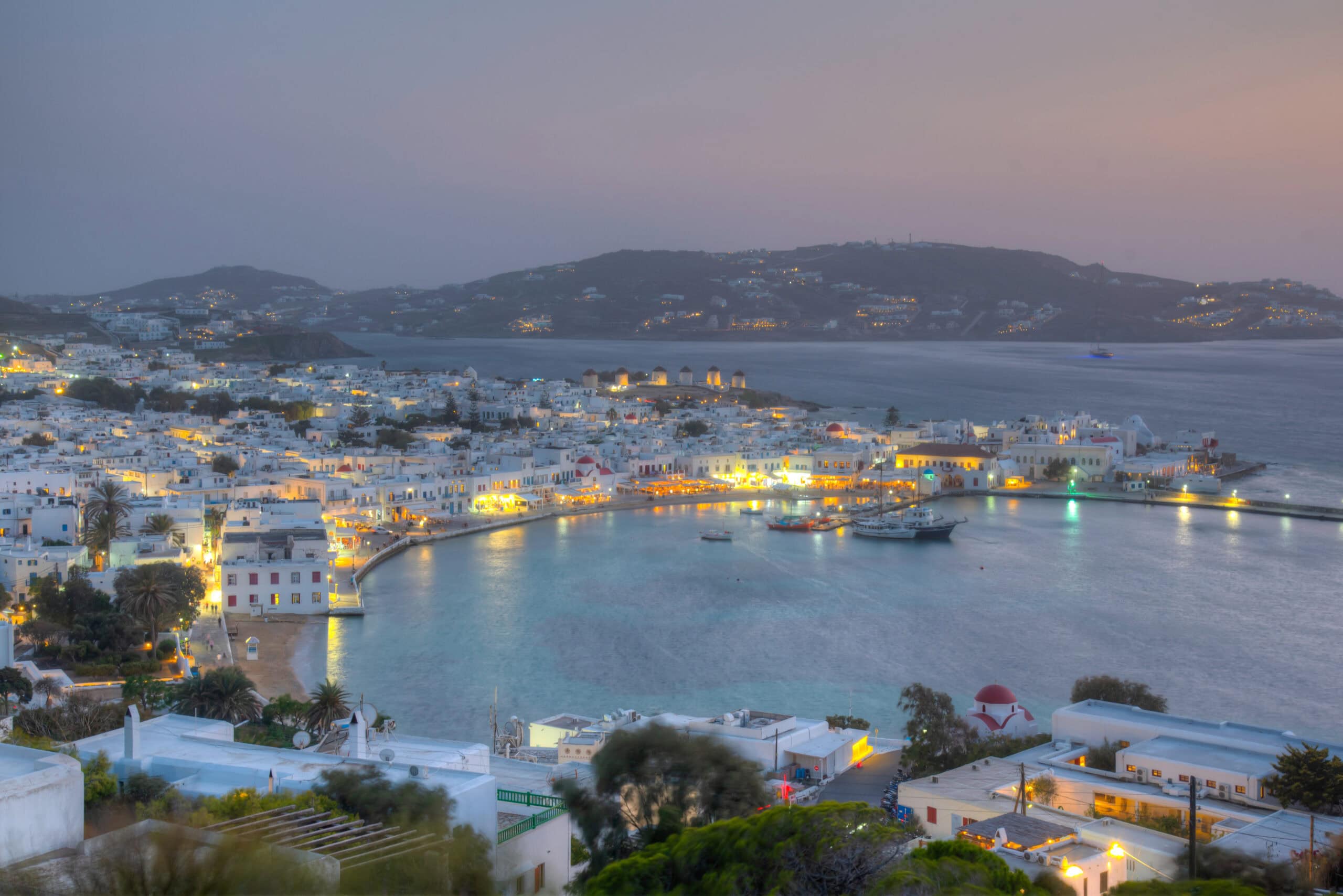
Mykonos shares Santorini’s top-tier cruise fee, which means another €20 per person in peak summer just to step off the ship. On its own, that may not wreck a budget, but Mykonos is rarely a one-cost island: Greece’s Climate Resilience Fee can add up to €15 per room per night in summer for a five-star hotel or villa, so the tax lands in a destination where the broader spending picture is already tilted upward. The sting comes less from one dramatic charge than from how naturally Mykonos keeps adding one more.
Rhodes Feels Modest Until the Itinerary Starts Adding Up
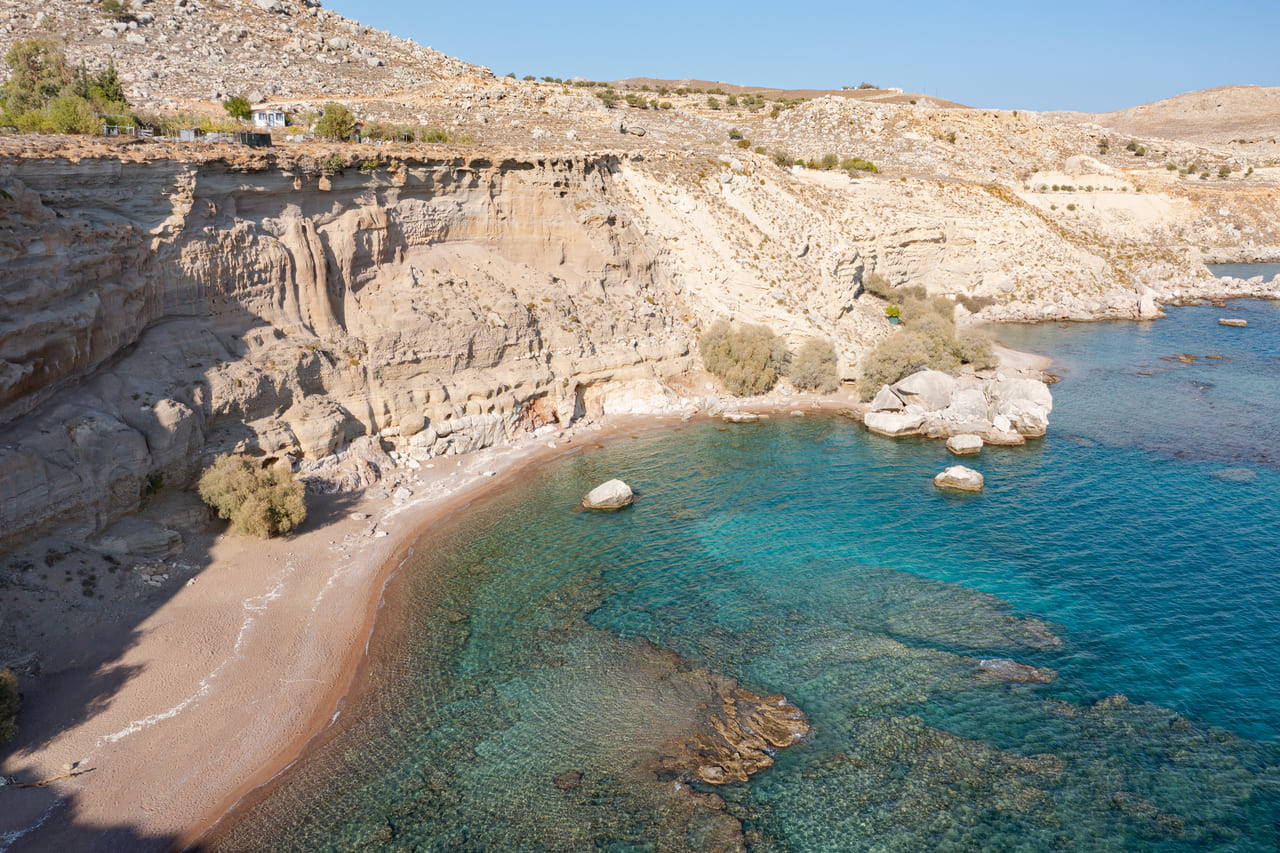
Rhodes falls into the lower cruise-fee tier, but that does not make it minor on a multi-stop sailing. From June 1 to Sept. 30, 2026, the fee is €5 per person at Greek ports outside Santorini and Mykonos, and Rhodes remains one of the most common island calls on Greek cruise routes. The catch is cumulative rather than shocking: one €5 stop looks harmless, but once Rhodes is paired with several other Greek islands, the running total begins to resemble another transfer, another excursion, or another long meal inside those beautiful medieval walls.
Corfu Hides the Cost Behind a Softer Mood
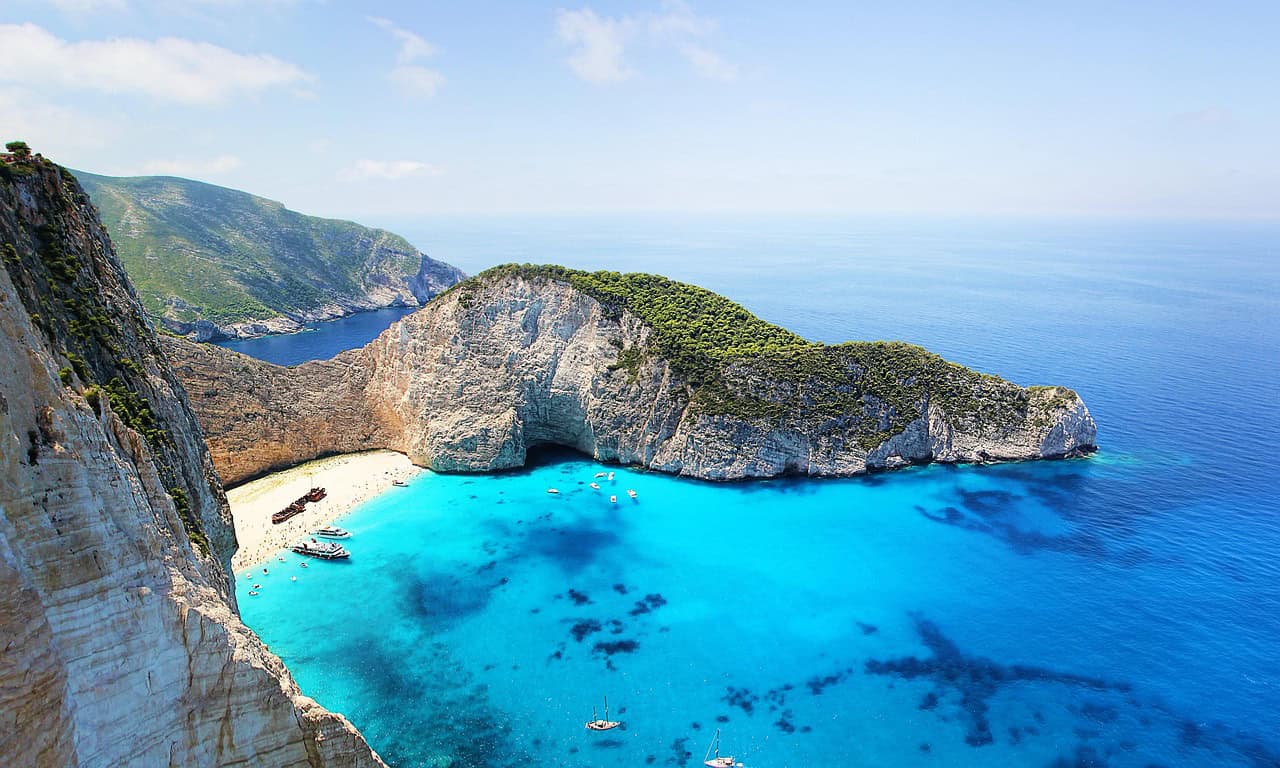
Corfu sits in the same €5 summer bracket, and that is exactly why it can slip under the radar. It is a classic cruise stop on many wider Mediterranean routes, so the fee often arrives not as a headline expense but as part of a chain of Greek port calls that quietly accumulates. Corfu’s pastel facades and Ionian calm can make it feel like the gentler, easier part of the voyage, yet the tax still applies per person and per port, which means families and groups can feel the weight faster than the island’s relaxed mood suggests.
Crete Makes a Long Shore Day Slightly Heavier
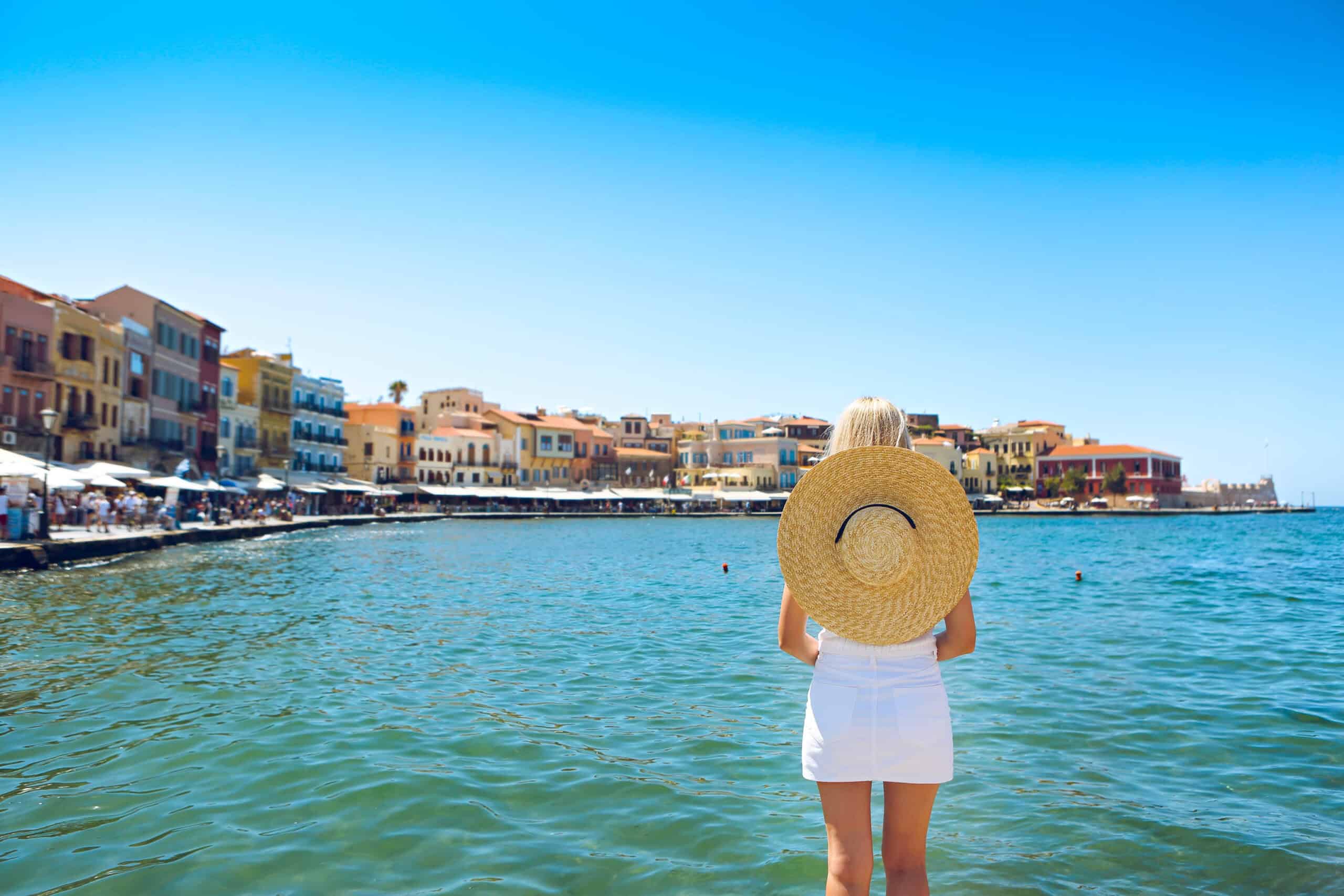
Crete, usually reached by cruise passengers through Heraklion or Agios Nikolaos, also sits in Greece’s €5 summer tier, and its size can make the spending picture broader than expected. It is the kind of island where travelers are tempted into longer transfers, archaeological outings, and full-day excursions, so the tax becomes one more cost attached to a stop that rarely stays simple. Because the fee applies at each Greek port rather than once for the whole voyage, Crete can feel less like a bargain island and more like part of a steady drip of compulsory extras.
Patmos Looks Small on the Map but Still Counts on the Bill
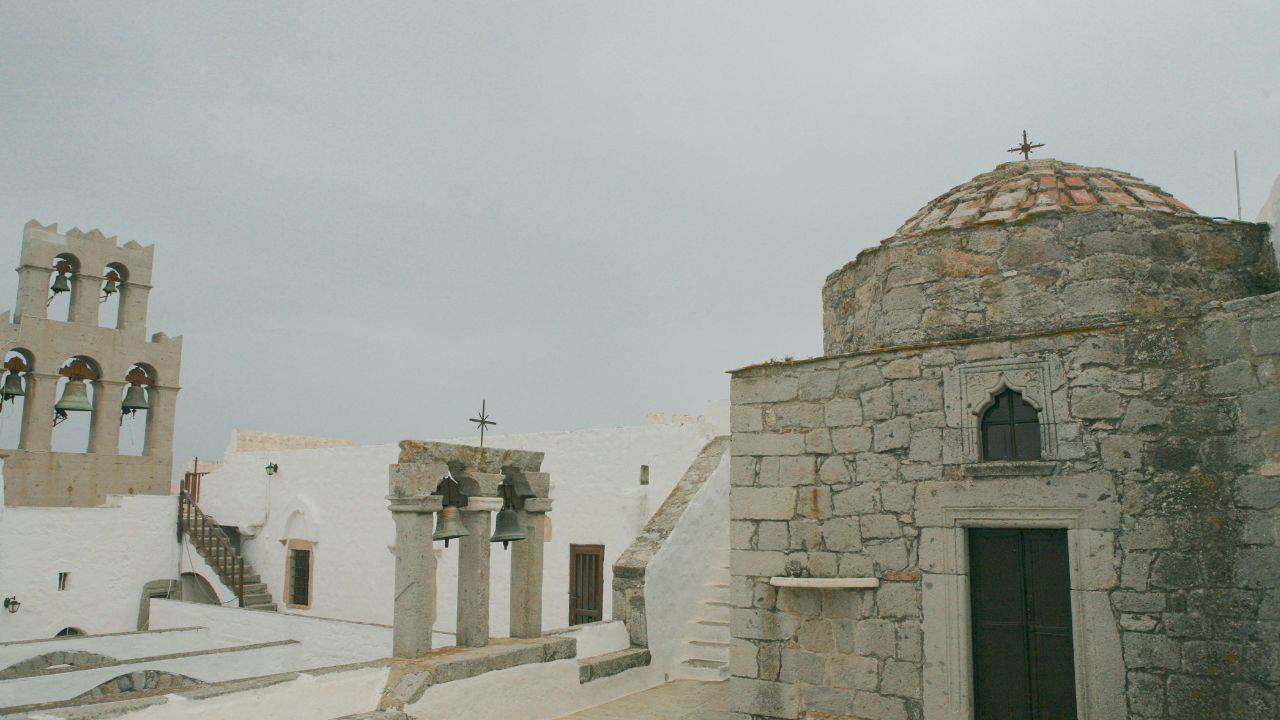
Patmos is quieter and less aggressively glamorous than Santorini or Mykonos, which is exactly why it can seem like the harmless part of a cruise budget. But it still falls under the €5 summer rate for other Greek ports, and cruise lines continue to feature it on classic Greek-island itineraries. The island’s spiritual calm and compact scale create the impression of a light stop, yet the tax does not care whether a port feels grand or modest. In a multi-island voyage, even Patmos contributes to that slow shift from manageable spending to a noticeably heavier final total.