Travel Bloggers Ruined Bali, Santorini, and Tulum, 11 Destinations That Were Better Before Instagram Found Them
We may earn money or products from the companies mentioned in this post. This means if you click on the link and purchase the item, I will receive a small commission at no extra cost to you ... you're just helping re-supply our family's travel fund.

There was a time when beautiful places could still keep part of themselves hidden. Then phones, feeds, and perfectly framed travel posts turned once-textured destinations into global stage sets, where a viewpoint, alley, beach, or cafe became less a place than a performance. Across Europe, Japan, Indonesia, and Mexico, officials are now capping entries, taxing day-trippers, banning new hotels, or blocking viral photo spots just to restore some breathing room. What changed was not beauty itself. It was the speed with which attention learned to strip-mine it.
Bali
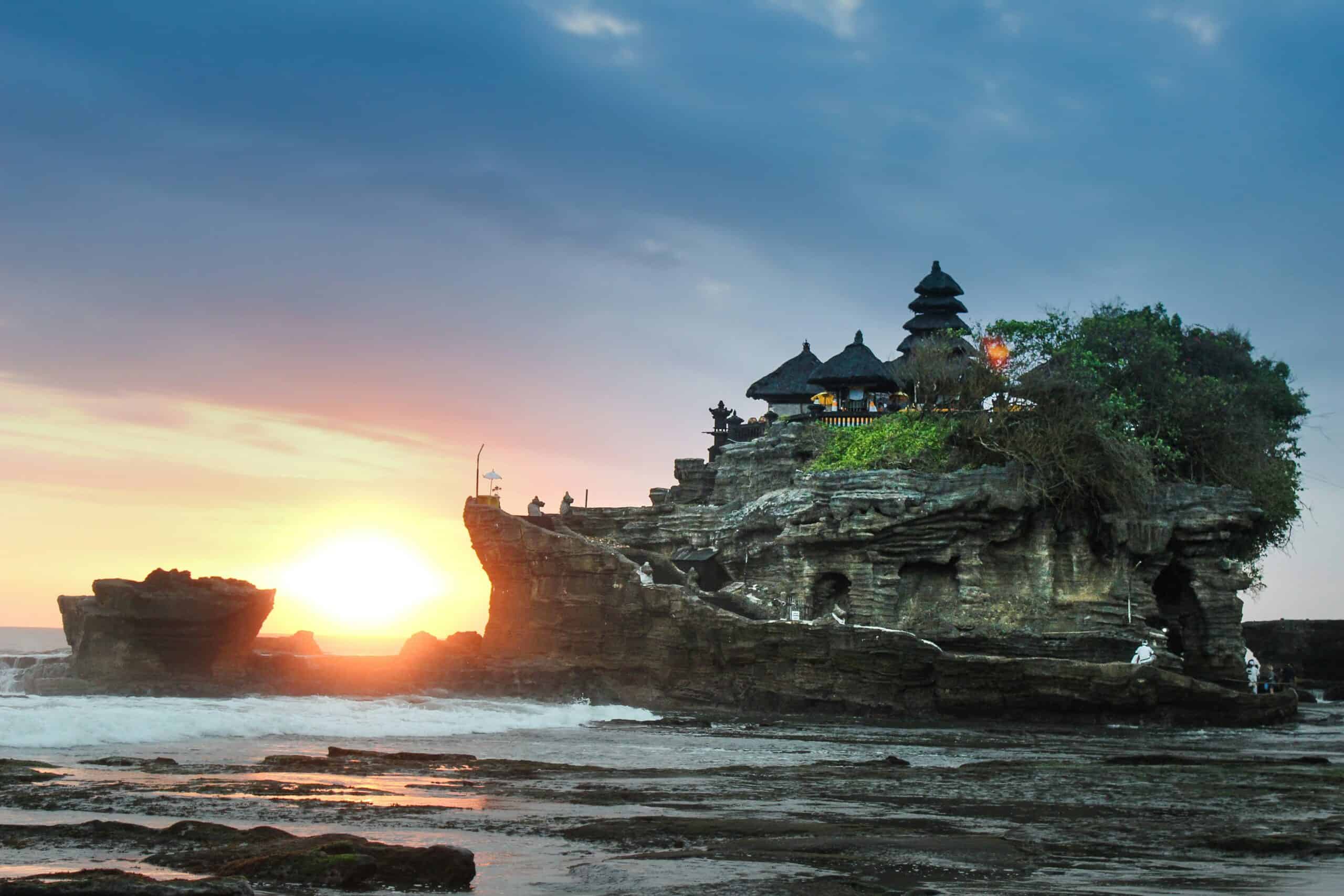
Bali was once sold as a place of temples, rice terraces, surf breaks, and spiritual quiet stitched together by daily ritual. Social media did not invent its beauty, but it accelerated the island’s conversion into a rolling content backdrop, especially in the south, where traffic, overbuilding, and visitor misconduct became impossible to ignore. By 2024, officials backed a moratorium on new hotels, villas, and nightclubs in parts of the island, while Bali’s foreign tourist levy was framed as a way to fund environmental and cultural protection. The heartbreak is not that Bali became popular. It is that so much of its ease was paved over in the process.
Santorini
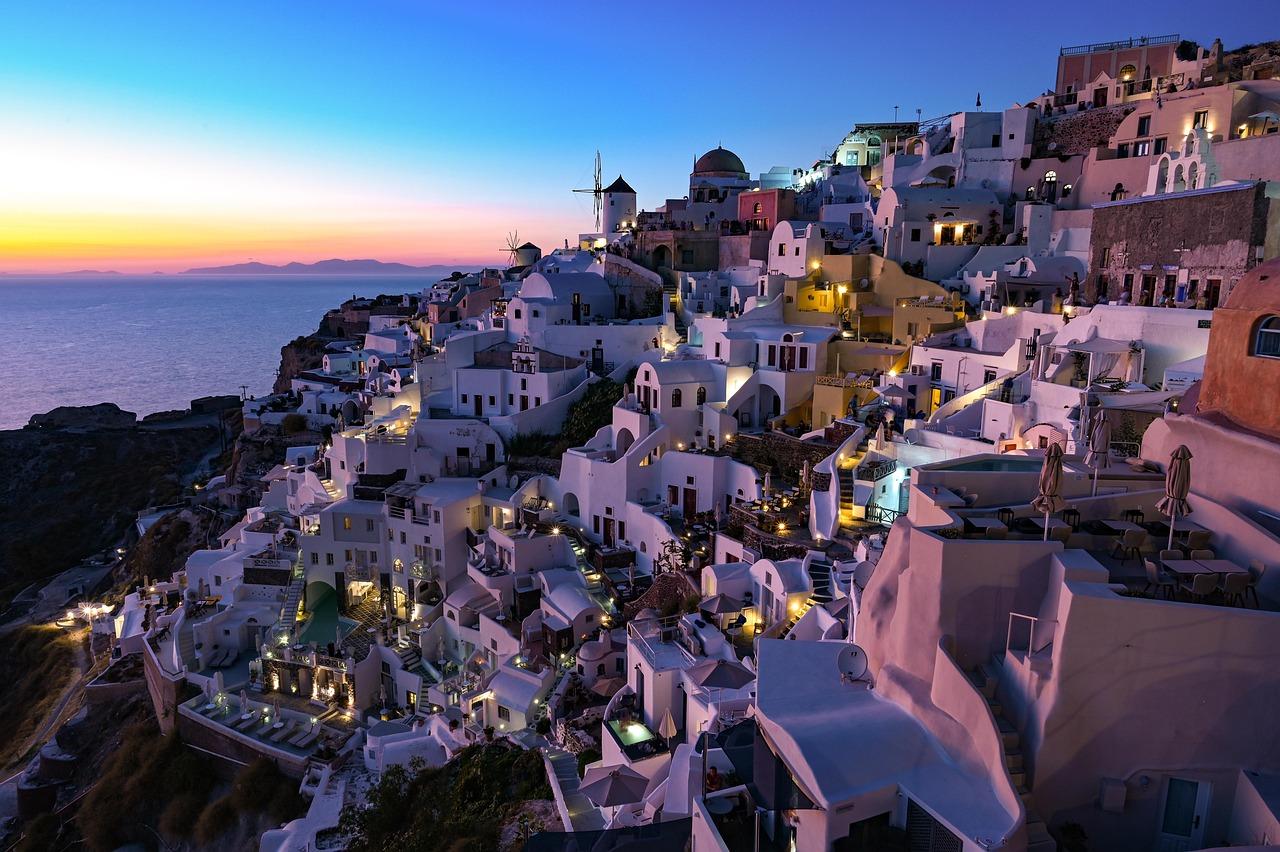
Santorini still photographs like a miracle, which is part of the problem. The caldera remains dazzling, but the island’s daily reality has been warped by cruise surges, relentless construction, and streets that can feel less like a lived-in settlement than a conveyor belt for sunset content. Reuters reported that locals were calling for caps as visitor pressure kept rising, and Greece later moved toward a levy on cruise arrivals to protect islands such as Santorini during peak season. The island did not lose its beauty. It lost the silence and proportion that once made that beauty feel intimate instead of consumed.
Tulum
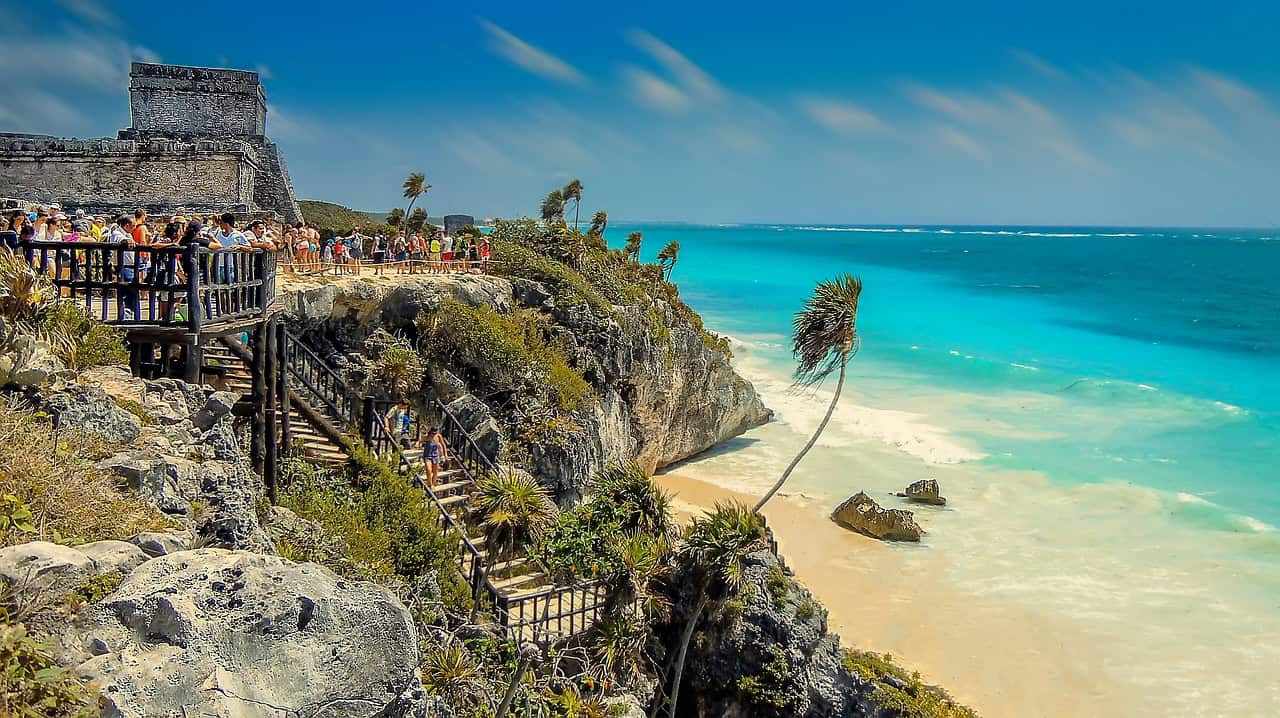
Tulum used to carry the glow of a place that felt a little outside the machine: low-slung, jungled, half bohemian, half archaeological daydream. Then luxury branding, rapid development, beach-club culture, and algorithmic travel habits pushed it toward something harder and more brittle. Recent reporting has tied the broader region’s growth to environmental stress, including concerns over damage to the Yucatán’s cave systems, while Tulum’s Jaguar National Park imposed tighter rules on cars, plastics, vendors, and daily access in an effort to protect what remained. Even the fantasy of escape now arrives with lines, controls, and visible strain.
Venice
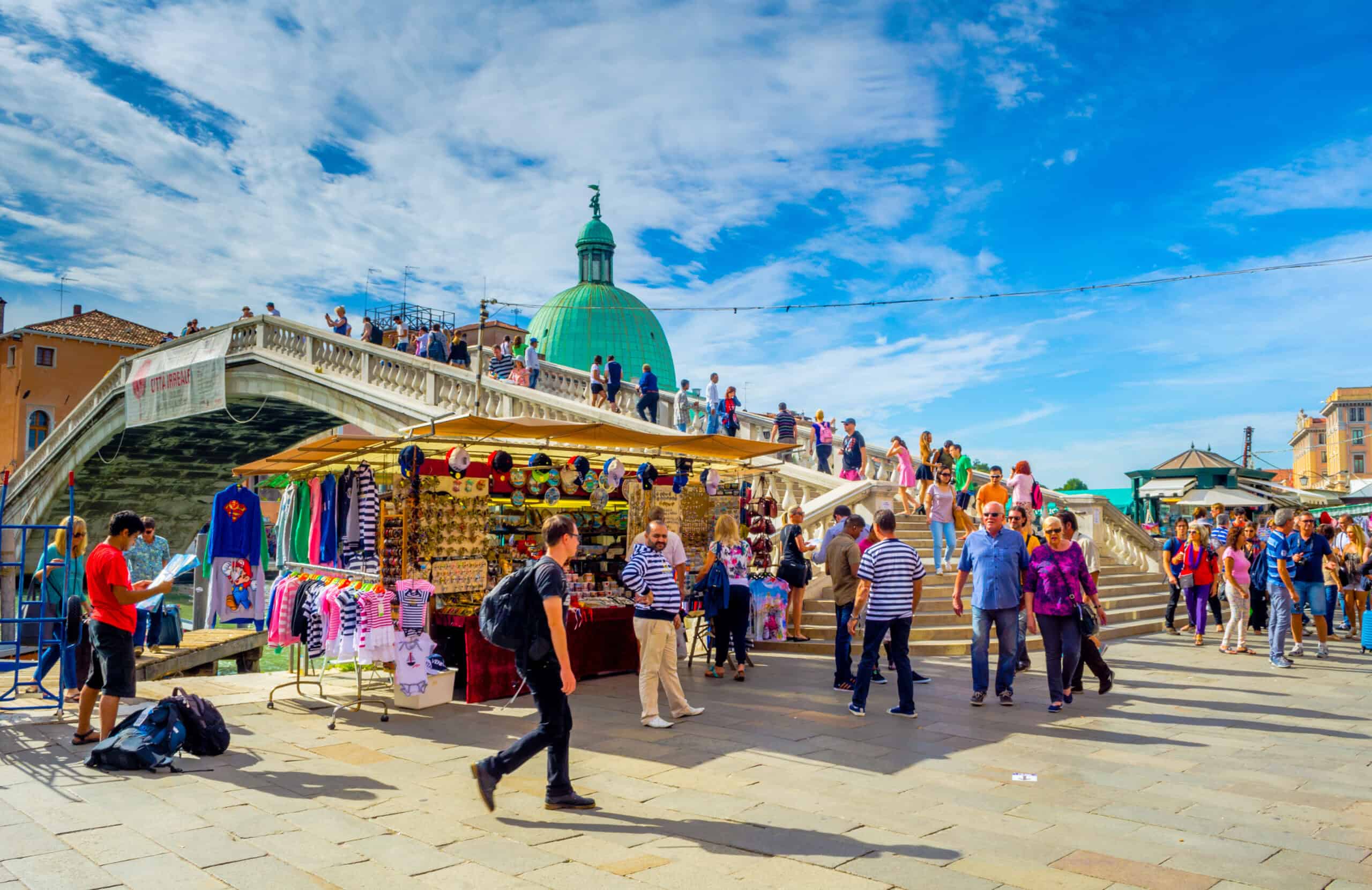
Venice may be the clearest example of a destination forced to charge admission to its own overload. The city introduced a day-tripper fee in 2024 and expanded it for 2025 after years of trying to manage crowds that swamp its narrow lanes while contributing less than overnight guests. Residents have long argued that the historic center is being flattened into spectacle, and Reuters captured that tension bluntly when protests broke out against living in a theme park. Venice is still one of the world’s great wonders. But wonder feels different when it must be scheduled, scanned, and filtered through crowd-control policy.
Dubrovnik
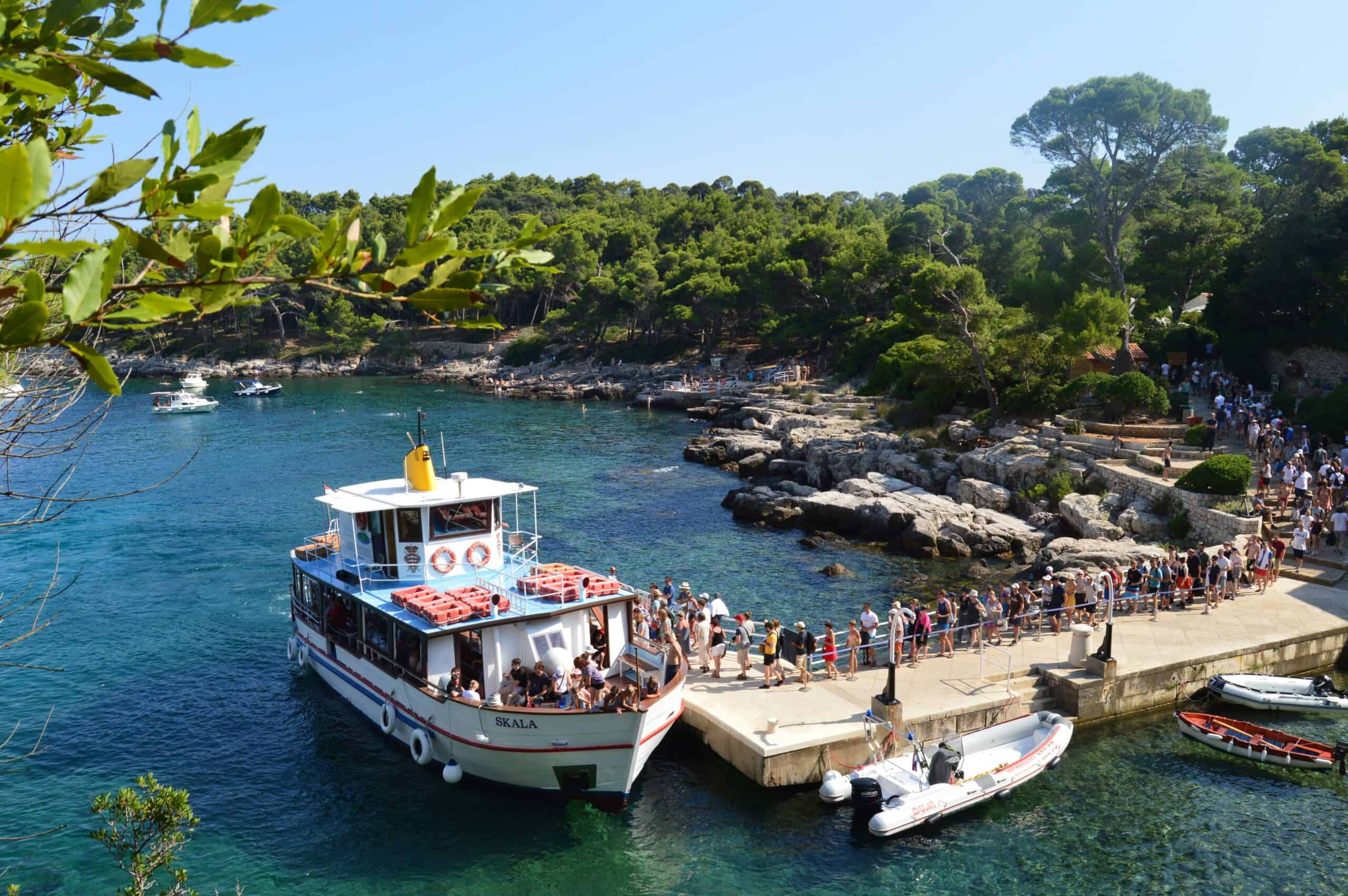
Dubrovnik’s old city always had cinematic bones, but screens and social feeds turned those walls into a bucket-list reflex. Cruise pressure, short-term rentals, and soaring prices helped push locals outward while the center leaned further into performance. Reuters reported in 2024 that the city was trying to reclaim space for residents by banning new private-rental permits in the historic core, building on earlier crowd-management efforts tied to the “Respect the City” program. That tells the whole story. Once a living Adriatic stronghold, Dubrovnik now spends part of its energy trying to remember how to stay inhabited, not just admired.
Hallstatt
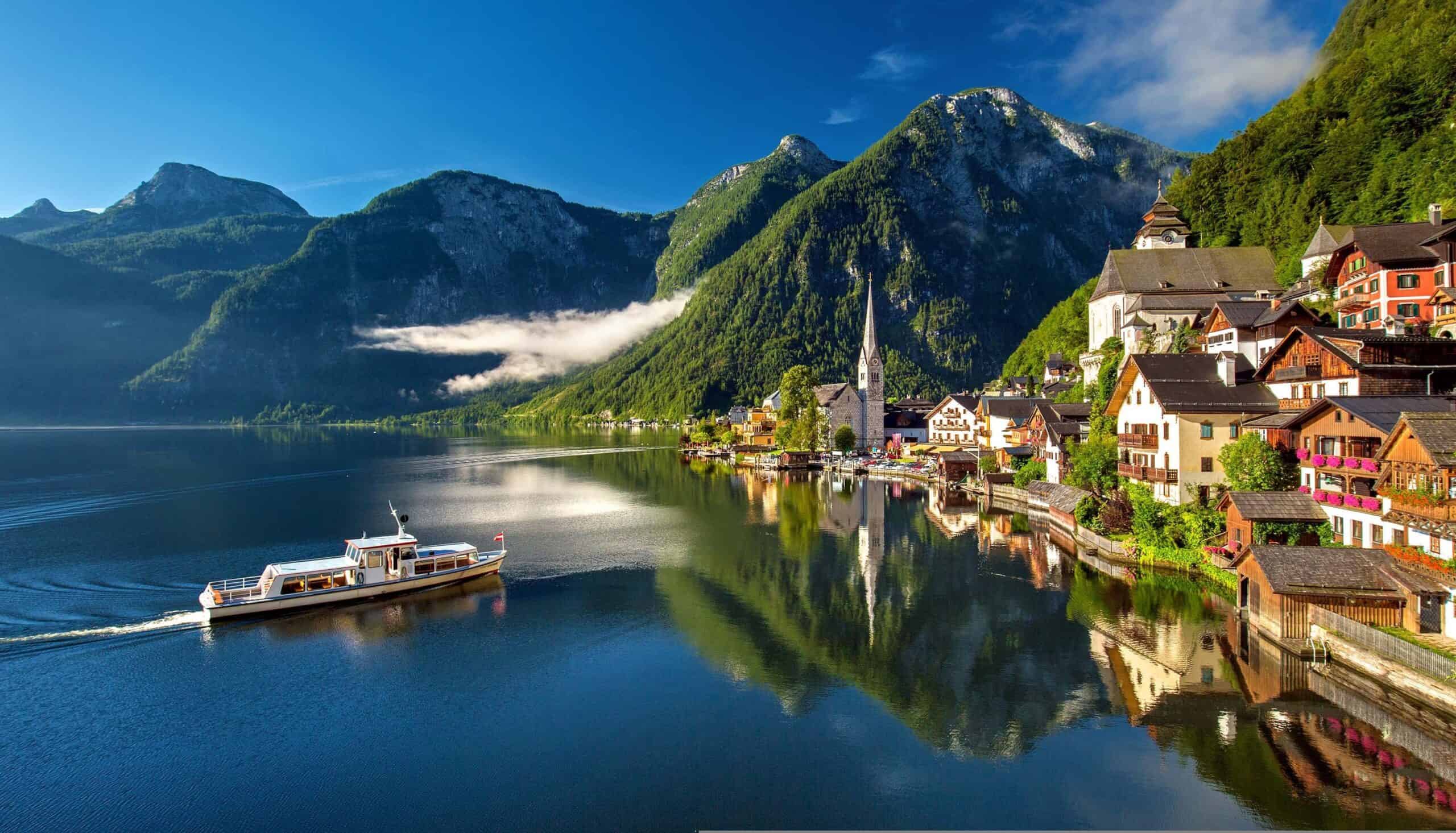
Hallstatt looks almost too perfect to be real, and that unreality is exactly what social media fed on. For years, busloads of visitors poured into a lakeside village with fewer than 800 residents, many of them arriving for the same narrow set of views before leaving again. Reuters previously reported that Hallstatt drew around a million day-trippers in a year, and later reporting noted that peak days could bring as many as 10,000 visitors, enough to provoke resident protests. The village still appears peaceful in photographs. On the ground, peace became one of the first things mass attention took away.
Kyoto
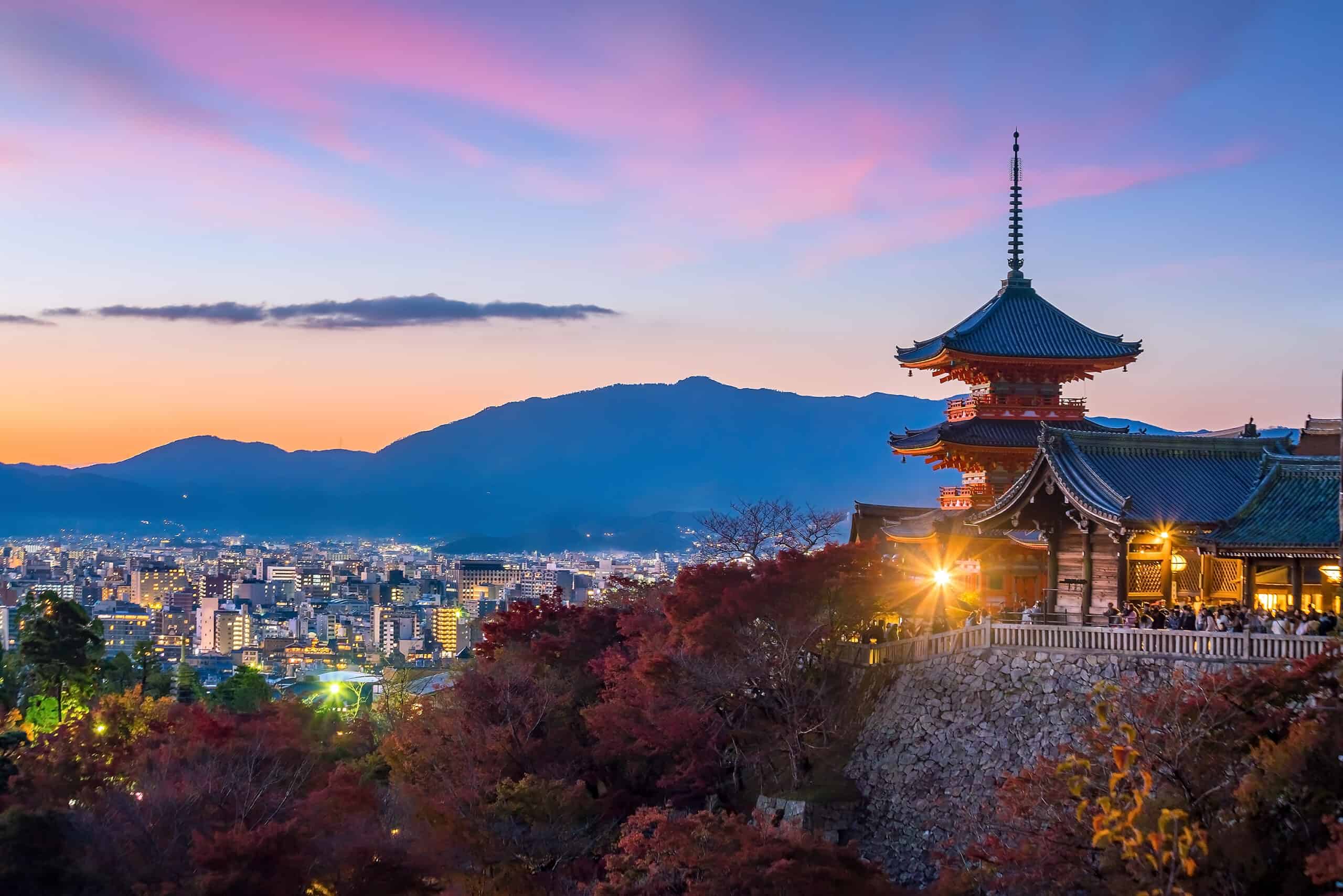
Kyoto has always been famous, but fame used to arrive with a little more patience. The social-media version is faster and shallower: a rush for the bamboo grove, the vermilion gates, the temple overlook, the geisha sighting. As visitor numbers surged in 2024, Kyoto tightened restrictions in parts of Gion, and the city’s own guidance stresses that certain alleys are private, photography is restricted, and behavior must not disturb local life. That is what overtourism does to a place built on restraint. It forces a city known for quiet manners to keep explaining that elegance is not a public prop.
Amsterdam
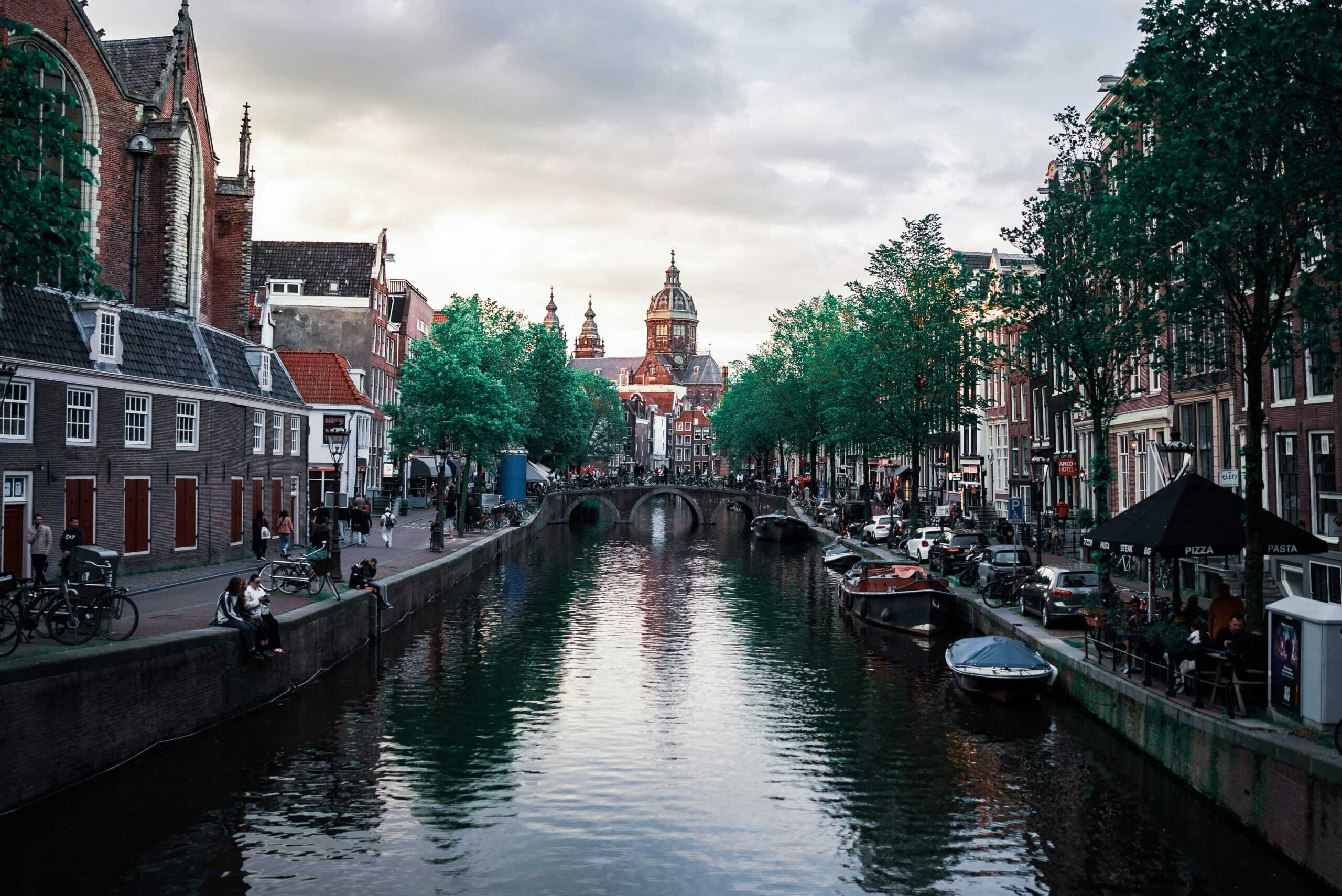
Amsterdam spent years being marketed as easy, edgy, and endlessly walkable, which sounds charming until the city center begins to buckle under the weight of too many short stays and too little civic balance. In 2024, the city announced a ban on new hotels and reiterated its goal of keeping annual tourist hotel nights at no more than 20 million, part of a broader effort to protect livability. That policy is telling. Amsterdam is not rejecting visitors so much as rejecting the idea that popularity should outrank everyday life. A place built on human scale can only stretch so far before the scale itself disappears.
Mallorca
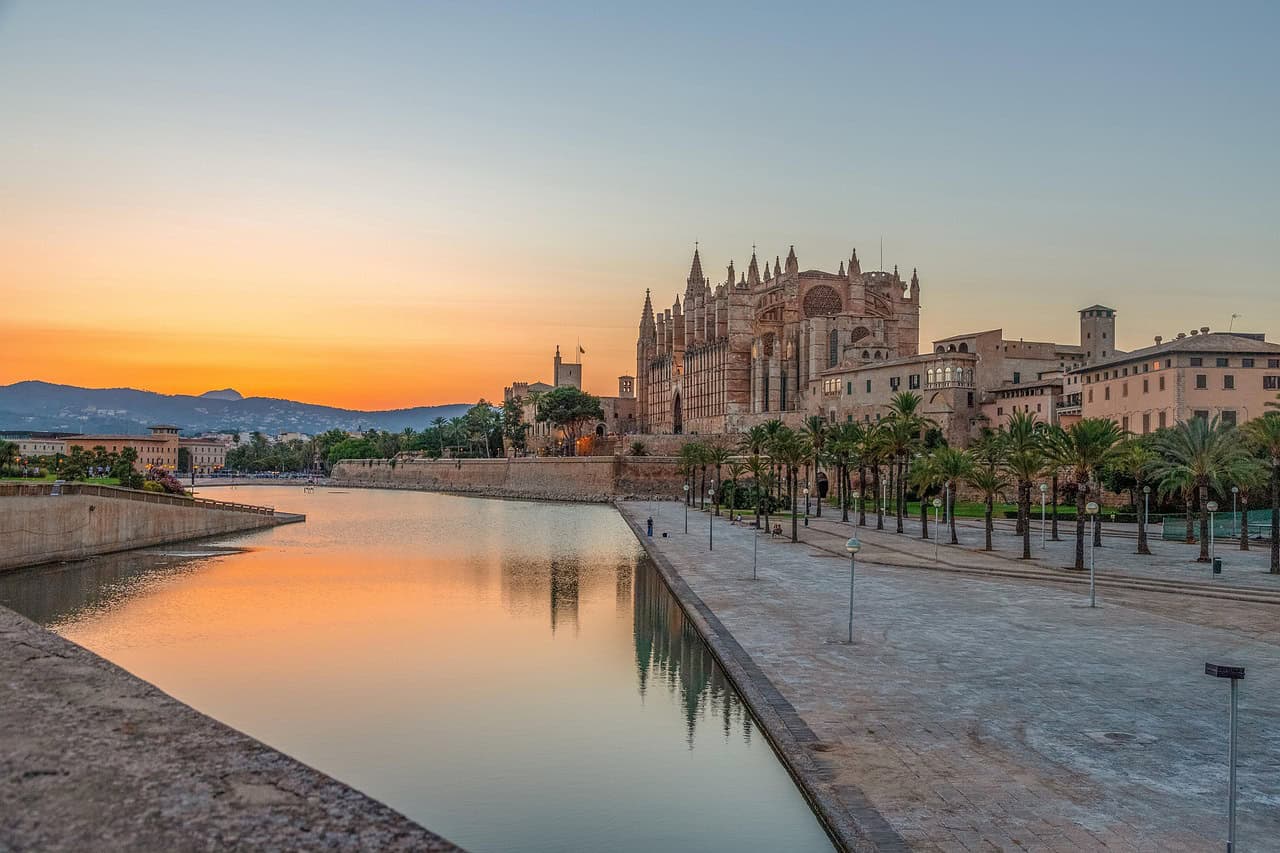
Mallorca once carried the easy glamour of a Mediterranean escape that still felt rooted in island rhythms. Lately, the mood has shifted. Reuters reported that thousands protested in Palma and across the Balearics in 2024, denouncing mass tourism, private jets, cruise pressure, and a housing market bent around visitors rather than residents. The anger did not appear out of nowhere. It came from the sense that an island can be loved so aggressively that the people who keep it alive are slowly priced out of the picture. Sunlight still pours over Mallorca beautifully. It just lands on a more exhausted place than before.
Barcelona
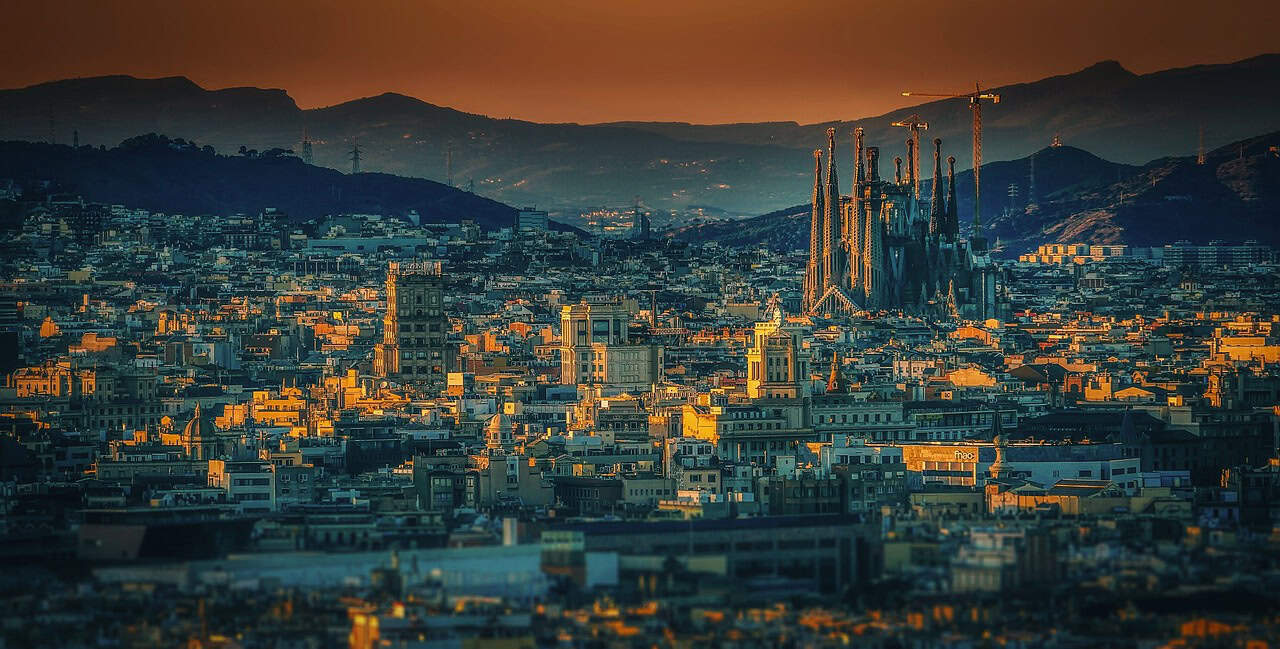
Barcelona has become one of Europe’s sharpest warnings about what happens when a beloved city starts feeling curated for outsiders first and residents second. In 2024, Mayor Jaume Collboni said Barcelona could not absorb unbridled tourist growth without turning into a theme park without residents, and the city moved toward shutting down short-term tourist rentals by 2028. That language mattered because it stripped away the usual romance. Barcelona is still magnetic, layered, and full of civic energy. But somewhere along the way, the selfie economy helped turn daily neighborhoods into consumable backdrops, and locals finally said the trade was no longer fair.
Mount Fuji
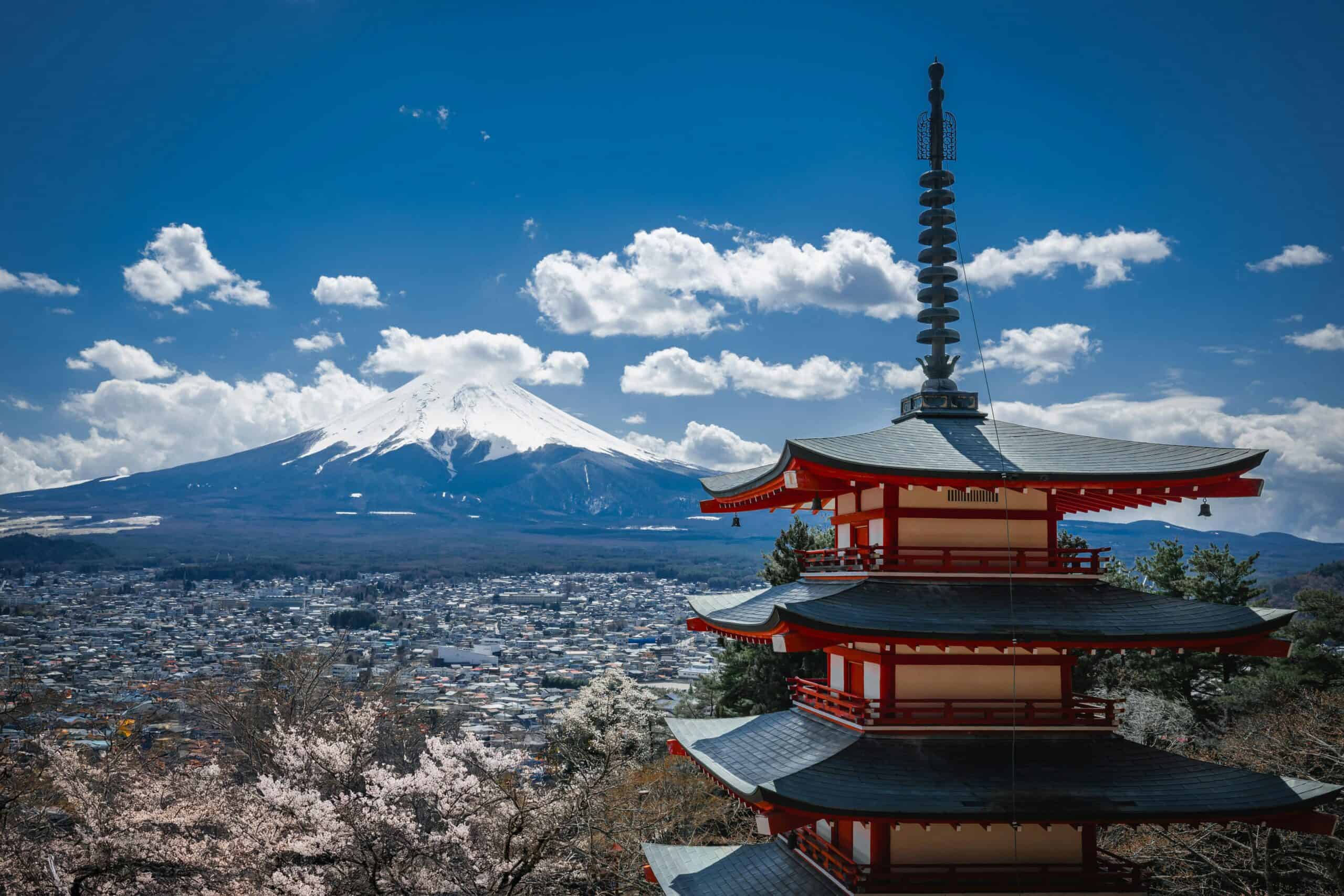
At Mount Fuji, Instagram made the problem literal. In Fujikawaguchiko, a convenience-store view of the mountain went so viral that officials erected a black screen to block the shot after complaints about litter, trespassing, and dangerous roadside behavior. Japan also introduced fees and daily caps on the most-used Fuji trail to deal with overcrowding and safety concerns. Few places show the era more clearly than this one. A mountain shaped by geology, weather, and faith was reduced, for a while, to a reproducible frame. The sadness is not only in the crowding. It is in how thin the act of seeing became.
Kotor
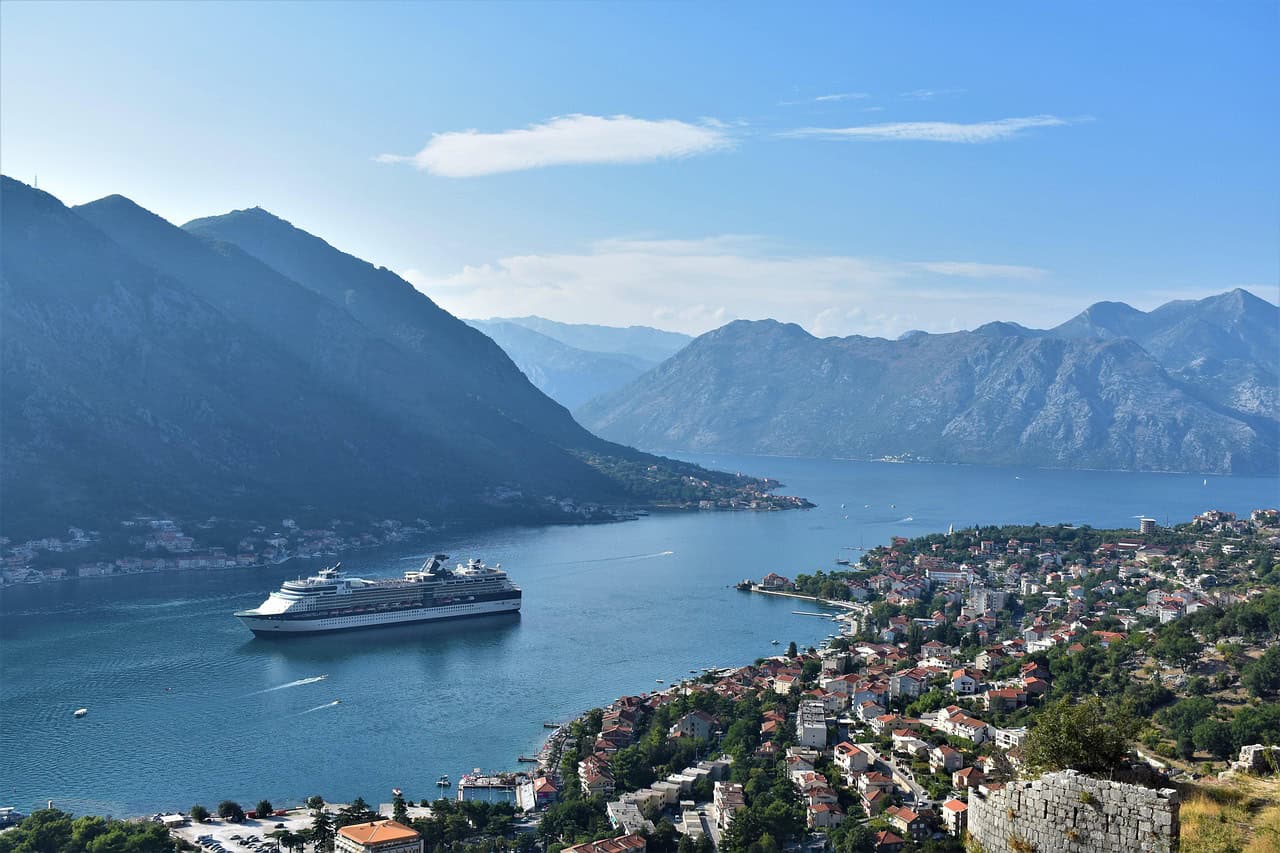
Kotor has the kind of setting that seems designed to trigger modern travel obsession: a fortified old town, a cinematic bay, cruise-ship drama, mountain walls, and narrow stone lanes. That mix has brought a rush the town is struggling to absorb. Reuters reported in 2024 that around 500 cruise ships were expected during the year, with some days bringing thousands of passengers at once into a place already wrestling with congestion, housing pressure, and environmental worry. Kotor still stuns on arrival. But more and more often, it feels like a small medieval place being asked to perform at megaport scale.