12 Cities That Do Not Deserve World Hate
We may earn money or products from the companies mentioned in this post. This means if you click on the link and purchase the item, I will receive a small commission at no extra cost to you ... you're just helping re-supply our family's travel fund.
Some cities become easy targets. Headlines focus on crime, congestion, politics, pollution, or rising costs, while the quieter realities get buried underneath. Yet many places with rough reputations are far more layered than outsiders expect. They are filled with neighborhoods where families gather in parks, food traditions run deep, and daily life feels surprisingly welcoming. Often, the most criticized cities are also the ones with the strongest sense of identity. Beneath the stereotypes, these places still have beauty, resilience, and communities that deserve more credit.
Los Angeles, California

Los Angeles is often dismissed as shallow, expensive, traffic-filled, and obsessed with celebrity culture, but that narrow image misses the deeper reality of the city. Beyond the packed freeways and red carpets, Los Angeles is a patchwork of neighborhoods shaped by Armenian, Korean, Mexican, Ethiopian, Persian, and Filipino communities that give the city one of the richest food scenes in America. Morning hikes in Griffith Park, quiet afternoons in Pasadena, and ocean sunsets in Malibu reveal a softer side that rarely appears in criticism. For many residents, the city feels less like one place and more like dozens of small worlds connected together.
Paris, France
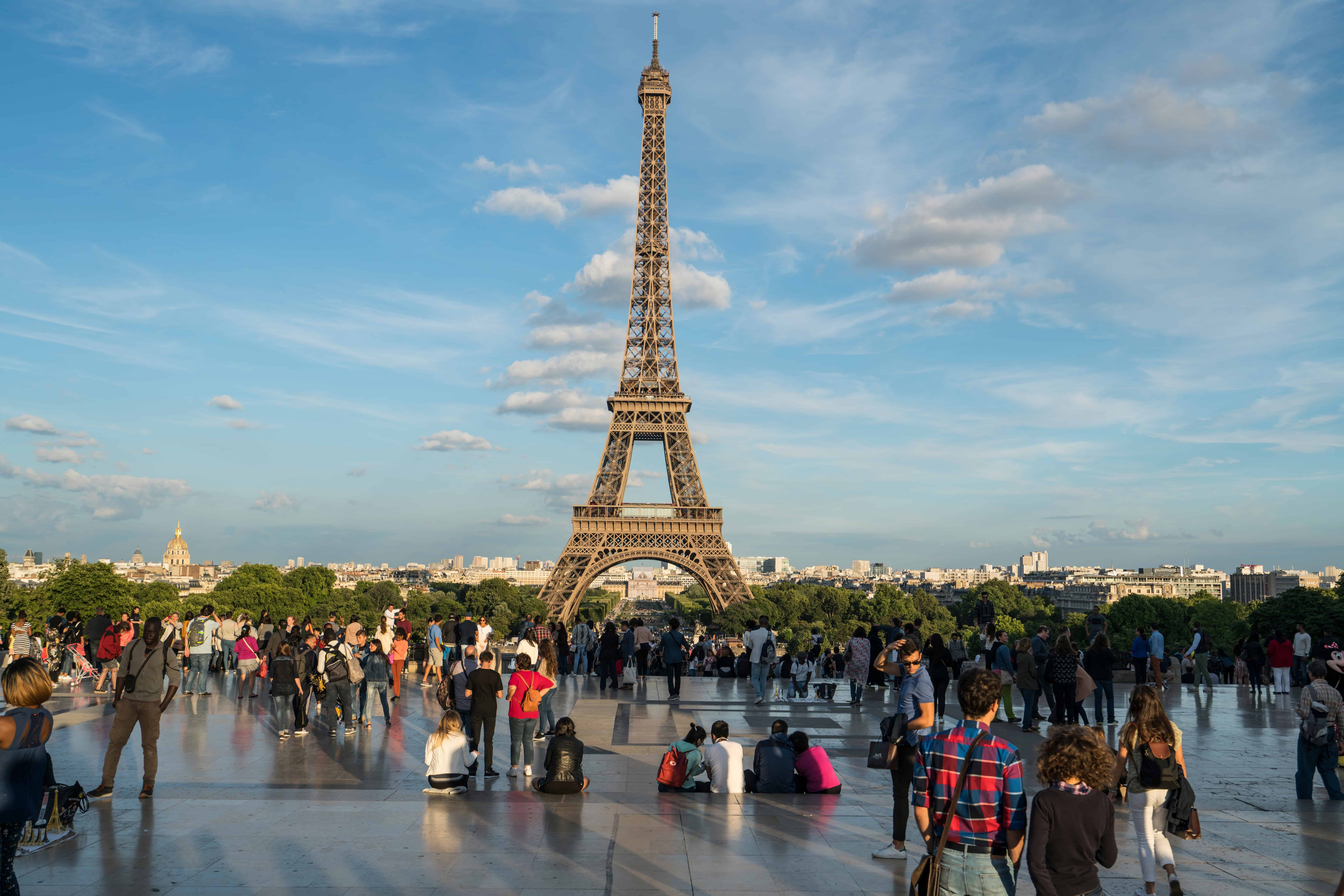
Paris gets accused of being rude, overpriced, and overly romanticized, especially by travelers who arrive with unrealistic expectations. Yet the city still rewards patience in ways few places can. Early mornings along the Seine, quiet corners of Montmartre, and neighborhood bakeries that open before sunrise show a more intimate side of Paris that goes far beyond crowded landmarks. Residents often value personal space and directness rather than constant friendliness, which can feel cold to outsiders but is simply part of the local rhythm. Once that difference is understood, Paris becomes easier to appreciate.
New York City, New York
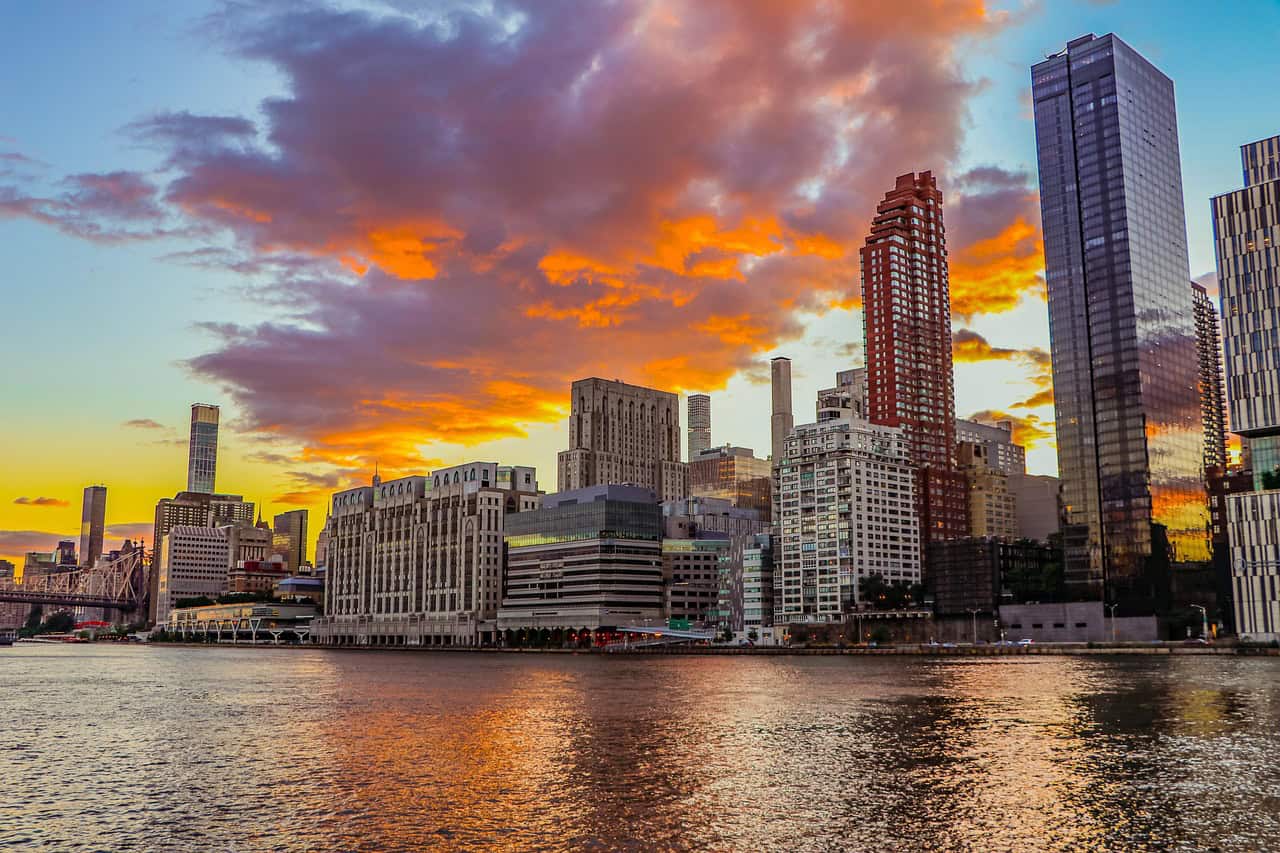
New York City is frequently criticized for its noise, high rents, crowds, and relentless pace, but those same qualities are part of what gives it energy. The city has a rare ability to make nearly every kind of person feel like they belong somewhere. In one day, someone can eat Dominican food in the Bronx, walk through Chinatown, watch the sunset in Brooklyn, and end the night in Queens at a family-run restaurant open past midnight. Beneath the chaos is a place built on ambition, reinvention, and neighborhood pride that continues to draw people from around the world.
Mexico City, Mexico
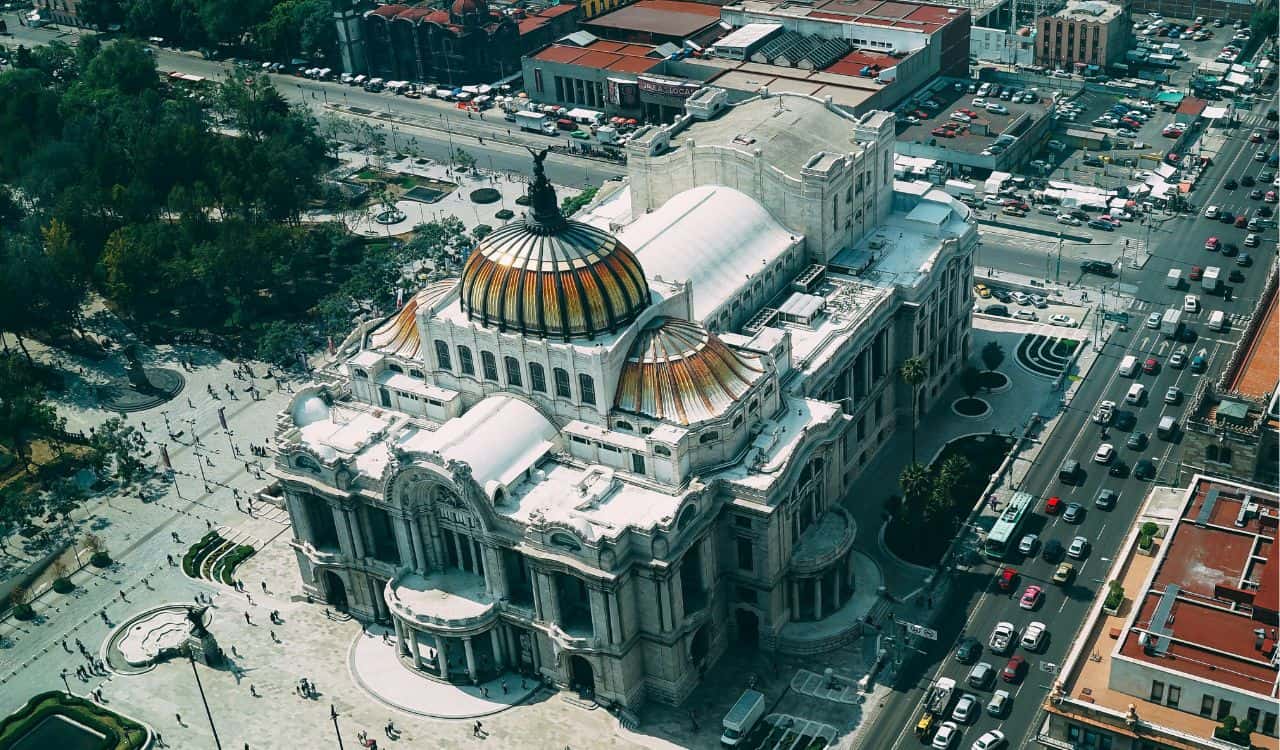
Mexico City still carries outdated stereotypes tied to pollution, traffic, and safety concerns, even though it has evolved dramatically in recent decades. Leafy neighborhoods like Roma and Condesa are filled with bookstores, cafes, art galleries, and tree-lined streets that feel far removed from the city’s old image. The local food scene stretches from humble taco stands to world-famous restaurants, while museums, markets, and public parks give the city a richness that surprises first-time visitors. Its scale can feel overwhelming at first, but there is warmth and creativity in nearly every corner.
Detroit, Michigan

Detroit has spent decades fighting against the image left behind by economic collapse and population loss. Even now, many people still talk about the city as though it never moved beyond its hardest years. In reality, Detroit has become one of the most interesting comeback stories in America. Historic neighborhoods are seeing new investment, local businesses are returning, and the city’s music legacy still shapes everything from nightlife to community festivals. There is also an honesty to Detroit that many larger cities lack. It feels proud, hardworking, and deeply connected to its roots.
Naples, Italy
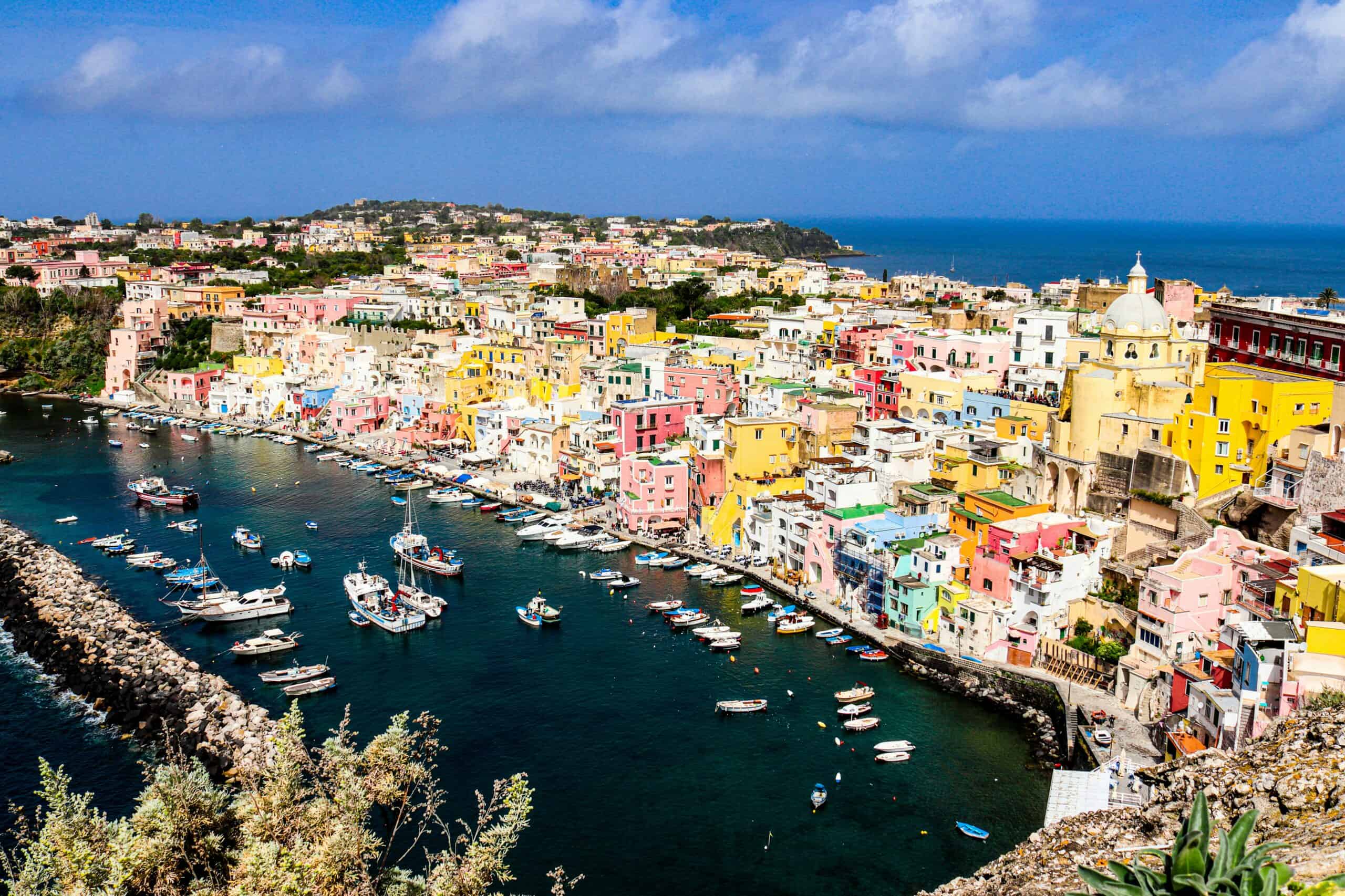
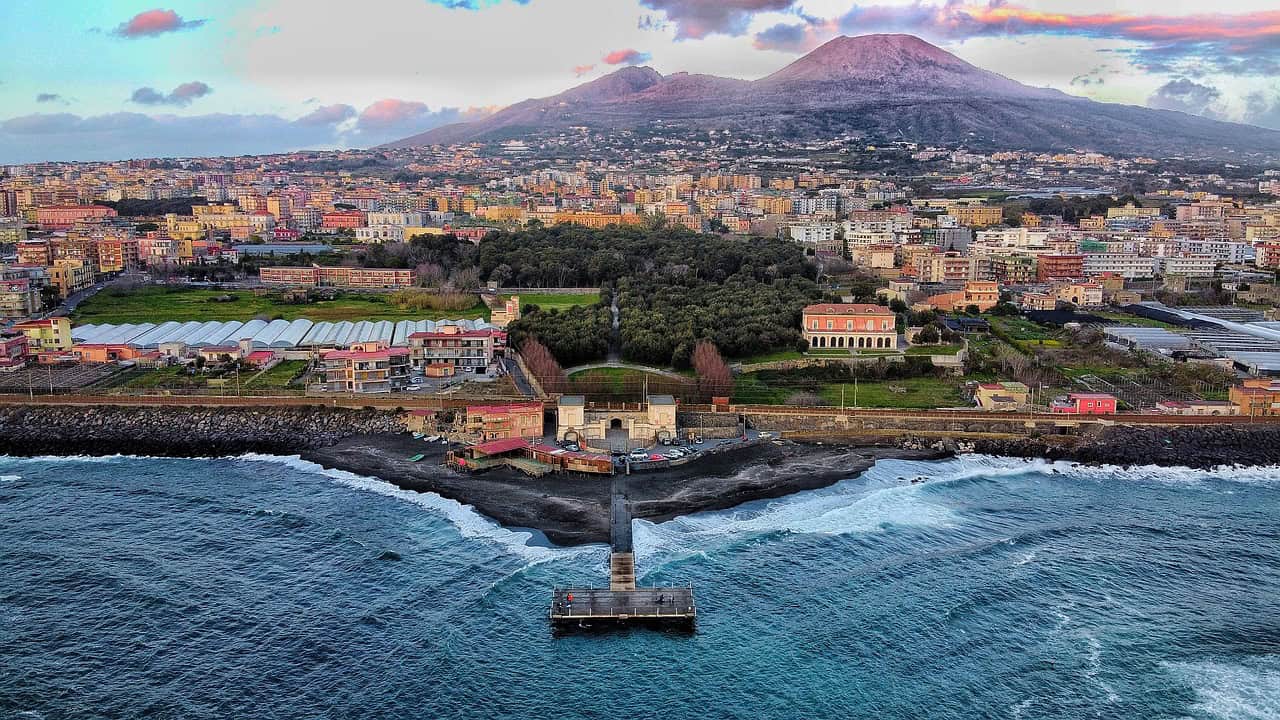
Naples often gets unfairly judged for being chaotic, loud, and rough around the edges compared to other Italian cities. Yet that rawness is exactly what gives it character. Laundry hangs from balconies, scooters weave through narrow streets, and small family-run restaurants serve some of the best pizza in the world. The city sits between the sea and the shadow of Mount Vesuvius, creating views that are dramatic even by Italian standards. Naples does not try to be polished, and that authenticity is part of why so many visitors end up loving it.
Mumbai, India
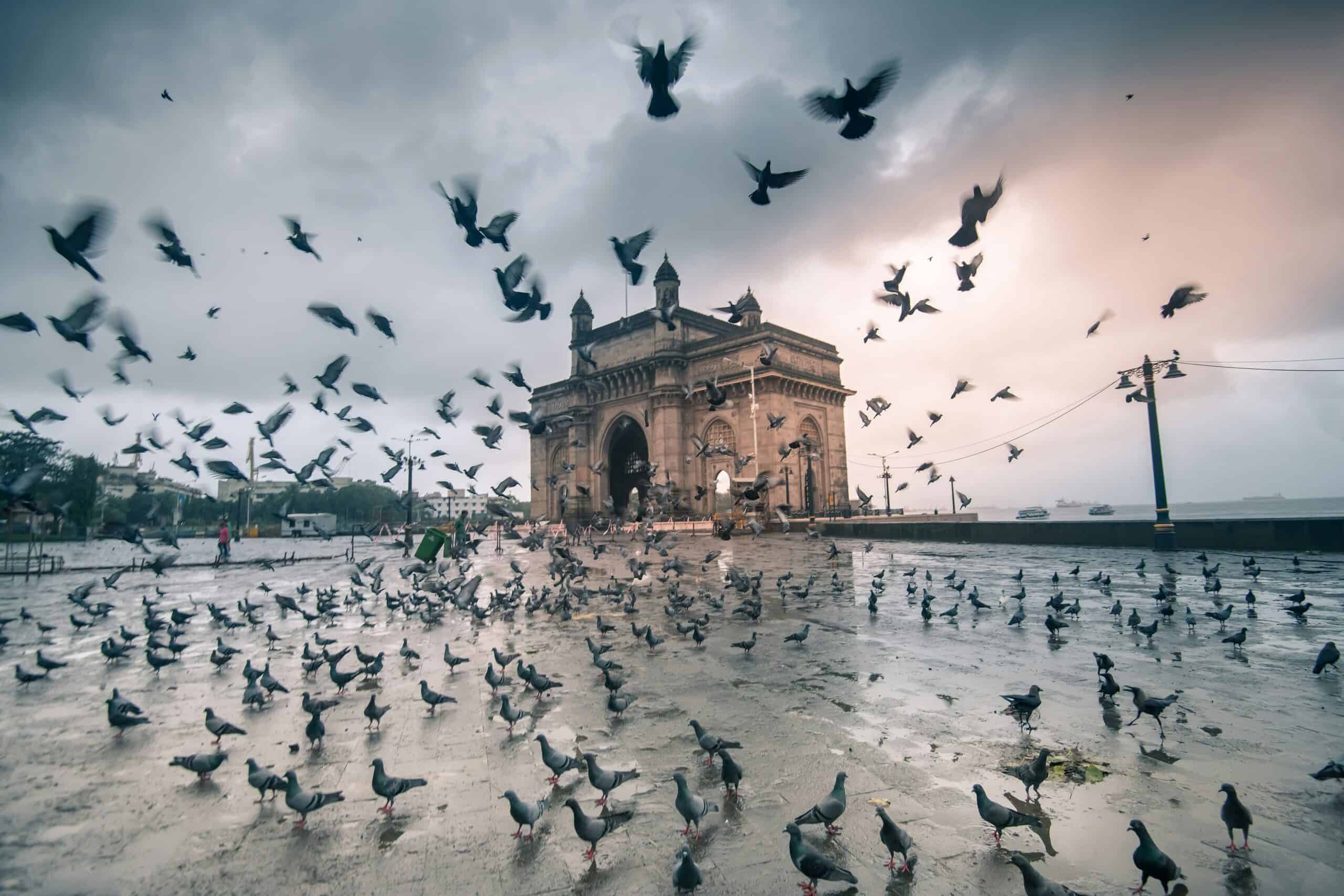
Mumbai is frequently reduced to stories about overcrowding, traffic, and extreme wealth gaps, but the city is also full of drive, resilience, and human connection. It has a rhythm that feels relentless, yet strangely inspiring. Street vendors, commuters, artists, and business owners all move through the city with a sense of purpose that is difficult to ignore. Marine Drive at sunset, old art deco buildings, and neighborhood markets reveal moments of beauty in the middle of the rush. Mumbai can feel overwhelming, but it also has a way of making people feel alive.
Berlin, Germany
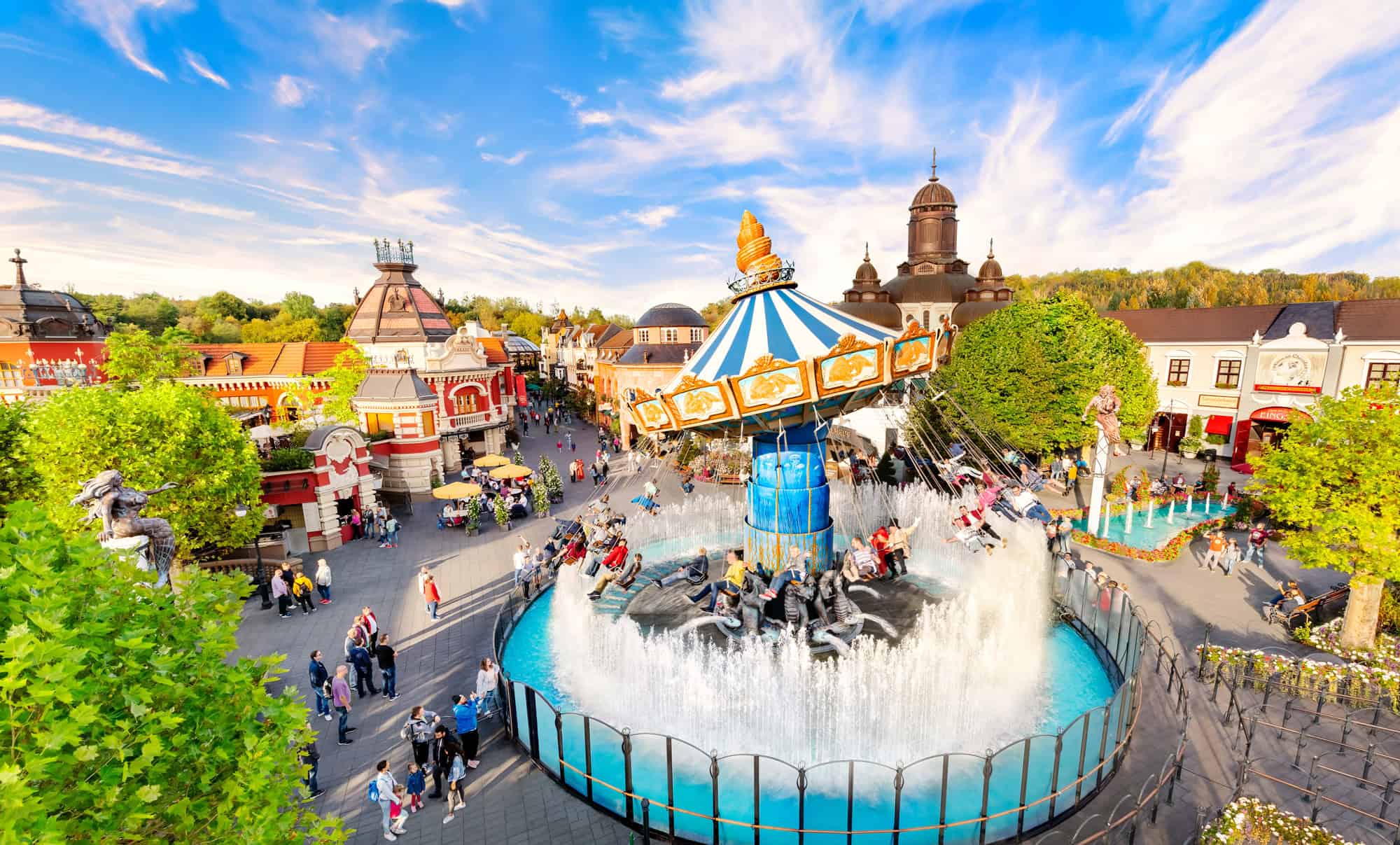
Berlin is sometimes criticized for being gray, gritty, and less polished than other European capitals, but its appeal has never been about perfection. The city carries its history openly, from Cold War landmarks to reminders of World War II, which gives it an emotional depth that many places lack. At the same time, Berlin is creative, experimental, and full of neighborhoods where independent cafes, galleries, and music venues shape daily life. It is a city where old buildings, street art, and green parks exist side by side without trying to hide their contrasts.
Chicago, Illinois
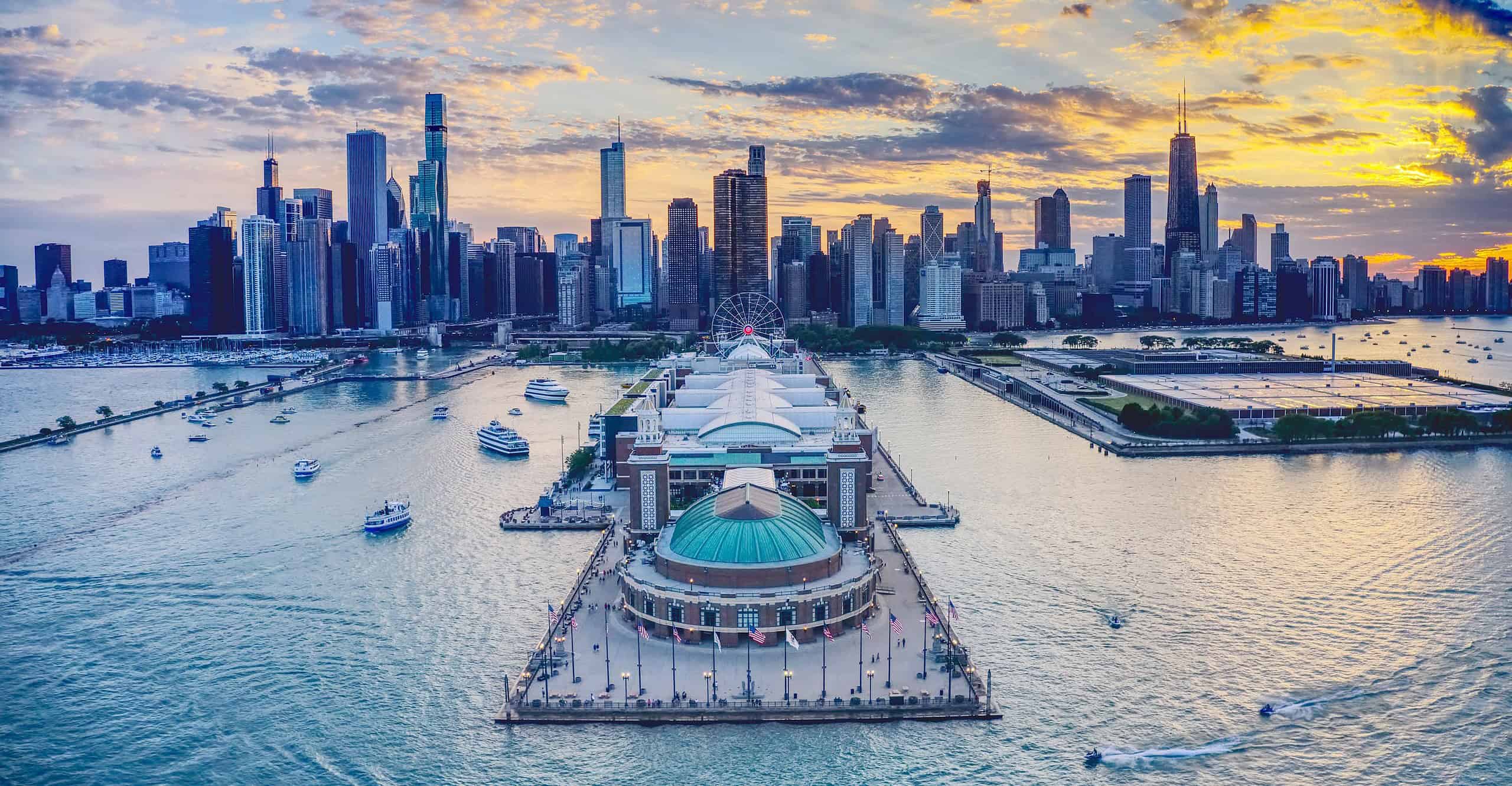
Chicago often faces unfair attention for crime, even though the vast majority of neighborhoods are filled with ordinary daily life, strong communities, and local traditions. The city’s lakefront, architecture, and skyline remain some of the most striking in the country, especially during summer evenings when people gather in parks and along the water. Chicago also has one of the strongest neighborhood identities in America, with each area offering its own restaurants, festivals, and personality. Beneath its tough reputation is a city that is welcoming, loyal, and deeply proud of itself.
Cairo, Egypt
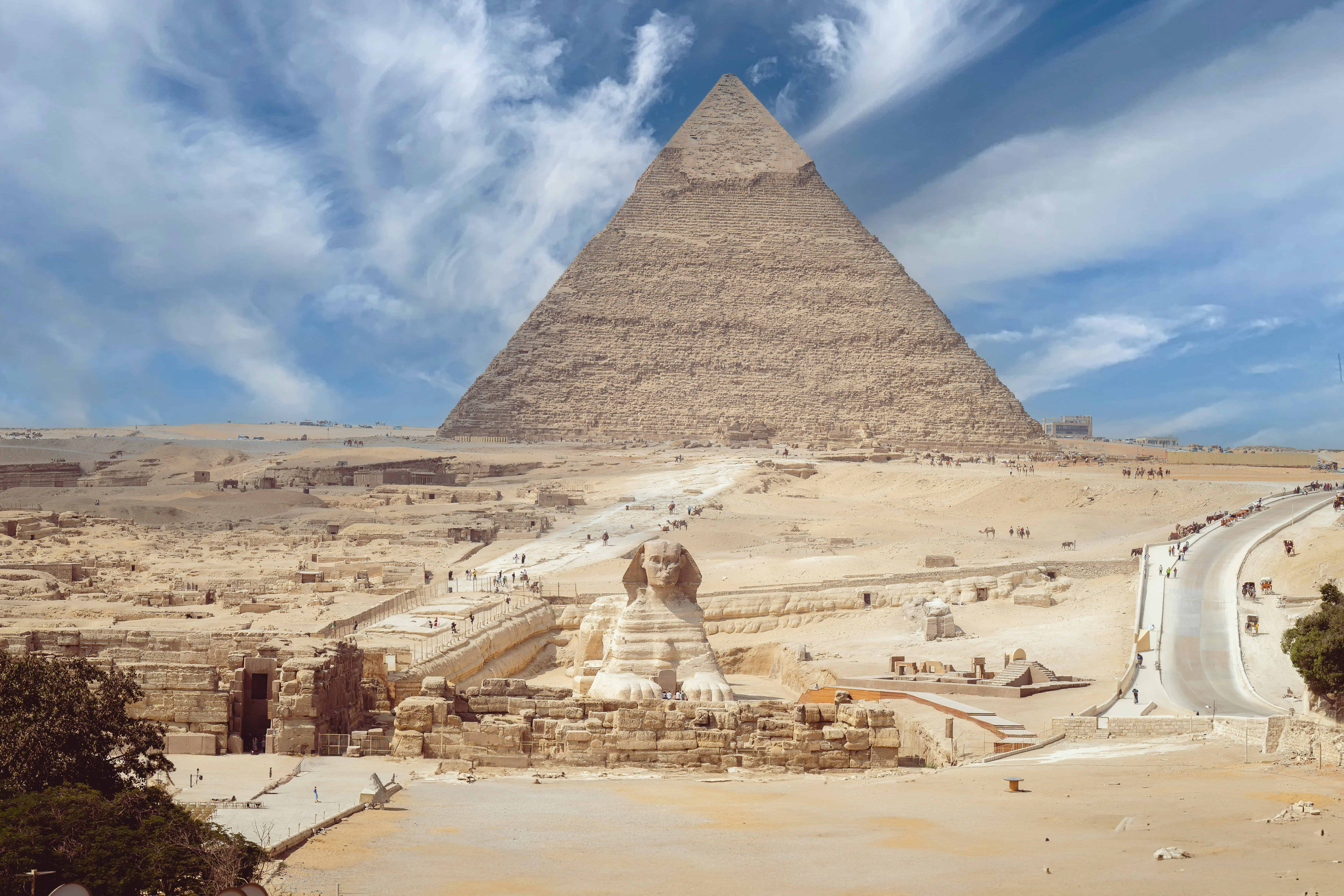
Cairo is often described as crowded, noisy, and exhausting, and there is some truth in that. Yet those same qualities are tied to the city’s intensity and cultural richness. Ancient history exists beside modern life in ways that feel almost surreal, with mosques, markets, apartment buildings, and street food vendors sharing the same streets. The Nile still cuts through the city like a calm center point, while neighborhoods filled with music, coffee shops, and evening gatherings show a more personal side of Cairo. Its beauty is not quiet, but it is unforgettable.
Las Vegas, Nevada
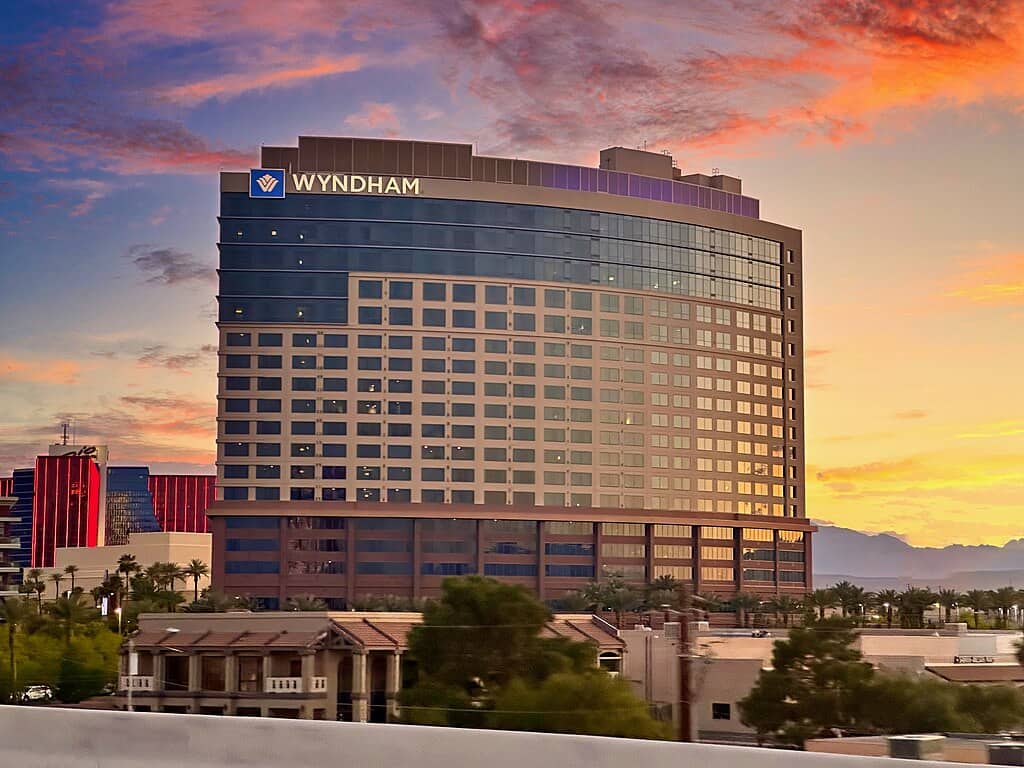
Las Vegas is often dismissed as fake, flashy, and built entirely around gambling, but that reputation ignores how much the city has changed. Beyond the casinos, Las Vegas has become a serious food destination, with impressive restaurants, live entertainment, and growing residential neighborhoods that have little to do with the Strip. Red Rock Canyon, desert sunsets, and nearby hiking trails give the area a natural side that many visitors never see. For locals, Las Vegas is not just a weekend playground. It is home, and it has far more depth than outsiders often assume.
Brussels, Belgium
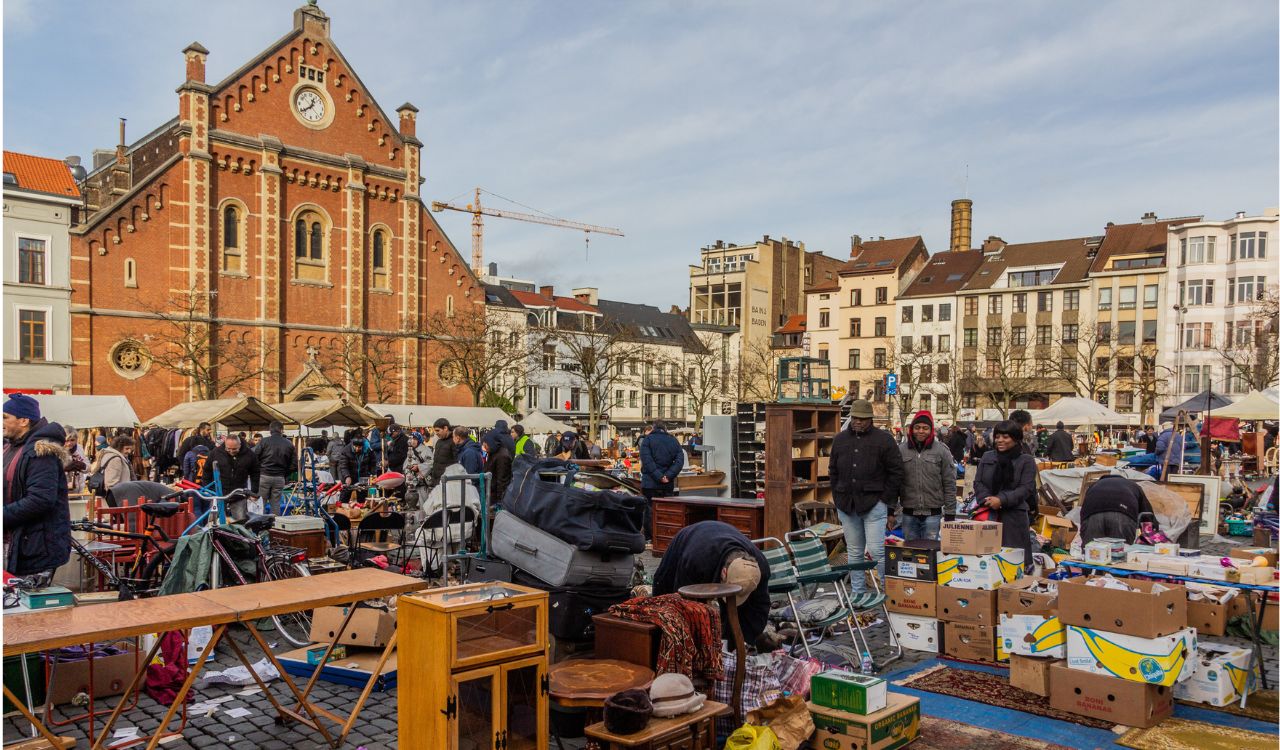
Brussels is sometimes overshadowed by Paris, Amsterdam, and other European capitals, leaving many travelers to treat it as a place to pass through rather than experience. Yet the city has a charm that becomes clearer over time. Grand squares, comic book murals, neighborhood cafes, and old townhouses create an atmosphere that feels both elegant and relaxed. Brussels is also one of Europe’s most multilingual cities, which gives it an international energy without losing its local identity. It may not demand attention in the way other capitals do, but it quietly earns affect.