The American Dream is Over in These 10 US Cities
We may earn money or products from the companies mentioned in this post. This means if you click on the link and purchase the item, I will receive a small commission at no extra cost to you ... you're just helping re-supply our family's travel fund.

For generations, the American Dream was sold as a simple bargain: work hard, buy a home, build a little security, and watch life widen instead of narrow. In 2026, that promise feels badly strained in some of the country’s most celebrated cities. Paychecks still land, industries still boom, and skylines still glow, yet the basics have become punishingly expensive. In these places, the problem is not charm or opportunity. It is the widening gap between what ordinary households earn and what everyday stability now costs.
San Jose, California
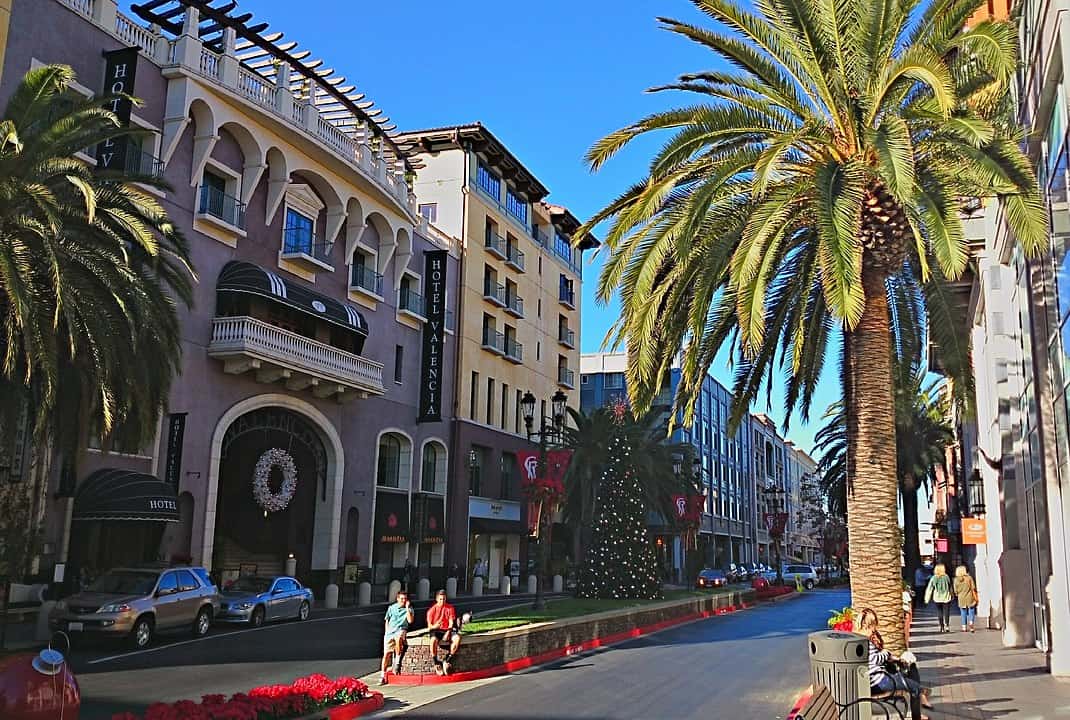
San Jose still projects the polished confidence of the tech economy, but the math underneath it has grown brutal. The Census Bureau puts median household income at $146,427, which sounds strong until Zillow’s January 2026 home value estimate enters the frame at about $1.40 million. Even households earning well above the national norm can find themselves priced out of ownership, locked into long commutes, or forced into cramped rentals that do not match the city’s prosperity myth. In a place built around innovation, the ordinary middle-class future has started to feel strangely obsolete.
San Francisco, California
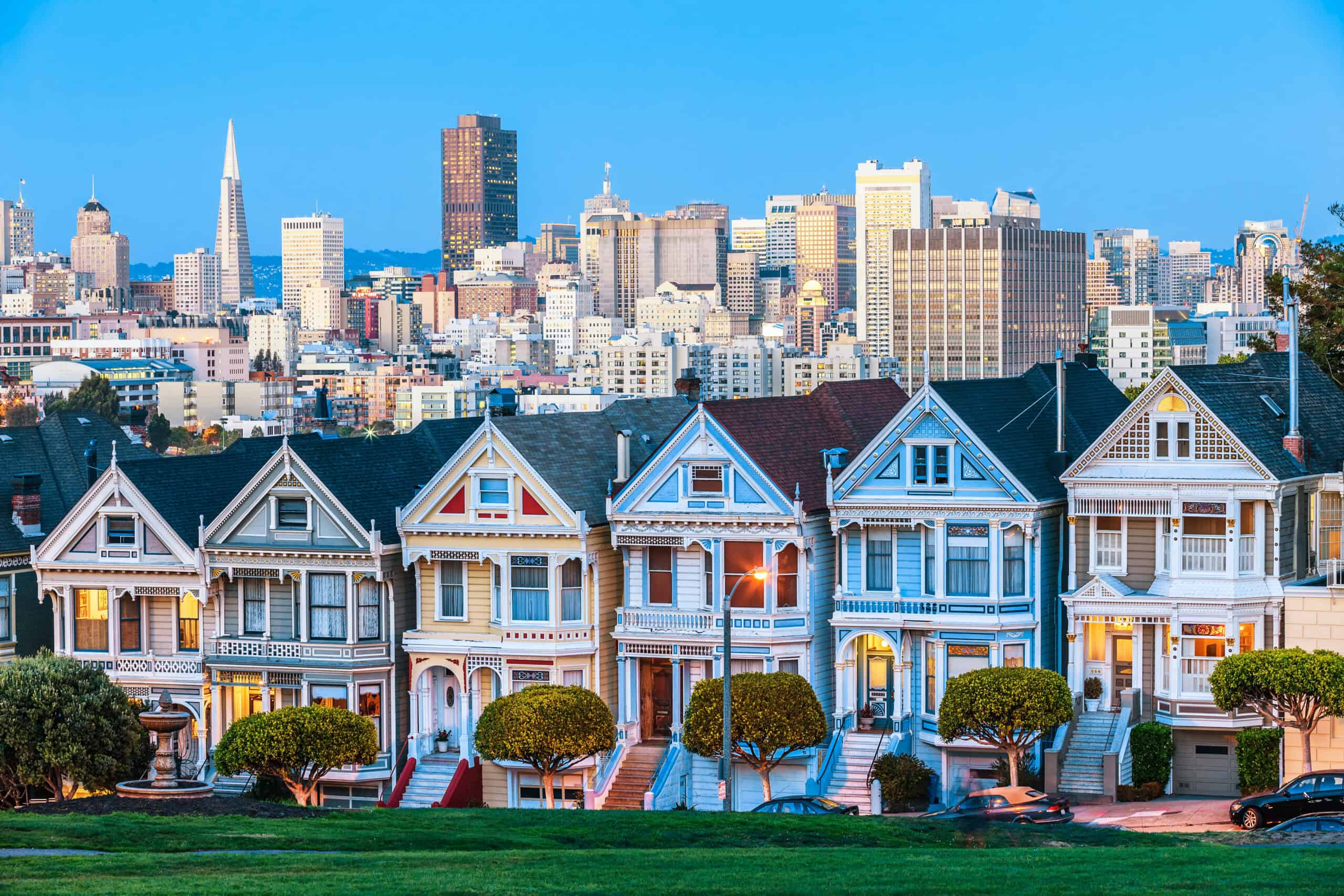
San Francisco remains one of the country’s great cultural and economic capitals, but it has become hard to describe it as broadly attainable. Census data shows median household income at $140,970, while Zillow puts the average home value near $1.26 million as of Jan. 31, 2026. That mismatch reaches beyond aspiring buyers. It shapes who stays, who leaves, and who quietly gives up on putting down roots. A city that once symbolized reinvention now asks even high earners to accept less space, less ease, and far less certainty than the old dream implied.
Los Angeles, California

Los Angeles still sells sunshine, ambition, and reinvention, but daily life there can feel like an endurance test for anyone outside the top tier. The city’s median household income is $81,939, according to the Census Bureau, and 16.5% of residents live in poverty. Zillow’s Jan. 31, 2026 estimate placed the average home value above $933,000. That gap is what drains the romance from the story. The issue is not only that homes are costly. It is that the city asks ordinary workers to carry extraordinary housing pressure while traffic, insurance, and basic expenses keep eating the margins.
San Diego, California
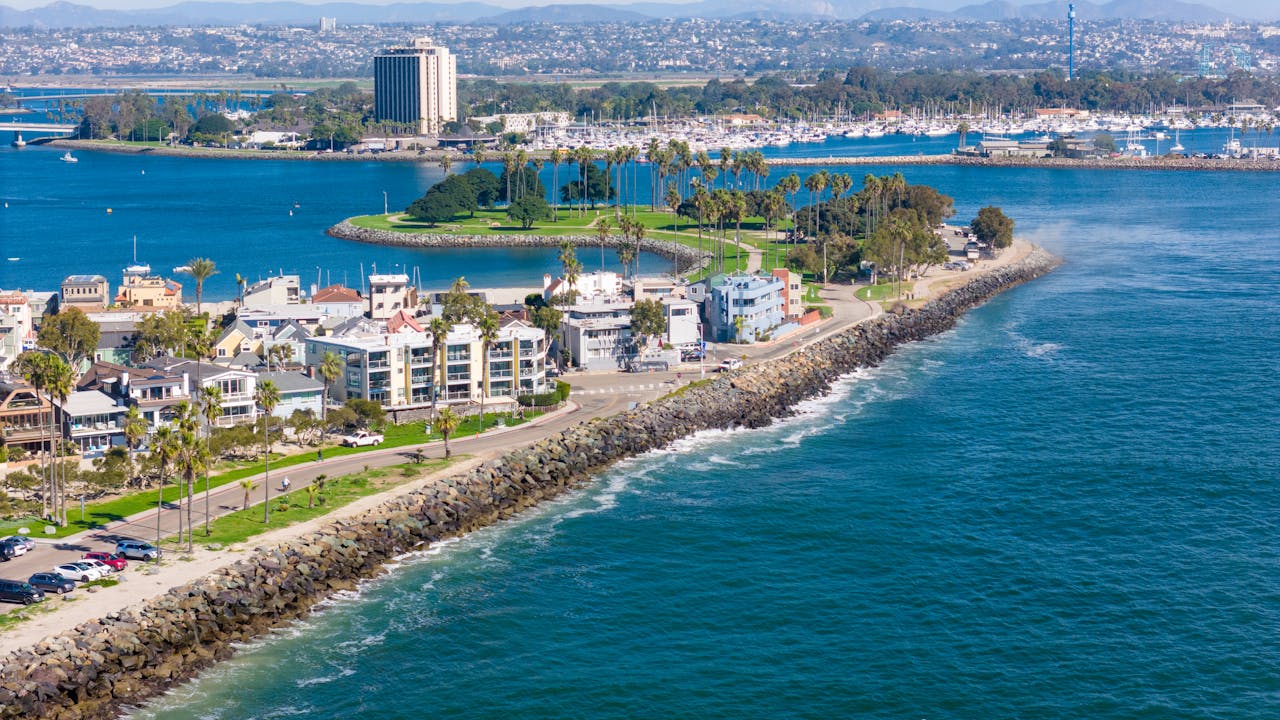
San Diego often looks gentler on the surface than Los Angeles or San Francisco, but its affordability picture is no softer. Census data shows median household income at $108,077, while Zillow estimated the average home value at roughly $974,054 in late January 2026. That is a punishing ratio for a city whose appeal depends on quality of life, coastal calm, and the promise of balance. The weather may still feel generous, but the economics do not. For many households, the city’s beauty now comes with a persistent undertone of financial tension that never fully lifts.
New York City, New York
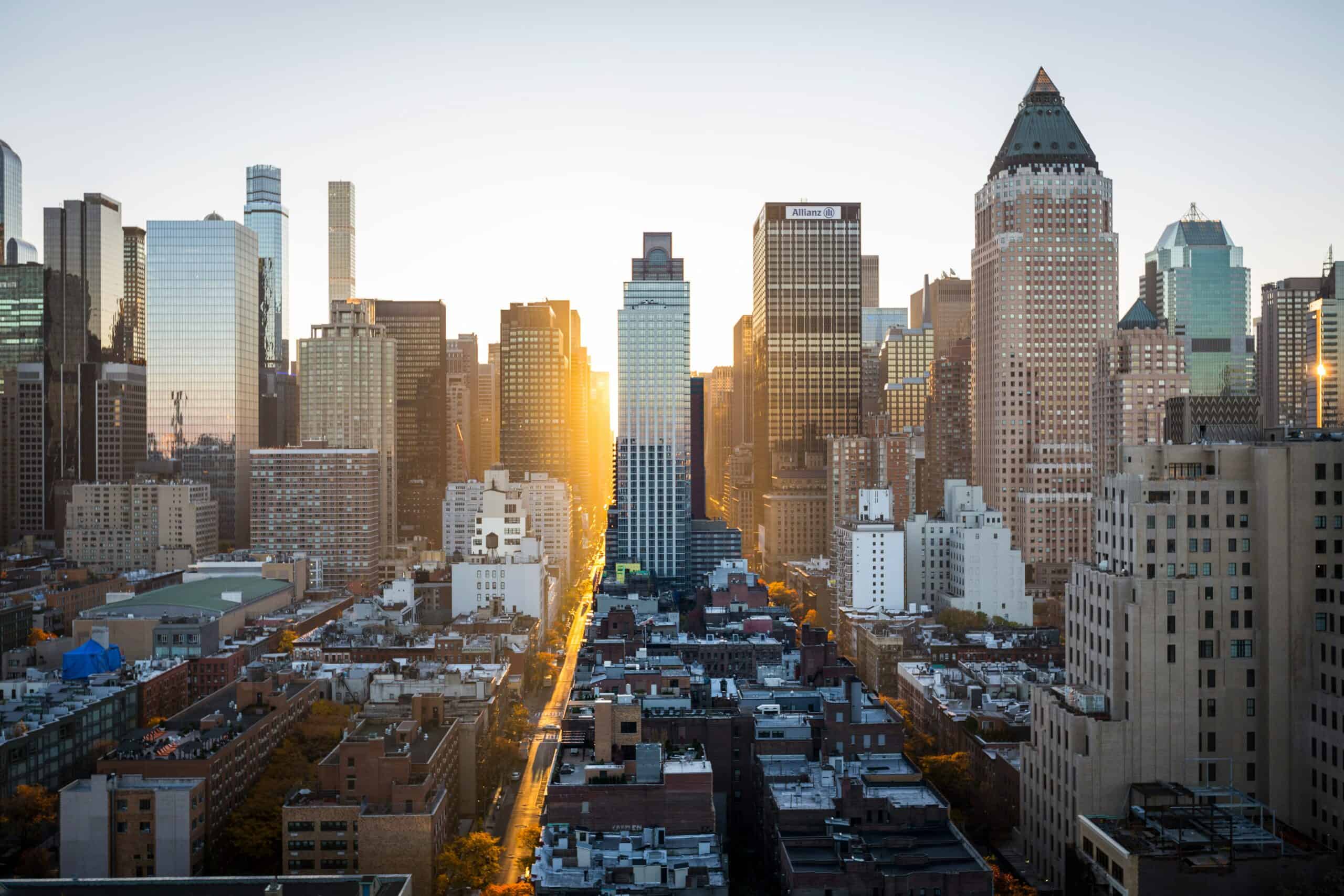
New York has always been expensive, but there was once a widely shared belief that the city could eventually pay back the struggle. That faith has weakened. The Census Bureau reports median household income at $80,483, with 17.9% of residents in poverty, while Zillow places the average home value at about $804,879 as of Jan. 31, 2026. Ownership is out of reach for many, and even renting often demands painful trade-offs in space, time, and peace of mind. The city still offers energy and scale, but upward mobility now feels less like a ladder and more like a narrow ledge.
Miami, Florida
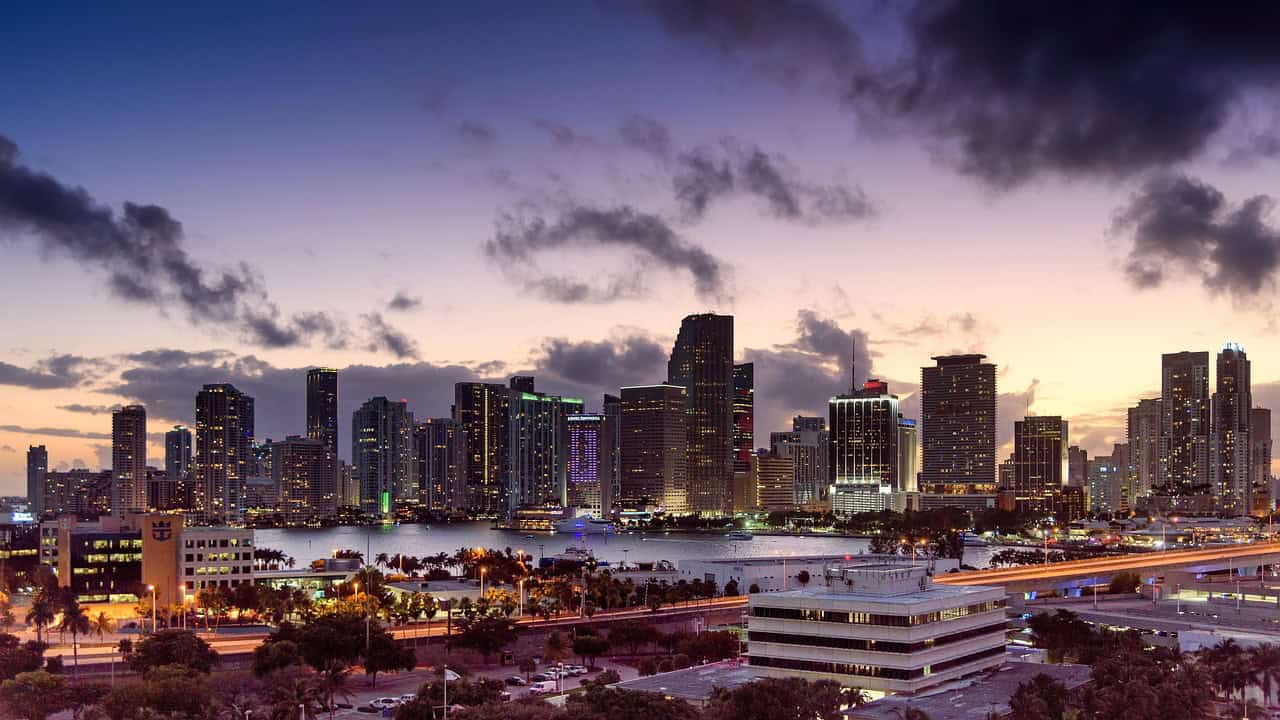
Miami has become one of the clearest examples of a city where image has outrun affordability. Census data shows median household income at $62,462, and 19.4% of residents live in poverty. Zillow’s Jan. 31, 2026 figure put average home value near $569,760. On paper, that may look less extreme than coastal California, but the squeeze lands harder because incomes are so much lower. Add rising insurance costs and a lifestyle economy built around tourism, luxury, and status, and the distance between local pay and stable living becomes hard to ignore.
Boston, Massachusetts
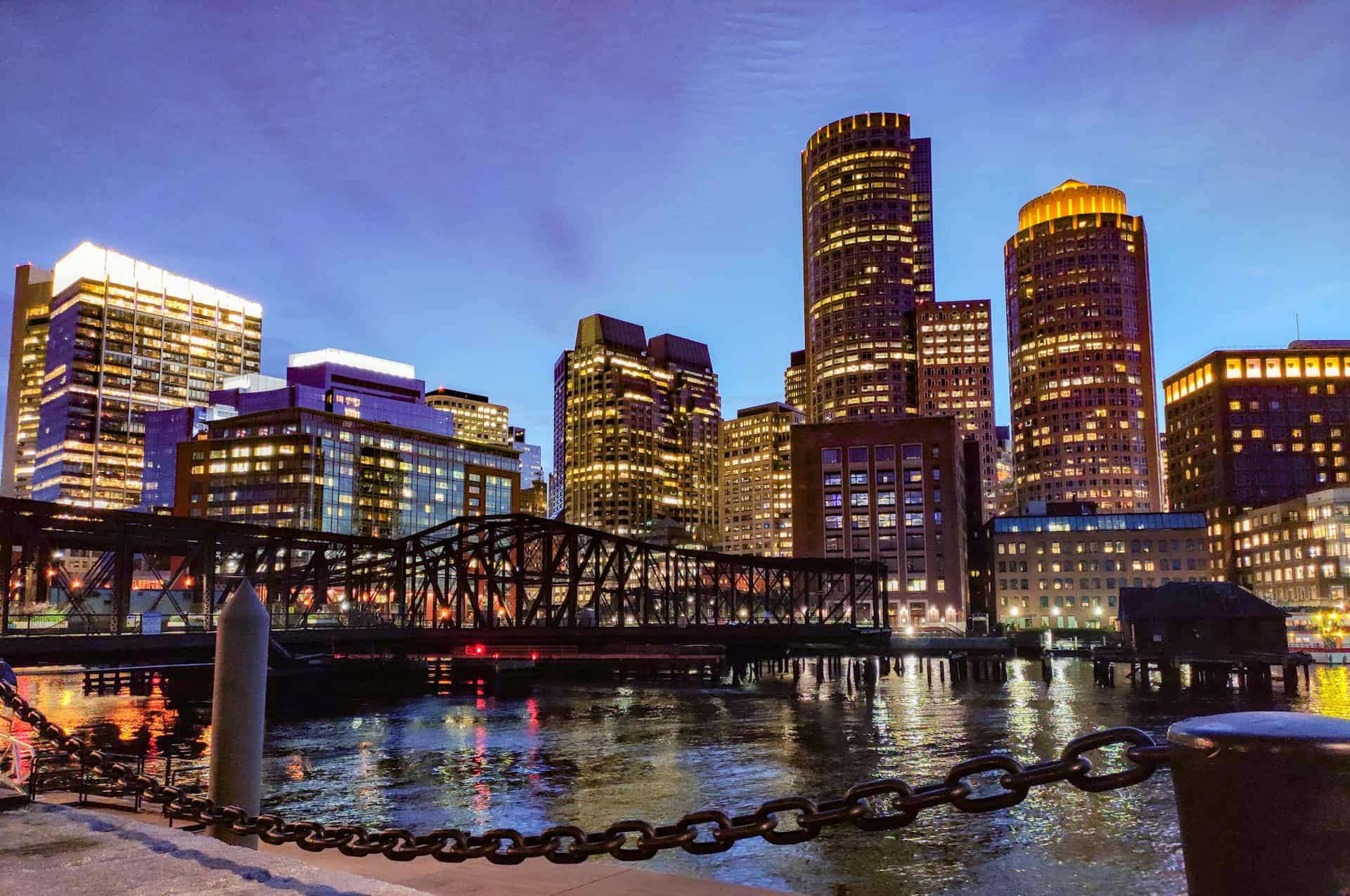
Boston still carries the glow of education, medicine, and old institutional wealth, yet that stability has become harder for ordinary residents to access. The Census Bureau lists median household income at $97,344, but also shows a 16.6% poverty rate. Zillow estimated the average home value at $772,838 on Jan. 31, 2026. What makes Boston feel especially tight is the way prestige and pressure now sit side by side. The jobs are real, the neighborhoods are desirable, and the demand never seems to cool. That only makes the exclusion feel sharper for people trying to build a normal, durable life there.
Seattle, Washington
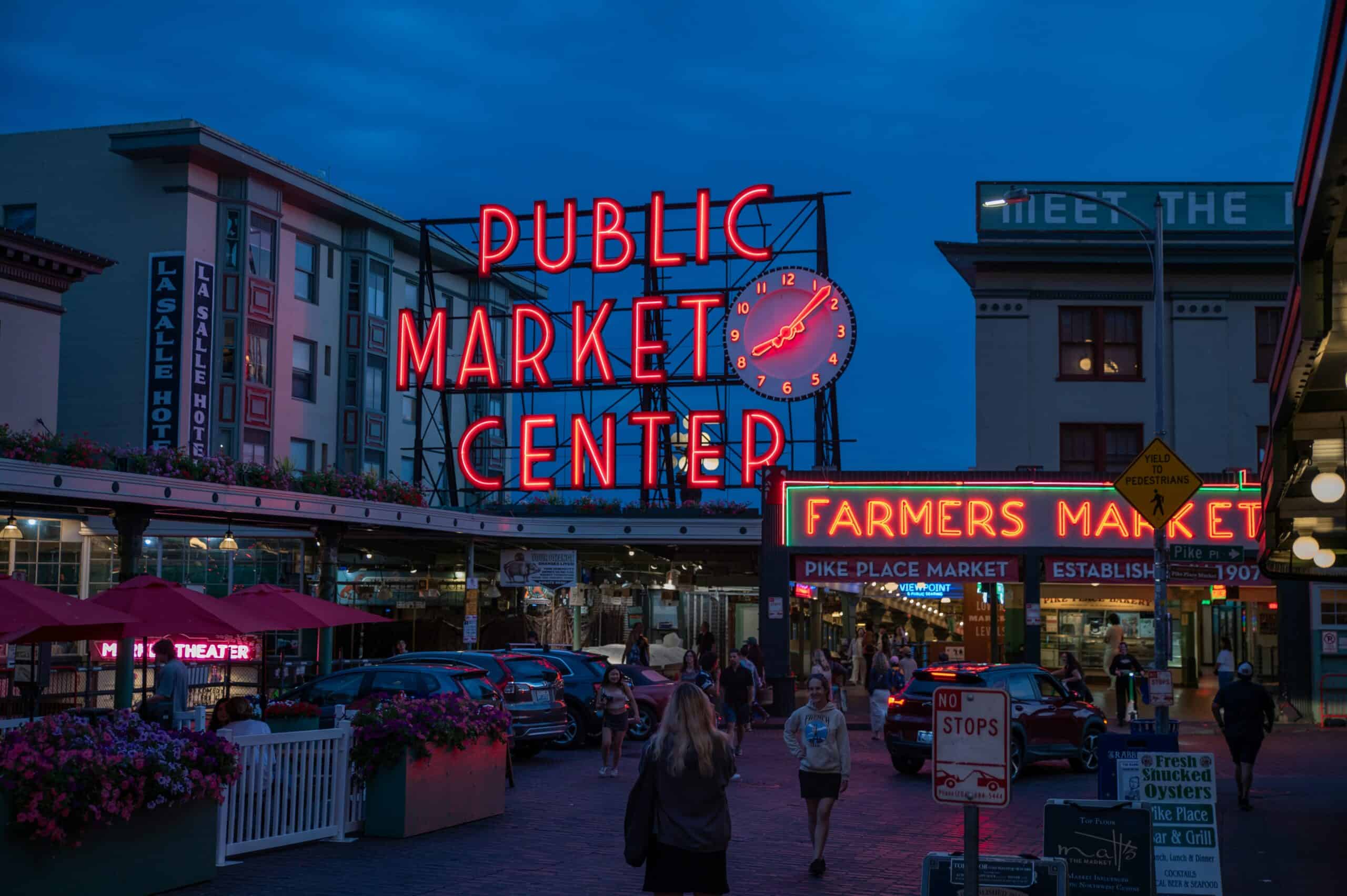
Seattle has high wages, global companies, and a reputation for being more livable than California’s largest hubs, but the affordability strain is still unmistakable. Census data puts median household income at $123,860, while Zillow estimates the average home value at $837,193 as of Jan. 31, 2026. Even with strong earnings, the city asks a great deal in return. Households can make good money and still feel permanently behind on housing, childcare, or the savings needed for real security. That is the part of the story glossy relocation pitches tend to skip. Prosperity there often arrives with a constant undertow of expense.
Honolulu, Hawaii
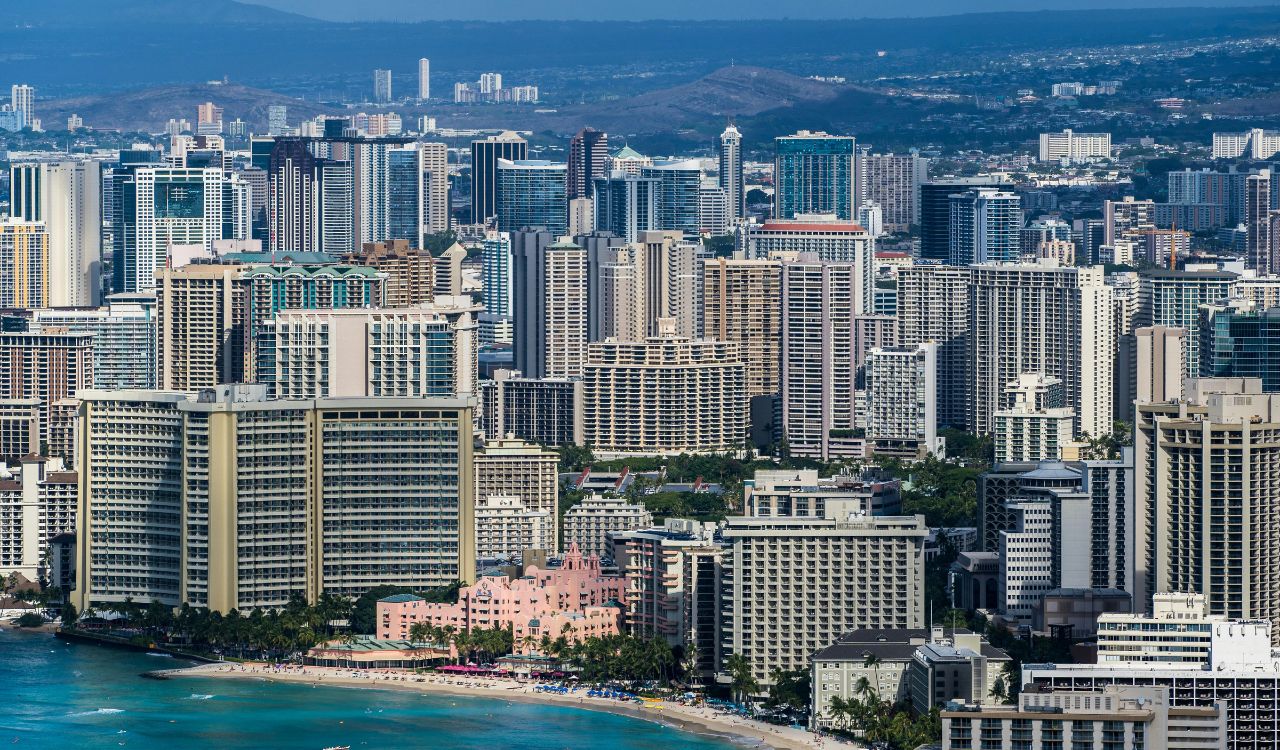
Honolulu has long been imagined as paradise, but paradise can become punishing when wages lag behind shelter costs. The Census Bureau reports median household income at $106,195 for Honolulu County, while Zillow estimated the average home value at about $757,380 in the city at the end of January 2026. Those numbers help explain why so many residents talk less about idyllic scenery and more about survival. Island life brings beauty, culture, and deep community, but it also brings a cost structure that makes homeownership and long-term financial breathing room feel far more fragile than outsiders usually assume.
Washington, District of Columbia
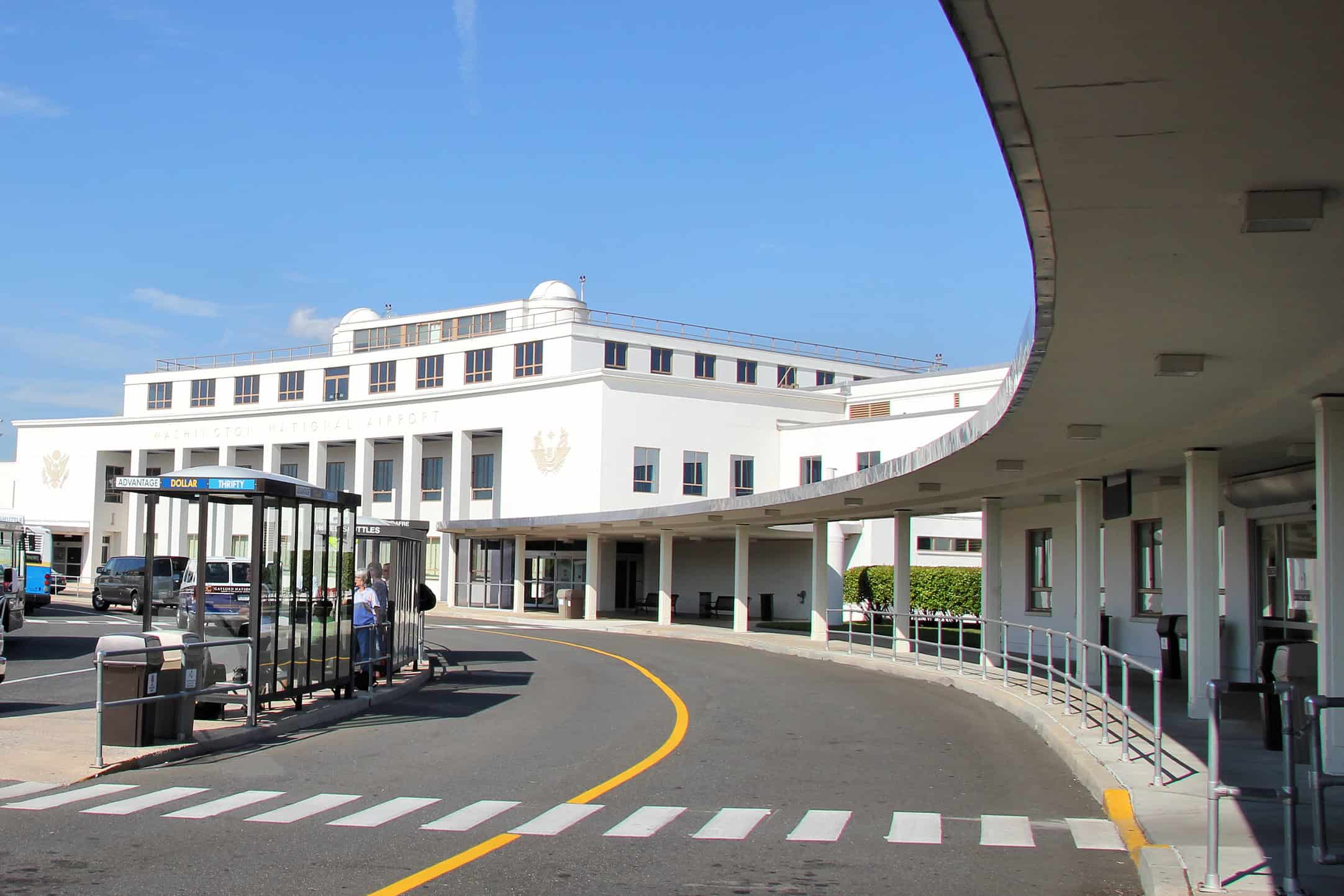
Washington is full of power, credentials, and well-paid professional work, yet it still leaves many residents squeezed. Census data shows median household income at $109,870, but 15.4% of residents live in poverty. Zillow’s Jan. 31, 2026 estimate placed the average home value at about $571,631. The contradiction is central to the city’s mood. It is a place surrounded by influence, but that influence does not translate into broad ease. For many workers, especially those outside elite policy and legal circles, the dream here is not thriving. It is simply staying close enough to opportunity to keep participating in it.
Austin, Texas
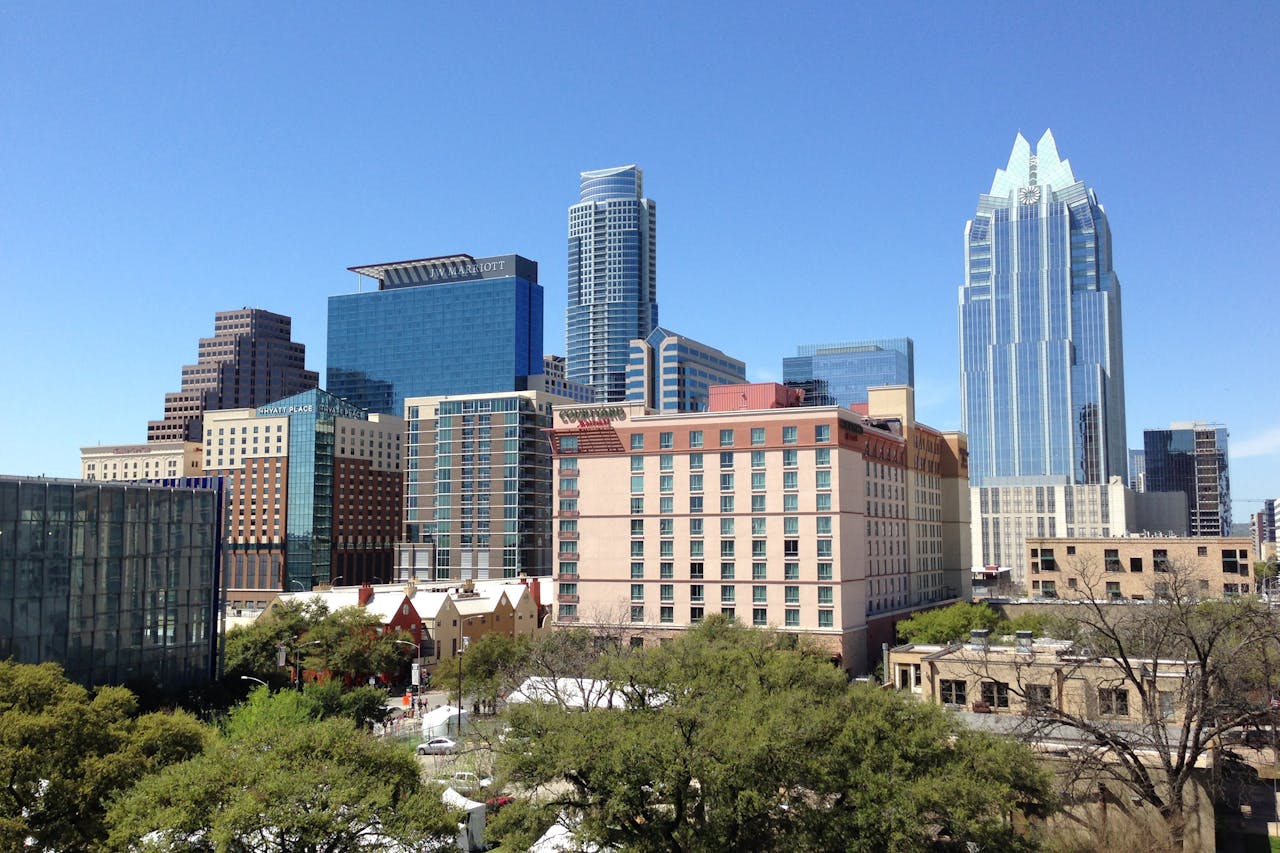
Austin once looked like the rare booming city where creativity, job growth, and a decent shot at homeownership could still coexist. That reputation has weakened. The Census Bureau reports median household income at $93,658, while Zillow estimated average home value at $494,727 in late January 2026. Prices have cooled from their peak, but not enough to fully restore the old sense of accessibility. What remains is a city still attractive on the surface, yet noticeably harder on teachers, service workers, young families, and even many professionals. The dream did not vanish overnight there. It got steadily more conditional.