The Rudest Travel Mistakes Americans Make Abroad (According to Locals in 15 Countries)
We may earn money or products from the companies mentioned in this post. This means if you click on the link and purchase the item, I will receive a small commission at no extra cost to you ... you're just helping re-supply our family's travel fund.
This is not a pile-on. Most American travelers are genuinely kind and curious and well-meaning.
But there are specific patterns — things we do as American travelers that are so consistently reported by locals in other countries that they’ve become tropes. And the reason to know about them is not guilt. It’s because once you know, the fix is simple — and the trip gets dramatically better when locals treat you like a guest instead of a stereotype.
The Volume Problem (It’s Bad, and You Probably Don’t Know You’re Doing It)
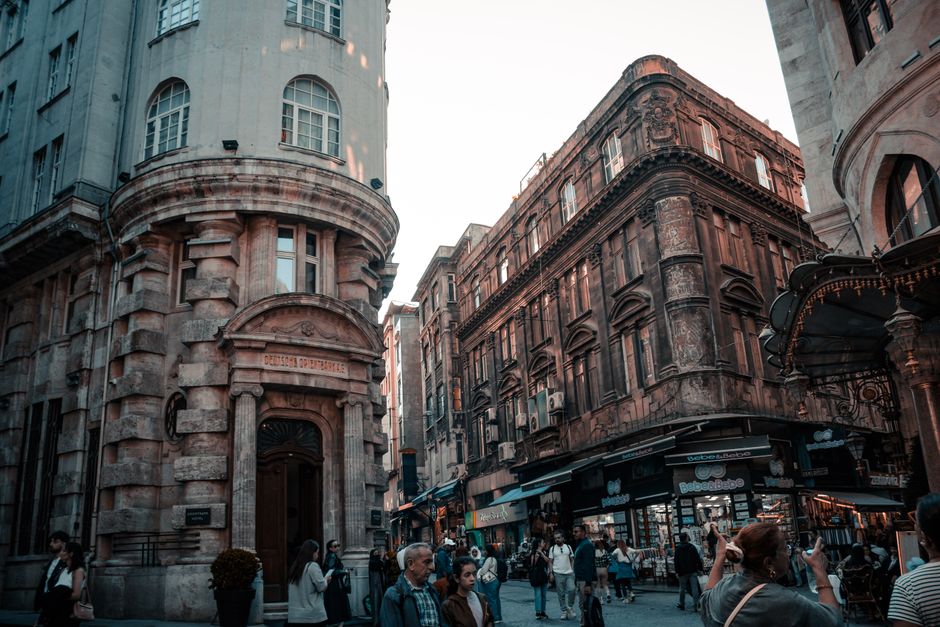
The single most commonly cited complaint about American tourists, from Japan to France to Mexico to Thailand, is the same: Americans are very loud.
Not loud in a malicious way. Just constitutively louder than almost every other tourist nationality on earth.
Why this matters:
- In Japan, speaking loudly on public transit is considered genuinely offensive — it signals that you regard your conversation as more important than other people’s peace
- In French restaurants, being boisterous is read as boorish, not friendly
- In churches, temples, mosques, and historic sites throughout Europe and Asia, American tour groups speaking at full voice are a consistent source of friction with locals
The fix is embarrassingly simple: calibrate to the room. Step outside for a lively conversation. Lower your voice by about 30%. Observe the volume level around you and match it.
Nobody expects silence. Just awareness.
What Europeans Wish Americans Would Stop Doing
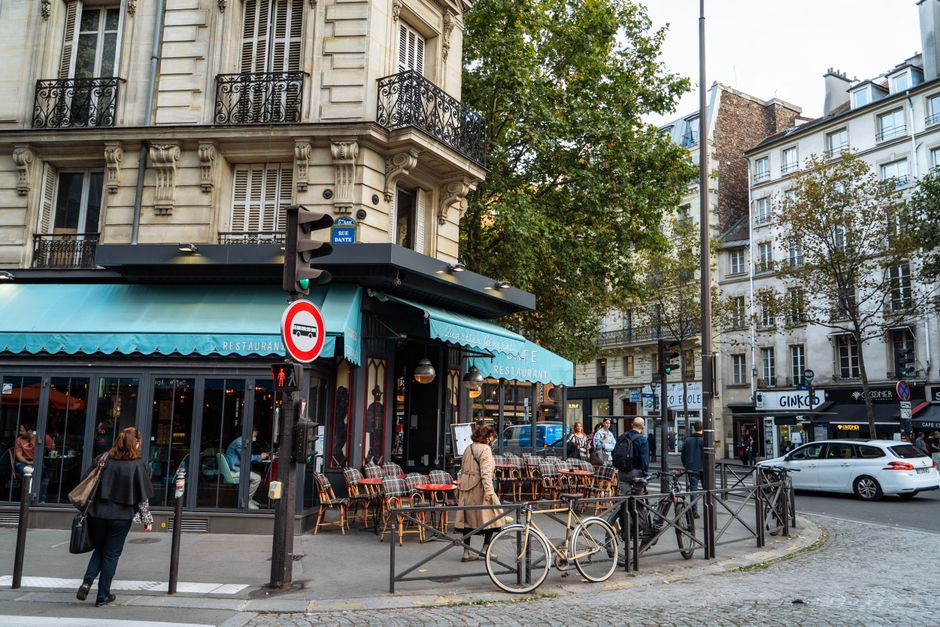
Locals across France, Italy, Spain, Germany, and the Netherlands consistently report the same clusters of behaviors:
Greeting service staff immediately with English
— In France especially, not attempting even a basic “Bonjour” or “S’il vous plaît” is read as dismissive. You don’t need to speak French. You need to acknowledge that you’re in France. A simple greeting in the local language does this.Eating while walking
— In Italy, eating gelato while walking is fine. Eating a full meal-to-go on a historic street is jarring. Many Italian cities have now banned eating near major monuments.Wearing athletic clothes everywhere
— Europeans dress to leave the house. Churches, museums, and upscale restaurants have dress codes that are strictly enforced. Shorts in Italian churches will get you turned away at the door.Asking “Are you Italian?” (or French, or Spanish) to check authenticity
— This question, innocently meant, is interpreted as doubting the quality of the experience based on the server’s background. It lands badly almost every time.Complaining that things aren’t like home
— “In America the coffee cups are bigger,” “Why don’t they have free refills?” Local businesses hear this constantly and find it baffling. You came to experience something different. Experience it.
Japan: The Country Where American Tourists Get the Most Wrong

Japan has some of the most clearly defined social expectations for behavior of any country on earth — and most of them are simply not communicated to incoming tourists.
Eating and drinking while walking
— Outside festival contexts, eating while walking in public is considered sloppy and disrespectful. Street food should be eaten at the vendor’s stand or in a designated area.Tipping
— Do not tip in Japan. It is not just unnecessary — it can be considered offensive, as if you’re implying the staff is underpaid or that you’re trying to buy better service. Service in Japan is a point of professional pride.Talking on a phone on the subway
— Calls on public transit are strongly frowned upon. Japanese passengers often set their phones to silent and text instead. Be aware of this.Pointing at people or things
— Use your whole hand, palm up, to gesture toward something. Pointing with a finger is considered rude in Japanese culture.Entering a home or traditional restaurant without removing shoes
— There will always be a step up (genkan) and often a row of slippers. If you see them, use them.Pouring your own drink
— In a group dining situation, you pour for others, not for yourself. Someone else pours for you. This is a hospitality ritual with real meaning.
Mexico and Latin America: The Things That Come Across As Disrespectful
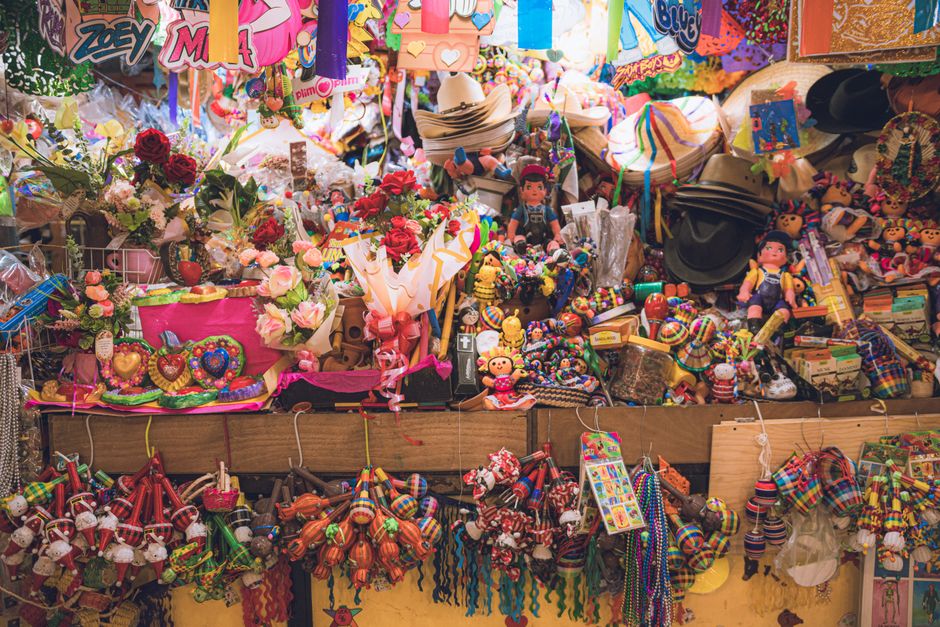
Aggressive bargaining at artisan markets
— Bargaining is culturally appropriate at certain markets in Mexico, but aggressive low-balling for handmade goods from artisans — people who spent weeks creating something — is deeply disrespectful. Especially when the item is $12 and you’re driving it down to $7.Speaking Spanish loudly and badly without trying
— Making no effort and speaking English loudly is worse than making an imperfect attempt in Spanish. The effort is what’s read.Assuming everywhere is unsafe
— Treating every Mexican as if they’re associated with cartel violence is insulting to the overwhelming majority of people in the country. It shows up in body language, in refusing local food, in staying entirely within resort compounds.Taking photos of people without asking
— In indigenous communities across Mexico, Guatemala, and Peru, photographing people without explicit permission is treated as a serious breach. Ask. The answer is often yes, but the asking matters.
The Middle East and Asia: Context That Changes Everything
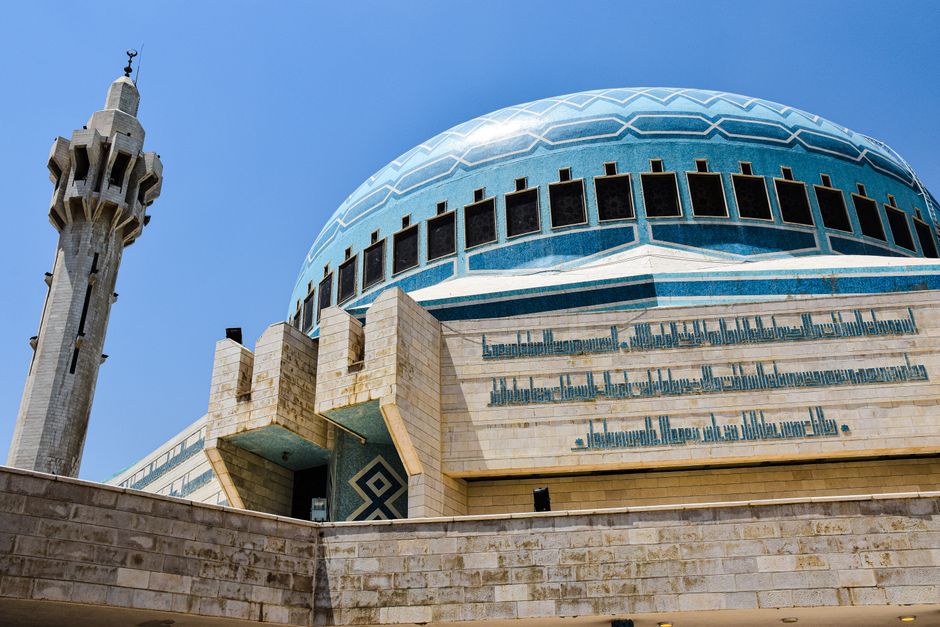
Dressing inappropriately at religious sites
— In mosques, Buddhist temples, Hindu temples, and Sikh gurdwaras across the Middle East and Asia, appropriate dress is not optional. Women need head coverings at mosques. Both genders should cover shoulders and knees at most religious sites. Scarves and cover-ups are often available at the entrance — use them.Showing the sole of your foot
— In many Islamic and Buddhist cultures, the foot — especially the sole — is the lowest and least clean part of the body. Sitting with feet pointed at a religious object or at another person is a meaningful insult.Public displays of affection
— In much of the Middle East, Southeast Asia, and parts of East Asia, kissing or embracing in public ranges from frowned upon to illegal. Holding hands is usually fine. Read the room before you read each other.Using your left hand
— In much of the Arab world, South Asia, and parts of Africa, the left hand is considered unclean. Offer food, money, or gifts with your right hand.
The Tipping Mistakes That Actually Offend People
America’s tipping culture is one of the most globally unique practices in travel — and it causes genuine friction in both directions.
Tipping in Japan and South Korea
— Do not do it. It is genuinely considered rude in both countries.Not tipping in the U.S., Mexico, Canada, and Egypt
— Service workers in these countries often earn tip-dependent wages. Not tipping is a genuine hardship, not a cultural statement.Tipping in cash vs. credit in Europe
— In countries where tipping is appropriate (UK, Italy, Spain — roughly 10%), tip in cash rather than adding it to a card. Card tips don’t always reach the server.Overtipping at flat-service countries
— In Australia, New Zealand, and most of Western Europe, tipping is a mild acknowledgment, not an expectation. A 5–10% tip for genuinely good service is more than appropriate.
How to Be the American Tourist That Locals Actually Like
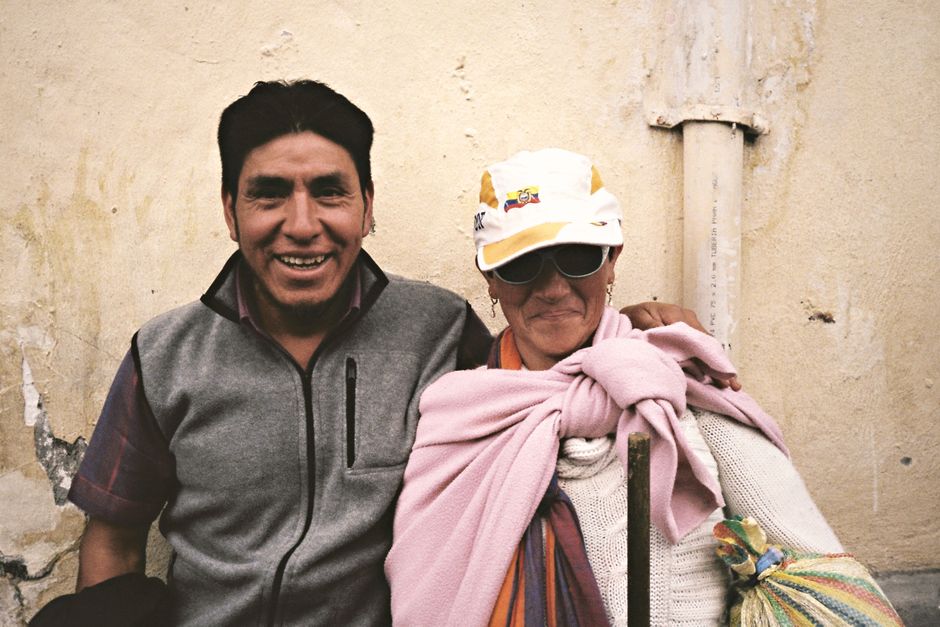
After all the “what not to do” — here’s what locals across every country consistently say they appreciate about the American tourists who get it right.
- Genuine curiosity. Asking “what’s your favorite place in this city that tourists never find?” will end in a 20-minute conversation and a restaurant recommendation you’ll never forget.
- Learning five words in the local language — hello, please, thank you, excuse me, and the word for delicious. That’s the entire list. It works everywhere.
- Acknowledging the country’s culture and history with some basic knowledge. You don’t need to be an expert. You need to demonstrate that you know you’re somewhere with its own story.
- Slowing down. Americans travel fast by default. Many of the best travel experiences in the world are not activities — they’re afternoons with nowhere to be.
- Being willing to be wrong. The best cultural travelers are the ones who ask questions and accept correction gracefully when they get something wrong.
The world is genuinely glad when Americans travel. Most people in most countries have a genuine curiosity about the United States and are excited to interact with Americans who share that curiosity back.