Key West Needs Bartenders and Nurses. It Cannot House Either One
We may earn money or products from the companies mentioned in this post. This means if you click on the link and purchase the item, I will receive a small commission at no extra cost to you ... you're just helping re-supply our family's travel fund.
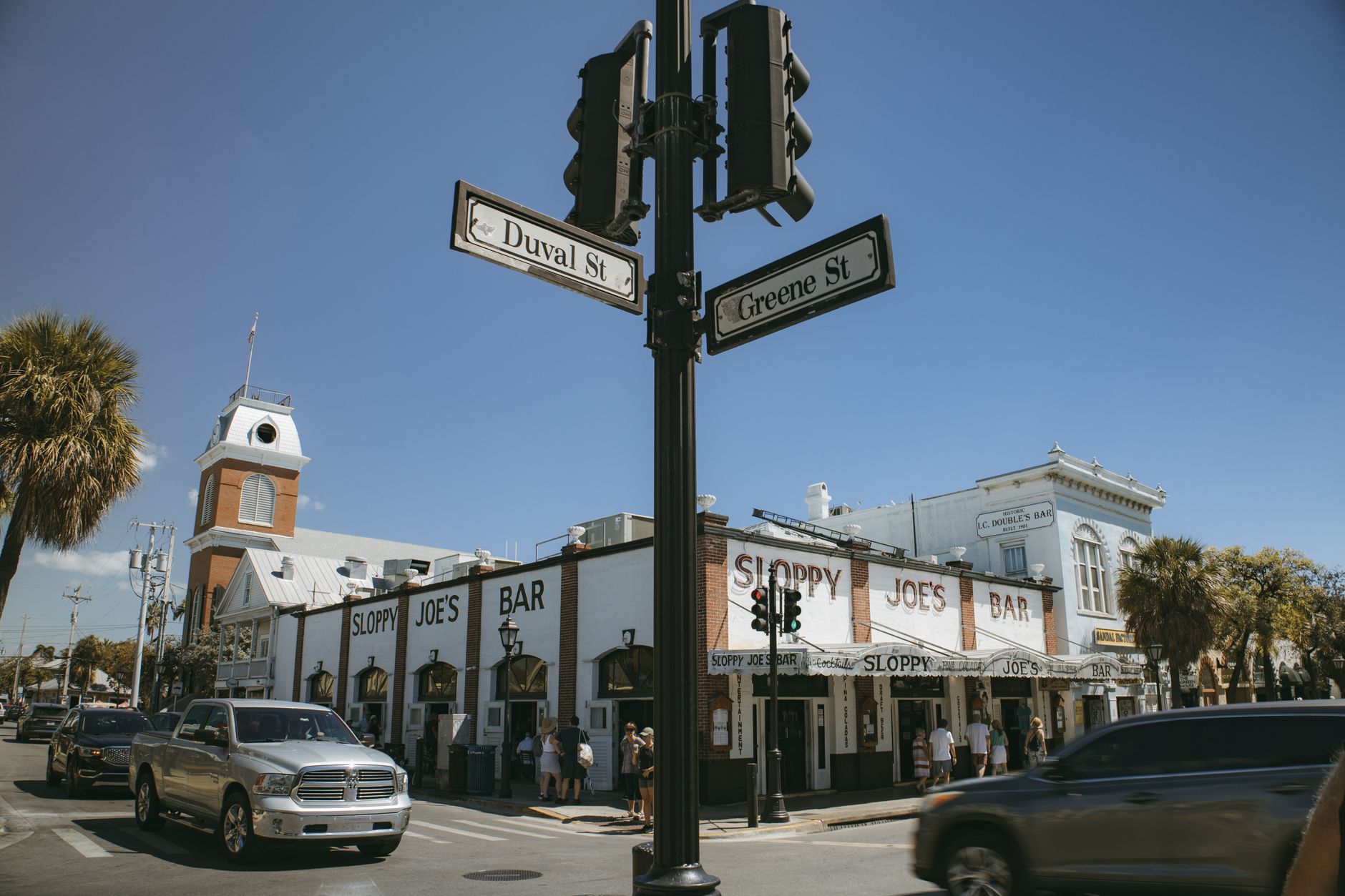
Key West sells itself on Jimmy Buffett nostalgia and Duval Street sunsets, but the island’s actual crisis is unglamorous: the people who pour your margarita and staff the emergency room increasingly cannot afford to live anywhere near the place they work.
A typical two-bedroom rental in the Florida Keys runs about $1,682 a month, compared to roughly $1,075 for the same unit statewide, according to figures reported by the Miami Herald citing the National Low Income Housing Coalition. On an island where average wages run about 9% below the Florida average, that math doesn’t close.
The Commute Nobody Signs Up For
Because Key West itself has almost no land left to build on, workers increasingly live an hour or more up the Overseas Highway in Marathon or Big Pine Key, driving over bridges with a single lane in each direction to reach restaurant and hotel shifts. A bad accident on U.S. 1 doesn’t just cause a delay — it can strand an entire island’s service workforce for hours.
The city has run a workforce housing program for years, requiring that a share of new units be reserved for local employees earning below certain income thresholds. Roughly 3,000 subsidized units have been built or planned, but officials have said the actual need is at least three times that, according to reporting going back over a decade — a gap that has only widened as short-term rentals absorbed more of the existing housing stock.
Why Everything Costs More Here Anyway
- Most goods are trucked in over 150 miles from Miami, adding cost to groceries, gas, and building materials
- A citywide 1% tourist tax funds some workforce housing construction, but revenue hasn’t kept pace with land costs
- Median household income in Key West sits around $75,600, but a family at that income spending even 30% of it on rent is priced into a narrow band of the market
The Businesses Feeling It First

Restaurant owners on the island have talked publicly for years about running short-staffed, cutting hours, or closing an extra day a week — not for lack of customers, but for lack of anyone who can afford to take the job. Hotels have had to raise starting wages well above Florida’s minimum to compete, then still lose staff to interior Florida cities where a paycheck stretches further.
Nurses and teachers face the same math with less flexibility, since their pay scales are set regionally or by union contract and don’t automatically adjust to Key West’s cost of living. Some hospital systems and the school district have experimented with employer-assisted housing, buying or building units specifically to rent below market to staff — an admission that the private market alone won’t solve it.
What Locals Mean When They Say “Conch”
Longtime Key West residents call themselves Conchs, a term tied to generations of family history on the island. It’s increasingly a label for people watching their own hometown convert, house by house, into vacation property owned by people who visit a few weeks a year. The island’s year-round population has stayed roughly flat for decades while the number of vacation rental units has climbed — meaning a larger share of the same finite housing stock serves fewer full-time residents every year.
There’s No Obvious Fix
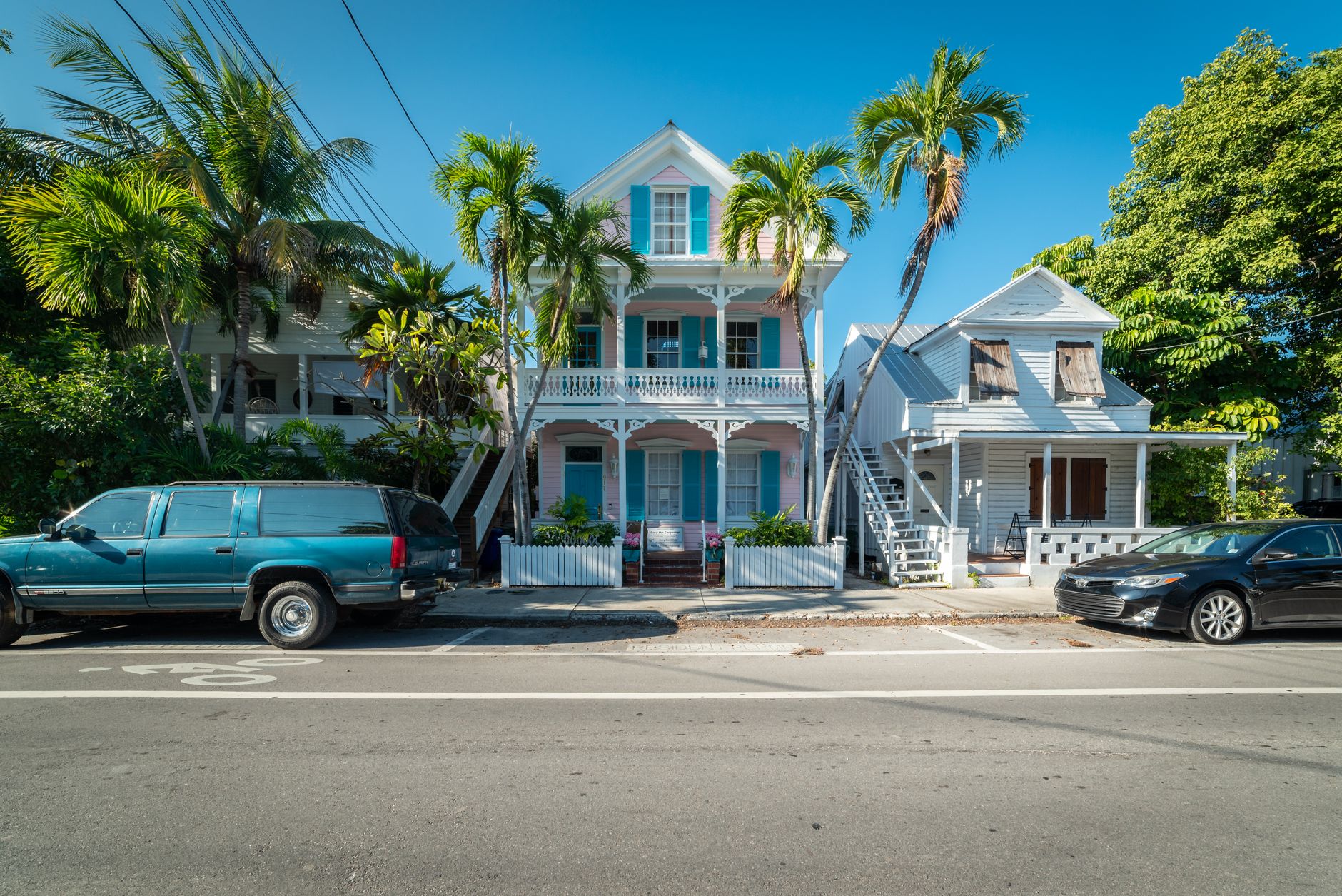
Key West can’t annex land the way a growing suburb can — it’s an island with a fixed footprint, hemmed in by water and conservation limits. Every new workforce housing unit has to displace something else, whether that’s a parking lot, a vacant lot, or, more controversially, an existing structure. City meetings on workforce housing proposals routinely draw opposition from residents worried about density, traffic, and the character of historic neighborhoods, which slows a process that was already too slow for the scale of the problem.
The tension isn’t going away because the tourists aren’t going away. Key West drew millions of visitors in recent years, and the incentive to convert housing into short-term rentals will keep outpacing the incentive to house the people cleaning those rentals — unless the city changes the underlying math, which it has tried and largely failed to do for over fifteen years.
The Programs Trying to Bridge the Gap
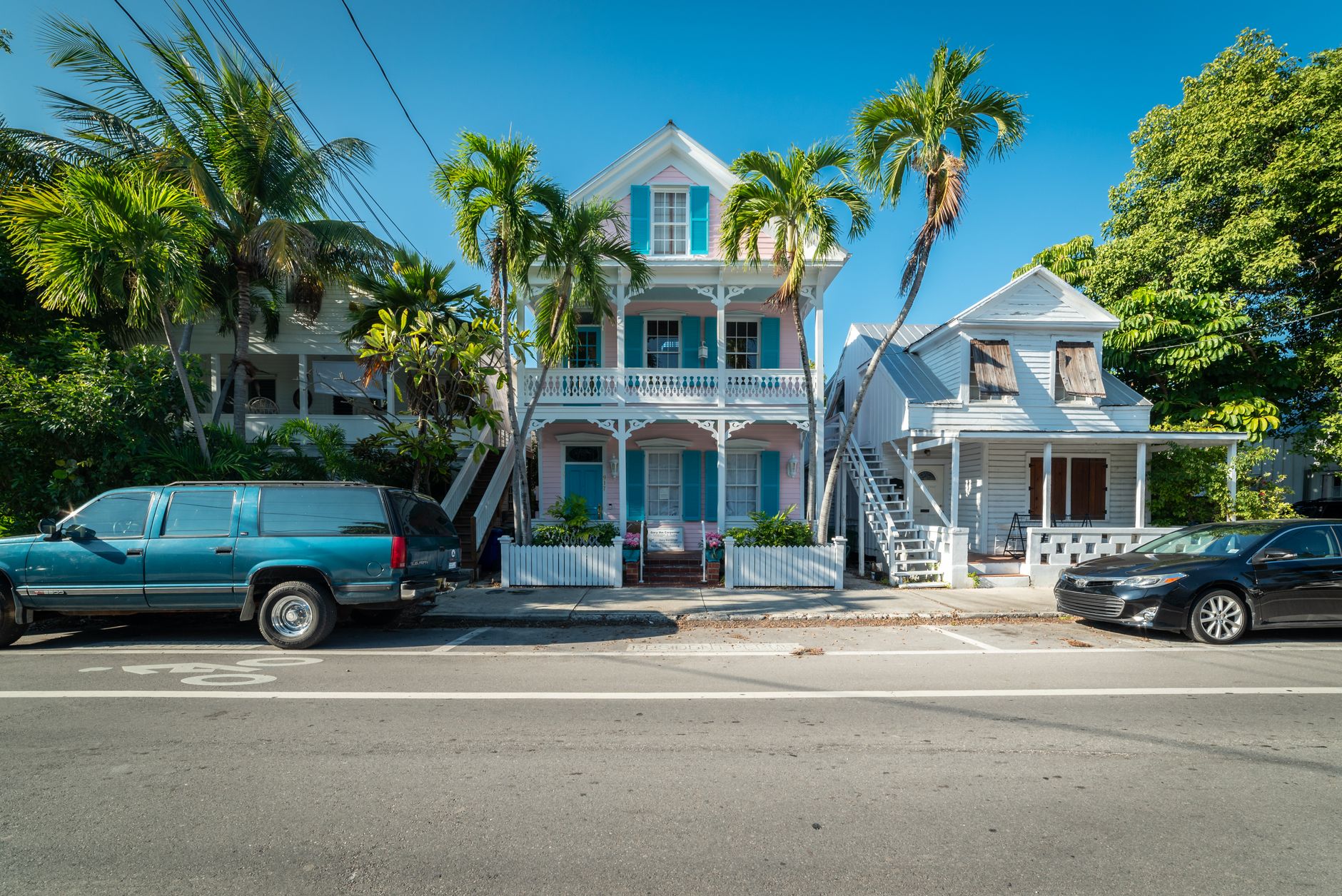
Key West’s city government has experimented with several tools beyond straightforward subsidized construction, including density bonuses for developers who set aside a percentage of units as workforce housing, and a homebuyer assistance program that provides down payment help to qualifying local employees. The Florida Keys Workforce Housing Land Trust has also acquired parcels specifically to keep them out of the speculative market long-term.
These programs move slowly relative to the scale of the problem. Each new workforce housing proposal still has to clear a public hearing process where neighborhood opposition, height restrictions tied to the island’s historic district rules, and limited buildable land all slow approval. Some projects that cleared initial approval have taken five or more years to reach occupancy.
Meanwhile, hurricane risk adds another layer of cost that doesn’t show up in a simple rent comparison: flood insurance premiums on the island have climbed sharply in recent years, and older housing stock often requires expensive elevation or retrofitting to remain insurable at all. For a service worker already priced near the edge of what a Key West paycheck can support, a single insurance renewal notice can be the deciding factor in whether staying on the island remains possible.