Think You Know Idaho? Pocatello’s University, Butte, and High-Desert Climate Tell a Different Story
We may earn money or products from the companies mentioned in this post. This means if you click on the link and purchase the item, I will receive a small commission at no extra cost to you ... you're just helping re-supply our family's travel fund.
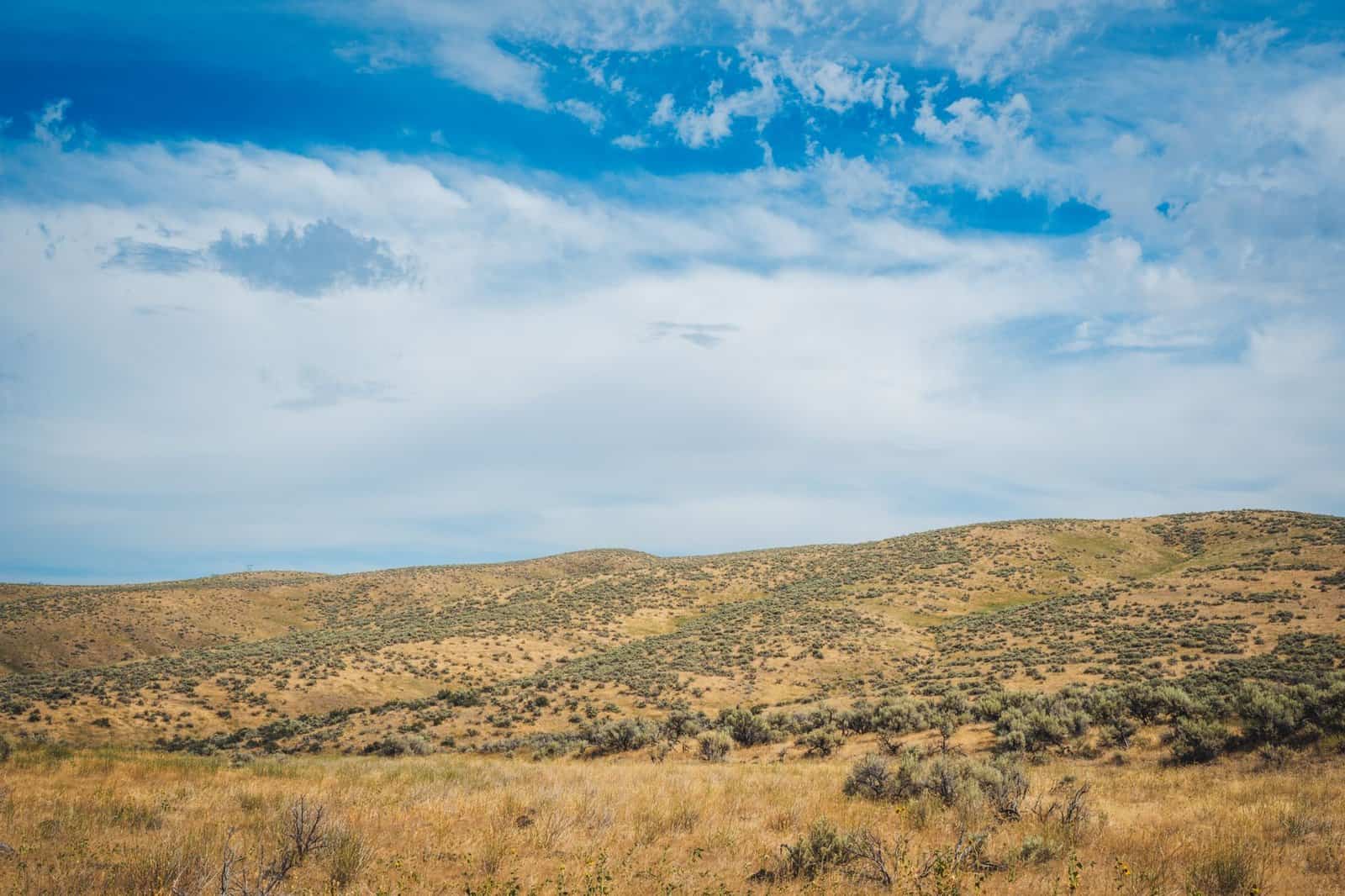
Pocatello sits at 4,500 feet in a valley of the high desert in southeastern Idaho, a landscape of sagebrush and basalt buttes that surprises visitors expecting the pine forests and lake country that dominate most Idaho tourism marketing. Idaho State University, with roughly 12,000 students, anchors the city’s economy alongside a substantial healthcare sector, and the combination has made Pocatello function more smoothly than its modest size and remote location would suggest.
A University Town Built on Odd Geography
Idaho State University’s main campus sits at the base of Red Hill, one of several distinctive buttes ringing the city, and the university’s health sciences programs, including one of the region’s few pharmacy schools, have made Pocatello a regional hub for medical training that punches above its weight for a city of roughly 56,000 people. Portneuf Medical Center serves a wide catchment area across southeastern Idaho, drawing patients from rural communities without comparable hospital access.
The city’s economy also carries a substantial railroad legacy — Pocatello was built around the Oregon Short Line Railroad in the late 19th century, and rail employment, though far smaller than its historic peak, still exists through Union Pacific’s regional operations. That railroad history gave Pocatello a more diversified early economic base than towns that grew purely around mining or agriculture.
The Climate Confusion
- Pocatello receives around 11 inches of annual precipitation, making it genuinely part of the Great Basin high desert ecosystem rather than the wetter mountain climate many visitors associate with Idaho
- Summer temperatures regularly exceed 90 degrees, while winters bring sustained cold and moderate snowfall, a continental climate pattern distinct from the milder Boise valley to the west
- The city sits along the historic Oregon Trail corridor, with Fort Hall and related historic sites nearby documenting the region’s 19th-century westward migration history
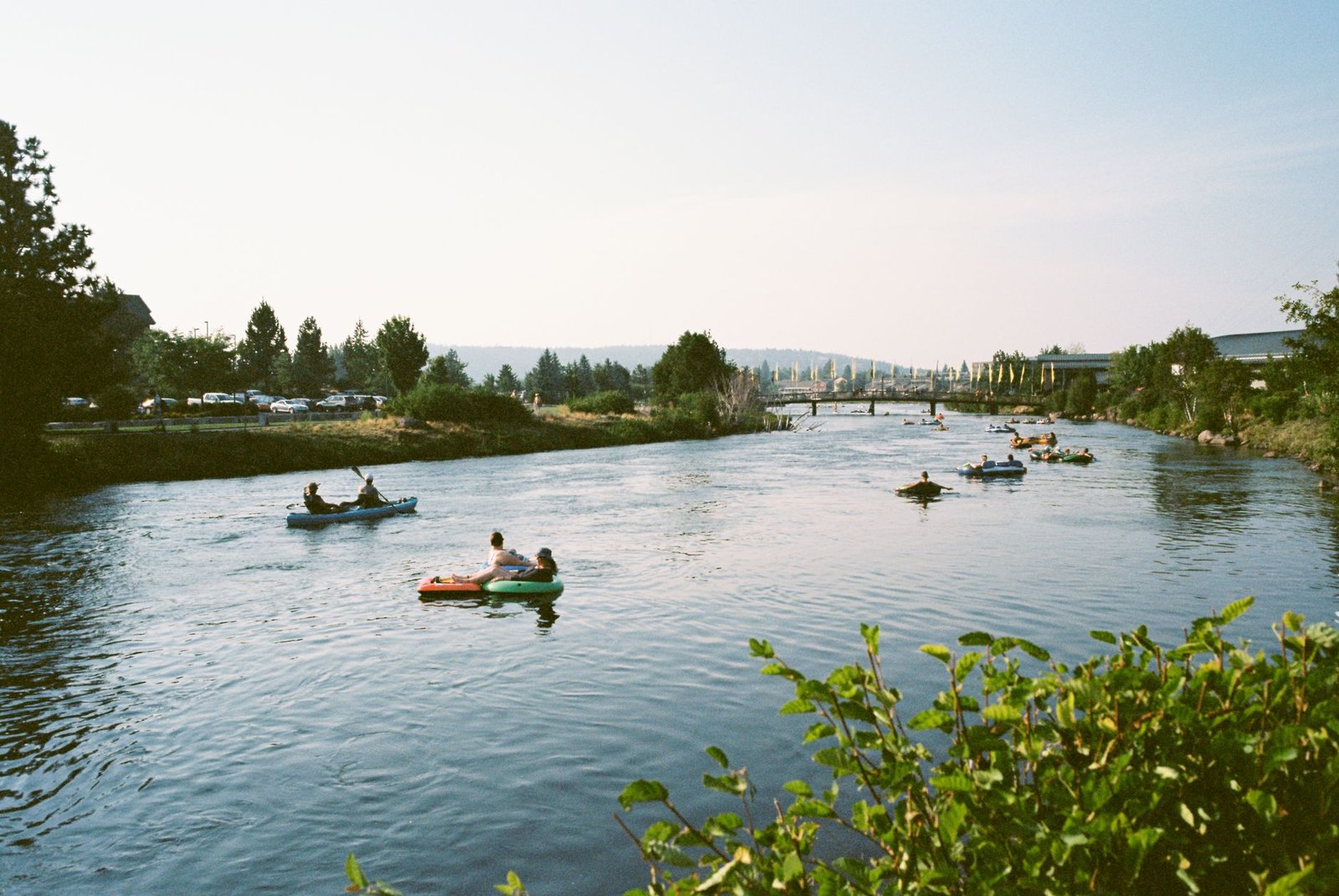
- Portneuf River runs through the city, providing a rare water feature in an otherwise arid landscape
This climate mismatch between expectation and reality has, in a strange way, protected Pocatello from the kind of rapid tourism-driven growth reshaping towns like Coeur d’Alene or Sun Valley further north. Visitors chasing Idaho’s alpine lake imagery generally bypass Pocatello entirely, leaving it a working city rather than a scenic destination competing for vacation-home buyers.
What Keeps the Economy Functioning
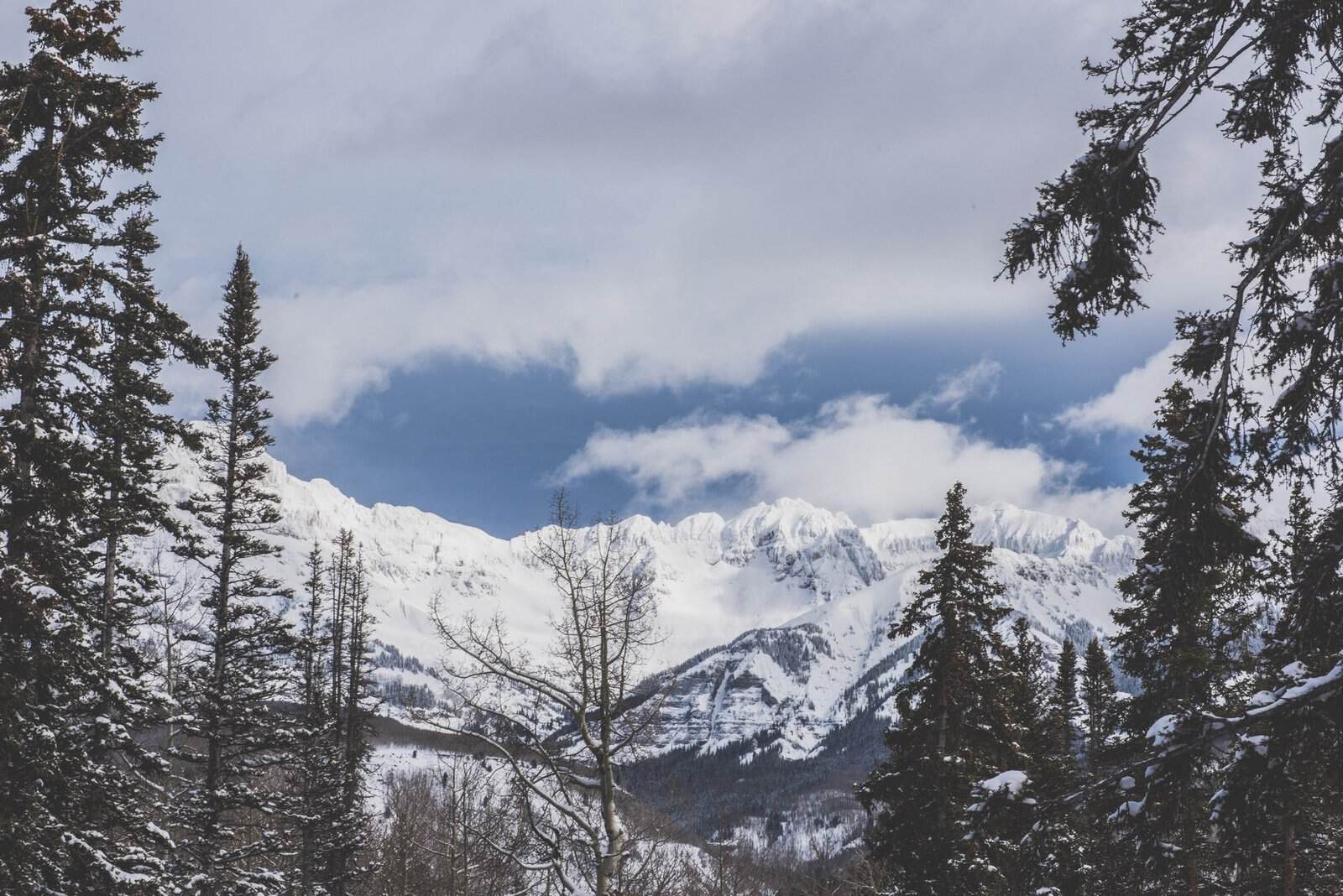
Idaho National Laboratory, roughly 50 miles northwest near Idaho Falls, employs a substantial number of Pocatello-area residents who commute for nuclear energy research and related federal contracting work, adding a high-wage employment sector to a regional economy that would otherwise rely primarily on the university, healthcare, and agriculture. This commuting relationship has helped stabilize household incomes in Pocatello even though the lab itself sits outside city limits. Amtrak’s absence from Pocatello, despite the city’s deep railroad history, has become a recurring point of local frustration, since the same Union Pacific corridor that once carried passenger trains through town now carries freight exclusively, leaving residents dependent entirely on driving or flying out of the small regional airport for longer-distance travel. That gap between the city’s historic rail identity and its current transportation reality is one of the clearer examples of how an economic base can outlive the specific industry that originally built it. Pocatello Regional Airport offers limited commercial service, generally through a single regional carrier connecting to Salt Lake City, meaning most residents needing broader air travel options drive roughly two and a half hours to Salt Lake City International Airport rather than flying directly from home, a logistical reality typical of many small interior Western cities that lost more robust regional air service as airlines consolidated hub operations over the past two decades. Downtown Pocatello has seen modest revitalization efforts centered around its historic Main Street corridor, with several early 20th-century commercial buildings restored for use as restaurants, breweries, and small retail shops, a pattern of small-scale downtown investment common across many Interior West cities trying to build a more walkable core to complement their university and healthcare-driven economic base. Winters in Pocatello, shaped by its high desert elevation and continental climate, bring enough consistent snowfall that a small local ski area, Pebble Creek, operates nearby, giving residents recreational options that don’t depend on driving hours to reach Idaho’s more famous resort towns like Sun Valley. The city’s overall pace of life reflects this same self-sufficient, unglamorous character throughout, prioritizing functional infrastructure over destination branding in a way that has kept it stable rather than exciting. That stability, more than any single attraction, is probably Pocatello’s most defining and least marketable feature. It’s the kind of place that works well to live in precisely because it was never designed to impress a visitor passing through for a weekend. Residents who have lived there for decades tend to describe that trade-off, unglamorous but functional, as a fair one. Few would trade it for a flashier reputation if the trade meant losing the affordability and steadiness that came with staying out of the spotlight.
Simplot, the massive privately held agribusiness and chemical company founded by J.R. Simplot, maintains significant operations near Pocatello, another example of the region’s underappreciated industrial base beneath its high desert, seemingly rural surface. The company remains one of the largest private employers in the broader region, tied historically to potato processing and phosphate mining in the surrounding hills.
A City That Works Without Trying to Impress Anyone
Pocatello’s median home price remains well below the Idaho state average, a reflection of its distance from Boise’s rapid growth corridor and its lack of the scenic-destination appeal driving up prices in mountain and lake towns statewide. That affordability, combined with steady university and healthcare employment, has made it a stable, functional small city rather than a boom-or-bust one, insulated from both the runaway growth reshaping western Idaho and the population decline afflicting more isolated rural counties.
What Pocatello demonstrates is that a diversified, if modest, economic base — university, hospital, rail legacy, nearby federal research employment, and agribusiness — can sustain a small city through decades of Idaho’s broader boom-and-bust cycles without needing the alpine scenery that drives tourism dollars elsewhere in the state.