The Van Life Math Nobody Does Before They Sell Everything — and the Numbers That End Most of These Experiments
We may earn money or products from the companies mentioned in this post. This means if you click on the link and purchase the item, I will receive a small commission at no extra cost to you ... you're just helping re-supply our family's travel fund.
Somewhere between the third and sixth month, most van life experiments enter what the community quietly calls the “come to Jesus” moment. The couple who sold their apartment furniture, converted a $30,000 sprinter, and drove into the sunset with matching Instagram handles discovers that the algorithm was showing them only the good parts.
The come to Jesus moment usually involves a $4,000 transmission repair, a week of rain with no shower access, and a conversation about money that gets ugly.
None of this means van life doesn’t work. It works extremely well for a specific type of person under a specific set of conditions. The problem is that Instagram has convinced a much broader population to attempt it without doing the actual math — and the actual math is unkind.
Let’s do the math.
The Van Life Instagram Feed Is Specifically Designed to Lie to You

This isn’t a cynical take. It’s structural.
The van life creators who build large audiences are the ones who post stunning sunrise shots from the California desert, dreamy time-lapses of Airstream parking spots, and smoothie bowls prepared on a $2,000 custom kitchen shelf. This content performs. The algorithm rewards it. The creator is incentivized to produce more of it.
The same creator who had their alternator die in Nevada in July, whose relationship fractured under the weight of 24/7 togetherness in 80 square feet, who spent a miserable week in a Walmart parking lot because every campsite within 200 miles was full — that creator knows those posts get a fraction of the engagement.
So they don’t post them. Or they post them with a carefully crafted tone of resilient adventure that makes even the breakdown look aspirational.
The result is a content ecosystem that systematically overrepresents the beautiful moments and underrepresents the grinding, expensive, relationship-testing reality. And hundreds of thousands of people make major life decisions based on that skewed sample.
The Real Cost to Get Started — Before You Drive Anywhere

The entry cost to van life has climbed dramatically over the past five years, driven by pandemic-era interest in nomadic living and the rise of the converted van as a lifestyle product.
Here is an honest cost range for getting started:
- The van itself: A used Ford Transit or Ram ProMaster in solid mechanical condition runs $15,000–$25,000. A Mercedes Sprinter — the van of choice for serious long-term van lifers — runs $20,000–$45,000 used, and significantly more new. These prices are post-pandemic elevated and have not fully normalized.
- The conversion: A DIY build done carefully runs $5,000–$15,000 in materials. A professional conversion from one of the boutique companies (Outside Van, Storyteller Overland, Wayfarer Vans) runs $30,000–$80,000. The YouTube tutorials make the DIY version look manageable. It is manageable, but it takes 3–6 months of weekends and evenings and requires skill sets most people don’t have and must acquire.
- Essential equipment: Solar setup, lithium battery bank, water system, roof fan, refrigerator, and kitchen setup together run $3,000–$8,000 even in a DIY context.
A realistic minimum to be on the road in a decent van with a proper build: $25,000–$40,000. The median van life setup for someone committed to full-time living is probably closer to $45,000–$65,000 when you account for the inevitable supplemental purchases.
The Monthly Budget Reality That Most Van Lifers Quietly Admit

The “we live on $1,000 a month” claims circulate endlessly. They are almost never accurate when you interrogate them carefully.
Here’s what $1,000 a month almost never includes:
- The amortized cost of the van and build (divide your total investment by your planned months on the road — for a $50,000 investment over 24 months, that’s $2,083/month before you spend a dollar on gas)
- Mechanical repairs and maintenance — more on this shortly
- Health insurance, if you’re American and under 65 (marketplace plans for a healthy adult run $200–$600/month)
- Cell phone service with sufficient data for remote work (plan for $100–$150/month for a solid hotspot setup)
- Storage unit for the stuff that didn’t fit in the van
- Campground fees — free camping (boondocking) is available but not always accessible, and many van lifers spend 20–30% of nights in paid campgrounds or RV parks at $25–$65/night
A more honest monthly budget for van life that accounts for all actual costs:
- Gas: $300–$600 (depending on miles driven and current fuel prices)
- Campgrounds: $200–$400 (mixed free and paid)
- Food: $400–$600 (you cook most meals but groceries in some regions are expensive)
- Cell/internet: $150
- Health insurance: $350 (catastrophic plan minimum)
- Van maintenance fund: $300–$500 (this is not optional — more below)
- Personal/entertainment/gear: $200–$400
Total realistic monthly cost: $1,900–$3,000, not counting amortized vehicle cost. Add the vehicle amortization and you’re looking at $4,000–$5,000 per month for a real full-time van life experience.
For a single person paying $1,200/month in rent, van life is not significantly cheaper. For a couple with $3,000 in combined housing costs, it might break even. For a family that was paying $4,000/month in housing, it might actually save money — but they will have traded comfort and privacy for the savings.
Mechanical Breakdowns: The Hidden Tax on Van Life That Nobody Posts About

A van that is being used as a full-time home is being subjected to conditions it was not designed for. You are living in it. Running the electrical system continuously. Idling for climate control. Driving it over rough terrain. Parking it in temperature extremes.
Mechanical issues in van life are not edge cases. They are a certainty. The question is only frequency and cost.
Common van life repair costs that blindside people:
- Alternator replacement: $500–$1,500
- Transmission service or repair: $1,500–$5,000+
- Roof fan replacement (they fail): $300–$600
- Tire replacement (you’re covering more miles): $600–$1,200 for a set
- Inverter or electrical system failure: $500–$2,000
- Water pump failure: $200–$600
Seasoned van lifers universally recommend a $300–$500/month mechanical reserve fund. This is not paranoia — it’s the accumulated wisdom of people who’ve been stranded in places where repair shops are three hours away and mobile mechanics charge a premium.
The worst breakdowns happen in the worst locations. That’s not Murphy’s Law — it’s selection bias: you’re in remote locations more often, and remote locations are where minor issues cascade into serious problems because you can’t limp the van to a shop down the street.
The Shower and Bathroom Reality

This is the thing most van life content glosses over with a breezy mention of Planet Fitness memberships and solar showers.
The daily reality of hygiene in van life:
- The Planet Fitness solution: This works in populated areas. It completely fails when you’re in national forest land 45 minutes from the nearest town, which is often exactly where you want to be.
- Solar showers: Functional in warm weather, miserable in cold weather, and require planning that significantly constrains where you can camp and when.
- Gym memberships at multiple chains: Full-time van lifers often carry 2–3 gym memberships across different chains to ensure coverage. This costs $40–$80/month and requires planning your route around gym locations.
- The toilet question: Most van builds include a composting toilet or a “luggable loo” situation. Managing human waste in a van is a daily logistical reality that the sunset photos do not convey.
For a certain type of person — outdoorsy, comfortable with roughness, creative about solutions — this is manageable and even liberating. For people accustomed to the comfort of a private bathroom, it becomes a persistent source of stress within weeks.
What Van Life Does to Relationships

Couples who start van life together face a specific challenge: 80 square feet and 24/7 proximity with no option for the healthy distance that normal relationships require.
The patterns that van life couples report:
- Decision fatigue over daily logistics (where to camp, what to eat, which direction to drive) becomes a significant source of conflict
- Different tolerance levels for discomfort tend to surface and diverge over time rather than converging
- One partner is usually more emotionally ready for the lifestyle than the other, and this asymmetry compounds under stress
- Financial stress from unexpected expenses hits harder when you have nowhere to retreat to
This is not a death sentence for relationships — some couples report van life as the best thing they ever did together. But the couples who thrive are almost universally those who had extremely healthy communication habits before getting in the van, not those who hoped the adventure would fix or test what was already shaky.
The Career and Income Question

Van life requires income. Most full-time van lifers fall into a few categories:
- Remote workers who kept existing jobs or found remote positions — the most stable group
- Content creators who monetize the van life itself — the most visible group online, representing a tiny fraction of actual van lifers
- Seasonal workers who take short-term jobs (campground hosts, harvest workers, national park concession staff) and van life between stints
- People burning savings — the group that’s usually done within 12–18 months
The remote work category has both expanded (more jobs offer remote flexibility post-pandemic) and contracted (many companies have pulled back remote options). Reliable internet is non-negotiable for remote work, and it requires a hotspot setup, carrier diversity, and route planning that factors in cell coverage.
Who Van Life Actually Works For — and Who It Destroys
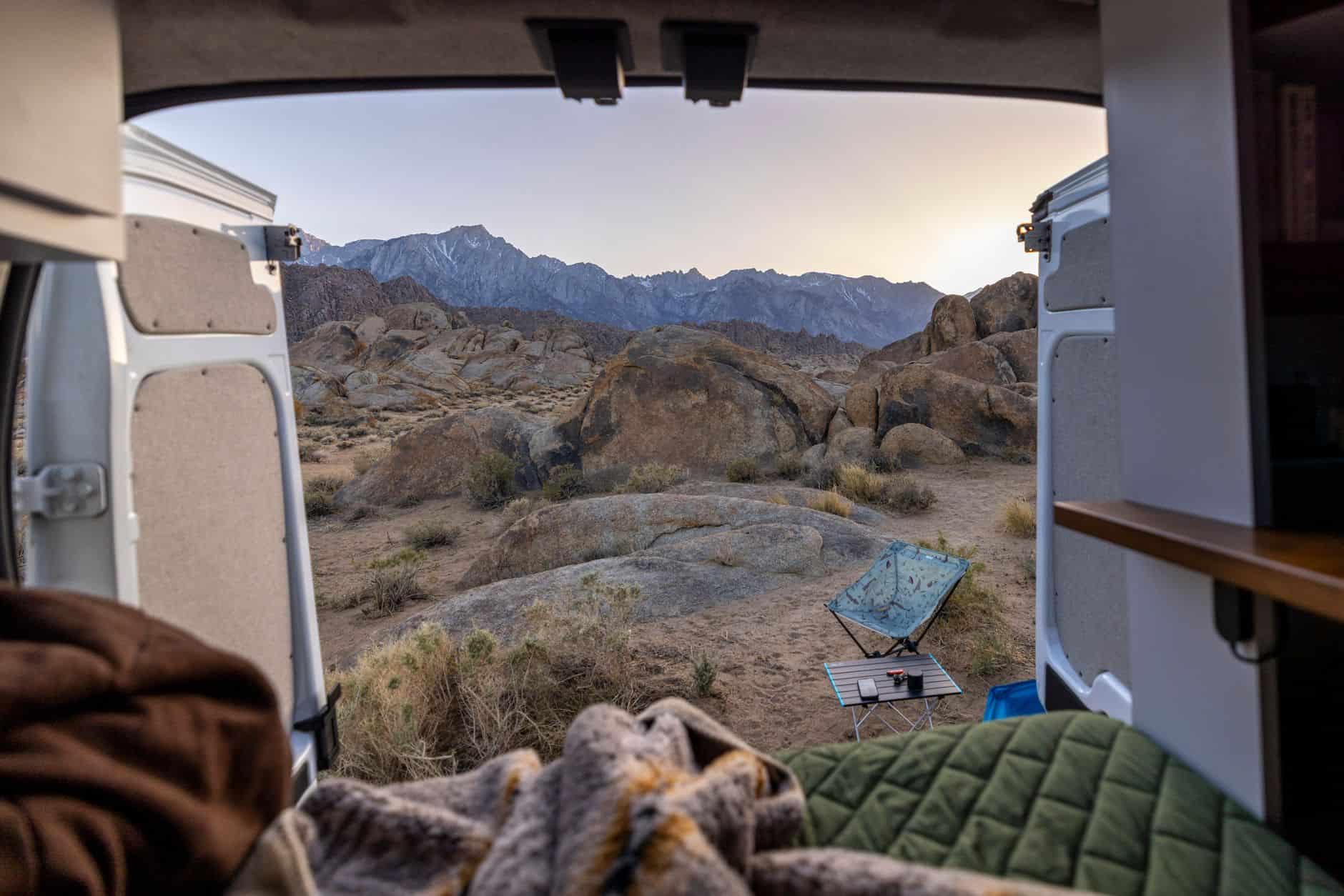
After reading hundreds of accounts, here’s the honest profile of who succeeds long-term:
- People who genuinely prefer outdoor living, not people trying to escape something
- People with mechanical aptitude or willingness to learn it
- People with stable remote income before they start, not people planning to figure out income on the road
- People who have resolved their primary life questions (they know what they want) rather than people hoping travel will answer them
- Solo travelers with flexible social needs, or couples with exceptional communication
And here’s who it consistently fails:
- People who are running from something — a career they hate, a city they’re bored in, a relationship that’s strained
- People who need privacy, personal space, and comfort as baseline emotional requirements
- Couples who haven’t handled financial stress together before
- People without an income plan beyond “I’ll figure something out”
The van can take you everywhere. It can’t fix what you brought with you when you left.