Every State Has a Tourist Attraction That Half the Country Thinks Shouldn’t Exist — Here Are the Most Controversial Ones
We may earn money or products from the companies mentioned in this post. This means if you click on the link and purchase the item, I will receive a small commission at no extra cost to you ... you're just helping re-supply our family's travel fund.
Every state in America has at least one of them — a tourist attraction where the existence of the attraction is itself the controversy. Not just “some people don’t like it” level of controversy, but genuine, ongoing, organized opposition from people who believe the site should be closed, relocated, reinterpreted, or fundamentally reconsidered.
These places draw visitors precisely because they’re contested. They also draw arguments. And understanding why they’re controversial usually teaches you more about the place — and about America — than any straightforward historical marker ever could.
Why Controversial Attractions Draw More Visitors, Not Fewer

There is a well-documented phenomenon in tourism research called “dark tourism” — the attraction to sites of tragedy, atrocity, and moral complexity. Auschwitz. Chernobyl. Ground Zero. The Killing Fields. These sites draw millions of visitors annually, and the people who visit them are generally not ghouls — they’re people seeking to understand history at a place where it actually happened.
But the American version of contested attraction is often different from straightforward dark tourism. American controversial attractions are frequently contested not because of what happened there but because of how they’re presenting it — who the story centers, what it leaves out, and whose experience it honors.
This distinction matters because it changes the conversation from “should this exist at all” to “what would it need to become to be worth existing.”
The Confederate Monument Circuit: A Tourism Industry Built on a Lost Cause
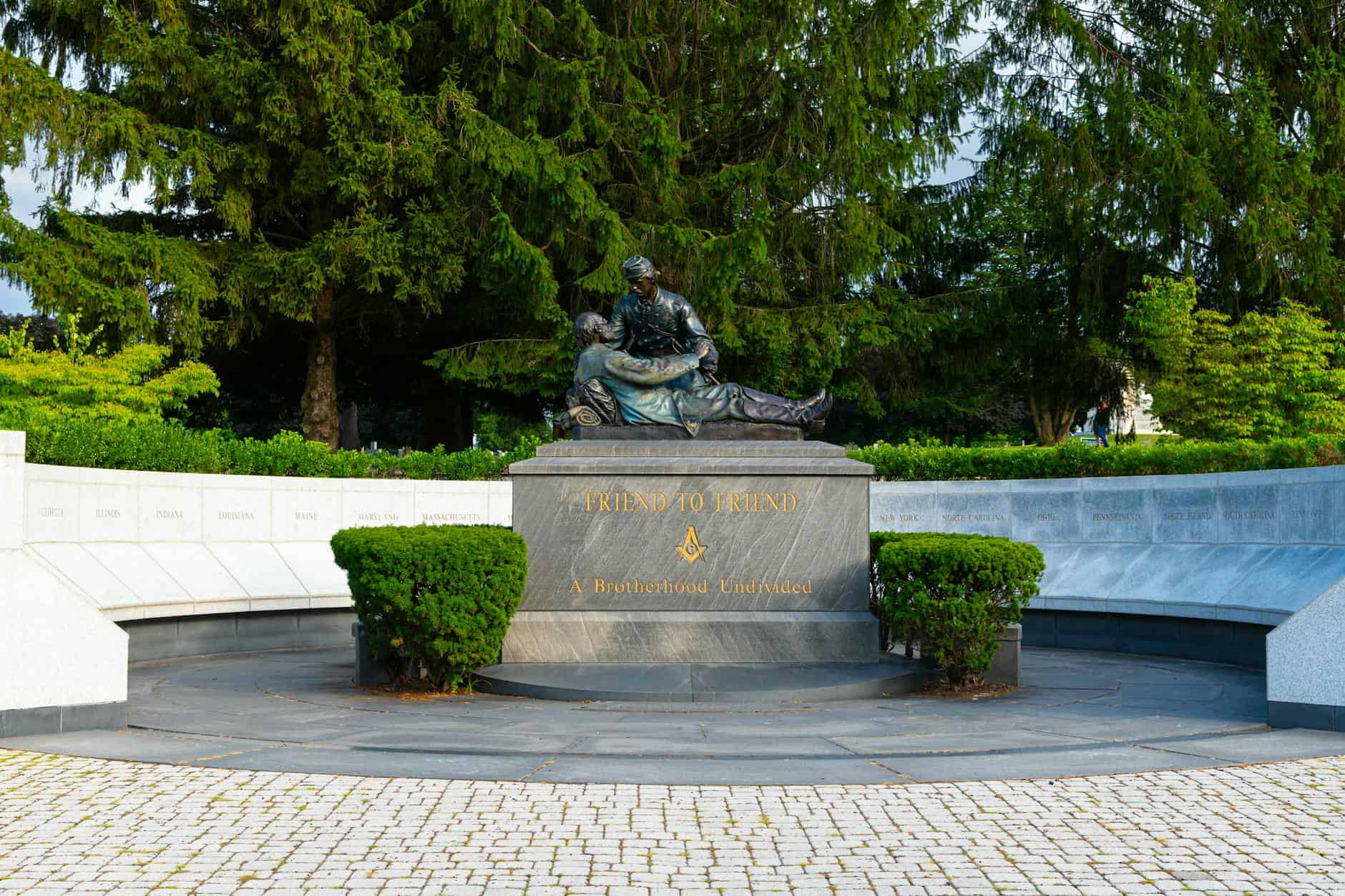
The American South contains thousands of Confederate monuments, memorials, and battle sites, many of which have been developed into full tourist experiences. The Sons of Confederate Veterans operates heritage tourism programs. Several states actively market Confederate heritage trails.
The ongoing controversy is substantive. Most major Confederate statues and monuments were not erected in the immediate aftermath of the Civil War — they were erected during two specific periods: the late 1890s through 1920s (during the height of Jim Crow laws) and the 1950s–1960s (during the Civil Rights movement). Historians have documented extensively that these monuments were erected not primarily as historical commemoration but as political statements of white supremacy and resistance to Black civil rights.
This context doesn’t appear in most monument tourism materials.
The counter-argument is also real: battlefield sites like Gettysburg, Antietam, and the Wilson’s Creek National Battlefield are legitimately important historical sites that illuminate one of the most defining periods in American history — and destroying or removing all markers of Confederate presence doesn’t improve historical understanding, it just revises it.
The debate that continues: monuments in public squares erected as intimidation vs. battlefield markers as historical documentation. These are different things, and the argument conflates them constantly.
Plantation Tours and the Question of Who the Story Is For
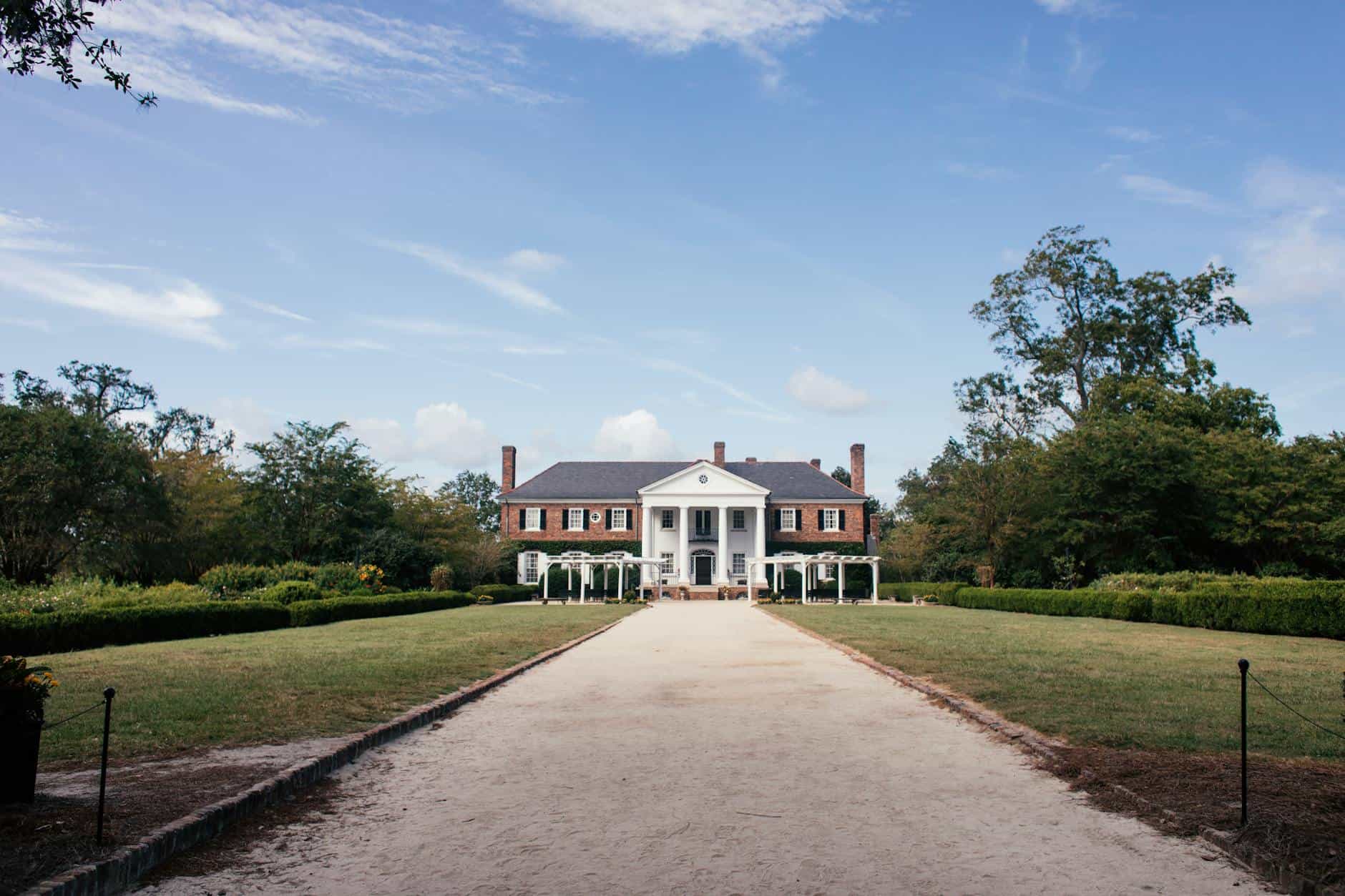
Antebellum plantation tours in the South are a multi-million-dollar tourism industry, and for decades they operated primarily as architectural and horticultural tourism — here is the house, here is the formal garden, here is the china collection.
The enslaved people who built the house, maintained the garden, and washed the china were largely invisible.
This has begun to change. Whitney Plantation in Louisiana specifically built its entire interpretive program around the experience of the enslaved people who worked there, including names, life stories, and testimony from WPA-era interviews with formerly enslaved people. The result is a tour that is genuinely historically important and genuinely uncomfortable — which is the appropriate emotional experience for a plantation visit.
Other plantations have been slower to update their interpretation. Some still primarily market themselves around the romance of the antebellum period. The contrast between these approaches has generated sustained and justified criticism, and visitor reviews now frequently engage directly with the question of interpretive framing rather than just the aesthetics of the landscape.
The Atom Bomb Attractions: Trinity Site and the Enola Gay
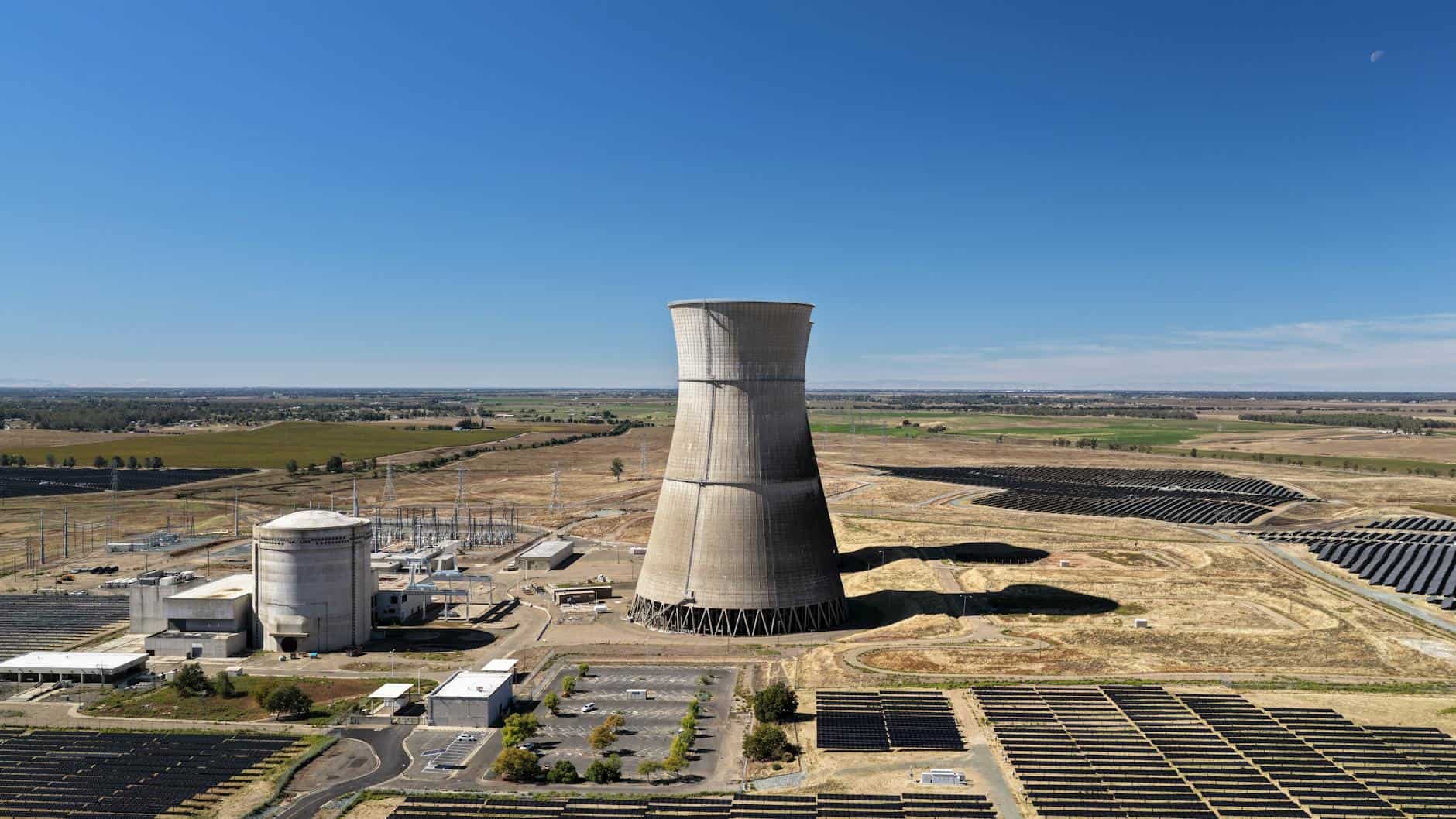
The Trinity Site in New Mexico — where the first atomic bomb was tested in 1945 — is open to the public twice a year, in April and October. The Enola Gay, the B-29 that dropped the first atomic bomb on Hiroshima, is on display at the National Air and Space Museum’s Udvar-Hazy Center in Virginia.
Both sites generate consistent controversy from multiple directions simultaneously:
- Japanese American and Japanese advocacy groups have raised objections to the framing of the bomb as purely a military triumph without adequate acknowledgment of the human cost in Hiroshima and Nagasaki
- Veterans’ groups have pushed back against any framing that questions the decision to use the bomb, arguing it saved hundreds of thousands of American and Japanese lives by ending the Pacific war without an invasion
- Nuclear disarmament advocates argue that any tourist treatment of nuclear weapons that doesn’t foreground their ongoing global threat is irresponsible
The Smithsonian experienced this conflict directly in 1994–1995 when its planned Enola Gay exhibition was canceled after an extraordinarily public battle between historians, veterans’ groups, and congressional pressure. The plane was eventually displayed with minimal contextual interpretation — itself a kind of political statement.
Roadside Oddities That Offend Almost Everyone Differently
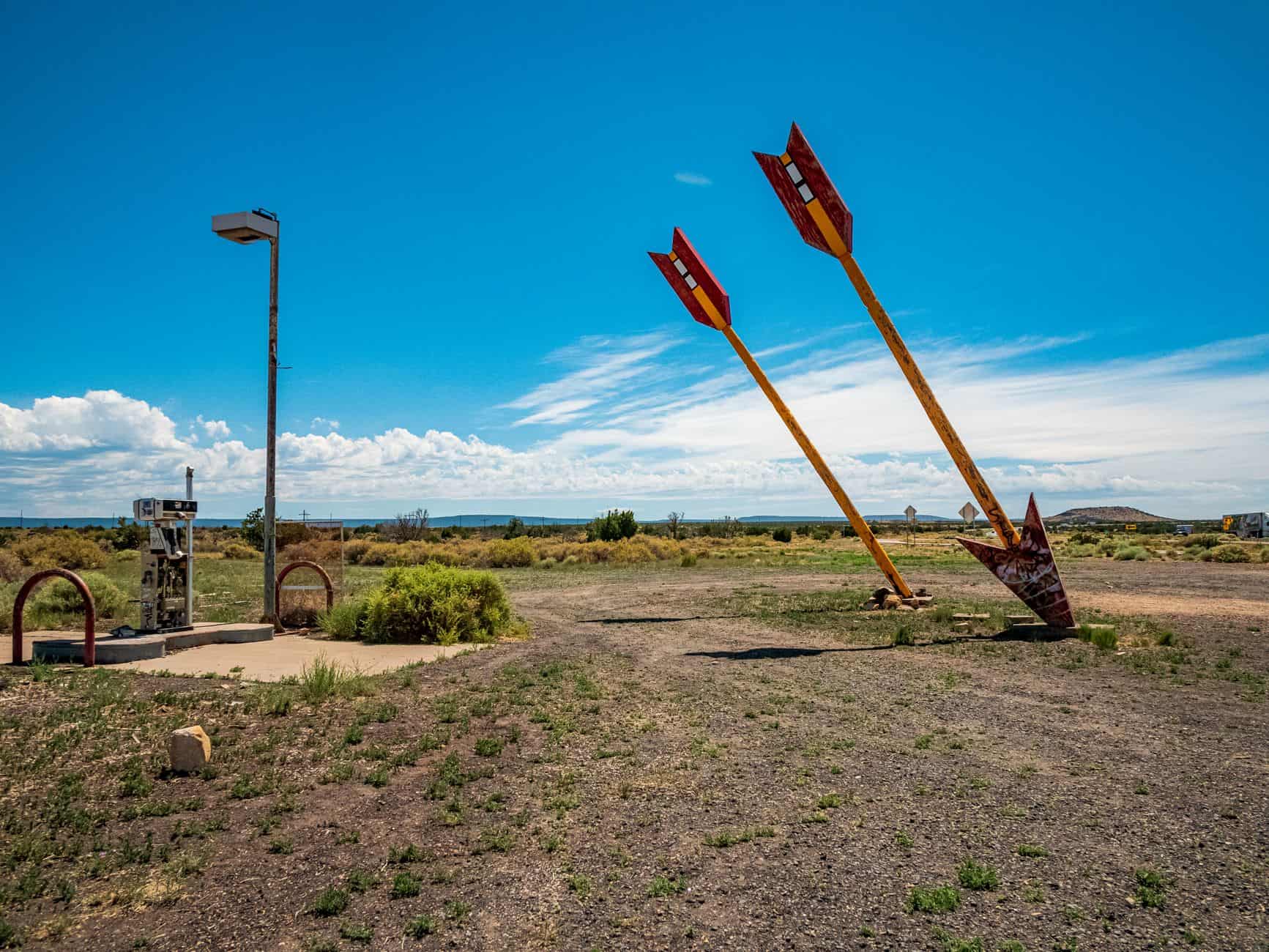
America’s roadside attraction culture is vast and wonderfully weird, but some entries in that tradition have generated specific controversy:
- Wall Drug in South Dakota: The legendary free ice water billboards have been defaced, protested, and satirized as emblematic of commercial desecration of the American West. Wall Drug is also enormously popular and beloved by a different set of people simultaneously.
- The Holy Land Experience in Orlando, Florida: A biblical theme park across the street from actual theme parks, it has generated controversy from both secular visitors who find it troubling and some Christian communities who find the theme park treatment of sacred sites irreverent.
- The Creation Museum and Ark Encounter in Kentucky: These Ken Ham-operated attractions present a young-earth creationist interpretation of natural history and the Bible as fact. They are among the most attended attractions in the state and among the most criticized institutions of their kind in American cultural life.
The Real-Crime Attractions That Victims’ Families Actively Oppose
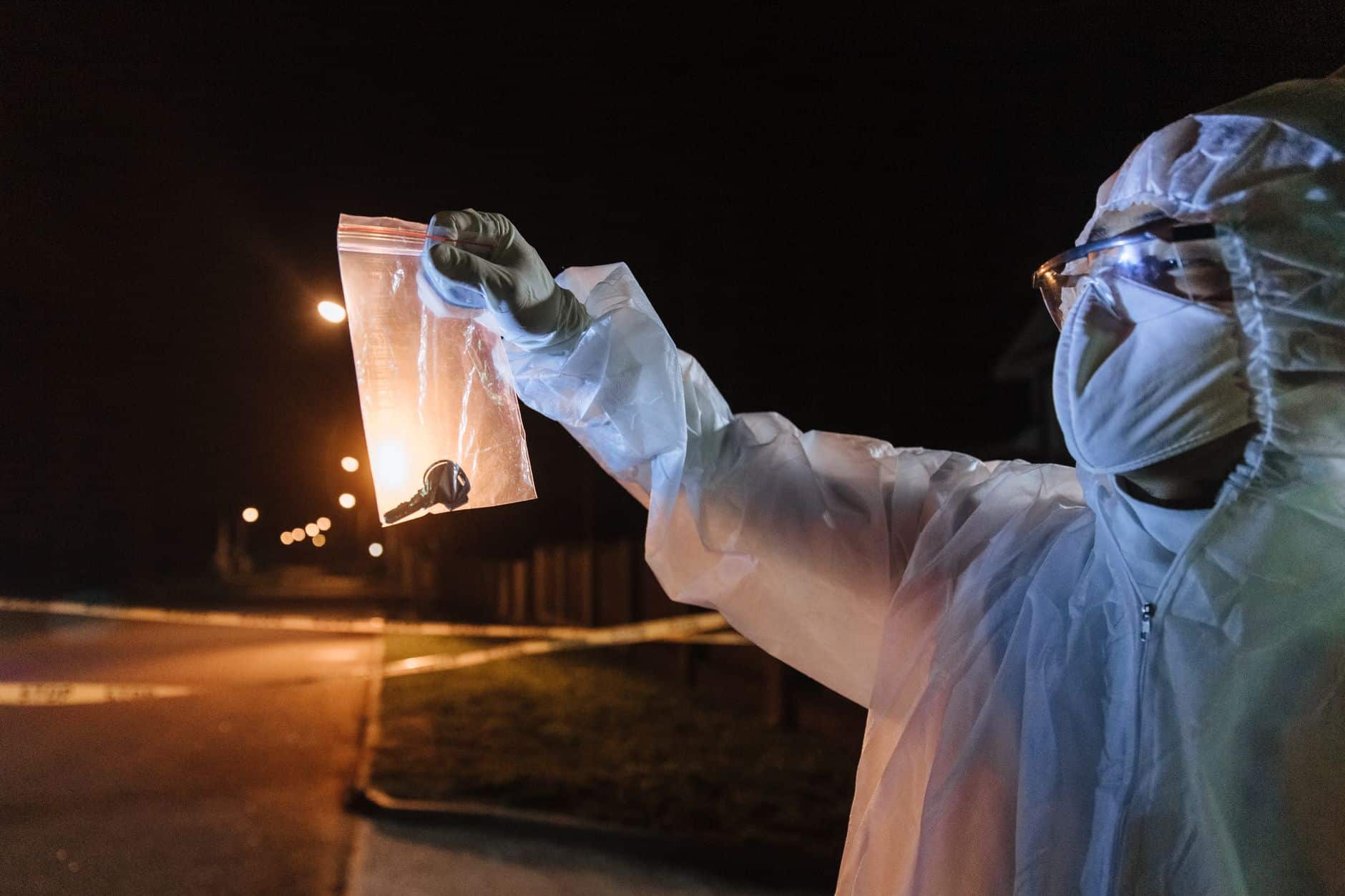
Dark tourism edges into genuinely contested territory when the victims’ families are alive and objecting.
The JonBenét Ramsey house in Boulder, Colorado was turned into an Airbnb rental for years, until the combination of public pressure and Airbnb policy changes ended the listing. True crime tourism in Boulder had grown enough around it that neighbors documented strangers photographing the house regularly.
Several locations associated with famous serial killers have developed informal tourism industries that survivors and victim families have actively and publicly opposed. The argument from the tourism side is that historical significance is real. The argument from families is that monetizing the site of their loved one’s murder for stranger entertainment is a specific kind of cruelty.
This tension has no clean resolution. The sites exist. People visit them. The families continue to object. Some jurisdictions have passed laws restricting commercial exploitation of crime sites; most haven’t.
The Animal Attractions That Are Caught Between Eras
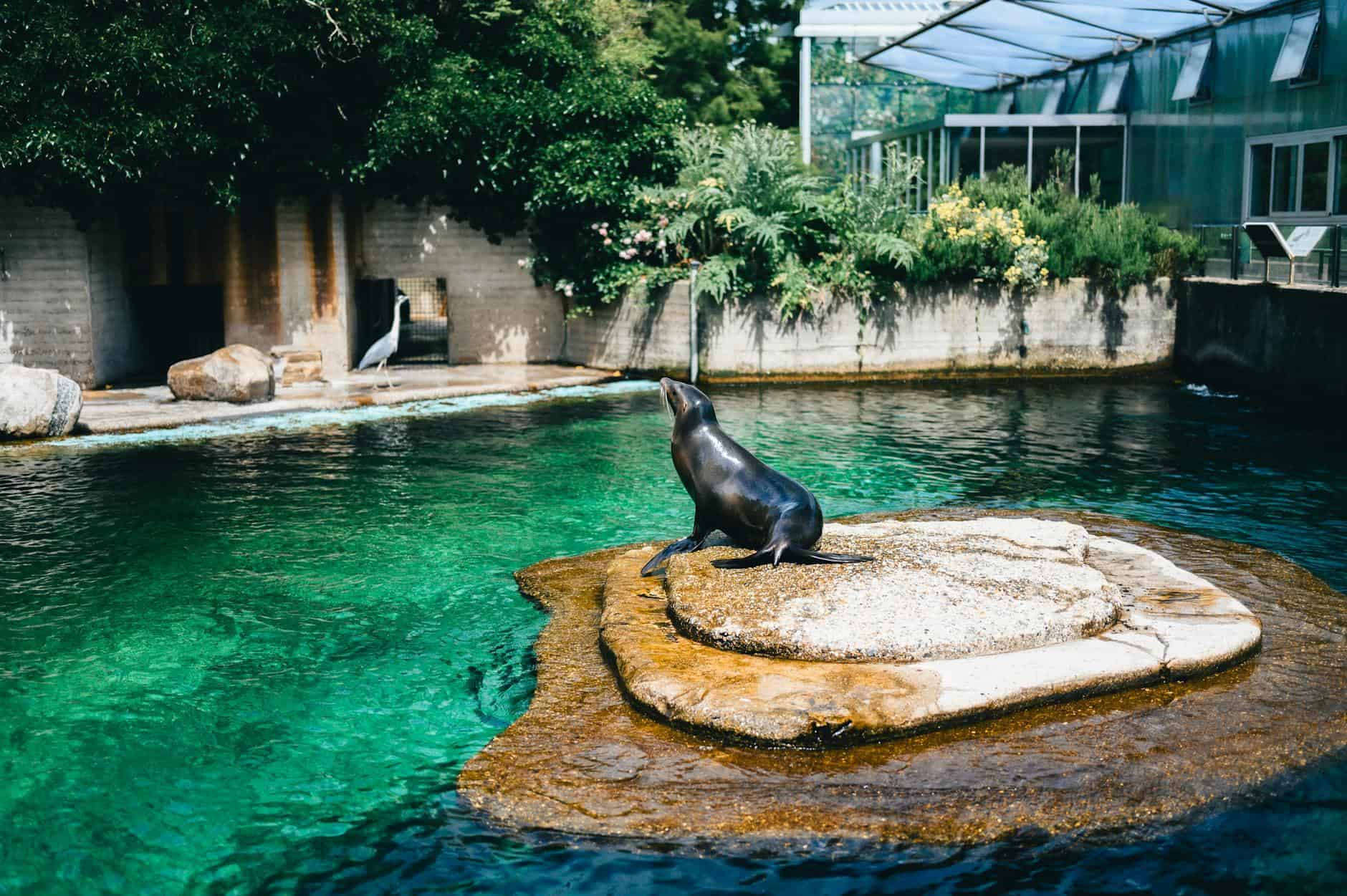
Americans are in a sustained cultural shift in how they think about captive animals, and many traditional animal attractions are caught in the middle of it.
- Traditional zoos with large animal enclosures for elephants, orcas, and great apes face increasing pressure from animal rights advocates and declining public acceptance of the confinement model
- Roadside zoos and “petting zoo” style attractions that operate with minimal welfare standards generate frequent viral controversy and occasional criminal investigations
- Swim-with-dolphins programs, which remain popular tourist activities in the Caribbean and Florida, face sustained criticism from marine mammal biologists regarding the stress effects on animals
The accredited zoo community has moved significantly toward conservation-framed messaging and habitat-style enclosures. The gap between accredited institutions and roadside operations has never been wider — and travelers who care about animal welfare have real tools to distinguish them, primarily through the Association of Zoos and Aquariums accreditation status.
How to Think About Visiting Something Controversial
Here’s a framework that I find more useful than simple boycott vs. visit:
- Who benefits financially? Your entry fee supports the interpretive decisions being made. If the interpretation is problematic, your dollars are sustaining it. This is a real consideration.
- Is there a better version of this nearby? Whitney Plantation vs. a plantation tour that erases enslaved people is a real choice. The better interpretation deserves the support.
- What are you going to do with what you learn? Visiting a contested site with the intention of engaging seriously with its history is different from consuming it as entertainment.
- Whose objections carry the most weight? Victims’ families, affected communities, and people with direct historical connection to a site’s legacy have standing that abstract critics don’t.
America’s most controversial tourist attractions are, in many ways, its most honest ones. They’re the places where the arguments we haven’t finished having yet — about history, memory, morality, and who gets to tell the story — are playing out in physical space. That makes them worth visiting. It also makes them worth visiting thoughtfully.