Natchez, Hannibal, and Dubuque Still Make Money Off a River Most Americans Only Fly Over
We may earn money or products from the companies mentioned in this post. This means if you click on the link and purchase the item, I will receive a small commission at no extra cost to you ... you're just helping re-supply our family's travel fund.
The Mississippi River still runs a real economy in the towns that grew up on its banks, even in an era when most Americans experience the river as a blue line glimpsed from an airplane window. Natchez, Mississippi; Hannibal, Missouri; and Dubuque, Iowa each built a different version of the same bet: that the river itself, not just the industry it once supported, is worth something.
Natchez Sells Its History, Carefully
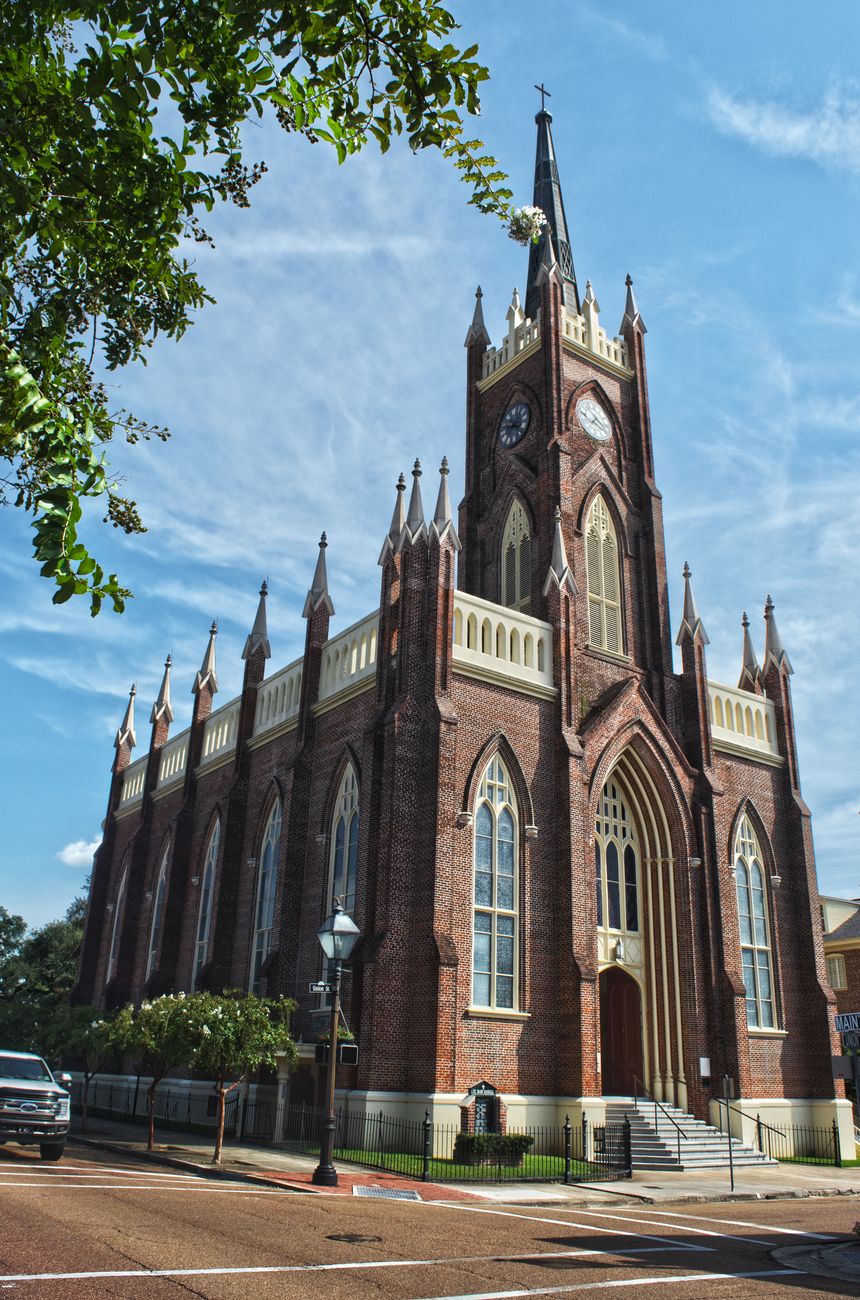
Natchez has one of the largest concentrations of antebellum mansions in the South, a direct legacy of the cotton wealth that made it, before the Civil War, one of the richest cities per capita in the United States. Today those same mansions, many still privately owned, anchor a tourism economy built on house tours, pilgrimage events, and increasingly, river cruise traffic — American Cruise Lines and other operators regularly stop in Natchez as part of Mississippi River itineraries, and local tourism officials have documented meaningful economic impact letters tied directly to those cruise stops.
The Uncomfortable Part of Natchez’s Pitch
Natchez has worked in recent years to tell a fuller history alongside the antebellum mansion tours, including sites tied to the domestic slave trade that made the city’s cotton wealth possible in the first place. That reckoning is still underway and creates real tension between the postcard version of Natchez’s history and the version its own historical sites are now trying to present.
Hannibal Runs on One Author
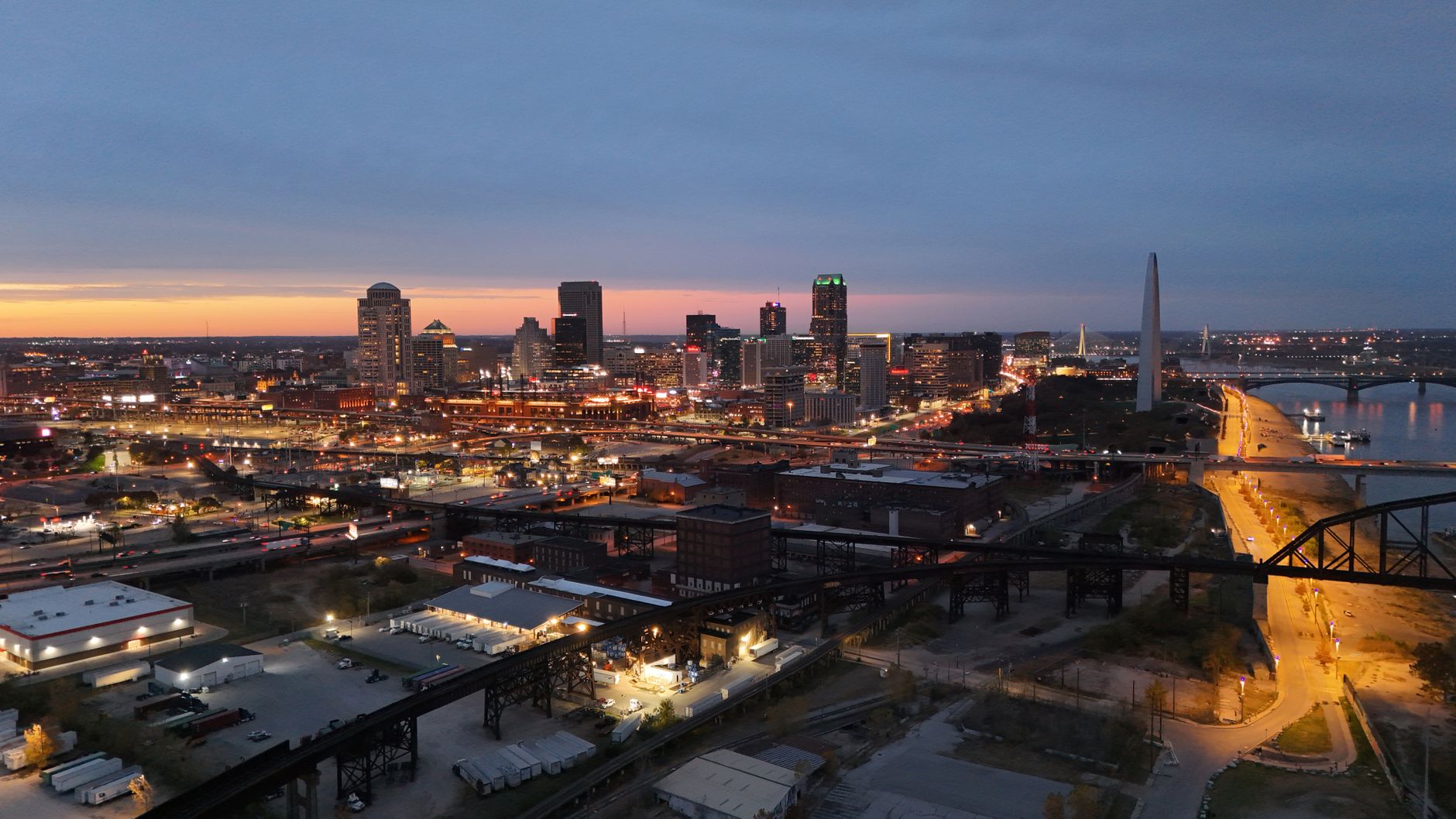
Hannibal’s entire tourism identity is built around Mark Twain, who grew up there and used it as the model for the fictional St. Petersburg in Tom Sawyer and Huckleberry Finn. The Mark Twain Boyhood Home and Museum anchors a downtown built almost entirely around Twain-themed shops, museums, and river tours. Without the Twain connection, Hannibal is a town of roughly 17,000 people with limited other draws; with it, the town pulls visitors from across the country specifically to walk streets that inspired 19th-century American literature.
- Hannibal’s population has held roughly steady for decades, unlike many small Missouri river towns that have lost population
- The town leans heavily on a single tourism season concentrated around summer river traffic and Twain-related festivals
- Riverboat tourism, including occasional stops from American river cruise lines, supplements the Twain-driven day-trip economy
Dubuque Diversified and It Worked
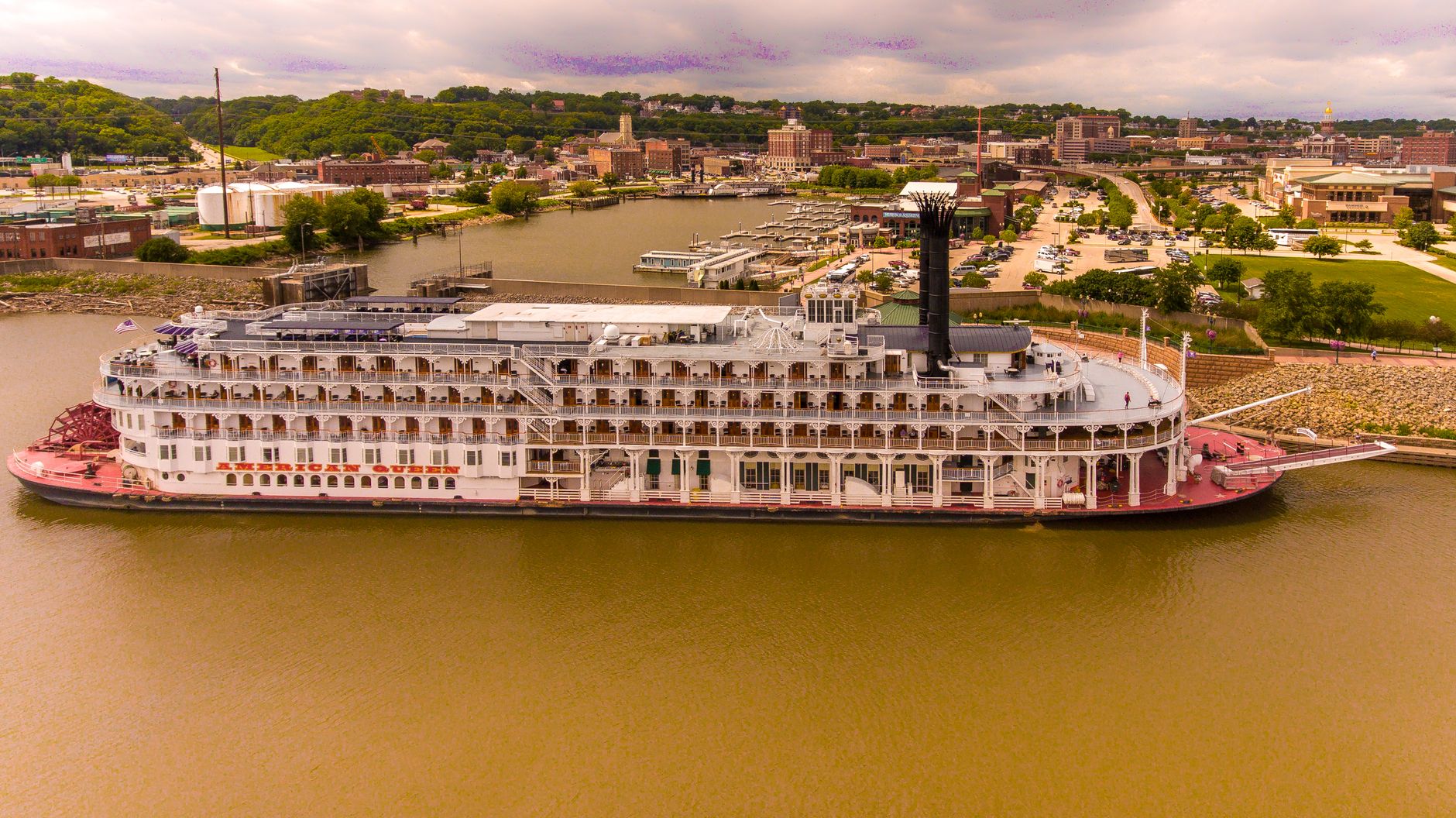
Dubuque sits on dramatic river bluffs unlike the flatter terrain further south, and unlike Natchez or Hannibal, it did not build its modern economy primarily on nostalgia tourism. The city redeveloped its riverfront with the National Mississippi River Museum and Aquarium and a genuine mixed-use waterfront, while also diversifying into manufacturing, insurance, and healthcare employment that has nothing to do with river tourism at all.
That diversification is a big part of why Dubuque’s population and economy have stayed more stable than many comparably sized river towns further south. The river is still central to the city’s identity and a genuine tourist draw, but it is not the only thing keeping the lights on, which insulates Dubuque from the seasonal boom-and-bust cycle that towns like Hannibal depend on more heavily.
What All Three Have in Common
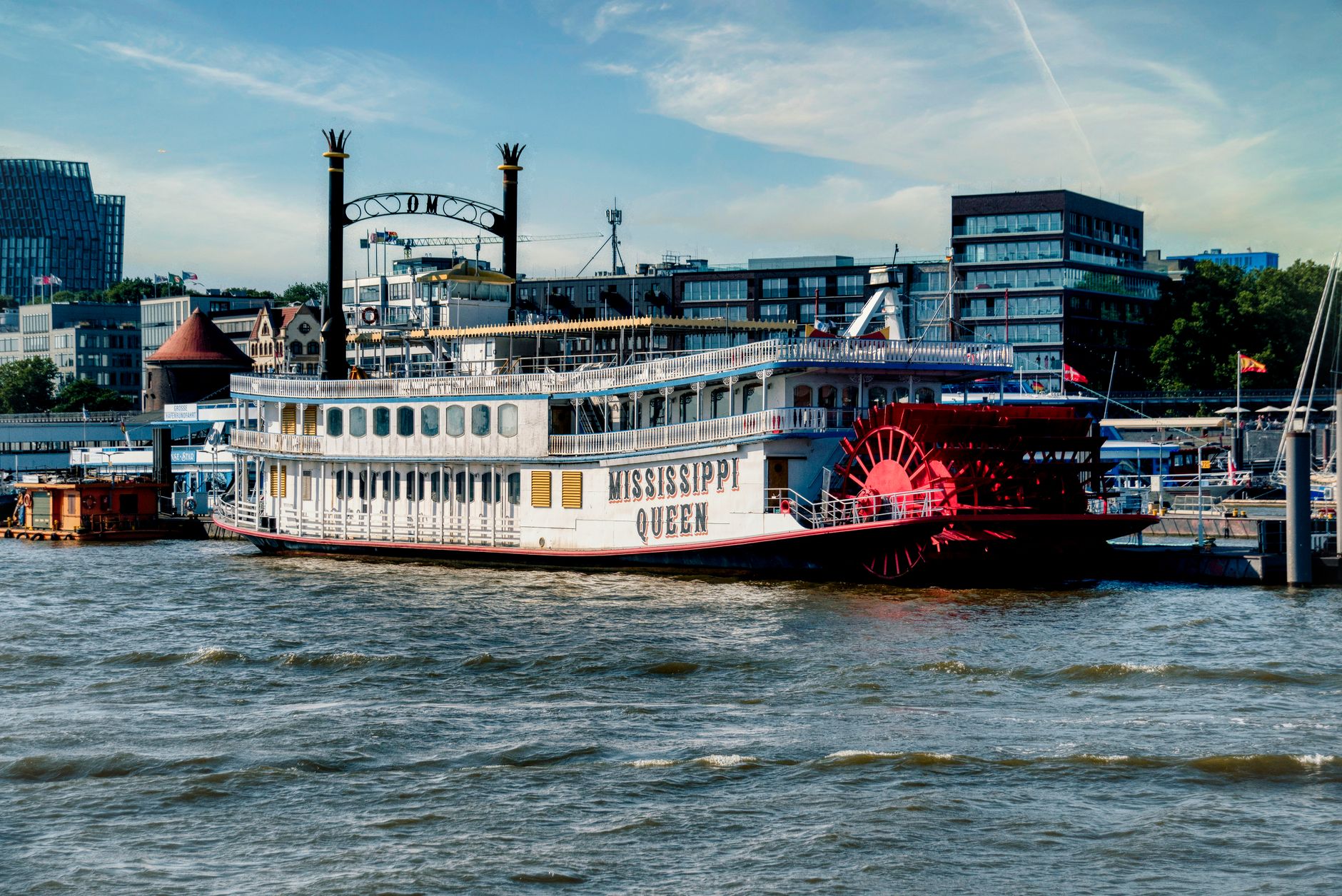
None of these towns are pretending the river industries of the 19th century are coming back — the steamboat trade, the cotton wealth, the log-rafting economy that built Dubuque are gone for good. What’s left is a tourism economy that monetizes the memory and the physical presence of the river itself: the bluffs, the mansions, the boyhood homes, the passing riverboats. It is a smaller, more fragile economy than what the river once supported, but for towns that could easily have become ghost towns after their original industries collapsed, it is a real and ongoing source of jobs, tax revenue, and reasons for outsiders to still show up.
The Bigger Pattern These Towns Represent
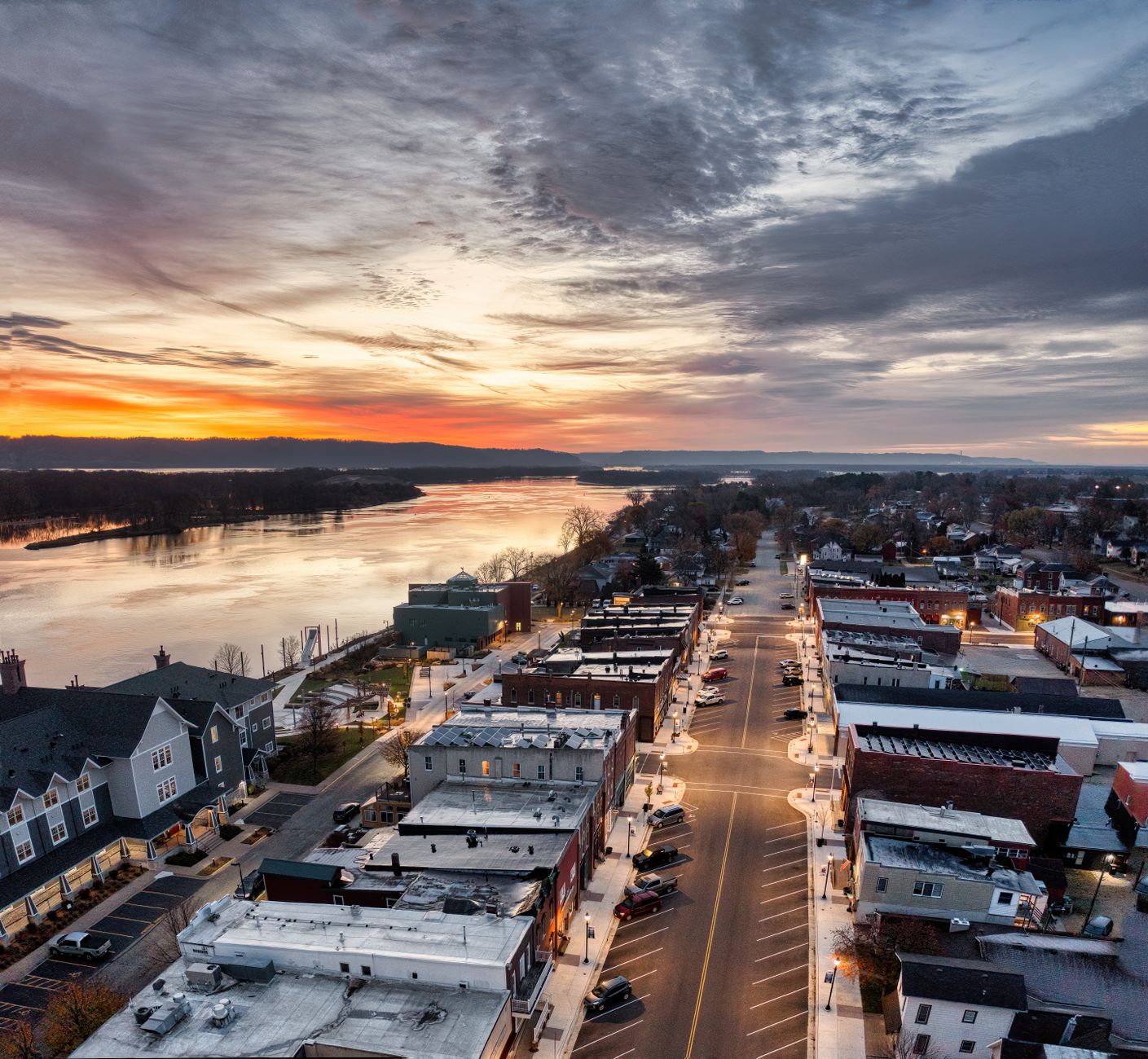
Dozens of smaller river towns between Natchez and Dubuque, including places like Vicksburg, Mississippi, and Davenport, Iowa, have attempted similar strategies with mixed results — leaning on historic downtowns, riverboat casino revenue where legal, or seasonal festivals to replace industries that left decades ago. The towns that have fared best share a common trait: they diversified into at least one non-tourism industry rather than betting entirely on visitors.
River cruise lines have become an increasingly important revenue source across this entire corridor, with itineraries connecting New Orleans to St. Paul stopping at a rotating set of towns based on river conditions, dock capacity, and passenger interest. A single cruise stop can bring several hundred visitors into a town of a few thousand people for an afternoon, which matters enormously to small retailers and tour operators even if it barely registers on a national tourism scale.
None of these towns are getting their 19th-century economies back. What they have found, with varying success, is a smaller-scale replacement that keeps historic downtowns occupied and taxed rather than boarded up — a modest outcome, but a real one, for towns that had genuine reason to expect much worse after the industries that built them moved on for good.