A Gallon of Milk Costs Nine Dollars on Kauai. People Still Move There Anyway
We may earn money or products from the companies mentioned in this post. This means if you click on the link and purchase the item, I will receive a small commission at no extra cost to you ... you're just helping re-supply our family's travel fund.
Kauai never gets the headline attention Maui and Oahu do, which is exactly why people move there expecting a bargain. It is not one. It might be the most expensive way to live in paradise that isn’t technically Manhattan.
The Grocery Bill Alone Will Get You
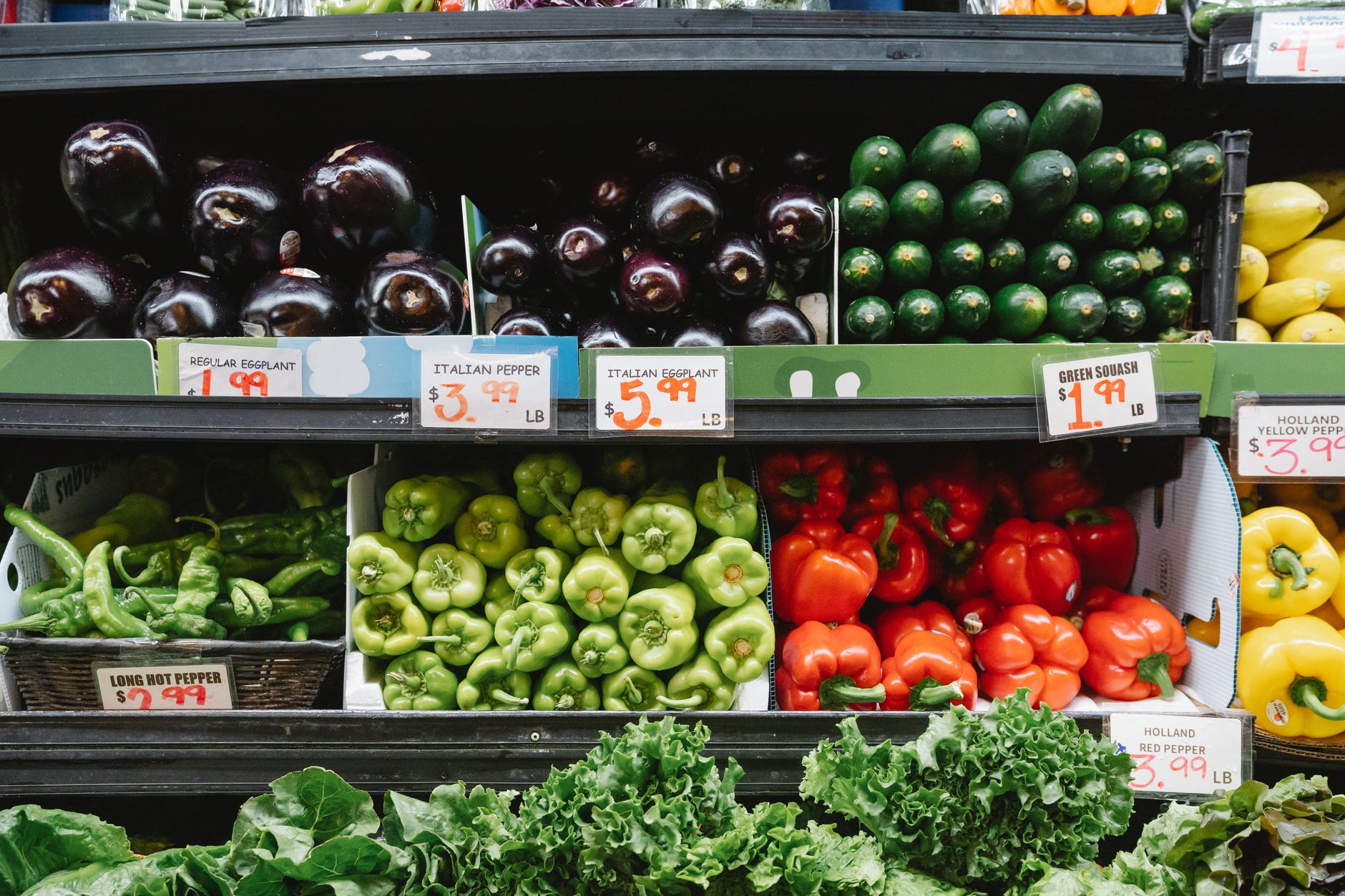
Because roughly 85 to 90% of Hawaii’s food supply arrives by ship, every price tag on Kauai carries a shipping premium before a single local markup is added. A gallon of milk runs $7 to $9. A dozen eggs runs $5 to $8. A loaf of bread runs $5 to $7. A single person’s monthly grocery bill on Kauai commonly lands between $500 and $750, well above a mainland equivalent that might run $300 to $400 for the same cart.
- Milk: $7 to $9 per gallon versus roughly $3.50 to $4.50 on the mainland
- Eggs: $5 to $8 a dozen versus roughly $3 to $5 on the mainland
- Gas: regularly above $5.30 a gallon in Lihue, among the highest in the country
- A poke bowl on Kauai has approached $20; a plate lunch has approached $27
Rent Is the Bigger Number

A one-bedroom rental on Kauai commonly runs $1,700 to $1,900 a month, with some sources putting the island average closer to $4,800 when short-term and vacation-oriented inventory is factored in. Because Kauai has limited long-term rental stock — a large share of housing gets pulled into vacation rentals during peak tourist demand — renters compete for a genuinely small pool of available units, and landlords have little incentive to keep prices below what a week of Airbnb income could generate.
What a Realistic Monthly Budget Looks Like
A single person living modestly, in a one-bedroom rental with basic utilities and groceries, but without a lot of dining out, typically needs somewhere between $2,500 and $3,500 a month on Kauai to stay afloat. A family of four, factoring in a larger rental, higher grocery volume, childcare, and two vehicles because public transit options are minimal outside a few corridors, can easily clear $6,000 to $8,000 a month.
Why People Move Anyway

Kauai is the least developed of Hawaii’s major islands — no traffic lights outnumber the ones that exist, height restrictions keep buildings low, and roughly 97% of the island remains inaccessible by road, preserved as some of the most dramatic coastline and rainforest terrain in the country, including the Napali Coast. People who move there are not chasing a bargain. They are trading a specific, quantifiable amount of money for a specific, largely unquantifiable amount of undeveloped natural beauty and a slower pace of life than Oahu or even Maui can offer at this point.
The people who make it work long-term tend to share a few traits: dual incomes, remote work that pays mainland wages while living at island cost, or a paid-off mortgage from decades ago that insulates them from the current rental market entirely. For everyone else, Kauai remains a place people visit, fall in love with, and then do the math on, before deciding whether $9 milk is a price worth paying for a version of Hawaii that still feels, in relative terms, unspoiled by full resort development.
The Jobs That Actually Support Island Living

Most Kauai residents who aren’t independently wealthy or remote-working at mainland salaries work in tourism, agriculture, or government roles tied to the county and state, none of which typically pay enough on their own to comfortably absorb the island’s cost structure. Multigenerational households are common specifically because pooling income and housing costs across two or three adults is often the only way to make the math work without a mainland-level salary.
Local agriculture, including coffee, macadamia nuts, and smaller diversified farms that have replaced the sugar plantations of the 20th century, provides some employment but at wage levels well below what tourism-adjacent jobs in hospitality or property management can offer, creating a local hierarchy of jobs that roughly mirrors the cost pressures facing the island’s housing market.
The island’s appeal is genuine, and the number of people willing to make real financial sacrifices to live there hasn’t slowed. But anyone drawn by photos of the Napali Coast owes it to themselves to run the actual monthly numbers before assuming Kauai will feel meaningfully different, cost-wise, from Oahu or Maui. In most categories, it does not.
The people actually able to afford Kauai long-term describe the tradeoff bluntly: you pay mainland-plus prices for groceries and gas in exchange for a landscape and pace of life that, for the right person, no discount on the mainland could replace.
Kauai’s cost problem is not going to solve itself through market forces alone, since the same undeveloped, low-density character that draws people there also caps how much new housing supply can realistically be added without changing the island’s fundamental appeal — a tension every remaining Hawaiian island short of full resort development eventually runs into.