What Actually Happens When Someone Dies on a Cruise Ship — and Why the Brochure Will Never Tell You
We may earn money or products from the companies mentioned in this post. This means if you click on the link and purchase the item, I will receive a small commission at no extra cost to you ... you're just helping re-supply our family's travel fund.
There is a version of cruising that the industry really, really wants you to believe in. Sunset cocktails. Unlimited buffets. White-uniformed staff who remember your name. Shore excursions to turquoise coves. The brochure is, in many ways, a masterpiece of selective storytelling.
And then there’s the other version. The one that cruise line employees know by heart and passengers almost never ask about — until something goes wrong.
Here’s the reality: cruise ships are floating cities. The average modern cruise ship carries between 3,000 and 6,000 passengers, plus another 1,500 to 2,500 crew members. And cities — floating or otherwise — have medical emergencies. They have crimes. They have deaths. The cruise industry has handled tens of thousands of these situations over the decades, and they have protocols for all of it. Detailed, practiced, legally choreographed protocols.
You just never hear about them, because it is very bad for business.
The Morgue Is Already on the Ship
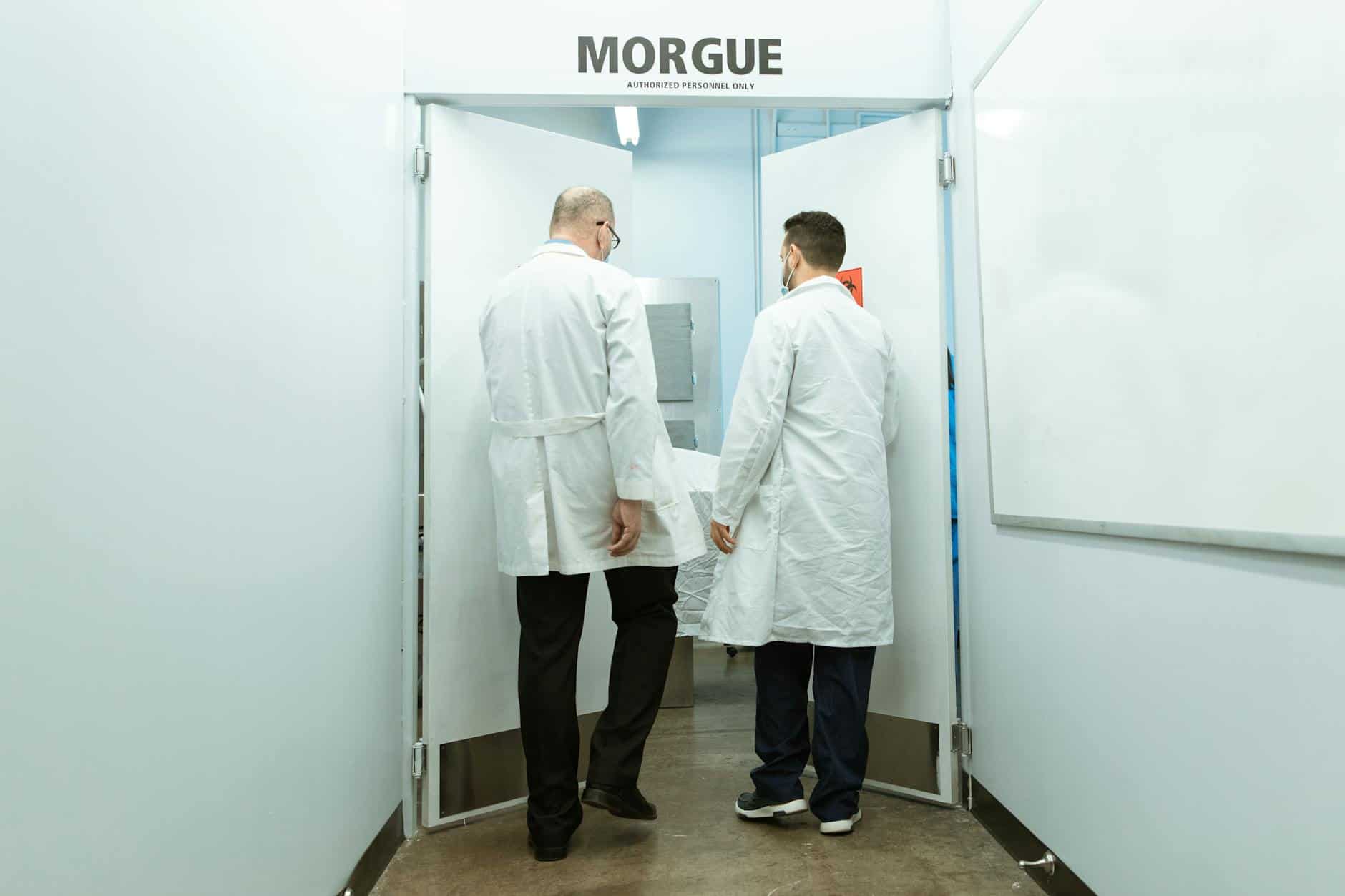
Yes, really. Every major cruise ship operating today is legally required by maritime law and port health authorities to maintain a morgue. It’s not a rumor. It’s not a conspiracy theory. It’s a standard safety requirement, the same way cargo ships carry life rafts.
The typical cruise ship morgue can hold between three and twelve bodies, depending on the size of the vessel. The location is never advertised — it’s typically somewhere in the lower decks, far from passenger areas, near or connected to the medical center.
Why so much capacity? Because statistically, on a week-long cruise with 5,000 passengers skewed heavily toward older demographics, someone is going to die. Not every sailing — but often enough that the infrastructure has to exist.
According to maritime industry data, the most common cause of passenger death on cruise ships is cardiac arrest. The average cruise passenger age has hovered around 47 for mainstream lines and significantly older for luxury lines. Many passengers are traveling despite existing health conditions. The combination of travel stress, different sleep schedules, alcohol, sun exposure, rich food, and physical exertion can tip someone over the edge who was already close to it.
When a passenger dies onboard, the ship’s medical team handles the immediate response. If the death occurs in a cabin, crew will respond discreetly. The body is moved — typically through service corridors that passengers never see — to the ship’s medical center and then to the morgue. A security team is usually involved to document the scene.
What Happens When a Passenger Has a Medical Emergency
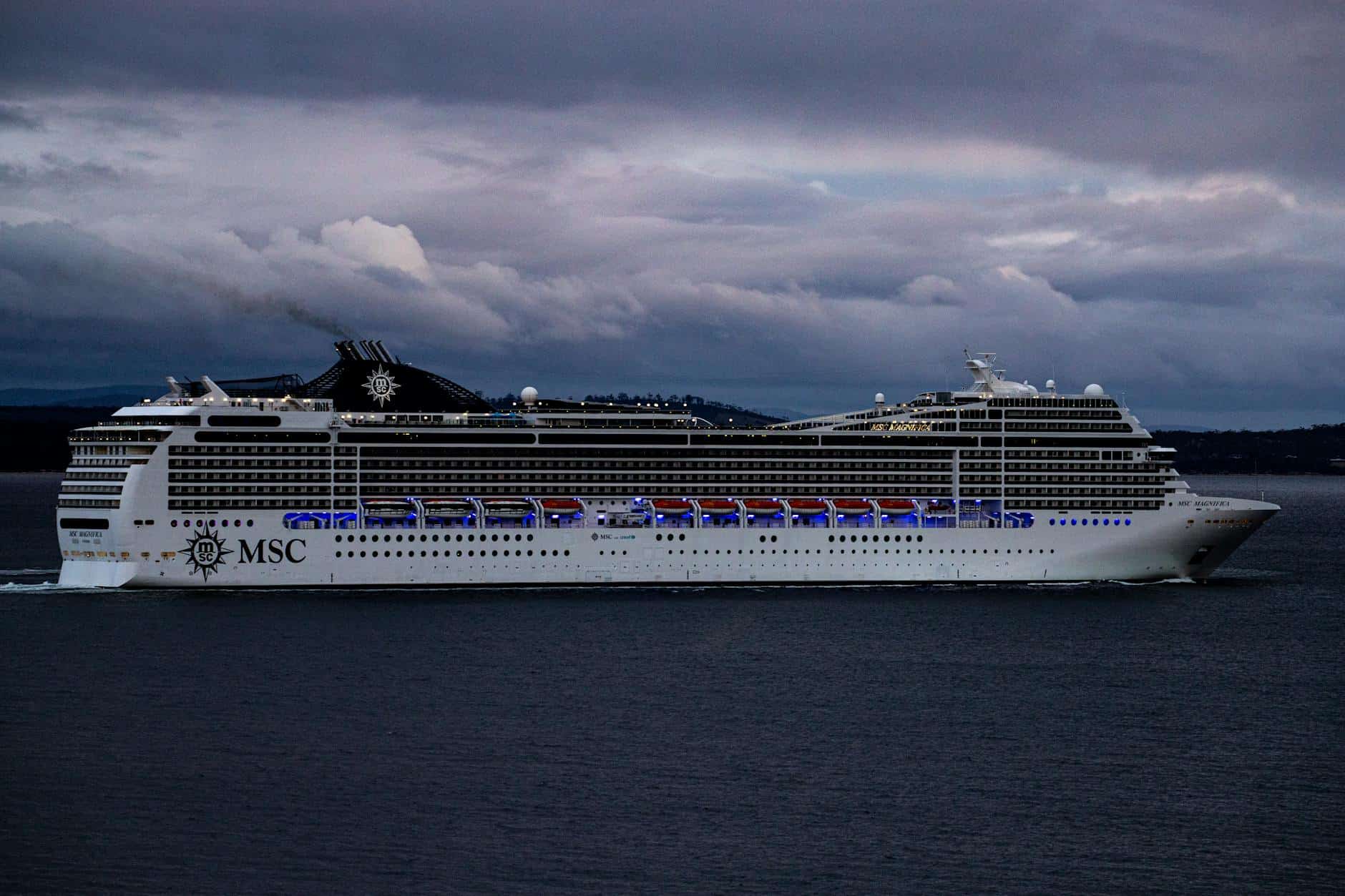
This is actually more common than death, and the process is more complicated than most people realize.
Cruise ships are required to maintain medical facilities that meet standards set by the American College of Emergency Physicians. Modern large ships have fully equipped infirmaries with:
- Intensive care unit capabilities
- Cardiac monitoring equipment
- Ventilators
- Operating capabilities for minor procedures
- X-ray and lab testing
- Pharmacy supplies
They typically employ one or two physicians (often from countries with strong medical training programs, like South Africa, India, or Eastern Europe) and three to six nurses.
But here’s the catch: this is a ship, not a hospital. If you’re having a heart attack, a stroke, or need emergency surgery, the onboard team stabilizes you — and then the question becomes where you are.
If the ship is near a port with adequate medical facilities, they’ll divert or tender you ashore. If you’re mid-ocean, they may call in a Coast Guard or military medical helicopter evacuation — an air-sea rescue that can cost $50,000 to $150,000 and that you are financially responsible for unless you have travel insurance that covers it.
That $150,000 bill has hit real passengers. It is not hypothetical.
The Crime Nobody Talks About: Passengers Who Go Overboard

Man-overboard incidents are the stuff cruise companies actively avoid discussing because they raise uncomfortable questions about safety, supervision, and in some cases, criminal activity.
The nonprofit organization Cruise Junkie maintains a database of cruise ship incidents going back decades. The numbers on overboard incidents are sobering. Some are accidents — passengers who went too close to railings while intoxicated, slipped during rough weather, or were engaging in reckless behavior. Some are suicides. And some — a meaningful some — remain genuinely unclear, with circumstances that suggest foul play but investigations that go nowhere because the crime scene, if there was one, is now at the bottom of the ocean.
When a passenger goes overboard, here’s what happens:
- An alert is immediately raised — either from a witness, CCTV footage, or the ship’s overboard detection systems (sensors exist but are not universally deployed)
- The ship performs a rapid deceleration and a Williamson Turn — a specific navigational maneuver to bring the vessel back to the point where a person entered the water
- Crew members are deployed to scan the water while a rescue team prepares a lifeboat
- Coast Guard or local maritime authorities are notified
- A search is conducted, usually for several hours before official protocols shift the mission from rescue to recovery
Survival rates are grim. The average time to recover a person who goes overboard is 2-3 hours. Hypothermia, drowning, and the sheer size of the ocean make most overboard incidents fatal.
When a Passenger Dies at Port vs. at Sea
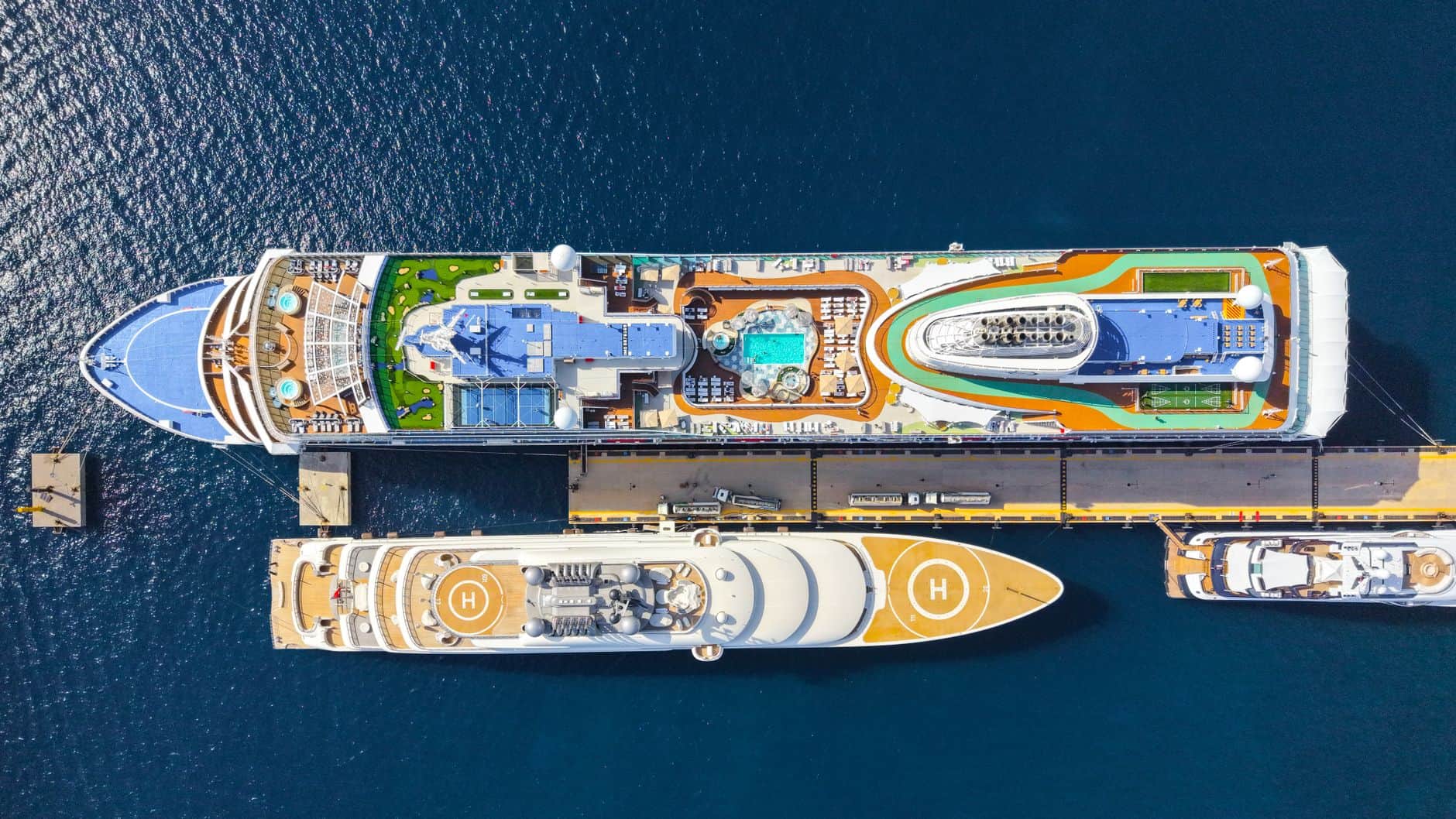
This distinction matters enormously, and it’s one most travelers have never thought about.
If you die while the ship is docked in a foreign port, jurisdiction over your death falls to that country. Your body must be processed through their legal and bureaucratic systems — which in some Caribbean nations or Southeast Asian ports can take weeks. Your family cannot simply fly the body home. They may need to hire a local funeral home, obtain multiple official documents, work with the U.S. embassy or consulate, and pay thousands of dollars in repatriation costs.
If you die at sea, things are even more legally complicated. Maritime law is its own universe. Jurisdiction often defaults to the flag state of the ship — which, in the case of most major cruise lines, means the Bahamas, Panama, or Liberia, not the United States. This is specifically why cruise lines are incorporated and flagged in those countries: it limits their legal exposure under American law.
For the family, this can mean a bureaucratic nightmare lasting months, legal fees they weren’t prepared for, and settlements that are far smaller than they’d receive in a U.S. court.
How Cruise Lines Handle Violent or Disruptive Passengers
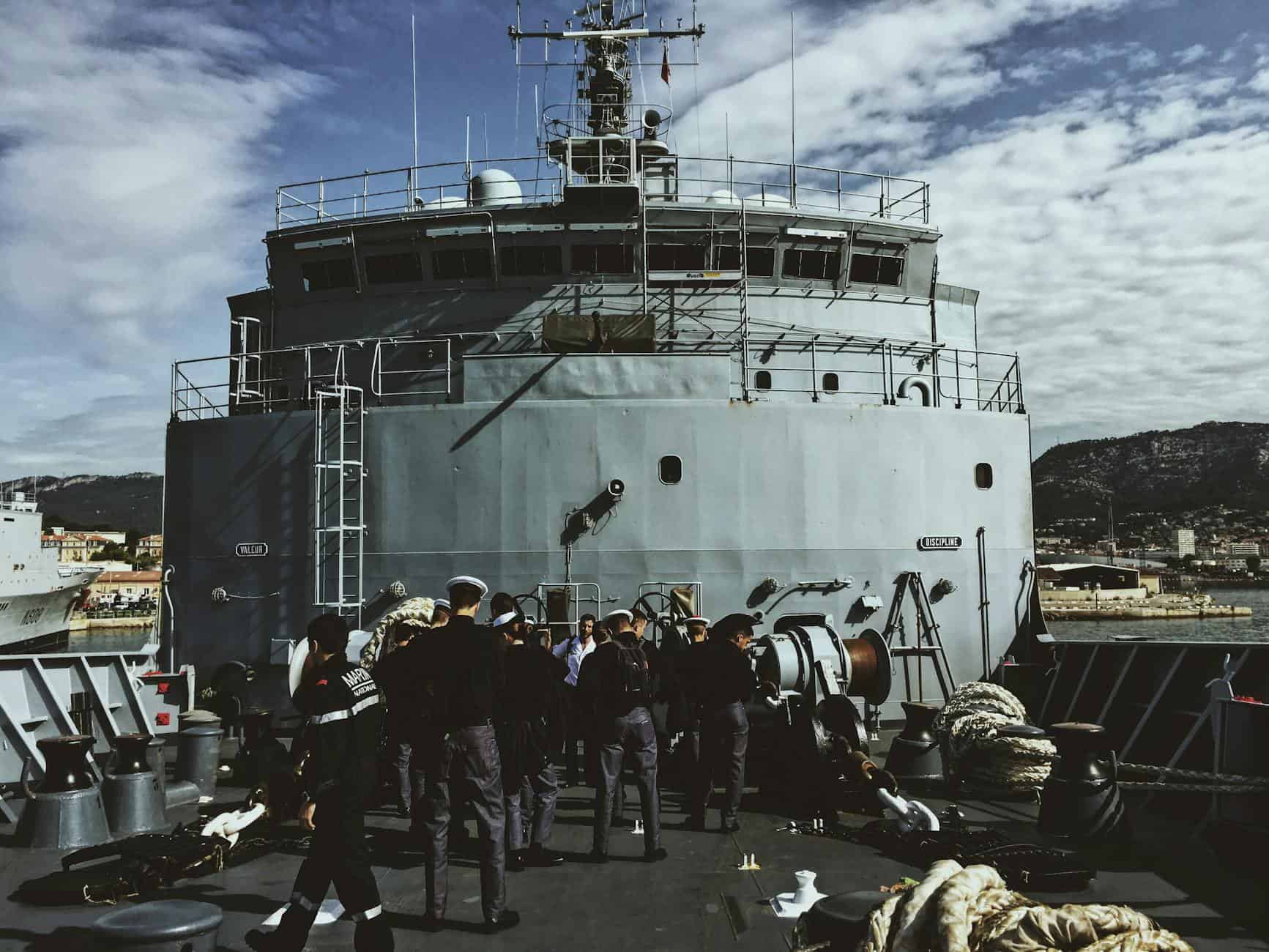
This one surprised me when I started digging into it, because the answer is: more decisively than you might expect.
Cruise ships have onboard security teams — they’re not armed with firearms in most cases (due to international maritime law restrictions on weapons), but they are trained, they are professional, and they have real authority. The ship’s captain has near-absolute power over everyone on the vessel. If you are deemed a threat to other passengers or crew, you can be:
- Confined to your cabin for the remainder of the voyage
- Placed in an actual onboard detention cell (yes, these exist on large ships)
- Removed from the ship at the next port — wherever that is, whether it’s the Bahamas or Cozumel or a small Italian coastal town
- Banned from the cruise line for life
- Met by local law enforcement at the next port
Fights at the pool bar, sexual assaults, theft from other passengers, domestic disputes in cabins — cruise security deals with all of it, every sailing. Industry insiders estimate that a large ship may have several security incidents per voyage that require formal documentation.
The dirty secret is that because cruise ships operate under maritime law in international waters, some crimes are genuinely difficult to prosecute. The FBI has jurisdiction over crimes involving American citizens on ships that visit U.S. ports, but coordination is complicated, evidence is hard to preserve, and witnesses scatter across multiple countries after disembarkation.
What the Family Goes Through When Something Goes Wrong

I want to be direct here, because this is information that could matter to you or someone you love.
If a family member has a medical emergency on a cruise:
- You will be expected to provide payment information before advanced treatment in some cases
- Medical evacuation is almost certainly not covered by your regular health insurance or standard travel insurance — you need specific medical evacuation coverage
- The cruise line’s Guest Services will assign you a coordinator, but that person’s job is also to protect the cruise line’s interests — they are not your advocate
- If your loved one dies, repatriating the body can cost $5,000 to $15,000 or more depending on the destination
If a crime is committed against a family member:
- Preserve all evidence immediately — this sounds obvious but people in shock often don’t do it
- Insist on a written incident report from ship security, and get your copy before disembarking
- Contact the FBI if the ship visits U.S. ports — their Victim Assistance program specifically handles cruise ship crimes
- Hire a maritime attorney before accepting any settlement offer from the cruise line
What You Should Actually Know Before You Book a Cruise
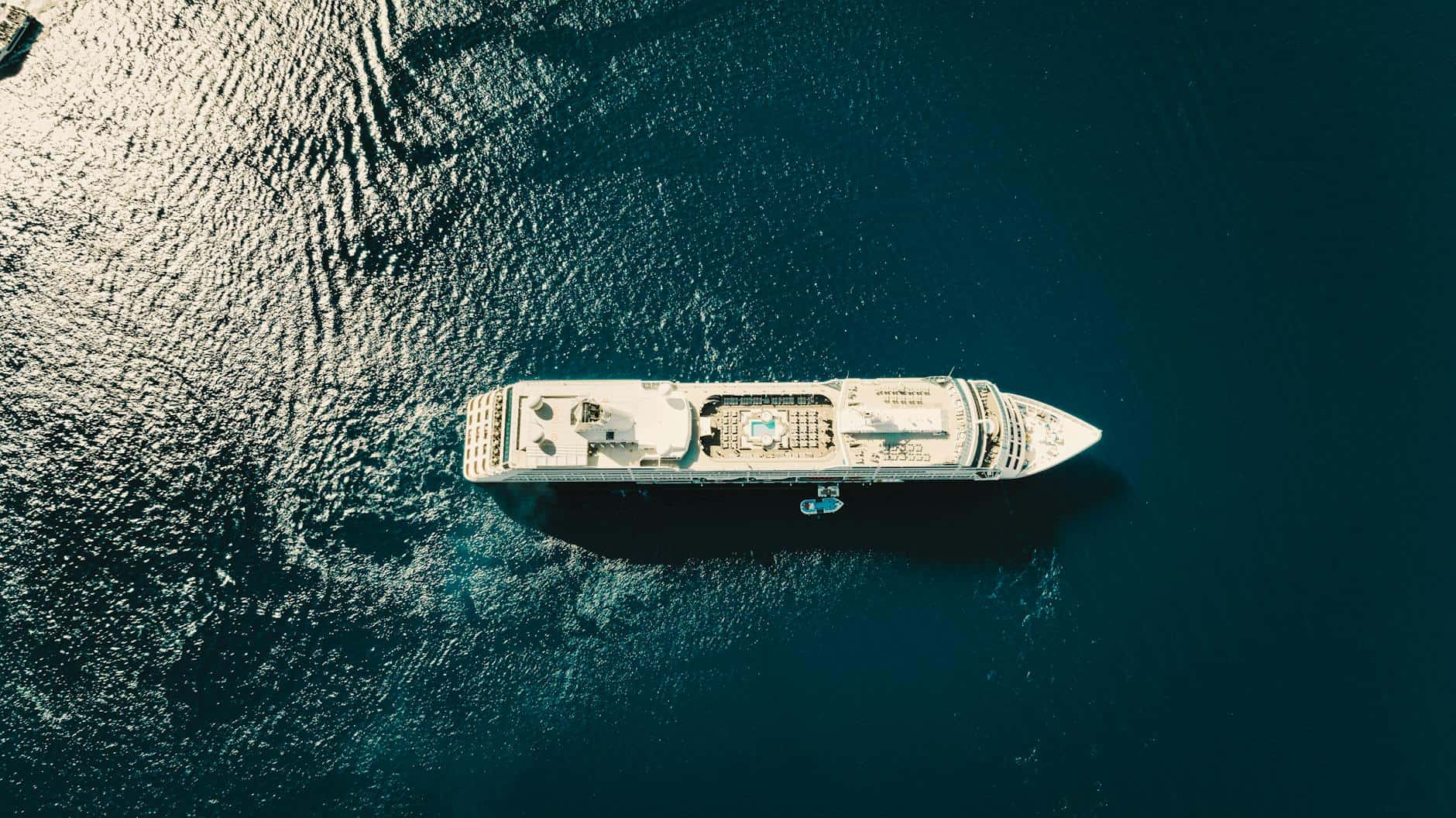
None of this means you shouldn’t cruise. Hundreds of millions of people have had completely uneventful, genuinely wonderful cruise vacations. The statistics favor you.
But informed passengers make better decisions. So before you book:
- Buy real travel insurance — not the cruise line’s in-house policy, which has significant carve-outs. A third-party policy with medical evacuation coverage of at least $100,000 is the standard recommendation.
- Check the ship’s medical facilities — some older or smaller ships have significantly more limited capabilities. This matters if you have existing health conditions.
- Read your cruise contract — specifically the liability and jurisdiction clauses. You are agreeing to a lot more than you realize when you click “Accept.”
- Know the ship’s port schedule — if you have a serious health condition, sailing itineraries that spend extended time far from major ports carry real risk.
- Understand that the brochure is not a contract — the ship can change course, cancel ports, and alter your itinerary for almost any reason, and your recourse is limited.
Cruising is an extraordinary way to see the world. It can also be a bureaucratic nightmare when something goes wrong at sea. The people who have the best experiences are almost always the ones who went in with both eyes open — who enjoyed the sunset cocktails and also knew exactly what was in their travel insurance policy.
That’s the real cruise advice nobody puts in the brochure.