The Travel Gear That Frequent Flyers Bought Twice — Because the First Version Broke or Disappointed Them
We may earn money or products from the companies mentioned in this post. This means if you click on the link and purchase the item, I will receive a small commission at no extra cost to you ... you're just helping re-supply our family's travel fund.
Every frequent traveler has a graveyard of bad gear decisions. The $35 carry-on that cracked its zipper on trip three. The cheap packing cubes that refused to compress. The neck pillow that made the neck worse, not better. The power adapter that stopped working in a Nairobi hotel room at 11pm before a 6am flight.
The people who travel most are often the most skeptical of gear recommendations — because they’ve been burned enough times to be suspicious of anything that sounds too good. But they also have strong opinions about what actually works, because they’ve tested things in conditions that Amazon reviews don’t replicate.
Here’s the gear that frequent travelers systematically buy twice: once cheap, then right.
The Luggage Problem: Why Most People Have Two Suitcases in Their Closet
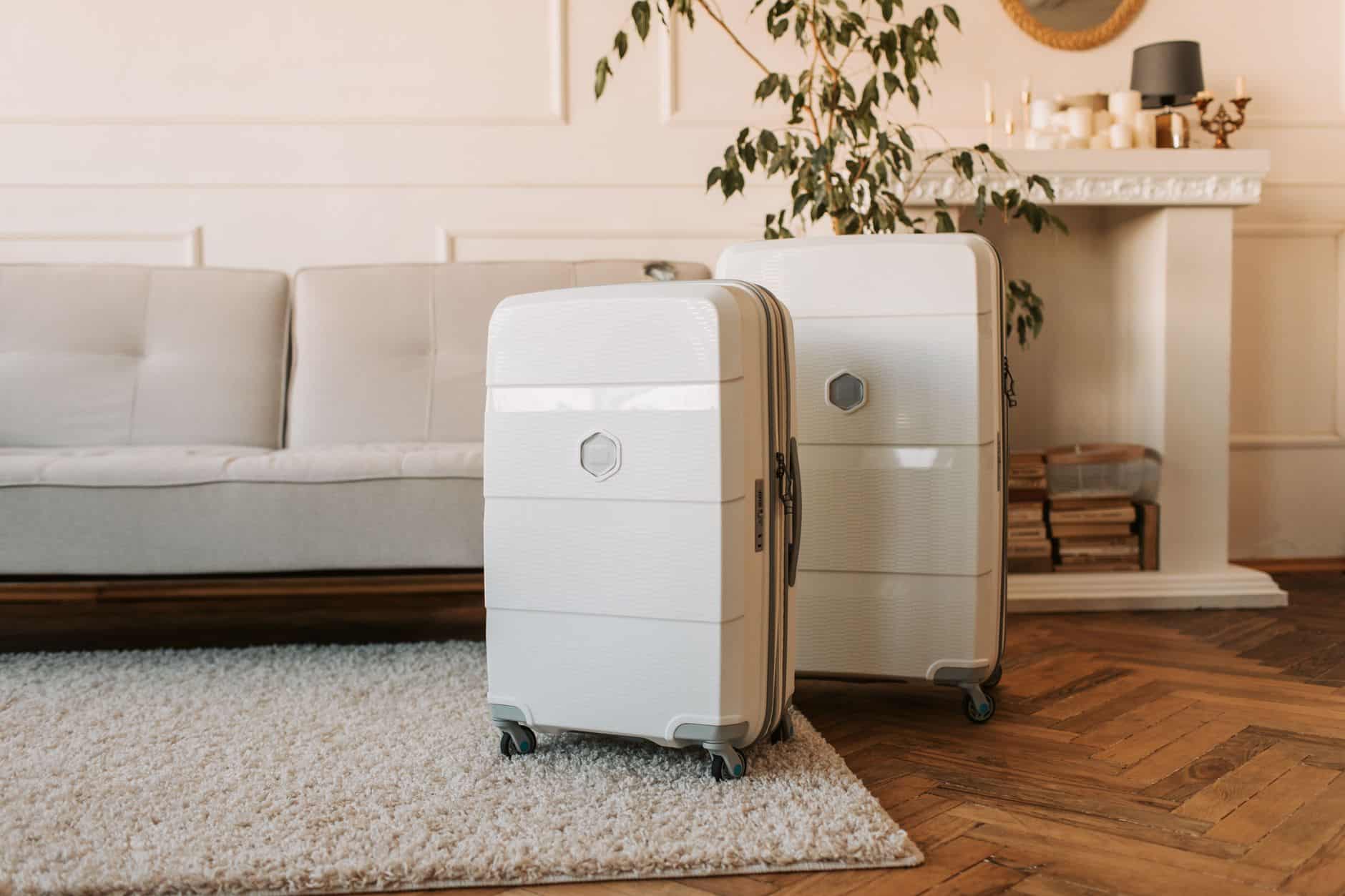
Luggage is the category with the widest quality range and the most consequential failure modes.
What cheap luggage fails at:
- Wheels — the spinner wheels on sub-$100 cases are often held on by plastic rivets that crack under repeated baggage handling. The fix is a luggage shop repair, the upgrade is a case with aluminum-reinforced wheel mounts or dedicated wheel housings.
- Zippers — the YKK zipper that comes on quality luggage is nearly indestructible. The generic zippers on budget cases fail under stress, particularly when bags are overpacked or grabbed roughly.
- Shell integrity — polycarbonate shells flex under pressure (a feature, not a bug). ABS plastic shells crack. The critical question is: what happens when a 200-lb bag gets stacked on top of yours in the cargo hold? A polycarbonate case flexes and recovers; an ABS case develops a permanent crack.
The luggage brands that frequent travelers actually converge on:
- Away — the best value-per-quality luggage brand at the mid-level price point ($295–$395). TSA-approved locks built in, polycarbonate shell, YKK zippers. The brand gets criticized for style-over-substance, but the actual product holds up to heavy use well.
- Rimowa — the enthusiast’s choice at $700–$1,100. German-engineered aluminum or polycarbonate cases with a warranty that covers most damage. The most-replaced-wheel problem almost doesn’t exist with Rimowa because of how the wheel system is constructed. Worth it for people who travel more than 30 times per year.
- Briggs & Riley — the genuine best-in-class for anyone who checks bags frequently. Lifetime guarantee, no questions asked, covered even through airline damage. The price ($500–$900) is offset by never having to buy another suitcase. Multiple frequent travelers describe this as the last luggage they’ve bought.
- Samsonite — reliable mid-market option that holds up well in the $150–$300 range. Not as stylish as Away, not as indestructible as Rimowa, but a solid choice for occasional travelers who want durability without premium pricing.
Packing Cubes: The One Travel Gear Recommendation That’s Actually Universal
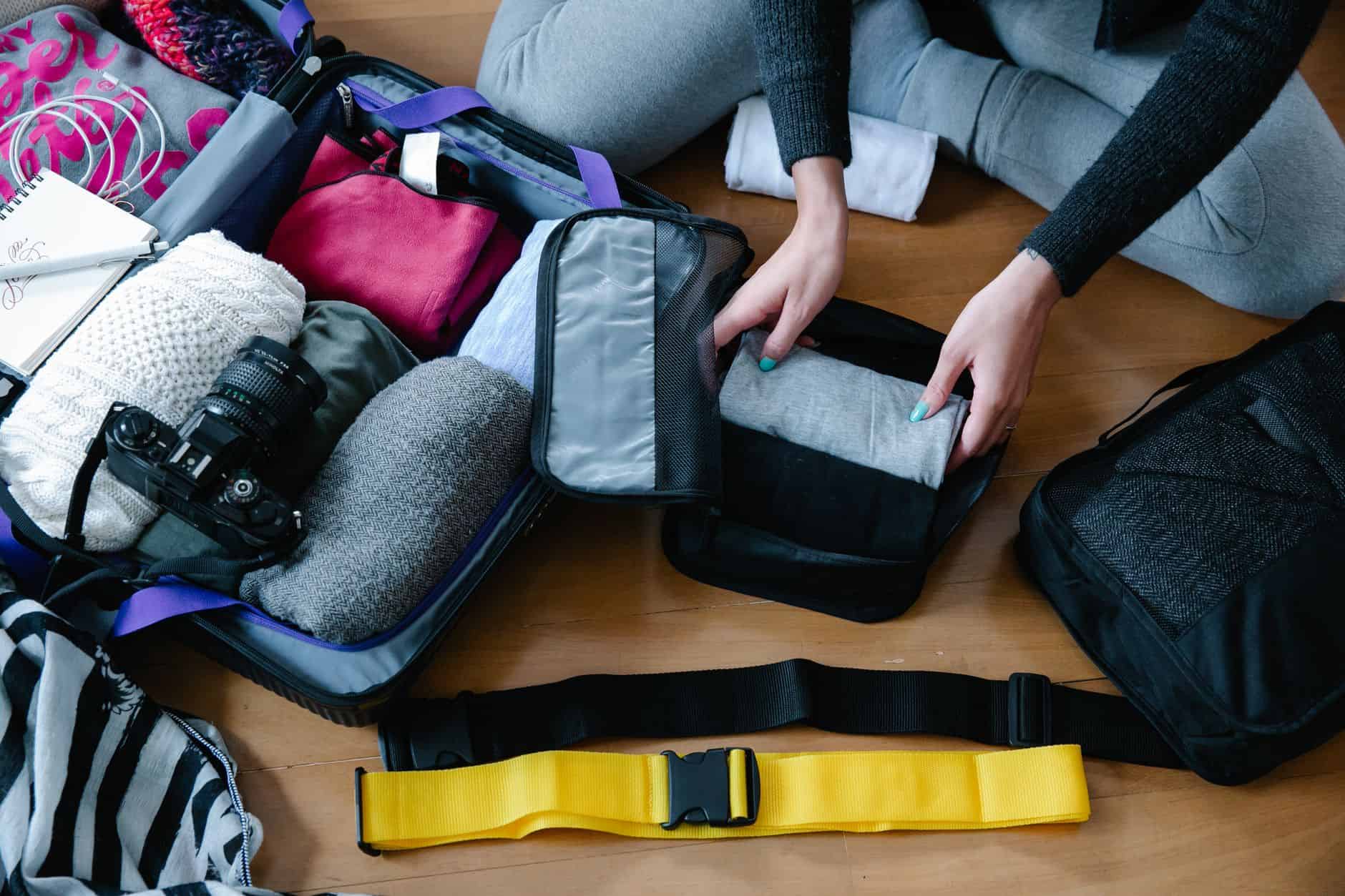
Unusually for travel gear recommendations, packing cubes have essentially universal agreement among frequent travelers: they work, they’re worth buying, and the category has a clear quality divide.
What good packing cubes do:
- Create zones in your bag that stay organized through checked-bag handling
- Make unpacking faster — you drop the whole cube in a drawer
- Enable compression (in cube sets that include compression cubes) that meaningfully reduces clothing volume
- Make it easier to find things in an overhead bin without pulling everything out
The quality divide:
- Cheap packing cubes (Amazon 6-packs under $25) have mesh tops that tear, zippers that stick, and compression mechanisms that don’t actually compress much. They work well enough for light travelers.
- Quality packing cubes — Eagle Creek Pack-It (the category originator), Calpak, and Horizn Studios — use better materials and the compression cubes actually compress. The investment is $50–$120 for a full set but they last 5–10 years.
The specific compression cube tip that experienced travelers know: pack the compression cube, zip the main zipper, then zip the compression zipper. Don’t do it in reverse. You can get 30–40% more into a carry-on this way.
Headphones: The Single Most Impactful Upgrade for Any Frequent Flyer
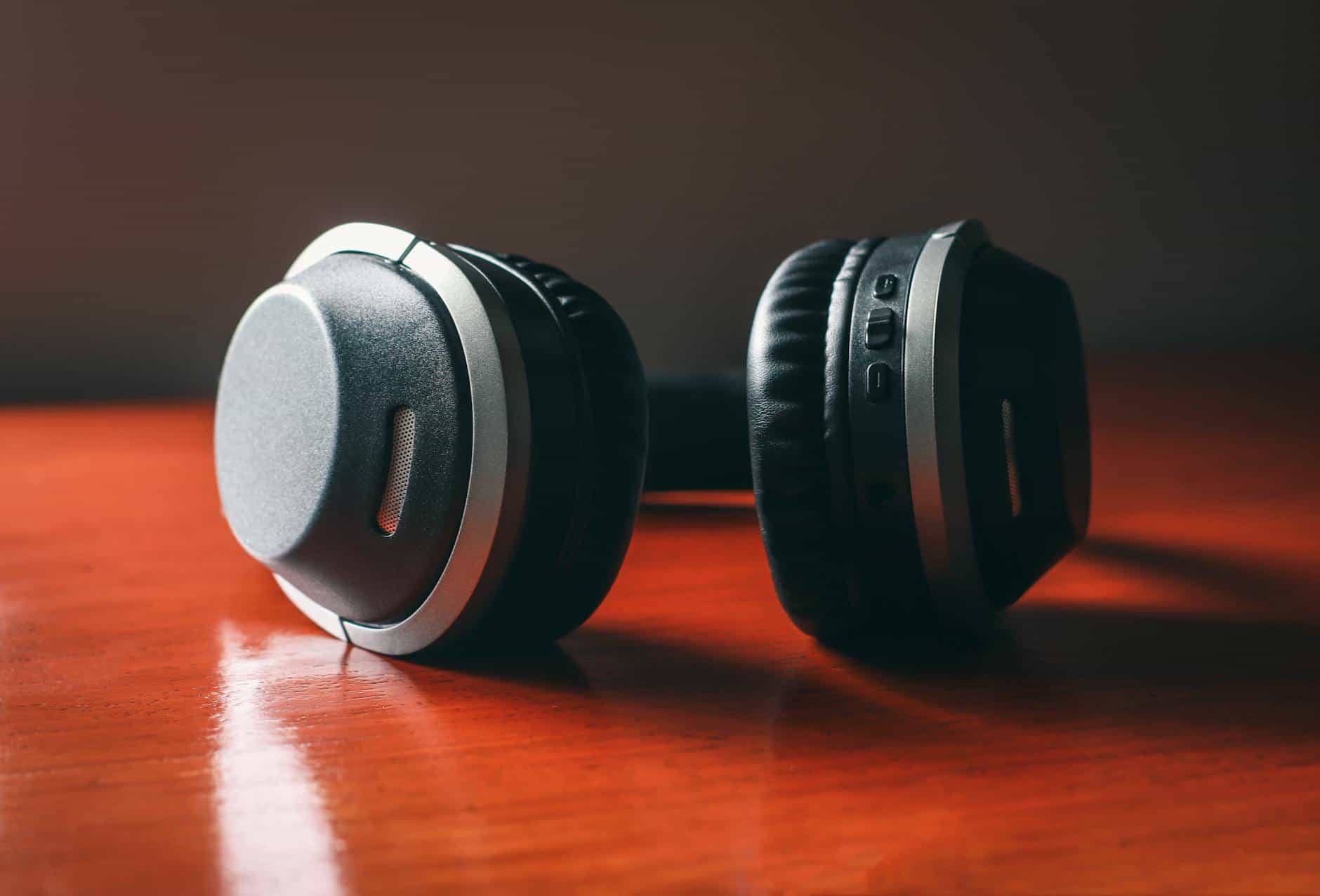
No travel gear investment has more consistent return on quality of life for frequent flyers than noise-canceling headphones. This is not a debatable point among people who fly more than 20 times per year.
The cabin noise level on a commercial flight is roughly 85 decibels — equivalent to a lawn mower, sustained for hours. Noise-canceling headphones reduce this by 20–30 dB. The difference in arrival fatigue, sleep quality, and general stress level is measurable.
The tiers:
- Sony WH-1000XM5 ($350–$400): The consistently recommended mid-premium option. Outperforms Bose in noise cancellation in many tests, more comfortable for long-haul wearing, 30-hour battery life. The “buy once” answer for most travelers.
- Bose QuietComfort Ultra ($429): The brand that defined premium noise cancellation. Slightly less raw noise cancellation than Sony at this price but generally considered more comfortable for 8+ hour wearing. Sound signature preference is subjective.
- Apple AirPods Max ($549): Best in class if you’re in the Apple ecosystem. The noise cancellation rivals the Sony and Bose leaders. The price and the non-standard Lightning (now USB-C) charging case have been perennial complaints.
- Budget option that’s actually good: Anker Soundcore Q45 ($80) is consistently recommended for infrequent travelers who want noise cancellation without the premium price. Not as good as the top tier but dramatically better than nothing.
The frequent traveler mistake with headphones: buying cheap, finding them inadequate, then buying the quality pair anyway. Start with quality.
The Neck Pillow Wasteland and the One That Actually Works

The standard U-shaped travel neck pillow has been given away at holiday gift exchanges, stuffed into seat-back pockets, and abandoned in hotel rooms more than any other travel product in history. It doesn’t work. The geometry is wrong for how people actually sleep on planes.
The reason: a U-shaped pillow supports the sides of the neck but not the back. When you fall asleep, your head drops forward or to one side, and the pillow doesn’t prevent it. You wake up with a crick in your neck from the position the pillow let you fall into.
What actually works:
- Trtl Pillow ($50): An odd-looking scarf-style pillow with an internal rigid support structure that goes on one side of your neck and holds your head at a neutral angle. Looks ridiculous. Works remarkably well for side-sleepers on planes. The most recommended neck support among frequent flyers who’ve given up on the U-shaped design.
- Cabeau Evolution Classic ($50–$60): A U-shaped pillow with a significant design difference — a front clasp that holds the two sides together under your chin and prevents forward head drop. This addresses the primary failure mode of standard U-shaped pillows.
- The Neck Hammock / inflatable pillow that clips to the seat: Various designs that attach to the headrest. These work well if your seat has a headrest that permits attachment — not always the case on narrow-body aircraft.
Carry-On Bags: What Airlines Actually Reject and What Passes
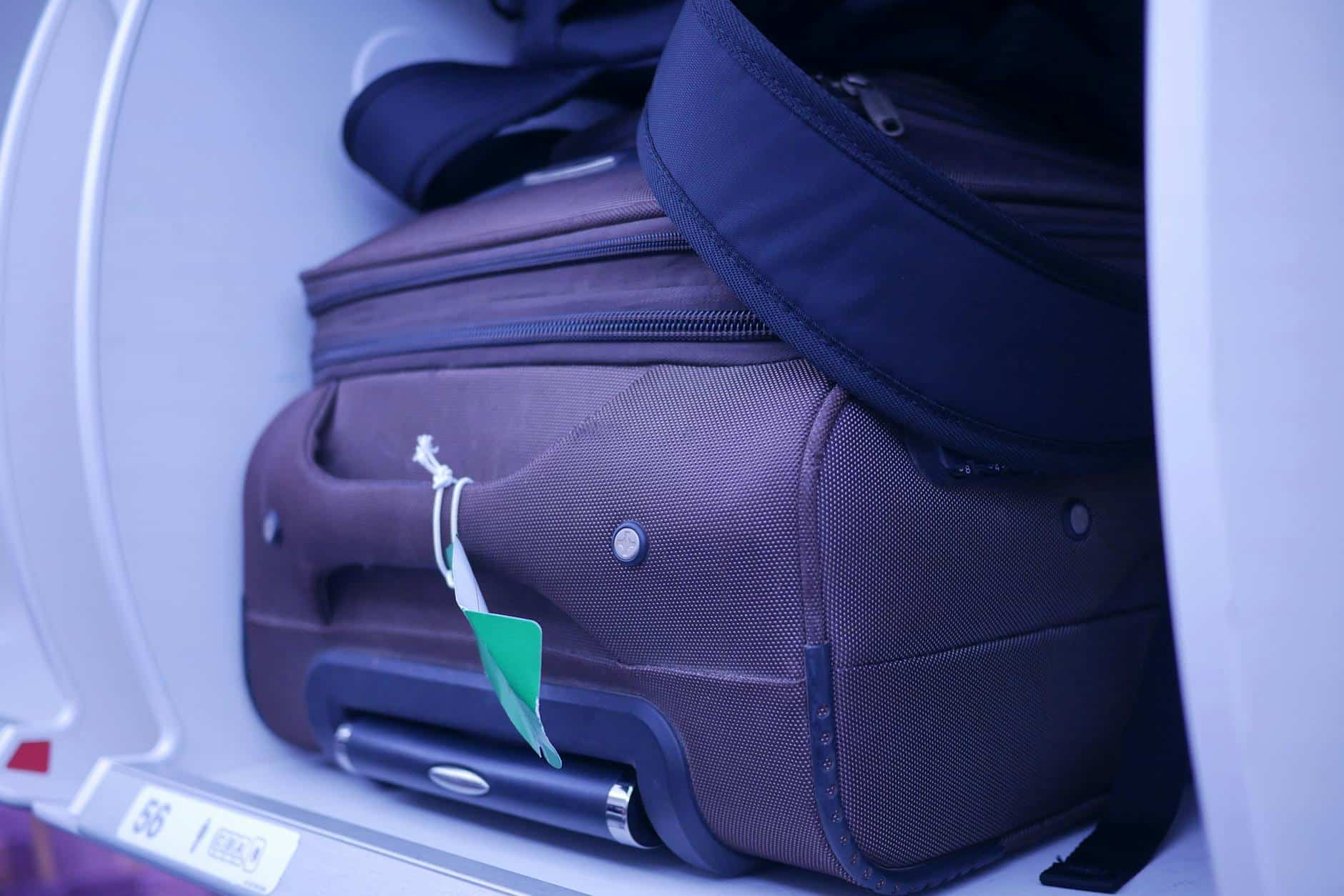
Flight attendant social media has generated anxiety about carry-on sizing that is partly warranted and partly overblown.
The facts:
- IATA-approved carry-on dimensions are 22″ x 14″ x 9″ for most US carriers. Spirit and Frontier have stricter limits. Frontier’s personal item size limit (18″ x 14″ x 8″) is enforced more strictly than most airlines.
- Soft-sided bags have a meaningful practical advantage over hard-sided bags: they compress slightly to fit in full overhead bins. A hard bag that’s exactly at the limit will be gate-checked if the bin is full. A soft bag slightly over the limit often works.
- The main thing that triggers gate-checking is visual — bags that look large. Bags with external pockets stuffed to bursting look bigger than they are. The same volume in a sleek, compressed bag often passes without comment.
Recommended carry-on bags:
- Osprey Farpoint/Fairview 40L: The travel backpack that frequent flyers almost universally end up with after trying others. Fits in overhead bins on most carriers, has a sleeping bag compartment that doubles as a laptop section, and the suspension system makes it comfortable to carry through airports. $160–$220.
- Peak Design Travel Backpack 45L: More expensive ($300) but with the most thoughtful organization system of any travel backpack — front-opening, cube-friendly, and compressible down to 35L when not fully packed. The carry photography gear attachment system is a bonus for those who need it.
- Away Carry-On: Already mentioned above in luggage. The standard 22″ hard-sided option for people who prefer wheels to a backpack.
The Tech Gear That’s Worth Paying For
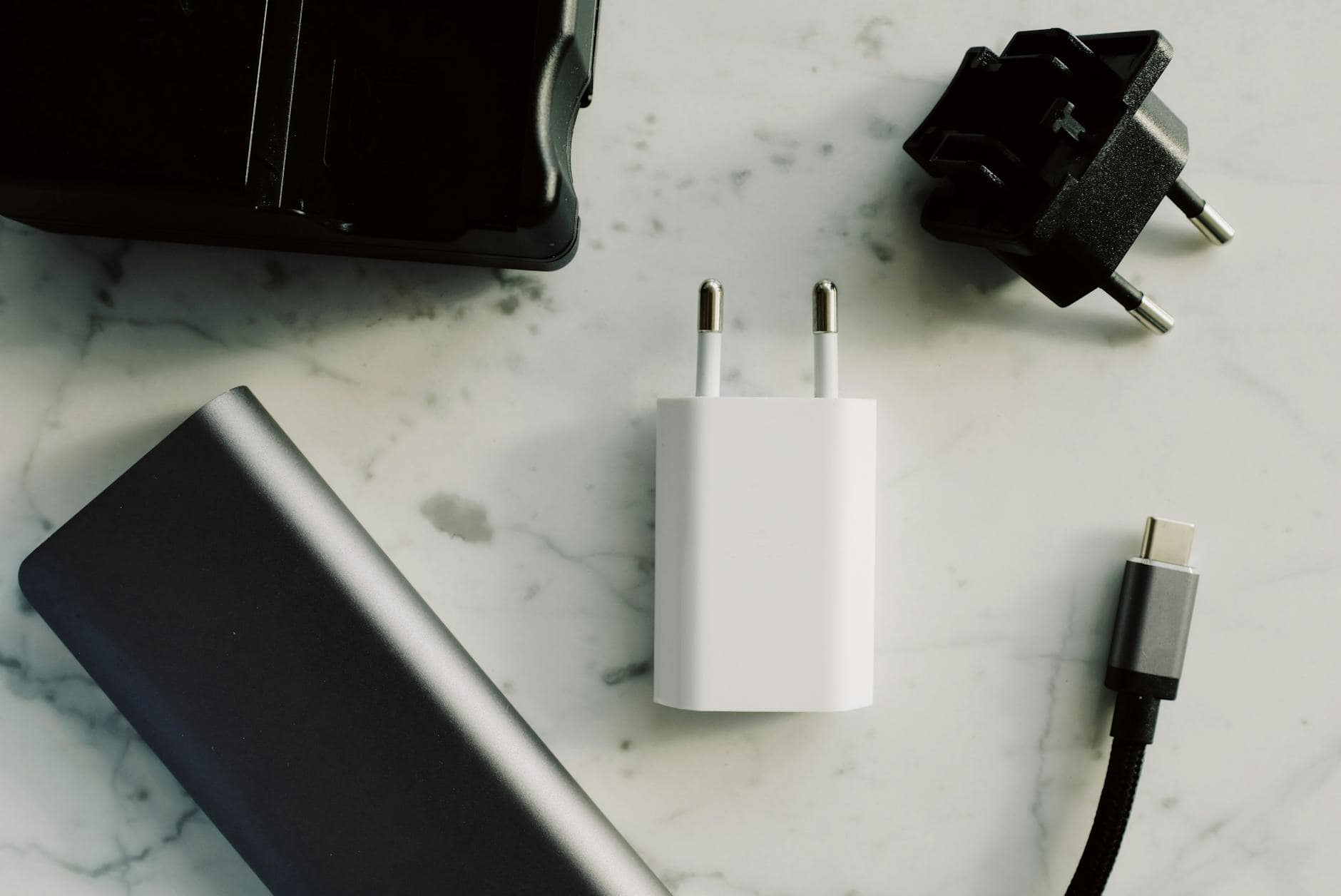
- Power adapter: The $12 Amazon power adapter has a meaningful failure rate at critical moments. The Anker PowerExtend USB-C 3 PD or any Anker multi-port USB adapter ($30–$60) has a near-zero failure rate in practice. Always buy Anker or Belkin in this category, never the generic option.
- Power bank: A 10,000 mAh power bank is enough to fully charge most phones 2–3 times. The Anker 737 or 733 power banks charge the bank itself quickly (a key feature — you need it charged when you leave), charge via USB-C passthrough, and are small enough for a front pocket.
- AirTag or Tile: After the airline baggage chaos of 2022, Apple AirTags have become essentially standard for anyone who checks bags. Put one in each checked bag. The chance of a bag being permanently lost drops to near zero when you can tell the airline within 30 minutes exactly which conveyor it got routed to.
- Portable Wi-Fi / eSIM: For international travel, a local eSIM through providers like Airalo has replaced the rental Wi-Fi puck for most frequent international travelers. Data rates: typically $5–$15 for 5–10 GB in most countries. No rental fee, no return, no dead device to carry.
The Stuff Nobody Warns You About Until It’s Too Late
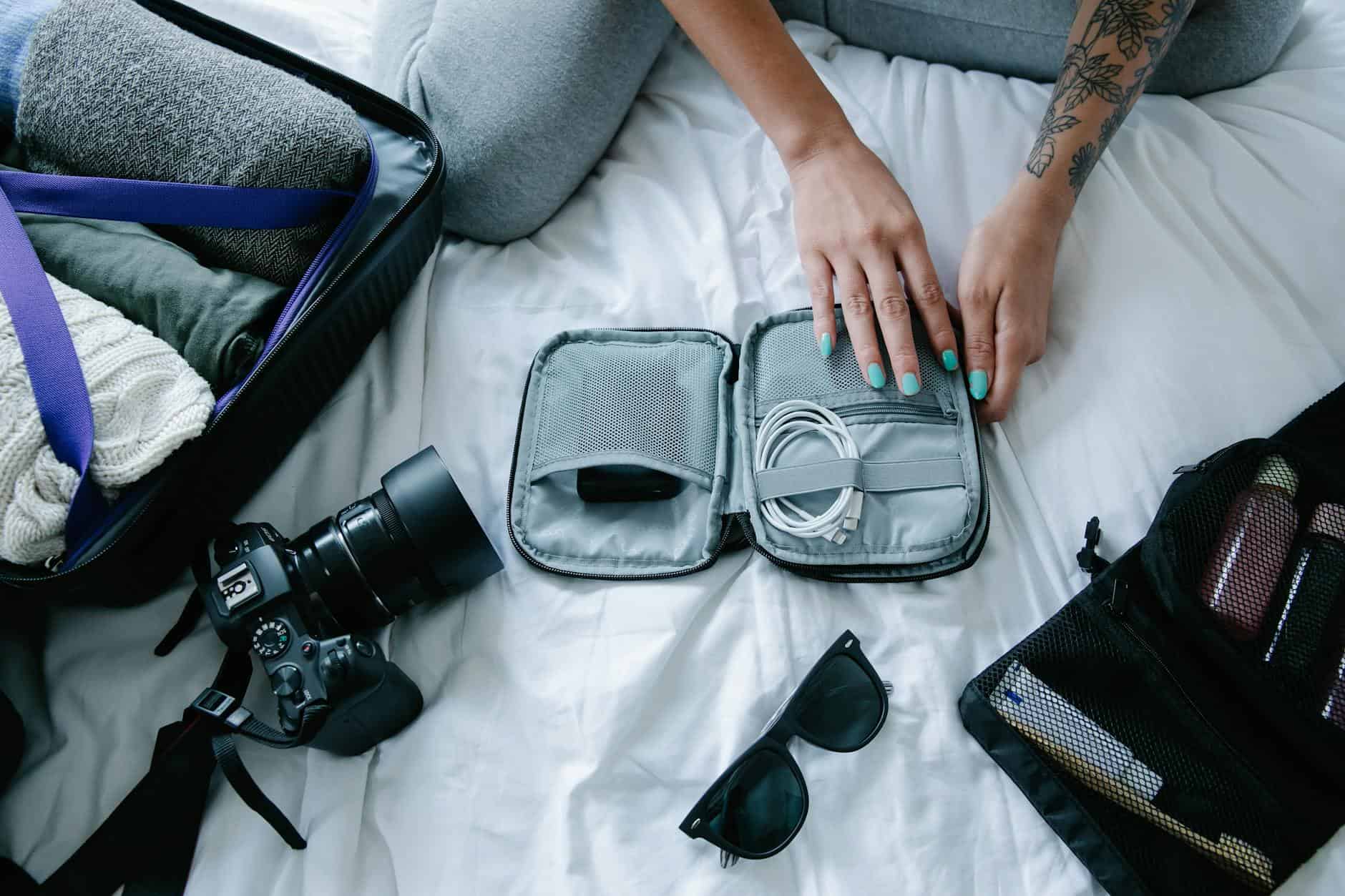
The non-obvious gear that frequent travelers all eventually acquire:
- A door lock for hotel rooms: The Addalock or similar portable door reinforcement bar costs $15–$25 and makes any hotel door significantly more secure from the inside. Frequent travelers in regions with inconsistent hotel security standards consider this non-negotiable.
- Microfiber towel: Takes up almost no room, dries in 30 minutes, and is the difference between a comfortable morning and a frustrating one when a hotel towel doesn’t get replaced or you’re at a hostel or camping.
- Compression socks: The medical research on deep vein thrombosis risk on long-haul flights is real. Compression socks for anyone flying more than 6 hours are a genuine health recommendation, not just a comfort one. Sockwell and Comrad make options that don’t look medical.
- A physical copy of important documents in a separate bag: One laminated copy of your passport, travel insurance info, and emergency contacts in a different bag than your passport. When your bag gets lost with the original documents, this is the difference between a bad travel day and a true crisis.
How to Think About Travel Gear as an Investment
The framework that most frequent travelers eventually arrive at:
- Calculate cost-per-use rather than sticker price. A $350 pair of headphones used on 40 flights per year for 5 years is $1.75 per use. The $80 option that breaks after 2 years and 60 uses is $1.33 per use — and involves the replacement friction.
- Fail fast on cheap options if you’re just starting to travel frequently. Try the $40 version of something, decide if it actually solves the problem, upgrade to the good version if it doesn’t. This beats researching exhaustively and buying the expensive version based on reviews for a need you haven’t yet experienced in practice.
- Invest first in the categories that most directly affect recovery and comfort: sleep (pillow, noise-canceling headphones), organization (luggage, packing cubes), and connectivity (power, Wi-Fi). Everything else is secondary.
- Ignore gear that solves problems you don’t actually have. If you never lose your luggage, an AirTag doesn’t add value. If you always sleep well on planes, the neck pillow investment doesn’t pay off. Personal travel patterns should drive gear decisions, not other travelers’ priorities.
The most expensive piece of travel gear you own is the gear that doesn’t work when you need it to. Buy that category right the first time.