Disney Before It Got Expensive — What People Who Grew Up With It Are Actually Mourning
We may earn money or products from the companies mentioned in this post. This means if you click on the link and purchase the item, I will receive a small commission at no extra cost to you ... you're just helping re-supply our family's travel fund.
A man who visited Walt Disney World in 1977 at age 8 recently posted a photo of his ticket stub. The price: $6.50 for an adult all-day admission. He captioned it “We didn’t know how good we had it.”
The replies — thousands of them — were a mix of nostalgia, rage about current prices, and something harder to name: a genuine grief for an experience that’s gone in ways that aren’t fully captured by the ticket price.
Adjusted for inflation, that $6.50 ticket is about $33 today. The actual Disney World admission today starts at $109 and averages over $200 when you add the now-mandatory Lightning Lane passes that replaced what used to be a free FastPass system. A family of four is looking at $800–$1,200 for a single day before hotel, meals, or parking.
The price rage is justified. But the grief is about something more complicated.
What a Day at Disney Actually Cost in the 1970s, 1980s, and 1990s

The ticket price history:
- 1971 (opening year): $3.50 for adults, $1 for children under 12. Rides purchased separately via ticket books.
- 1980: $7.25 for adults (or $8.50 for a two-day passport)
- 1985: $18 for adults (Disney had moved to an all-inclusive admission by this point)
- 1990: $28.85 for adults
- 1995: $36.95
- 2000: $48
- 2005: $59.75
- 2010: $79
- 2015: $105
- 2020–2024: Variable pricing model, $109–$189 depending on date, not including Lightning Lane passes
The shift to “date-based” pricing (peak dates cost more than off-peak dates) happened in 2018. The shift to paid Lightning Lane (replacing the free FastPass system) happened in 2021–2022 and is perhaps the most significant structural change to the Disney visitor experience in decades.
For inflation comparison: at CPI-adjusted prices, the 1971 ticket of $3.50 equals roughly $27 today. Disney’s actual price is 4–7 times the inflation-adjusted historical price. That gap represents a deliberate policy choice.
The Ticket Book System: A Feature That Was Also a Flaw
Before 1981, Disney used a ticket book system rather than all-inclusive admission. You bought a book of A through E tickets, with E tickets being the best attractions and A tickets being things like the Main Street vehicles and less popular exhibits.
The nostalgia for E tickets is real (the phrase “E ticket ride” entered the American vernacular as slang for anything exceptional). But the system was also genuinely annoying:
- Families would budget carefully and run out of E tickets before experiencing all the major rides
- Unused A and B tickets from trips in the late 1970s still surface in attic cleanouts — they were essentially wasted money
- The system created visible economic stratification: families who bought the larger book had a different experience than families who bought the smaller one
All-inclusive admission, which Disney moved to in 1981–1982, was actually a consumer-friendly change. Every modern travel blog lamenting the loss of “the ticket book era” is conveniently forgetting this part.
What’s Actually Gone That Can’t Come Back
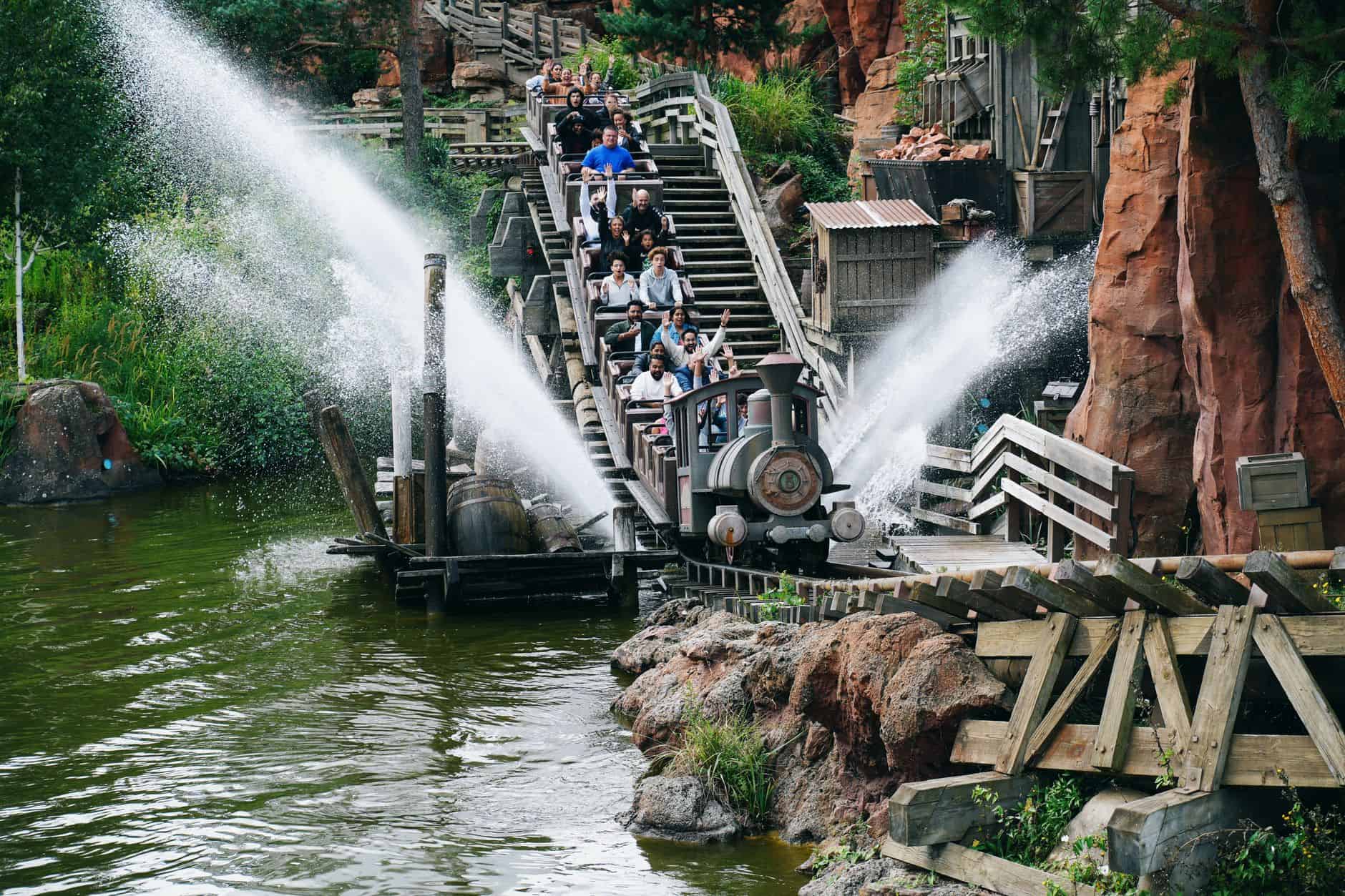
Some of the grief is for things that were genuinely removed:
- World of Motion at EPCOT — a General Motors-sponsored tour of transportation history. Replaced by Test Track in 1999. The original had a specific quality of optimism about the future that fit EPCOT’s original 1982 design philosophy. Test Track is flashier and less thoughtful.
- Horizons at EPCOT — probably the most-mourned attraction in Disney history among people who experienced it. A tour through imagined 21st-century living environments — ocean habitats, space colonies, desert farms — that closed in 1999. Nothing has replaced it with equivalent emotional resonance.
- The original Journey Into Imagination with Figment — the 1983 original featured a character arc and set design that the subsequent revisions destroyed. The 2002 and 2023 versions have never fully recovered the original’s warmth.
- 20,000 Leagues Under the Sea at Magic Kingdom — a submarine ride that closed in 1994. The specific quality of the physical submarines combined with the Florida lagoon setting was unrepeatable.
- The original Pirates of the Caribbean — specifically the 1971–1997 version before Jack Sparrow was inserted. The original attraction was darker, weirder, and had narrative sequences (the auction scene, the burning city) that were edited or softened in subsequent updates.
- The Hall of Presidents before political renovation — originally a genuinely impressive piece of animatronic technology and American historical theater. Subsequent additions of each new president have felt increasingly commercial and politically fraught.
What the ‘Disney Adults’ Are Actually Mourning (It’s Not What They Say)

The adults who grew up going to Disney in the 1970s–1990s and express the most profound grief about what it’s become are almost always mourning something that has nothing specifically to do with Disney’s product decisions.
They’re mourning the experience of being a child who experienced wonder without the adult knowledge of how it was produced. The magic of Haunted Mansion is different when you’re 8 and different when you’re 35 — and that difference is not Disney’s fault.
They’re mourning the specific texture of family vacations from childhood: the minivan, the parents who seemed larger than life, the ritual of the drive, the siblings. Disney was the setting, not the source.
They’re mourning a time when the ticket price was low enough that the trip didn’t require months of financial planning. That part is Disney’s fault. But it’s also just economics: Disney is more expensive because it can be, because demand has never materially declined despite the price increases.
The most honest statement from most Disney adults, if pressed: “I want to give my children what Disney gave me, and it costs ten times as much.” That’s the real grief. Not the loss of Horizons, though Horizons was genuinely great.
The Genuine Innovations Disney Made After the Golden Era

Nostalgia can obscure how much Disney actually improved in some dimensions:
- Ride safety — the 1970s and 1980s Disney had genuine safety incidents that have been dramatically reduced through modern systems and protocols
- Accessibility — the DAS (Disability Access Service) system, for all its current controversy over misuse, is far more thoughtful than what existed before
- Attraction ambition — Galaxy’s Edge, Pandora, and Tron Lightcycle Run represent genuinely world-class design and engineering that has no equivalent in any other theme park on Earth
- Wait time management — the original system of just queuing for everything was genuinely miserable for popular attractions. FastPass (when it was free) was an improvement. Lightning Lane (when it’s paid) is a regression to an extent, but the technology underlying it is sophisticated.
The Pricing Transformation: How $6 Became $200

The pricing strategy shift happened in stages:
- Base admission increases above inflation began in earnest in the 2000s
- The move to date-based pricing in 2018 allowed Disney to capture more revenue from peak days without reducing off-peak accessibility — in theory. In practice, “off-peak” windows have shrunk as park attendance has grown.
- The elimination of free FastPass and its replacement with paid Lightning Lane in 2021–2022 added effectively $20–$50/person/day to the cost of having a reasonable wait-time experience at popular rides
- Resort hotel pricing has similarly increased above inflation, driven by the captive audience of families who want to stay on-property for early-entry benefits
Disney’s internal yield management is now sophisticated enough that they can identify price points that maximize revenue without meaningfully reducing attendance. The price ceiling has not yet been found. When annual park attendance continues to hold above 50 million visitors despite $200/day average costs, there is no financial pressure to lower prices.
Whether the Nostalgia Is Earned
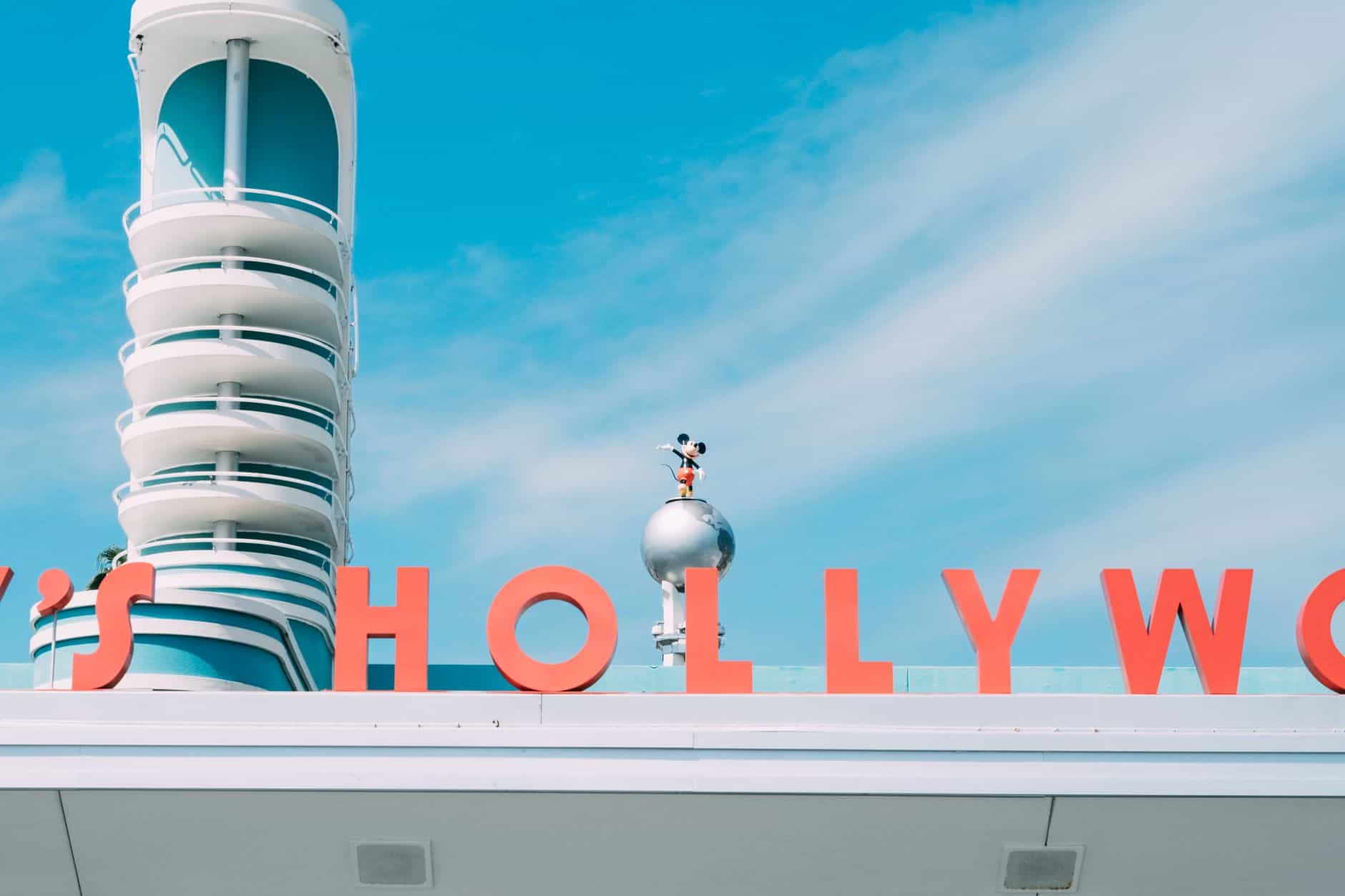
Honestly: partially.
The attractions that have been removed (Horizons, World of Motion, 20,000 Leagues) were genuinely excellent and their loss is real. The free FastPass system was better for visitors than the current paid system. The price trajectory has priced out families who could afford it twenty years ago.
But the memory of a less crowded, more magical Disney is also partly false memory. Disney World has been crowded since the 1970s. Holiday periods were always a nightmare. The Food and Wine Festival, which many people cite as a high point, began in 1996 — squarely in the “good old days” era people claim to be mourning.
The truth is somewhere in the middle: Disney was genuinely more accessible and had some genuinely better attractions in the 1980s–1990s, AND the nostalgia is partially about childhood rather than the parks.
If You Want the Old Disney Experience Without the Price
- Value-season travel — January through early February (excluding MLK weekend), mid-August through mid-September, mid-November and the week after Thanksgiving. Lower prices, much shorter wait times.
- Single-park days rather than park-hopping — park-hopping add-ons cost extra and add logistics stress. A single full day at Magic Kingdom, arrived before park open, is still achievable without Lightning Lane for most major attractions if you know the rope-drop strategy.
- Stay off-property — Good Neighbor hotels near Disney are a fraction of Disney resort prices. The early entry benefit of on-property stays is real but may not justify the 3–5x price premium.
- Universal Studios — this is heresy to some, but Wizarding World of Harry Potter and Epic Universe (opening 2025) represent genuine competition to Disney in terms of immersive experience, at currently lower price points
- Disneyland in Anaheim vs. Walt Disney World in Florida — Disneyland is smaller, more walkable, and has retained more of the 1955 original character. The original Main Street, the Matterhorn, the original Pirates of the Caribbean — these are there in California, not in Florida. Many people who specifically miss the “old Disney” are thinking of an experience more present in Anaheim than Orlando.
The grief about Disney’s pricing is legitimate. The grief about what was lost creatively is partially legitimate. The grief about a simpler time — that one is about something Disney neither created nor can restore.