Colorado Springs Is Not a Cheaper Denver. Stop Saying That to People Who Live There
We may earn money or products from the companies mentioned in this post. This means if you click on the link and purchase the item, I will receive a small commission at no extra cost to you ... you're just helping re-supply our family's travel fund.
Say “Colorado Springs” to someone who has never been and they will often translate it in their head as “the affordable Denver.” People who actually live in Colorado Springs will tell you, sometimes with visible irritation, that the comparison misses almost everything that makes the city what it is.
Yes, It Is Cheaper. That Is Not the Point.

The numbers back up the affordability claim: Colorado Springs runs a cost-of-living index around 122 against a national baseline of 100, compared to Denver’s roughly 142, according to comparative city data. Median home values sit around $449,000 in Colorado Springs versus roughly $540,000 in Denver, and median rents run about $1,648 versus $1,831. That gap is real and it matters to people relocating on a budget.
But the City Was Built Around Something Else Entirely
Colorado Springs is home to five military installations, including the U.S. Air Force Academy, Fort Carson, Peterson Space Force Base, Schriever Space Force Base, and NORAD’s operations inside Cheyenne Mountain. That military presence isn’t a footnote — it shapes the city’s economy, its politics, its population turnover, and its civic identity in ways Denver’s economy, built on finance, energy, and tech, simply does not share.
- An estimated one in five Colorado Springs jobs connects directly or indirectly to defense spending
- The Air Force Academy alone brings a rotating population of cadets and staff that Denver has no equivalent of
- NORAD’s continued presence inside Cheyenne Mountain gives the city a Cold War-era civic identity that predates most of its current tourism pitch
The Outdoor Access Argument Denver Cannot Match As Easily

Garden of the Gods, a free public park with dramatic red rock formations, sits inside city limits, not an hour’s drive away. Pikes Peak, one of Colorado’s most famous fourteeners, is close enough to summit and return from in a single day trip, including via the cog railway. Denver’s mountain access is real but requires driving west on I-70, often through serious traffic; Colorado Springs residents describe faster, less congested access to comparable alpine terrain.
The Cultural Gap Locals Actually Care About
Colorado Springs has a more conservative political lean and a stronger evangelical institutional presence — Focus on the Family is headquartered there — than Denver’s more liberal, urban identity. Longtime residents describe the two cities as culturally distinct enough that moving between them feels like a genuine adjustment, not just a change of zip code. Denver has the bigger airport, the bigger arts scene, and the bigger nightlife; Colorado Springs has a tighter, more institutionally conservative civic culture built around military service and evangelical organizations.
Why the “Cheap Denver” Framing Actually Annoys People

Framing Colorado Springs as a discount version of Denver erases a genuinely distinct identity: a city whose civic DNA runs through the Air Force Academy and NORAD, not through Denver’s brewery-and-tech-startup reputation. Residents who chose Colorado Springs specifically for its military community, its more affordable family-oriented neighborhoods, or its direct mountain access describe the comparison as reductive at best.
The affordability gap is real and worth knowing about if you’re deciding where to live. But treating Colorado Springs as Denver’s budget cousin ignores a city with its own military-driven economy, its own outdoor access story, and its own distinct cultural center of gravity — one that has nothing to do with trying to be Denver at a discount.
The Growth Pressure Building Underneath Both Identities
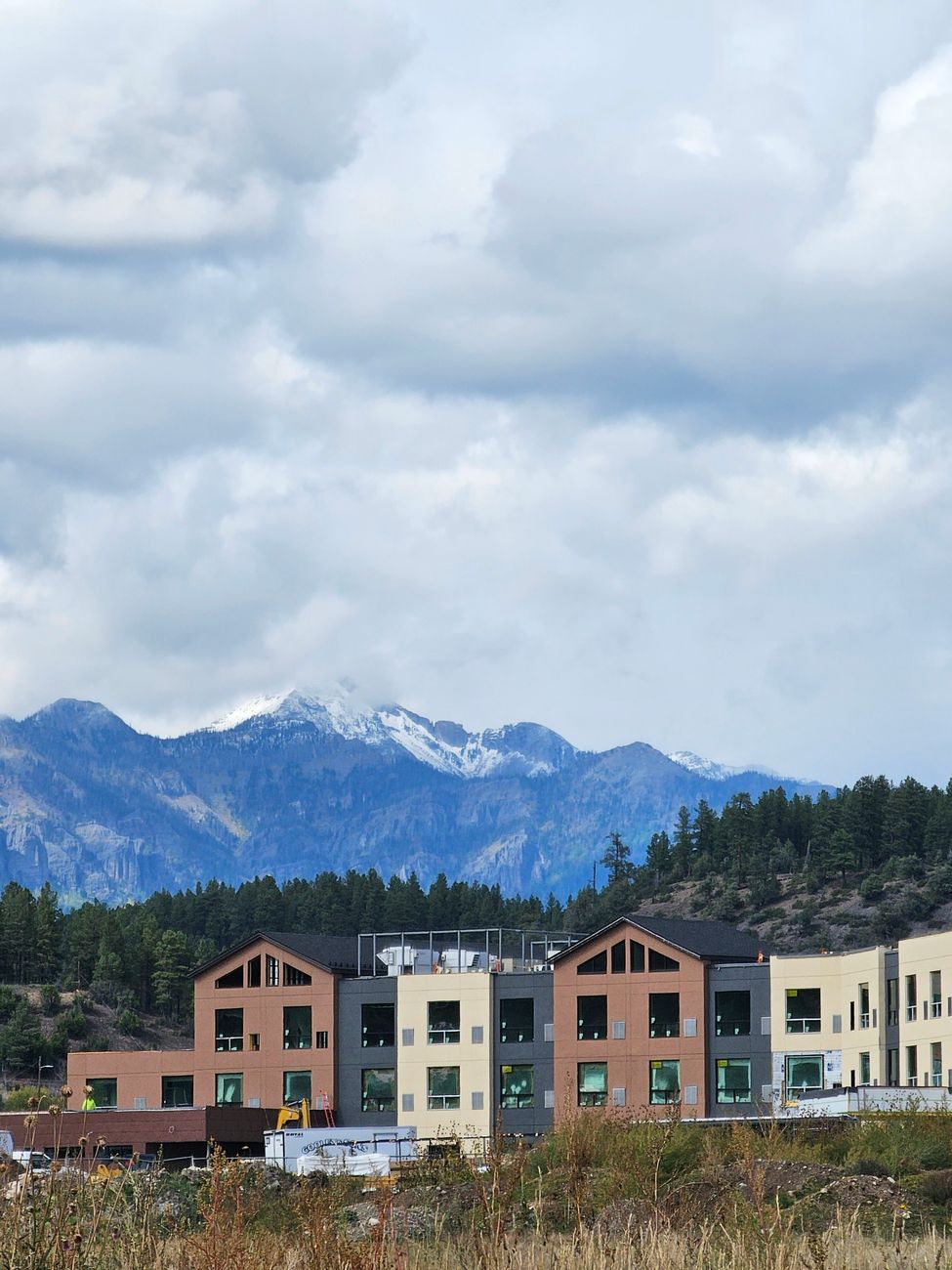
Colorado Springs has been one of the fastest-growing metro areas in Colorado over the past decade, drawing both military-adjacent contractors and remote workers priced out of Denver’s more expensive market. That growth is starting to erode some of the affordability gap that has defined the city’s pitch for years — new subdivisions on the city’s north and east sides have pushed prices up faster than wages in the same window.
Local planners have voiced concern that Colorado Springs risks repeating a version of Denver’s own affordability trajectory from a decade earlier, just on a lag. Water rights and supply, always a serious constraint for Front Range growth, add another limiting factor that could cap how much further the city can expand without significant infrastructure investment.
For now, the gap holds, and it is wide enough that people relocating for cost reasons will likely keep choosing Colorado Springs over Denver for the next several years. But residents who moved there specifically for affordability are watching the same growth pressures that transformed Denver play out in a smaller, earlier-stage version in their own backyard, and many aren’t confident the gap will still look this wide a decade from now.
Residents on both sides of the Colorado Springs–Denver comparison tend to agree on one thing: the two cities work better as complements than as competitors, each drawing a different kind of resident for a different set of reasons, and neither one is actually trying to be a version of the other.