Duluth Didn’t Change Much for 50 Years. Then Minneapolis Remote Workers Discovered It Was a 3-Hour Drive Away
We may earn money or products from the companies mentioned in this post. This means if you click on the link and purchase the item, I will receive a small commission at no extra cost to you ... you're just helping re-supply our family's travel fund.
Duluth, Minnesota’s population hovered around 85,000 to 90,000 residents for most of the past half-century, a remarkably stable if unspectacular trajectory for a former iron ore shipping and steel town that lost much of its historic industrial base decades ago, until pandemic-era remote work arrangements sent a new wave of buyers from the Minneapolis-St. Paul metro area, roughly two and a half hours south, searching for more affordable homes with access to Lake Superior.
What Made Duluth Suddenly Attractive
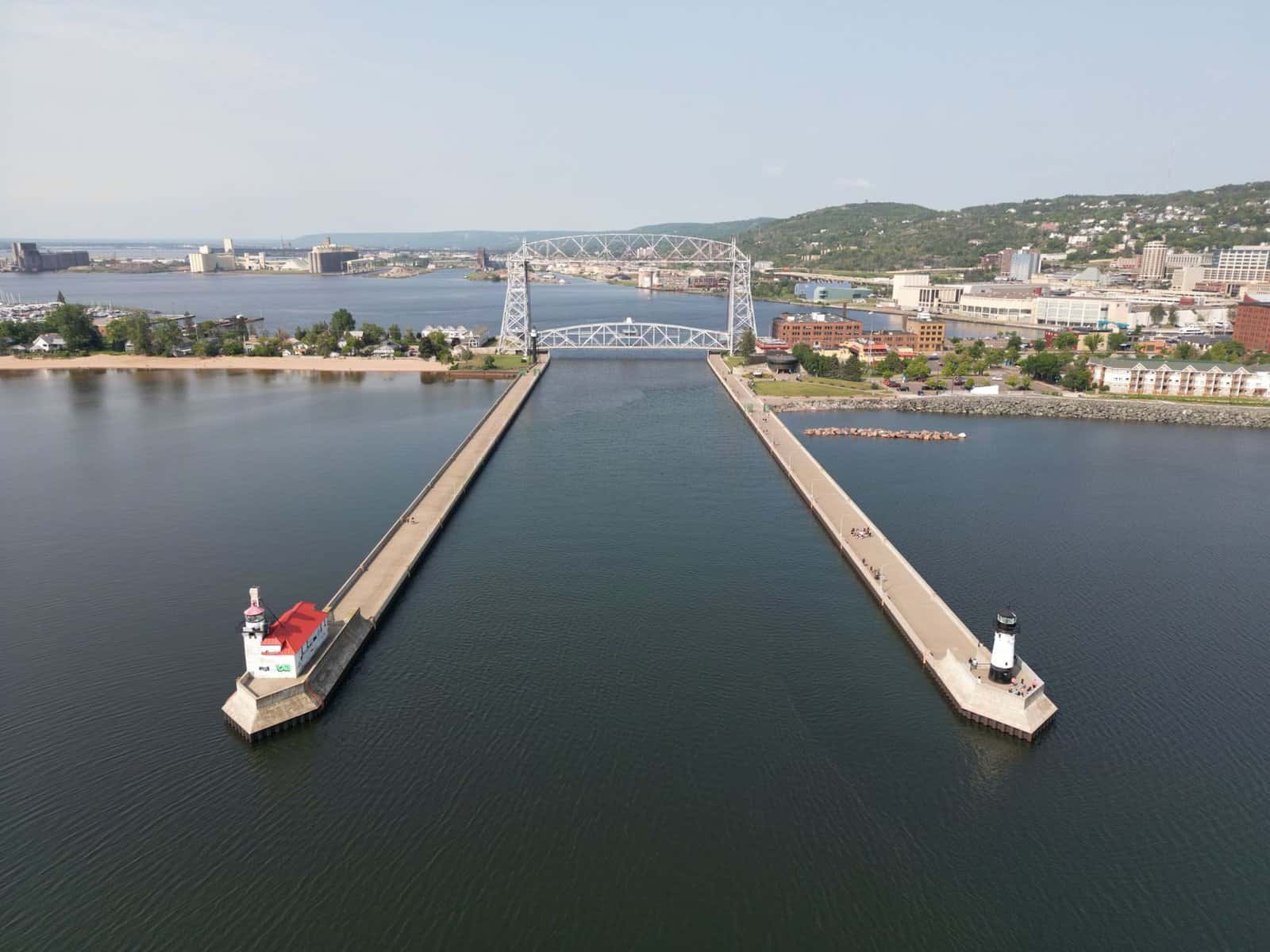
Duluth’s housing prices, historically well below the Twin Cities metro average, offered exactly the kind of arbitrage opportunity that drove similar remote-work migration patterns to smaller cities nationally during 2020 and 2021: a Minneapolis-area remote worker could sell a modest home in the metro and purchase a considerably larger property in Duluth, often with dramatic Lake Superior views unavailable at any price point in the landlocked Twin Cities, while remaining close enough to visit family and maintain some connection to their previous social and professional networks.
Local real estate agents reported measurable upticks in out-of-town buyer interest beginning in 2020, and Duluth’s median home price climbed substantially over the following several years, a pattern consistent with dozens of similarly positioned smaller cities near major metro areas nationally that experienced comparable pandemic-era remote-work-driven price appreciation.
The Existing Economy Remote Workers Moved Into
- The Duluth-Superior Harbor remains one of the busiest ports on the Great Lakes, handling substantial iron ore, coal, and grain shipping tonnage that continues to anchor a meaningful share of the regional economy
- Essentia Health and St. Luke’s Hospital, the region’s dominant healthcare employers, provide the kind of stable professional employment base that has helped Duluth avoid the more severe population decline experienced by other former industrial Great Lakes cities
- University of Minnesota Duluth adds a substantial student population and associated economic activity to what would otherwise be a considerably smaller regional economy
- Duluth’s tourism economy, built around Lake Superior recreation, the Aerial Lift Bridge, and the Lakewalk waterfront trail, has grown steadily for decades independent of the recent remote-work migration wave
This pre-existing economic diversity, spanning shipping, healthcare, education, and tourism, gave Duluth a considerably more resilient foundation to absorb new remote-work-driven demand than smaller, more single-industry-dependent towns experiencing similar migration patterns elsewhere in the country during the same period.
The Housing Pressure This Created for Existing Residents
Longtime Duluth residents and local housing advocates have voiced increasing concern about affordability as home prices climbed faster than local wages, a familiar pattern in nearly every smaller city that experienced significant pandemic-era remote-work migration, from Bozeman to Bend to Chattanooga. Duluth’s city government has explored zoning reforms to allow more housing density and has discussed accessory dwelling unit policy changes specifically in response to the affordability pressure, following a policy playbook similar to what other rapidly appreciating small cities have attempted with varying degrees of success.
Rental availability tightened considerably during the same period, and social service organizations serving lower-income Duluth residents reported increased strain finding affordable placements for clients, a less visible but very real consequence of the same market dynamics that generated positive real estate headlines for sellers and encouraged optimism about the city’s economic trajectory among civic boosters.
Whether the Migration Wave Will Last
Return-to-office mandates from major Twin Cities employers beginning in 2022 and continuing in subsequent years have introduced genuine uncertainty about whether Duluth’s remote-work-driven population and price growth will prove durable or partially reverse as some remote workers face pressure to relocate closer to their employer’s physical office again. Local economists and real estate analysts have generally suggested that even a partial reversal wouldn’t fully undo Duluth’s gains, since the city’s fundamental appeal, Lake Superior access at a relative discount to comparable lakefront property nationally, predates and will likely outlast the specific pandemic-era remote work conditions that first drew widespread attention to it. Duluth’s civic leadership has also pointed to the city’s growing reputation as an outdoor recreation destination, including a substantial mountain biking trail network built on the hillside above downtown, as a durable draw independent of any specific remote-work trend, suggesting the city’s broader appeal extends beyond the narrow pandemic-era arbitrage opportunity that first accelerated its most recent population and price growth. Whether that broader appeal proves sufficient to sustain continued growth once the initial remote-work wave fully plays out remains an open question local economic development officials are actively tracking. Duluth’s cold, long winters remain a genuine deterrent for some prospective transplants weighing a move against warmer, more temperate small-city alternatives, a climate reality that likely limits how much of the broader national remote-work migration trend Duluth can ultimately capture compared to competing small cities in the Sun Belt or Mountain West offering milder year-round weather alongside their own relative affordability advantages. Duluth has nonetheless leaned into its winter identity rather than downplaying it, promoting cross-country skiing, ice fishing, and its own winter festival programming as genuine attractions for a specific type of transplant who actively wants a genuine four-season climate rather than viewing Minnesota winters purely as an obstacle to overcome. Spirit Mountain, Duluth’s local ski hill, and an extensive groomed cross-country ski trail network give winter-enthusiast transplants genuine recreational infrastructure to match the marketing, distinguishing Duluth’s winter tourism pitch from cities that promote winter activities without comparable actual infrastructure to support them. The John Beargrease Sled Dog Marathon, held each winter along the North Shore of Lake Superior near Duluth, has also become a modest but genuine winter tourism draw, further reinforcing the city’s specific positioning around embracing rather than merely tolerating its long, snowy winter season. Duluth’s overall trajectory, from a stable but unremarkable Rust Belt-adjacent shipping town to a genuine target for lifestyle-driven relocation, mirrors similar transitions playing out in a handful of other affordable, scenic small cities near major Midwestern metro areas, though few offer quite the same combination of a working harbor, a major freshwater lake, and a research university that Duluth has managed to sustain simultaneously. That combination remains Duluth’s core, durable advantage regardless of how any single migration wave ultimately plays out.