Paducah Paid Artists to Rebuild a Flood-Damaged Neighborhood—20 Years Later, It Became the City’s Main Tourist Draw
We may earn money or products from the companies mentioned in this post. This means if you click on the link and purchase the item, I will receive a small commission at no extra cost to you ... you're just helping re-supply our family's travel fund.
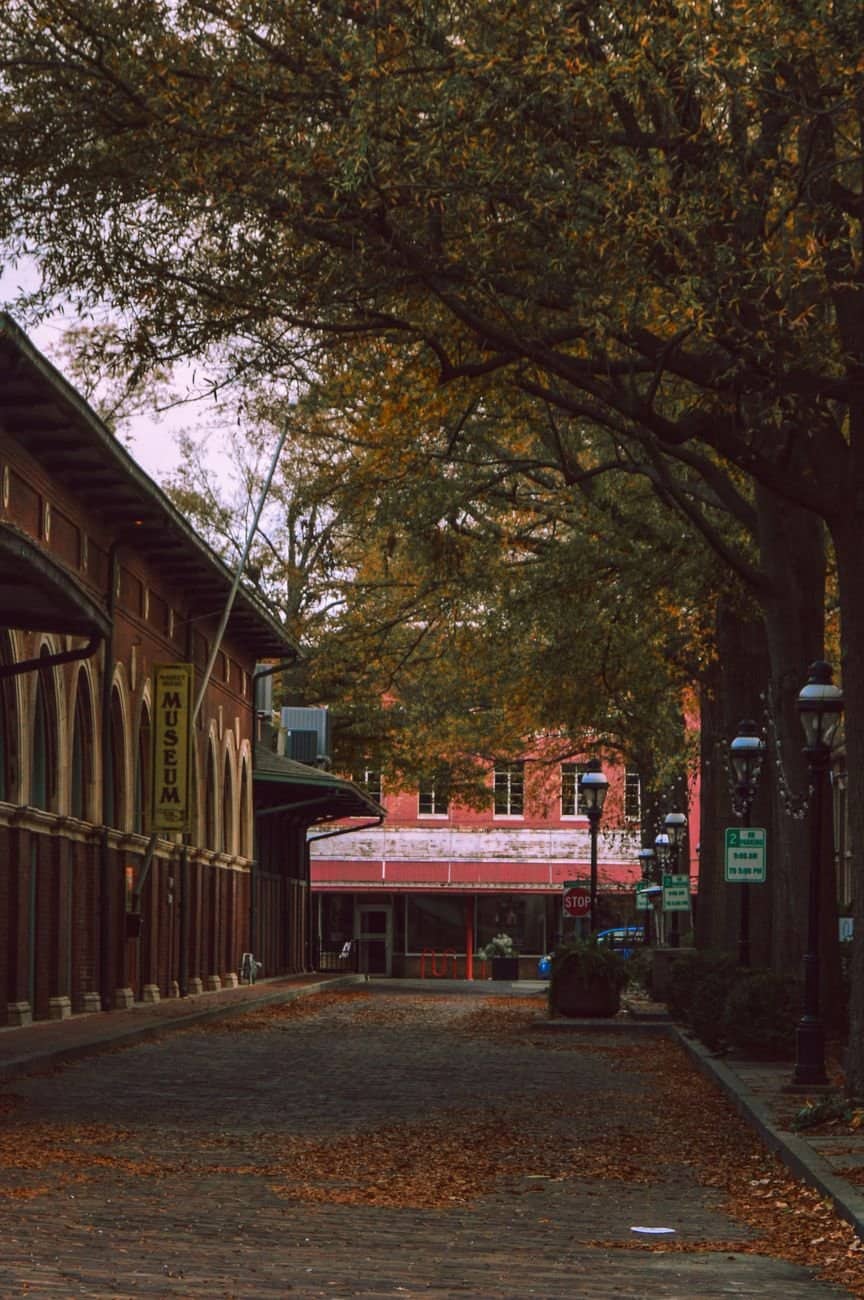
Paducah, Kentucky’s Lowertown neighborhood, a historic riverfront district that suffered chronic flooding and decades of disinvestment through the late 20th century, became the subject of an unusual civic experiment beginning in 2000, when the city launched the Lowertown Artist Relocation Program, offering below-market properties and financial incentives specifically to attract working artists willing to renovate and live in the neighborhood’s deteriorating historic housing stock.
How the Artist Relocation Program Actually Worked
The program, one of the first and most successful municipal artist-relocation initiatives in the country, offered participating artists property at reduced cost along with loans and design assistance specifically tied to historic renovation requirements, an approach designed to simultaneously solve two civic problems at once: filling a neighborhood full of vacant, deteriorating historic buildings, and building a cultural and creative economy in a city whose traditional manufacturing and river-trade economic base had been shrinking for decades.
More than 70 artists relocated to Lowertown through the program over its active years, renovating dozens of historic homes and establishing studios, galleries, and small creative businesses that transformed the neighborhood’s visual character within roughly a decade, a pace of visible transformation unusually fast for a municipally organized rather than purely market-driven redevelopment effort.
What Lowertown Looks Like Today
- The National Quilt Museum, one of the largest textile-focused museums in the world, anchors Paducah’s broader identity as a UNESCO Creative City designated specifically for its crafts and folk art heritage
- AQS QuiltWeek, an annual quilting convention, draws thousands of visitors to Paducah each spring, generating substantial hotel and retail revenue for a city of just under 27,000 residents
- Lowertown’s art walk events and gallery openings have become a recurring draw for both regional day-trippers and destination visitors specifically seeking out the neighborhood’s arts district reputation
- Flood wall murals along the Ohio River waterfront, depicting the city’s history, have become one of Paducah’s most photographed public art installations
Paducah’s UNESCO Creative City designation, awarded in 2013, made it one of the first American cities to receive this specific international recognition, a credential the city has since used prominently in tourism marketing to distinguish itself from other small Midwestern and Southern river towns competing for the same regional day-trip and weekend tourist market.
The Flood Problem That Started It All
Paducah’s location at the confluence of the Ohio and Tennessee Rivers has made it historically vulnerable to serious flooding, including a catastrophic 1937 flood that displayed nearly the entire city, and the construction of a floodwall in subsequent decades protected the city from future flood disasters but also cut Lowertown and the broader downtown off visually and physically from the waterfront that had originally defined the neighborhood’s character and economy, contributing to the long decline that eventually made the area affordable enough for the artist relocation program to work in the first place.
The floodwall murals, added later specifically to reconnect the community with its river identity despite the physical barrier the wall represents, have become an unplanned but genuinely successful secondary tourism draw layered on top of the arts district itself, giving visitors both the historic art colony experience and a distinct public art attraction within the same compact downtown walking area.
What Other Struggling Small Cities Have Learned From Paducah
Paducah’s Lowertown model has been studied and partially replicated by other small and mid-sized American cities facing similar historic downtown disinvestment, though few have matched its specific combination of below-market property incentives, design assistance, and sustained civic commitment over multiple decades. Urban planning researchers point to Paducah as a rare example of a deliberately planned, government-initiated arts district that avoided some of the rapid-gentrification displacement problems seen in more market-driven arts district transformations elsewhere, partly because the neighborhood’s property values started so low and its population so sparse that the artist influx represented genuine reinvestment rather than displacement of an existing low-income community at any significant scale. Paducah’s broader downtown, beyond Lowertown specifically, has also benefited from spillover investment tied to the arts district’s success, with additional restaurants, boutique hotels, and small businesses opening along Broadway and other downtown streets specifically to capture visitor traffic first drawn to the city by Lowertown’s reputation and the annual quilting convention’s substantial visitor volume. Paducah’s population has remained essentially stable over the past two decades even as many comparably sized Kentucky towns lost residents, a demographic stability local officials directly credit to the combined draw of the arts district and quilting tourism keeping the local economy healthier than it would otherwise have been given the broader regional manufacturing decline affecting much of western Kentucky. Local schools and civic organizations have also benefited from the steadier population base, since consistent enrollment and community participation tend to erode more slowly in cities that manage to attract even modest, steady population inflows rather than experiencing the compounding, self-reinforcing decline that hits communities losing residents year after year without any offsetting draw. Regional economic development officials in western Kentucky have specifically cited Paducah’s Lowertown program as evidence that even small, deliberate civic investments can meaningfully alter a city’s long-term demographic trajectory when sustained consistently over enough years, a lesson several nearby river towns facing similar historic downtown decline have since tried to apply with varying degrees of success and funding commitment behind their own more recent, smaller-scale efforts. Few, however, have replicated Paducah’s specific combination of scale, patience, and sustained funding closely enough to produce comparably dramatic results within a similar timeframe. Paducah itself continues to describe the program as an ongoing civic experiment rather than a finished success story, still adjusting incentive structures and property offerings as the neighborhood’s remaining renovation opportunities gradually shrink toward completion. City officials expect that gradual wind-down to continue over the coming decade as Lowertown approaches full occupancy.
What Paducah’s twenty-year experiment ultimately demonstrates is that deliberate, sustained civic investment in a specific creative economic strategy can produce genuine, durable tourism and cultural identity transformation for a small city, even one with no obvious natural or historic tourism advantage beyond a flood-damaged historic district that most cities would have simply continued neglecting or eventually demolished.