Why Pay Ski-Season Prices? A Summer Week in the Colorado Rockies Costs a Fraction—and the Mountains Are Still There
We may earn money or products from the companies mentioned in this post. This means if you click on the link and purchase the item, I will receive a small commission at no extra cost to you ... you're just helping re-supply our family's travel fund.
Colorado’s high-country mountain towns, including Aspen, Vail, Breckenridge, and Telluride, see lodging rates drop by 40% to 60% or more between peak winter ski season and the summer months, even though the underlying scenery, hiking access, and mountain town character that draw visitors remain essentially identical, meaning summer represents one of the more dramatic seasonal value gaps in American domestic travel.
The Actual Price Difference, Town by Town
A hotel room in Aspen that might run $800 to $1,200 a night during peak ski season frequently drops to $250 to $400 for the same room in July or August, according to seasonal rate patterns tracked by regional tourism boards and travel booking platforms, a discount driven almost entirely by ski season’s uniquely concentrated demand rather than any change in the underlying property or location. Vail and Breckenridge show similarly dramatic seasonal swings, with summer rates commonly running less than half of comparable winter peak pricing for the same accommodations.
Telluride, one of the more remote and expensive Colorado ski towns during winter, becomes considerably more accessible in summer both in terms of lodging cost and its packed summer festival calendar, including a well-known bluegrass festival each June that draws visitors specifically for summer programming independent of any winter ski reputation.
What a Week Actually Costs in Summer
- Mid-range lodging across most Colorado mountain towns runs $150 to $300 per night in summer versus $400 to $1,000-plus during peak ski weeks
- Hiking, one of the primary summer draws, is free at the vast majority of trailheads, unlike ski season’s mandatory lift ticket costs that often exceed $200 per day at major resorts
- Many mountain towns run free or low-cost summer concert and festival series specifically to fill the shoulder-season gap between winter ski crowds and the smaller but growing summer visitor base
- Restaurant and retail pricing generally stays consistent year-round, meaning the lodging and activity savings represent the bulk of summer’s overall cost advantage rather than uniformly cheaper prices across every category
This price gap exists because ski season demand concentrates overwhelmingly around a finite number of usable powder days and holiday periods, giving resorts pricing power that summer’s more diffuse, less time-pressured hiking and scenery-focused demand simply doesn’t generate to the same degree.
What Summer Visitors Get That Winter Visitors Don’t
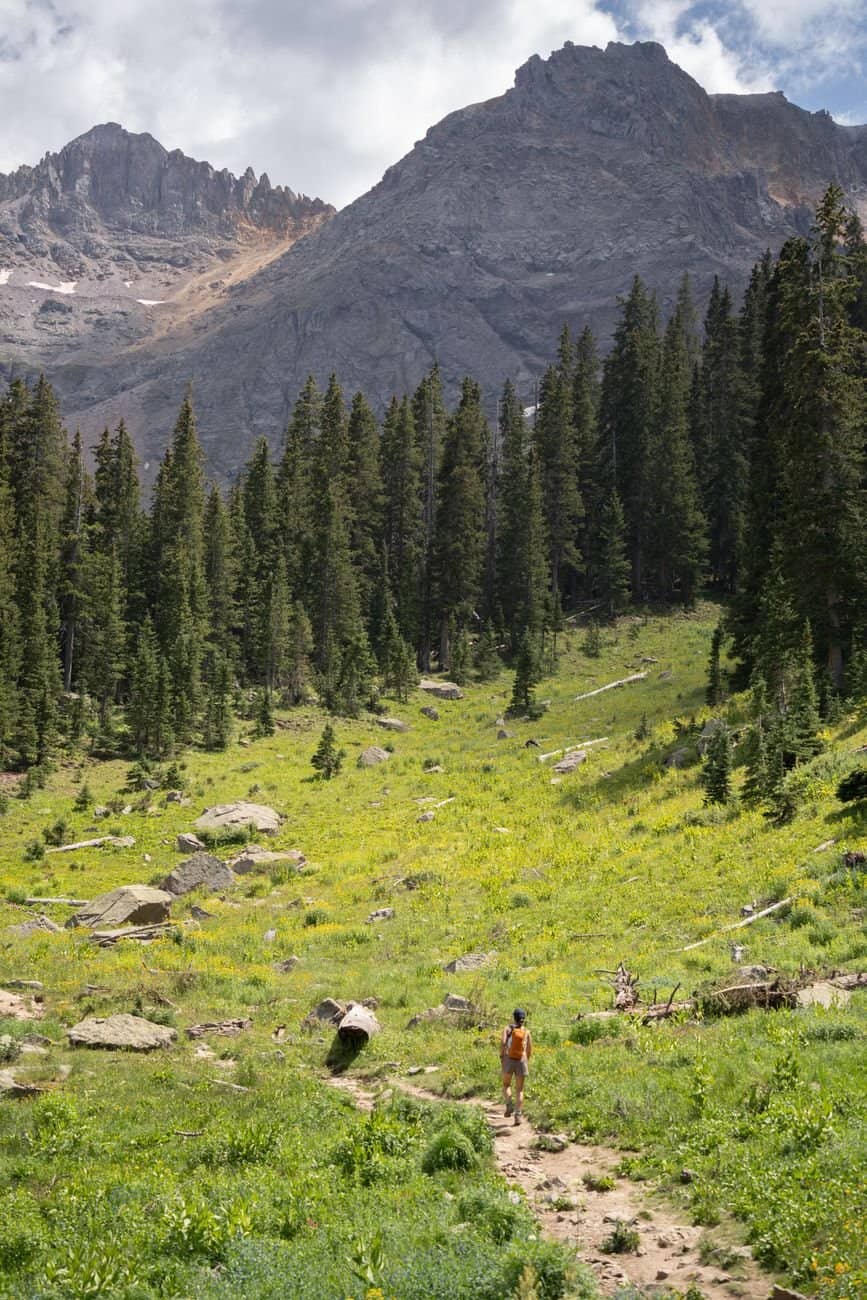
Colorado’s high country transforms dramatically between seasons, with wildflower blooms typically peaking in July across alpine meadows that spend winter buried under snow, and hiking access to terrain above 12,000 feet that remains completely inaccessible to casual visitors during ski season becomes realistically reachable by anyone in reasonable physical condition during summer months. Maroon Bells near Aspen, among the most photographed mountain scenes in America, is only accessible via the specific access road during roughly half the year, making summer the only realistic window for many visitors to see the formation up close rather than from a winter distance.
Wildlife viewing opportunities also expand considerably in summer, with elk, moose, and bighorn sheep more visible and active across accessible terrain than during winter months when most wildlife retreats to lower elevations or becomes considerably harder to spot against snow-covered terrain.
The Trade-Offs Worth Knowing About
Summer in the high country isn’t without its own crowding pressures, particularly at the most famous and photogenic trailheads and overlooks, which have seen parking and access management measures introduced in recent years specifically to handle growing summer visitor volume, including timed-entry and shuttle systems at spots like Maroon Bells that didn’t exist a decade ago. Afternoon thunderstorms are also a near-daily occurrence at elevation during summer months, meaning hikers heading toward exposed alpine terrain need to plan for early starts and be off high ridgelines well before typical early-to-mid-afternoon storm buildup, a real safety consideration distinct from anything winter visitors need to plan around.
What this seasonal price and experience gap ultimately demonstrates is that Colorado’s mountain scenery, the actual product most visitors are paying for regardless of season, doesn’t disappear or diminish between ski season and summer, meaning travelers willing to trade snow sports for hiking and wildflowers can access largely the same dramatic landscape for a fraction of winter’s cost. Colorado’s mountain towns have increasingly recognized and marketed this summer value proposition directly, expanding summer festival programming, mountain biking infrastructure, and scenic gondola operations specifically to build a stronger, less seasonally lopsided visitor economy than the historic winter-dominant model that left many resort town businesses struggling through slow shoulder seasons each spring and fall. This deliberate diversification has made Colorado’s high country one of the more successful examples nationally of a ski-dependent regional economy building a genuinely substantial secondary tourism season rather than simply enduring the off-season as a necessary but unprofitable gap between winter cycles. Local employers in Colorado’s mountain towns have also used the more balanced seasonal demand to offer more stable, year-round employment to hospitality and service workers who previously faced a boom-and-bust seasonal employment cycle tied almost entirely to winter ski season, a workforce stability improvement that has become part of how these towns market themselves to prospective service industry employees competing against similarly priced but more seasonally volatile resort destinations elsewhere. Mountain biking specifically has grown into one of the most significant summer economic drivers across Colorado’s resort towns, with several major ski resorts converting their lift infrastructure to summer bike park operations, generating meaningful lift ticket and rental revenue during months when the same lifts would otherwise sit idle waiting for the next snow season. Fly fishing along Colorado’s numerous gold-medal trout streams has similarly grown into a substantial summer tourism draw independent of the ski industry entirely, giving mountain towns yet another revenue stream that operates on an entirely different seasonal calendar than winter skiing. Whitewater rafting on rivers like the Arkansas and Colorado adds still another distinct summer tourism segment, drawing a different visitor demographic than hikers or mountain bikers and further diversifying the mountain towns’ overall summer visitor base beyond any single activity category. Taken together, hiking, mountain biking, fishing, and rafting have given Colorado’s high country a summer tourism portfolio nearly as varied as its winter skiing and snowboarding offering, a diversification achieved deliberately over roughly two decades of sustained local investment in non-ski recreational infrastructure.