You’ve Probably Eaten Hot Sauce Made in New Iberia, Louisiana—But Most People Miss the Town Behind the Bottle
We may earn money or products from the companies mentioned in this post. This means if you click on the link and purchase the item, I will receive a small commission at no extra cost to you ... you're just helping re-supply our family's travel fund.
New Iberia, Louisiana, a small city of roughly 28,000 people in the heart of Cajun country, has been home to the McIlhenny family’s Tabasco brand and its factory on nearby Avery Island since 1868, making it the source of one of the most recognized hot sauce brands in the world, yet the overwhelming majority of Tabasco’s global consumers have no idea the product originates from this specific stretch of Louisiana bayou country rather than some more generically imagined tropical location suggested by the brand’s name.
How a Family Business Built an Entire Regional Identity
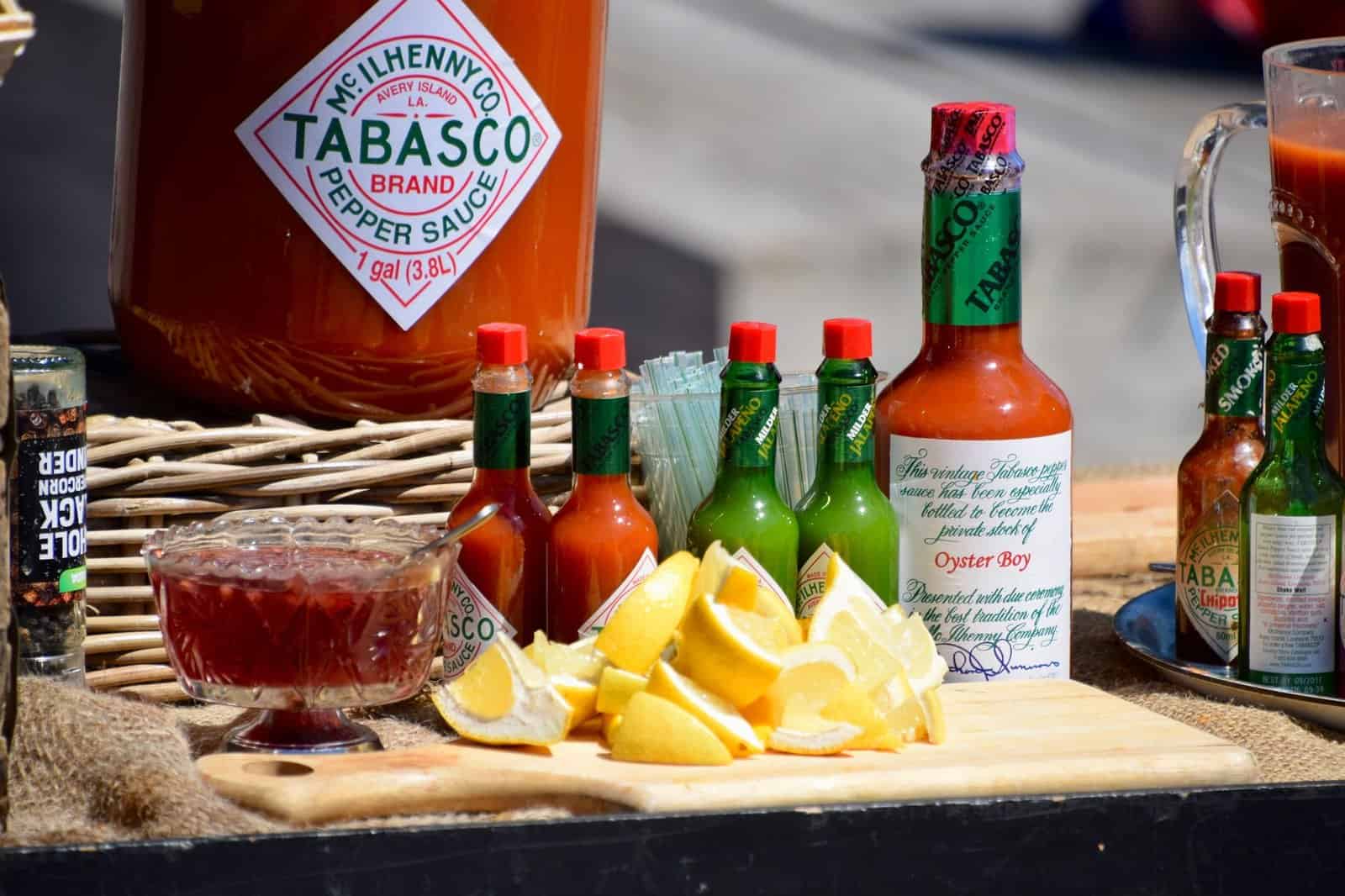
Avery Island, technically a salt dome rather than a true island, has housed the McIlhenny Company’s Tabasco pepper growing operations and factory continuously since Edmund McIlhenny first developed the sauce recipe in the years following the Civil War, and the site remains family-owned and operated by descendants seven generations later, an unusually long run of continuous family ownership for a globally recognized consumer brand of Tabasco’s scale and market presence.
The factory and adjoining Jungle Gardens, a bird sanctuary and botanical garden the McIlhenny family developed on the same property, together draw a steady stream of visitors to the New Iberia area specifically for Tabasco-related tourism, giving the region a genuine, if modest relative to the brand’s global fame, tourism economy built around factory tours, a company store, and the surrounding pepper fields and bird sanctuary.
What Else New Iberia Actually Offers
- Shadows-on-the-Teche, a preserved antebellum plantation home along Bayou Teche, offers one of the region’s most complete windows into 19th-century Louisiana plantation life and its complicated, difficult history
- New Iberia sits at the heart of Louisiana’s Cajun cultural region, with a food, music, and language tradition distinct from the Creole culture more associated with New Orleans, roughly two hours east
- Konriko Company Store, operating since 1912, represents one of the oldest continuously operating rice mills in the United States, another example of the region’s deep agricultural processing heritage
- The city’s downtown historic district along Main Street reflects a distinctly South Louisiana architectural character shaped by French, Spanish, and Acadian settlement patterns predating American statehood
This concentration of long-running, family-owned agricultural and food processing businesses, Tabasco and Konriko among them, reflects a broader pattern across Acadiana, as the Cajun region of Louisiana is regionally known, where food production businesses have often stayed in the same family for multiple generations rather than being acquired by larger national or international conglomerates the way most comparable American food brands eventually were.
Why the Brand-Town Connection Rarely Registers
Tabasco’s marketing has historically emphasized the sauce’s fiery character and versatility far more than its specific geographic origin, a branding choice that has proven commercially effective globally but has left most consumers with essentially no mental association between the product and New Iberia or Avery Island specifically, unlike geographically branded products such as Tennessee whiskey or Vidalia onions that build their identity explicitly around a named place. This disconnect means New Iberia receives a small fraction of the tourism attention that a comparably globally famous product’s hometown might generate if the marketing had leaned into geographic identity the way many other iconic American food brands eventually have.
Local tourism officials have periodically discussed ways to strengthen the connection between the Tabasco brand’s global recognition and actual visitation to New Iberia and the broader Iberia Parish region, recognizing that the gap between brand fame and destination fame represents a genuine, largely unrealized tourism opportunity that other similarly positioned small towns with famous local products have sometimes captured more successfully through more deliberate place-based marketing.
What New Iberia’s Situation Says About Brand Geography
New Iberia’s experience illustrates a broader pattern in American consumer branding: a product can achieve massive, sustained global recognition while its actual place of origin remains almost entirely invisible to the consumers who buy it regularly, a disconnect that happens most often with products whose branding emphasizes flavor, character, or a evocative but geographically vague name over an explicit place-based identity. Whether that disconnect represents a missed tourism opportunity or simply reflects a rational business decision that place-based marketing wouldn’t have meaningfully increased sales depends heavily on factors specific to each brand’s history and target market that are difficult to generalize from one product to another. Local tourism officials in Iberia Parish have pointed to the region’s broader Cajun culture, food, and music as ultimately more promising tourism draws than the Tabasco connection alone, since visitors motivated by an interest in authentic Cajun cultural experience tend to spend more time and money across the region than those making a narrower single-stop factory tour visit, suggesting the most effective long-term tourism strategy for New Iberia may involve positioning Tabasco as one attraction within a broader regional cultural tourism identity rather than as the primary draw on its own. Louisiana’s broader Cajun and Creole culinary tourism identity, anchored more prominently by New Orleans and Lafayette, has generally overshadowed New Iberia’s specific contributions, even though the smaller city’s food processing heritage, spanning Tabasco, rice milling, and sugar cane processing, represents one of the most concentrated and historically significant agricultural food economies anywhere in the American South. Sugar cane processing in particular has deep roots in the New Iberia area dating back to the early 19th century, predating even the Tabasco company’s founding, and several working sugar mills in the surrounding parish continue operating seasonally, giving the region a food production history considerably older and more layered than its modern hot sauce fame alone would suggest to most outside visitors. Crawfish farming and processing add yet another layer to the region’s agricultural food economy, with the surrounding parishes producing a substantial share of the crawfish consumed at Louisiana’s famous boils, an industry that, like sugar and rice, receives far less national attention than the single globally famous hot sauce brand headquartered nearby. Local festivals celebrating these various food traditions, including sugar cane and rice-focused community events, draw regional visitors throughout the year independent of the Tabasco factory tour circuit, giving New Iberia a genuine, if lower-profile, food tourism calendar beyond its single most famous product.