Guidebooks Used to Be the Only Way to Not Get Lost. Now They’re the Slowest Way to Find Anything
We may earn money or products from the companies mentioned in this post. This means if you click on the link and purchase the item, I will receive a small commission at no extra cost to you ... you're just helping re-supply our family's travel fund.
A printed guidebook is written months before publication, printed in a batch, and sold for one to three years before the next edition — which means a restaurant recommendation could easily be describing a business that closed eighteen months earlier, or a neighborhood characterization that’s already outdated by the time a reader boards their flight. That lag, once an accepted cost of travel research, is now the exact thing that made guidebooks obsolete once phones offered a real-time alternative.
What actually replaced them, piece by piece
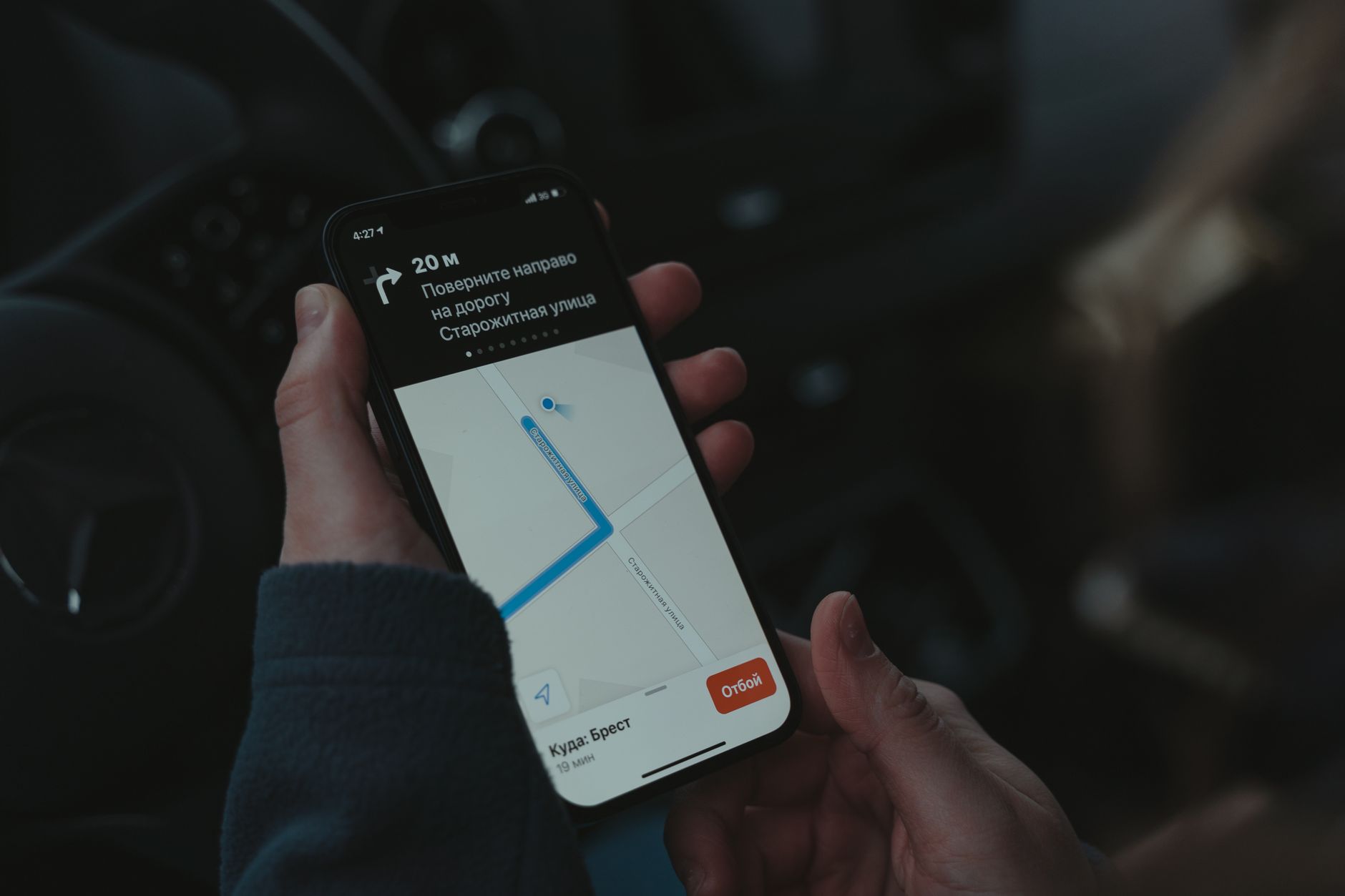
Google Maps and Apple Maps absorbed the core navigational function almost entirely, along with real-time business hours, current reviews, and photos taken within the last week rather than the last few years. Review aggregation sites and apps absorbed the restaurant and hotel recommendation function, with the crucial advantage of volume — a guidebook author visited a city once and wrote an opinion; a review platform aggregates thousands of recent visits. Short-form video content on platforms built around short clips absorbed the inspiration and “what does this actually look like” function that used to rely on a guidebook’s photo inserts, which were typically a handful of professionally shot images meant to represent an entire destination.
What’s left for guidebooks is a narrower function: historical and cultural context, curated multi-day itineraries, and a sense of editorial judgment about what actually matters in a place versus what’s just currently trending. Some publishers have leaned into exactly that lane rather than competing on real-time information they structurally cannot win.
What got lost in the transition
Guidebooks, for all their staleness, forced a kind of pre-trip immersion that scattered digital research doesn’t replicate as easily. Reading forty pages about a city’s history and layout before arriving created a mental map that a series of individual Google searches and saved TikToks doesn’t build the same way. There’s also a curation problem on the other side: review platforms are gameable through fake reviews and paid promotion in ways a printed guidebook, for all its flaws, mostly wasn’t, and short-form travel content optimizes for the most visually dramatic version of a place rather than the most useful one for an actual visitor.
What actually works now, in practice
- Maps apps for real-time navigation and current hours, essentially unbeatable
- Review platforms filtered by recency rather than overall rating, since a 4.8-star rating from 2019 tells you less than a handful of reviews from last month
- Local subreddits and city-specific forums, which tend to have less commercial incentive to oversell a place
- A single pre-trip history read, whether digital or an actual book, to build the context guidebooks used to provide
Why this is mostly a win despite the nostalgia
The specific publishers who saw this coming and adapted
Several long-running guidebook publishers responded to the shift by narrowing their focus rather than trying to compete on real-time information they couldn’t win. Some doubled down on deeply researched cultural and historical content, essentially becoming travel writing rather than travel utility. Others pivoted toward digital-first formats with more frequent updates than a print run ever allowed, chasing some of the real-time advantage that apps had claimed. A few shifted almost entirely toward specialized niches — hiking guides, culinary deep-dives, offbeat regional histories — betting correctly that generic city overviews were the part of their business apps had permanently taken.
The secondhand guidebook market tells its own story about the shift — older editions from a decade or more ago now sell for pennies at used bookstores, not because they’ve become collectible but because their practical value collapsed the moment the information inside went stale in a way that’s no longer correctable by the reader in real time. Meanwhile, first editions of certain classic travel writing — genuinely literary work rather than pure logistics — have held or even gained value, reinforcing the idea that guidebooks split cleanly into two categories once digital tools took over the utility function: disposable reference material and durable writing.
One underappreciated casualty of the shift is serendipity. Guidebooks, by forcing readers through a curated, linear sequence of recommendations, occasionally pushed travelers toward experiences they wouldn’t have searched for directly. Algorithm-driven discovery tends to reinforce existing preferences rather than introduce genuine surprises, since recommendation engines are built to predict what a user will like based on past behavior, not to broaden it. Some travelers have responded by deliberately reintroducing randomness — picking a restaurant with no reviews at all, or choosing a walking route with no destination — specifically to recover the kind of unplanned discovery that dominant digital tools have gradually engineered out of modern travel.
Language learning apps and real-time translation tools have gradually absorbed another function guidebooks used to serve — the phrasebook section in the back that nobody ever actually used efficiently mid-conversation. A phone camera pointed at a menu now produces an instant translation, a task that used to require flipping through printed vocabulary lists under restaurant lighting, hoping the right word was even included.
It’s easy to romanticize dog-eared guidebooks and underestimate how often they sent travelers to closed restaurants or outdated neighborhoods, particularly in fast-changing cities. The real-time information ecosystem that replaced them is genuinely more accurate on the specific, practical questions — is this place open, is this street safe at night, is this the current price — even if it’s worse at the broader cultural framing that made older guidebooks feel like companions rather than tools. Most travelers today are effectively assembling their own custom guidebook out of five or six digital sources, which is more work upfront but harder to get badly wrong.