50 States, 50 Weird Laws — The Ones That Still Apply to Tourists (And Can Actually Get You in Trouble)
We may earn money or products from the companies mentioned in this post. This means if you click on the link and purchase the item, I will receive a small commission at no extra cost to you ... you're just helping re-supply our family's travel fund.
My cousin was technically breaking the law in Georgia when he ate a fried chicken sandwich with a fork. I’m not saying he got arrested. I’m saying the law exists, it’s on the books in Gainesville, Georgia, and it has been cited — once, as a publicity stunt, but cited nonetheless.
That’s the thing about America’s patchwork of state and local laws: most of them sound like urban legends, but a surprising number are real, technically enforceable, and occasionally come with actual consequences for tourists who stumble into them without knowing.
We dug through state statutes, municipal codes, and every travel law database we could find to bring you the highlights — focused specifically on the ones that apply to visitors, not just residents.
Why These Laws Still Exist

Most of these laws date from an era when the original problem they were solving was completely legitimate — or at least logical at the time. Sunday blue laws came from religious observance requirements. Animal-related statutes often came from agriculture protection. Noise and public behavior laws came from 19th-century ideas about public order.
They stick around for a few reasons:
- Legislative inertiaRepealing a law requires someone to notice it, care enough to draft a repeal bill, get it on the agenda, and get it passed. For laws that are never enforced and don’t affect anyone, that motivation rarely materializes.
- Local controlMany weird laws are municipal, not state-level. A small town council in Alabama doesn’t exactly have “review 200-year-old ordinances” at the top of its agenda.
- They occasionally ARE enforcedTypically as add-on charges during an unrelated incident, or when a local officer decides to make a point. For tourists, this usually manifests as an unexpected fine rather than an arrest.
The South: Bless Your Heart, But Read This First

- Alabama: No bear wrestlingPromoting, engaging in, or being a spectator at bear wrestling matches is illegal. If you’re visiting a roadside attraction that seems to be setting up some kind of bear-vs-human encounter, this is why it was shut down before you got there.
- Georgia: Fried chicken is a fork-free zoneIn Gainesville, Georgia — the “Poultry Capital of the World” — an ordinance specifies that fried chicken must be eaten with the hands. A tourist was once “prosecuted” under this law as a promotional event, which means it is technically active.
- Florida: No selling childrenFlorida statute explicitly prohibits the sale or barter of minors. This is one of those laws that is very funny to list as “weird” and very serious in its origins, given Florida’s history of human trafficking legislation.
- Louisiana: No gargling in publicIn New Orleans, an ordinance prohibits public gargling. Given what Bourbon Street looks like at 2 AM, enforcement is selective at minimum.
- Mississippi: No profanity in front of two or more peopleMississippi has a broad public profanity statute. It’s rarely enforced against tourists, but technically drops a small fine if you’re letting expletives fly in mixed public company.
- Tennessee: No sharing your Netflix passwordTennessee was the first state to make password-sharing for streaming services a criminal offense, passed in 2011. The law applies to services “with the intent to commercially defraud” — but its scope is genuinely broader than most states.
- Texas: No selling your eyeIt is illegal in Texas to sell your own eyeball. This one is real. There are presumably other states where it is also inadvisable, but Texas was specific enough to write it down.
The Northeast: History Meets Baffling Regulation

- Massachusetts: No dancing after midnight (in some towns)Blue laws restricting dancing and entertainment after midnight still exist in pockets of Massachusetts. Boston famously repealed its ban on Sunday dancing in 1983. Some smaller towns haven’t gotten there yet.
- New York: No flirtingA New York City statute from the early 1900s makes it technically illegal to “annoy” another person by flirting with them in public. The penalty, in its original form, was a $25 fine. Almost never enforced, but technically on the books.
- New Jersey: No frowning at policeIn Raritan, New Jersey, an ordinance makes it illegal to frown at a police officer. This is the kind of law that makes you question the priorities of the 1880s Raritan town council.
- Pennsylvania: No tying a dollar bill to a stringIt is illegal in Pennsylvania to catch a person by tying currency to a string and yanking it away — the prank, not the string, is the issue. Filed under: laws that are more specific than you’d expect.
- Connecticut: No pickles that don’t bounceIn Connecticut, a pickle is only legally a pickle if it bounces when dropped. This was established in 1948 after two men were fined for selling inedible pickles. It remains one of the more entertaining pieces of food law in American history.
- Maine: No Christmas decorations after January 14In Maine, it is technically illegal to leave Christmas decorations up past January 14. Enforcement is essentially nonexistent. But if your neighbor in a Maine Airbnb starts giving you looks at your tinsel in late January, now you know why.
The Midwest: Wholesome Chaos
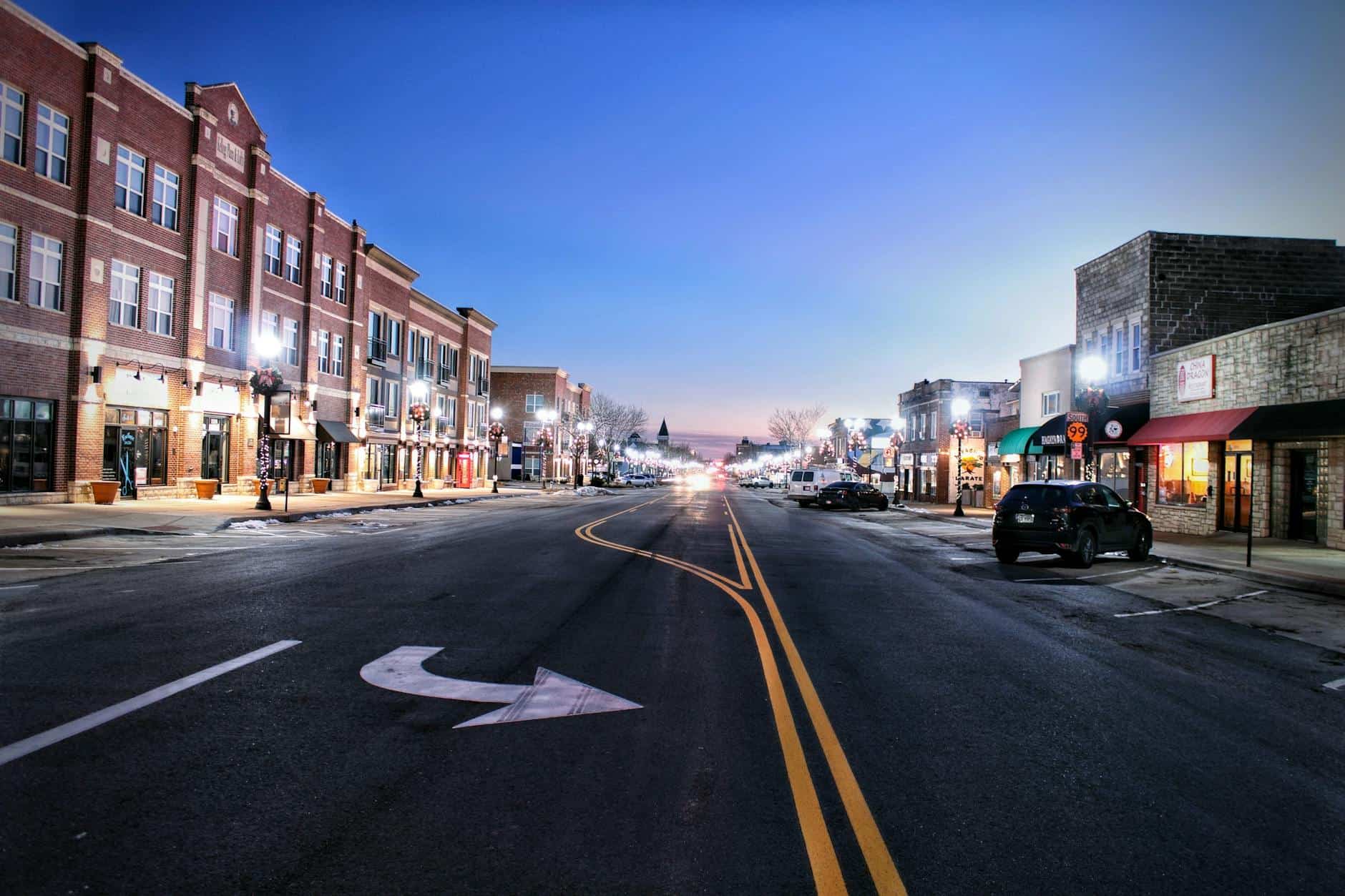
- Illinois: No fishing in pajamasIn Chicago, it is illegal to fish while wearing pajamas. This appears to date from an era when the city was trying to regulate riverside loitering, which somehow resulted in a pajama-specific carve-out.
- Ohio: No getting a fish drunkIn Ohio, it is illegal to get a fish intoxicated. The backstory on this one has been lost to history, which is somehow worse.
- Minnesota: No crossing state lines with a duck on your headThis is technically a real ordinance. Its original purpose seems to have been related to poultry transport regulation, but the modern reading is exactly as absurd as it sounds.
- Kansas: No serving wine in teacupsIn Natoma, Kansas, there is a law against serving wine in teacups. Presumably this addresses a very specific 1890s loophole situation that nobody remembers anymore.
- Michigan: No serenading your girlfriendIt is technically illegal in Michigan to serenade your girlfriend without a government permit. This has never been enforced against a tourist. It remains an excellent threat to hold over a friend who is considering a public proposal.
- Wisconsin: No serving apple pie without cheeseWisconsin once had an ordinance requiring restaurants to serve apple pie with cheese. The state takes its dairy seriously. Enforcement has lapsed, but the spirit of the law lives on at every good diner in the state.
The West: Wide Open Spaces, Surprisingly Specific Rules
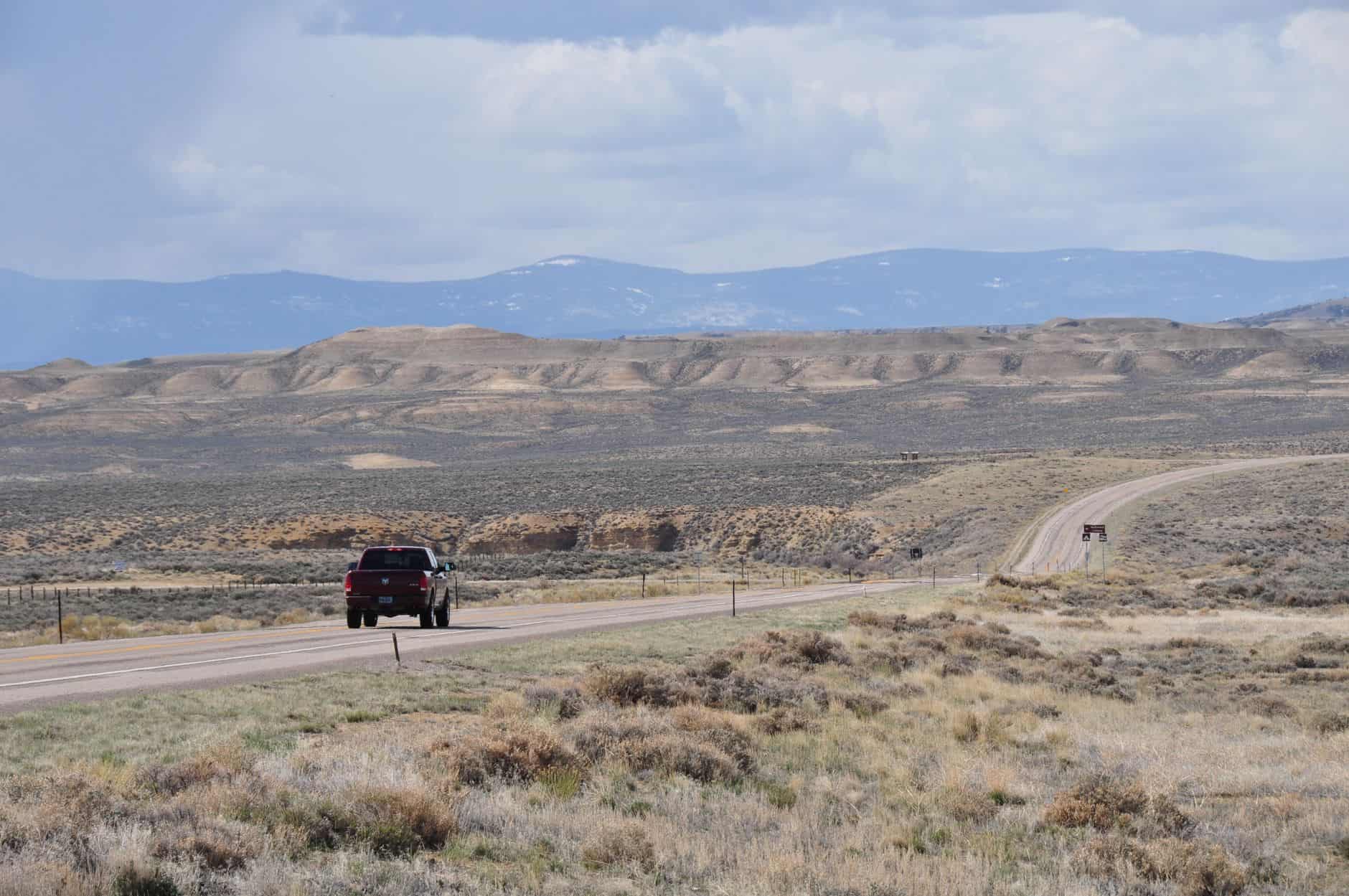
- California: No eating a frog that died in a frog-jumping contestIn California, it is illegal to eat a frog that died during a jumping contest. This law exists because of the Calaveras County Frog Jump contest, and yes, this is a real annual event.
- Arizona: No donkeys sleeping in bathtubsIn 1924, a merchant in Kingman, Arizona lost his donkey when a flooded dam washed it away in its bathtub. The ensuing rescue and property damage gave the town cause to pass a very specific ordinance. It remains active.
- Nevada: No camel riding on highwaysIn Nevada, it is illegal to ride a camel on the highway. This dates from the 1800s when the U.S. Army briefly experimented with camels as pack animals in the Southwest. The camels are gone. The law is not.
- Oregon: No hunting in a cemeteryIn Marion County, Oregon, it is illegal to hunt in a cemetery. This is one of those laws where the existence of the law implies that the activity happened often enough to require prohibition.
- Colorado: No catapultsThe city of Aspen, Colorado has an ordinance against owning or operating a catapult. This is less weird when you consider that Aspen is a city that has had to regulate almost every possible form of outdoor chaos.
- Washington: No buying a television on a SundaySome counties in Washington state still have blue laws restricting certain retail purchases on Sundays, including electronics in some jurisdictions. Worth checking before your Sunday Best Buy run.
The States Most Likely to Actually Enforce Weird Laws

Most of these laws are curiosities, not traps. But some jurisdictions are more enthusiastic about their unusual statutes than others.
- Small towns with little other enforcement activityA rural town with three officers and very little crime is exactly where you’ll encounter an officer who knows every ordinance on the books and is happy to write a citation for something obscure.
- Tourist-heavy areas with nuisance ordinancesCities overwhelmed by tourism — New Orleans, Myrtle Beach, Key West — have enacted a lot of behavioral ordinances aimed at keeping the peace. Noise violations, open container rules, and public behavior statutes are enforced actively.
- States with aggressive traffic enforcementTexas, Georgia, and Florida have reputations for thorough traffic stops where additional violations — including unusual ones — get tacked on. If you’re pulled over in a state with strict blue laws, an officer checking for everything is not unheard of.
What to Do If You Get Cited for Something Absurd
It does happen. Tourists occasionally get hit with citations for ordinance violations they had no reasonable way of knowing about.
- Don’t argue at the scene. Contesting a citation on the spot escalates situations. Take the ticket, get the officer’s name and badge number, and deal with it through proper channels.
- Contest it in writing. Most minor ordinance violations can be disputed by mail. Courts are often willing to dismiss unusual citations, especially for out-of-state visitors with no prior record.
- Check the statute yourself. Every state publishes its statutes online. Look up the actual law you were cited under — you’d be surprised how often citations reference laws that have been quietly amended or repealed.
- Consult a local attorney for anything significant. For actual misdemeanor charges, even strange ones, a quick consultation with a local attorney is worth it. Many offer free 15-minute consultations.
The bottom line: America’s weird laws are mostly harmless. They’re great bar trivia, better dinner conversation, and occasionally a fascinating window into what was considered a public emergency in 1887. Just know what you’re walking into — and maybe eat that Georgia fried chicken with your hands.