What Really Happens to Your Bag After You Check It — Baggage Handlers Tell All
We may earn money or products from the companies mentioned in this post. This means if you click on the link and purchase the item, I will receive a small commission at no extra cost to you ... you're just helping re-supply our family's travel fund.
I talked to a baggage handler who had worked the ramp at a major U.S. hub for eleven years. He asked me not to use his name. The first thing he said was: “People have no idea what happens to their bags. None.”
Then he told me.
Your checked bag travels an average of 3 to 4 miles inside the airport before it reaches the aircraft. It rides conveyor systems, gets sorted by machines the size of warehouses, is loaded onto carts by workers moving as fast as they physically can, and is then stacked in a cargo hold by people crouching in 110-degree heat in summer or 20-degree wind chill in winter, depending on the city.
The system works remarkably well most of the time. And then it doesn’t — and your bag ends up in Cleveland when you’re in Copenhagen.
From the Ticket Counter to the Tarmac
The moment you hand your bag to the agent and get your tag, here’s what’s actually happening:
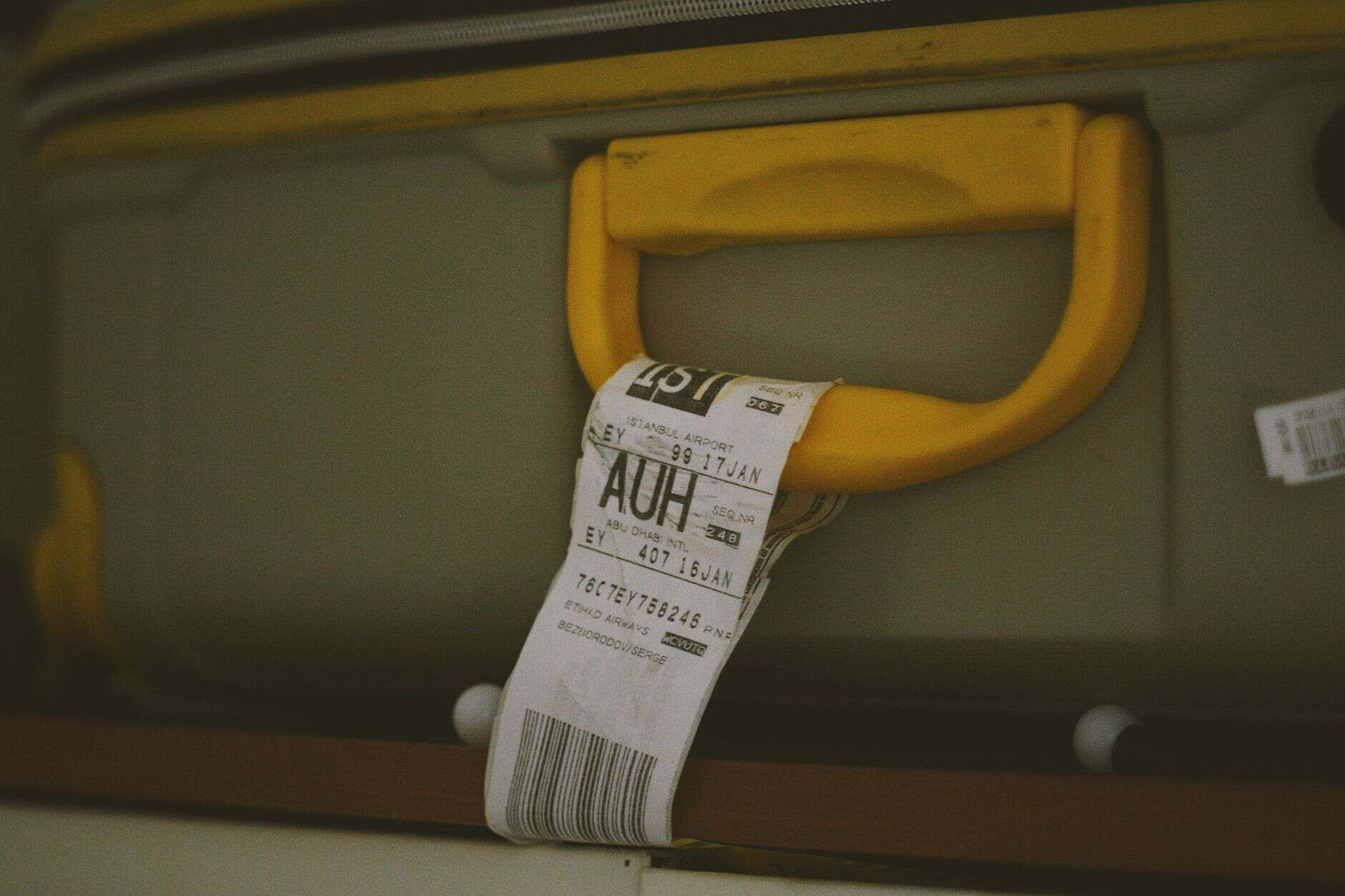
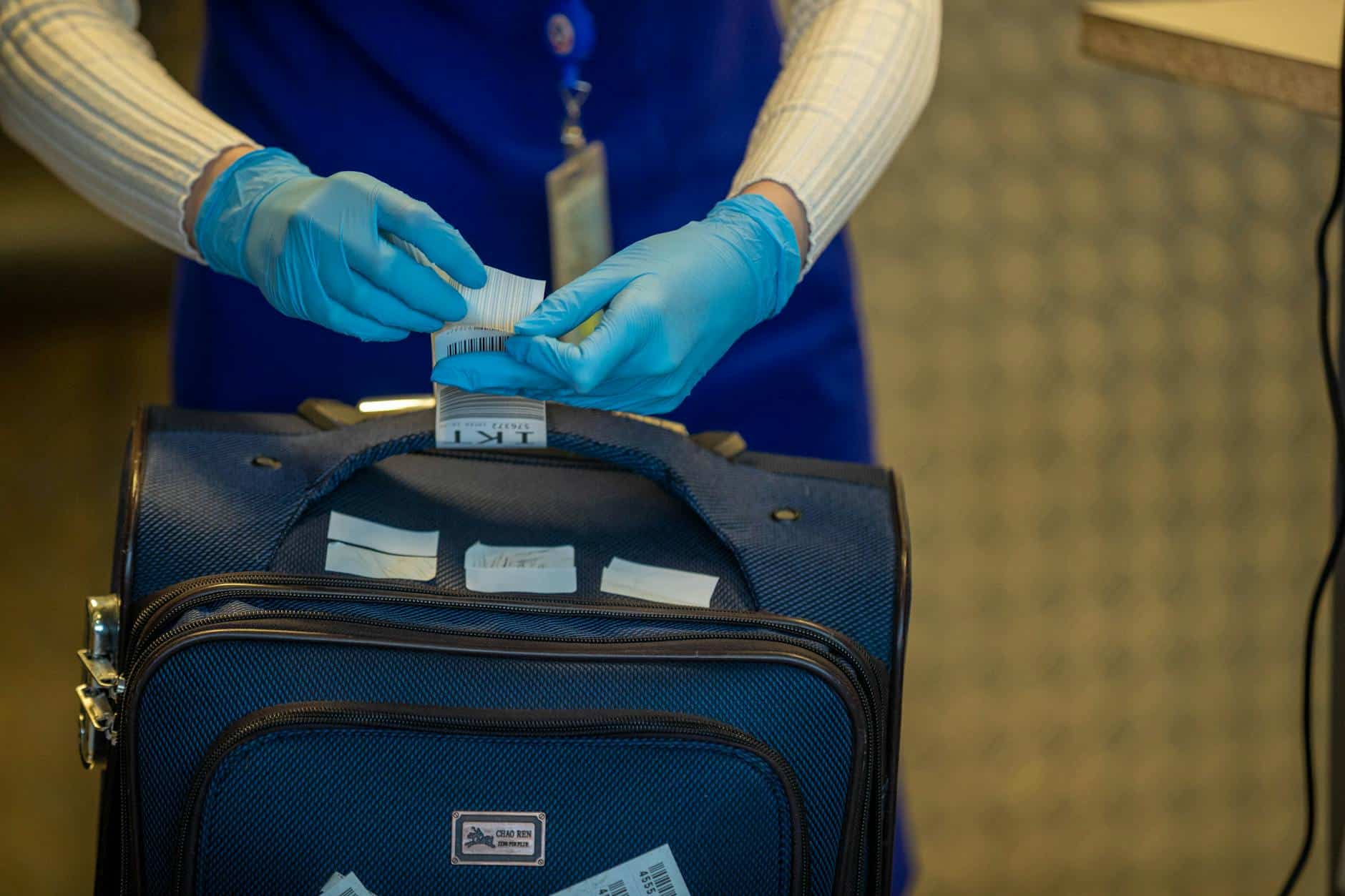
- Your bag is weighed and a barcode tag is printed and attached. This tag is the only thing standing between your bag and permanent purgatory. Treat it accordingly.
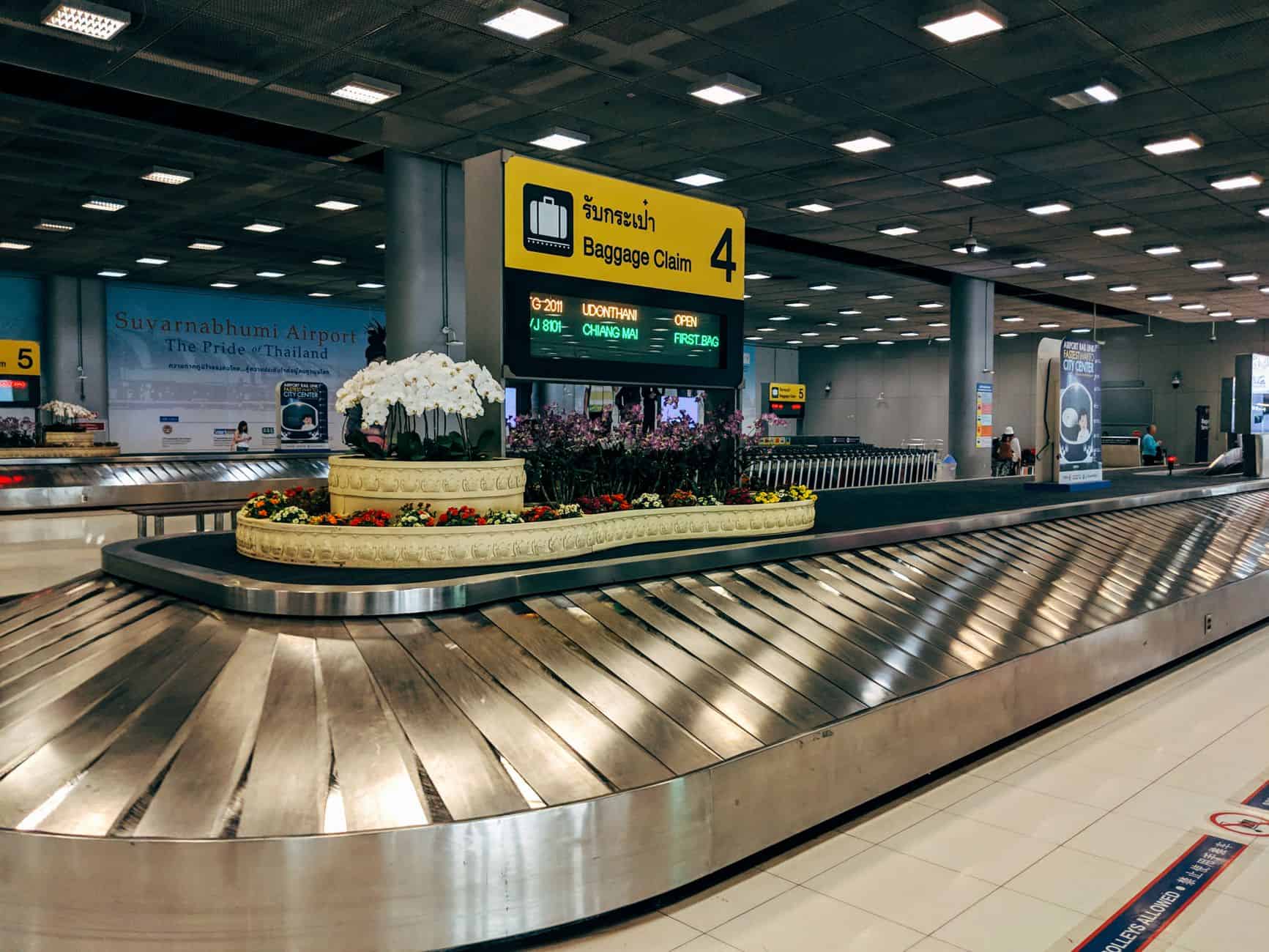
- The bag goes onto a conveyor belt into the airport’s Baggage Handling System (BHS) — a massive automated network that can span several miles in a large hub.
- Scanners read the barcode and route the bag toward your departure gate’s makeup area — the staging zone where ground crews load bags onto carts.
- Security screening happens automatically via CT scanners integrated into the BHS. If your bag gets flagged, it’s pulled aside for manual inspection.
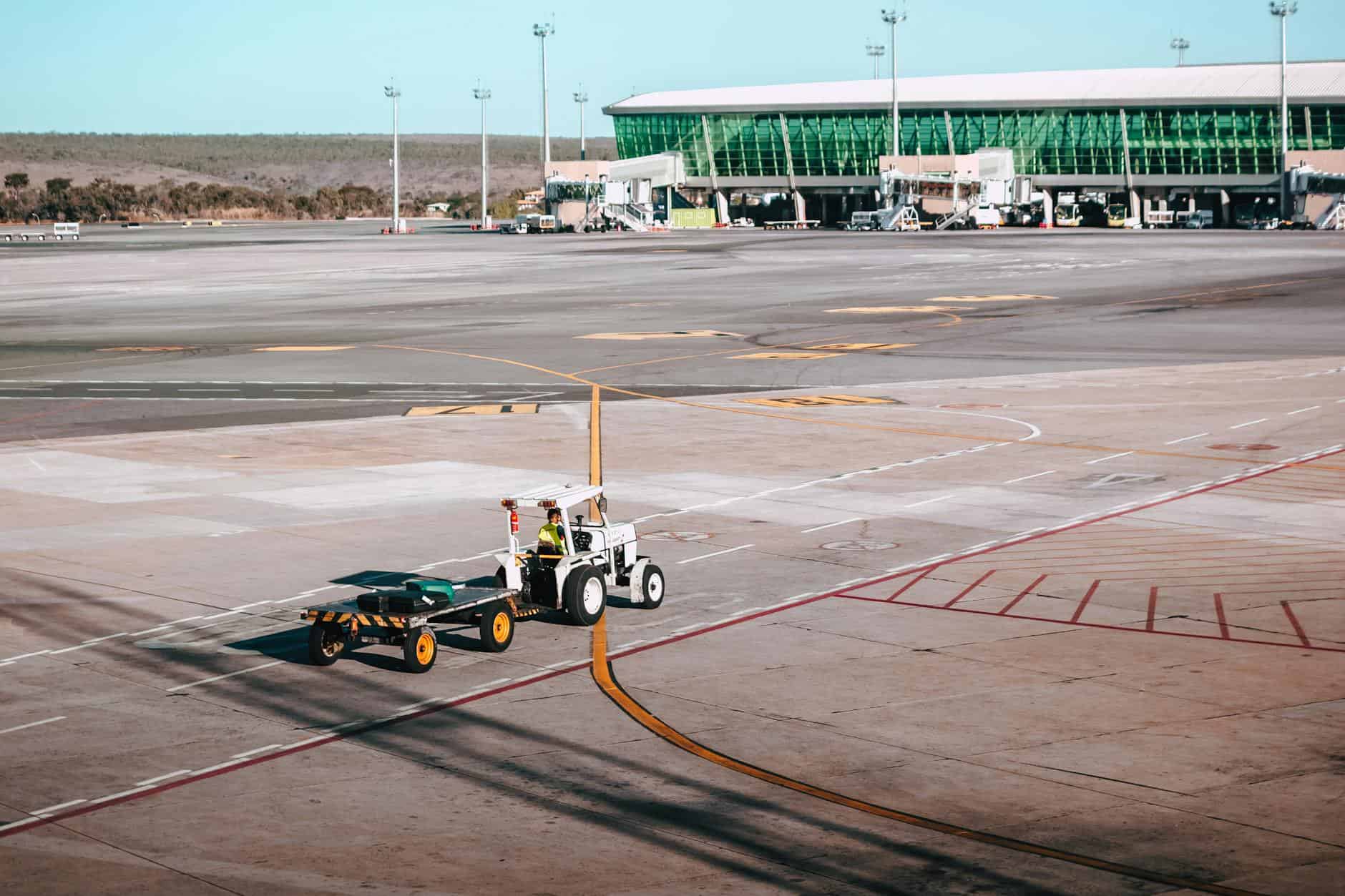
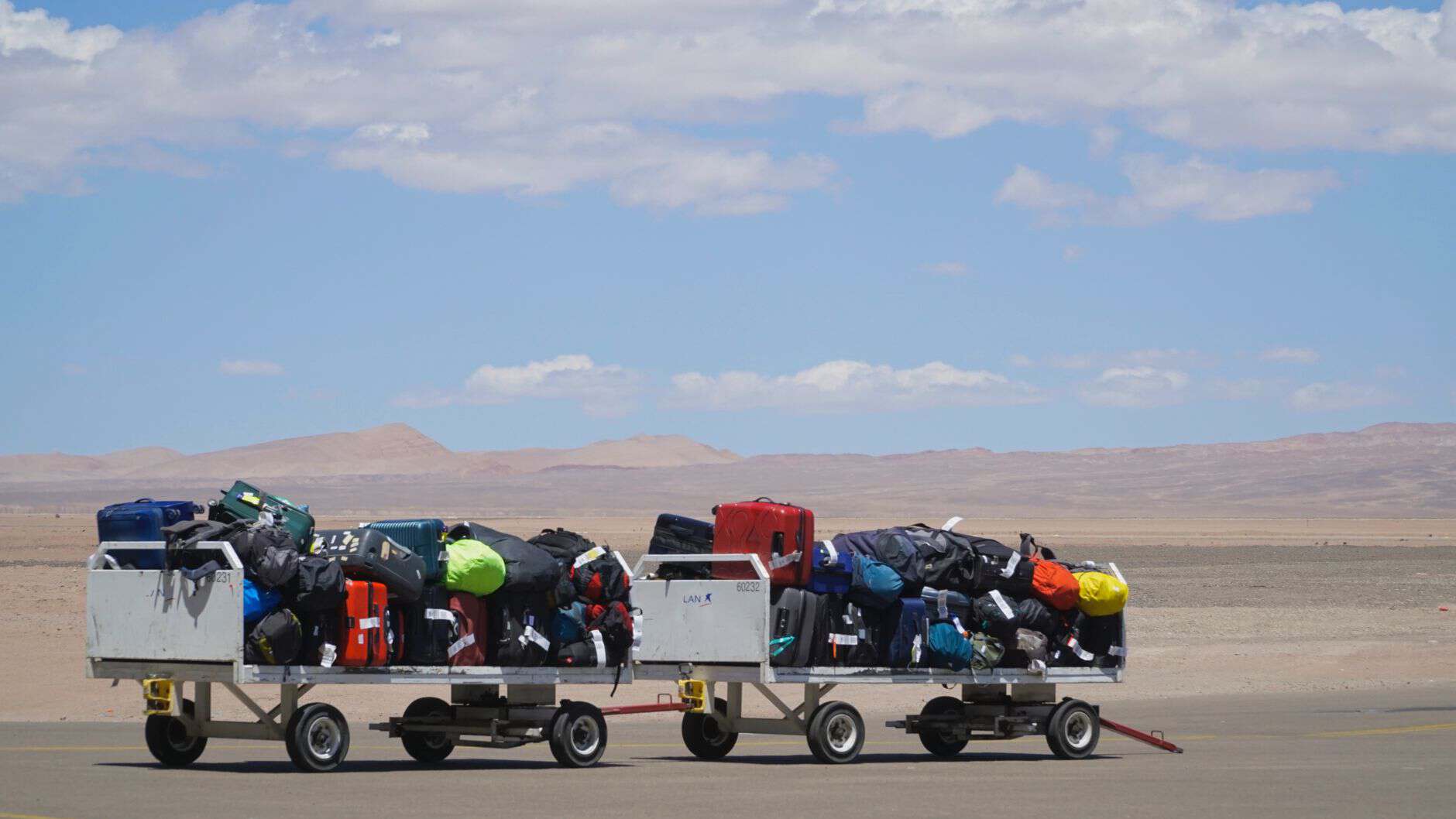
- In the makeup area, ground crews load bags onto “tugs” — the tractor trains you see driving across the tarmac — and haul them to the aircraft.
- Handlers load bags into the cargo hold in a specific order that accounts for weight distribution and destination (important on connecting flights where bags for intermediate stops need to be accessible first).
At a major hub during peak hours, this entire process takes about 30–45 minutes per bag. On a tight connection with a 50-minute layover, your bag is running the same race you are.
The Sorting System (And Where It Breaks Down)
Modern BHS systems are genuinely impressive engineering. Hartsfield-Jackson Atlanta handles over 100 million passengers a year and has a 5-level underground baggage system. Dallas/Fort Worth has 26 miles of conveyor belts.
But the system has known failure points:
- Tag damageYour bag’s barcode tag is made of paper. It gets wet, torn, smeared, and occasionally falls off entirely. When the scanner can’t read the tag, the bag goes to a manual sort area — which is exactly as slow and fallible as it sounds.
- System outagesMajor airports have had BHS outages that caused thousands of bags to be delayed simultaneously. Southwest Airlines’ infamous December 2022 meltdown included a BHS component that contributed to thousands of separated bags.
- Short connectionsEvery airport has a Minimum Connection Time (MCT) — the minimum layover that still allows your bag to make a connecting flight. It varies by airport (30 minutes at some, 90 minutes at others) and is not the same as what your airline’s booking system will allow. When you book a 45-minute connection at an airport with a 60-minute MCT, your bag may be physically incapable of making it.
- Late check-insBags checked within the cutoff window (usually 30–45 minutes before departure for domestic, 60 for international) often make the flight. Bags just outside that window often don’t.
How Bags Actually Get Lost
The term “lost luggage” is mostly a misnomer. According to SITA’s Baggage IT Insights report, 80% of “mishandled” bags are delayed — they’ll show up eventually. Only about 7% are truly lost (damaged beyond use or never recovered).
The most common causes of delayed bags:
- Transfer mishandling (44% of cases)This is the biggie. Your bag is tagged for a connecting itinerary, the connection is tight, and the bag simply doesn’t make it onto the second flight. It comes on the next available flight, usually 2–12 hours later.
- Failure to load (16% of cases)Your bag was in the makeup area and didn’t get loaded in time. Could be a staffing shortage, could be a weight distribution issue that caused the crew to leave some bags behind, could be a human error. It happens.
- Ticketing error (3%)The tag printed with the wrong destination code. This one is rare but produces the genuinely lost bag — the one that ends up in Miami when you’re in Seattle.
- Theft (rare but real)More on this in a moment. It exists. It’s not as common as the internet wants you to believe, but it’s not zero either.
What Baggage Handlers See Every Day
This is the part travelers never hear about, and it’s illuminating.
- Bags packed to the absolute limit of their zippersAn overstuffed bag that explodes in the cargo hold creates a cascading mess that can delay the entire flight while workers collect your belongings. Pack with some room to spare.
- Expensive items in checked bagsLaptops, cameras, jewelry, and cash in checked luggage. Handlers see these regularly during security-flag inspections. Keep valuables in your carry-on. Always.
- Food that should never have been checkedSealed containers of liquids that rupture under pressure changes. Fruits and vegetables that have been sitting in a hot cargo hold. Perishables that arrive as a reminder of what they used to be.
- Medication in checked bagsThis one makes experienced handlers genuinely worried on the passenger’s behalf. If your medication is in your checked bag and your bag is delayed 24 hours, you’re in trouble. Medication always goes in the carry-on.
- Bags without ID inside themThe tag falls off. The external tag is the only identifier. The bag arrives at Lost and Found with no way to identify the owner. Always put a card with your name, email, and phone inside your bag.
The Dirty Truth About Fragile Stickers
I asked my handler contact directly: does the FRAGILE sticker do anything?
His exact words: “It tells everyone to be careful. Nobody is careful.”
Here’s the mechanical reality: your bag goes onto a conveyor belt at a specific speed. It gets sorted by automated equipment. It gets loaded by workers handling 200+ bags per shift in the most physically efficient way possible, which means stacking and sliding.
Fragile stickers are a request, not a guarantee. If you’re checking something genuinely fragile, the only protection that actually works is hard-sided luggage with foam padding, and even then, accept the risk or ship it separately.
The one exception: some airlines will manually process FRAGILE-tagged bags, keeping them off automated conveyors. Ask at the counter whether this is available. Don’t assume.
What Actually Gets Stolen (And What Doesn’t)
Baggage theft exists. The TSA’s own records show that between 2010 and 2020, hundreds of TSA employees were fired or arrested for stealing from passengers. Ramp worker theft happens less often but does occur, particularly at high-volume international airports.
What thieves actually target:
- ElectronicsSmall, high-value, easy to resell. A camera or tablet in a checked bag is a target.
- MedicationsParticularly opioid prescriptions. This is a known and documented theft pattern at multiple airports.
- Cash and jewelryObviously. Never, ever, ever in a checked bag.
- Luxury cosmeticsHigh-end skincare and perfumes have resale value and are frequently reported missing.
What’s generally safe to check:
- Clothing, shoes, toiletries
- Books and non-electronic reading materials
- Sports equipment (in appropriate cases)
- Everything that is cheap to replace
How to Make Your Bag Survive the Gauntlet
- Use a hard-sided spinnerHard-sided bags survive the cargo hold significantly better than soft-sided ones. They’re not immune to damage, but they protect contents from compression and impact.
- Put ID inside AND outsideTape or slip a card with your name, phone number, and email inside the bag. Also attach an external luggage tag. Redundancy is protection.
- Use a bright or distinctive colorBlack suitcases are by far the most common checked bag. A distinctive color or pattern reduces the chance of someone accidentally taking yours — which accounts for a meaningful percentage of “lost” bag reports.
- Add an AirTag or TileGPS tracking devices cost $25–$35. They tell you exactly where your bag is in real time. They cannot compel the airline to find your bag faster, but they give you precise information to provide to the lost luggage desk, which helps significantly.
- Book direct or longer connectionsEvery connection is a risk. Nonstop flights eliminate the most common cause of delayed bags. If you must connect, choose connections of 90 minutes or more.
What to Do When Your Bag Doesn’t Arrive
- Do not leave the baggage claim area before filing a report. The lost luggage desk needs to see you in person at the airport. Filing online or later is less effective.
- Get a Property Irregularity Report (PIR) reference number. This is your official claim number. Keep it.
- Ask about interim expense reimbursement. Airlines are required under DOT regulations to compensate passengers for reasonable out-of-pocket expenses (toiletries, a change of clothes) while the bag is delayed. Ask explicitly — they won’t always volunteer this.
- Track using the airline’s app. Most major carriers now have real-time bag tracking in their apps, especially if you have an AirTag/Tile to give them precise location data.
- File a DOT complaint if reimbursement is refused. The Department of Transportation takes baggage complaints seriously. Airlines know it. Filing a complaint often accelerates resolution.
Your bag is going to be fine. The system is much better than it used to be — mishandled bag rates are at historic lows compared to a decade ago. But it works better when you understand it, pack smart, and know exactly what to do when something goes sideways.