Americans Avoid These Countries Over Reputations That Are Ten Years Out of Date. The Actual Travel Experience Is Fine.
We may earn money or products from the companies mentioned in this post. This means if you click on the link and purchase the item, I will receive a small commission at no extra cost to you ... you're just helping re-supply our family's travel fund.
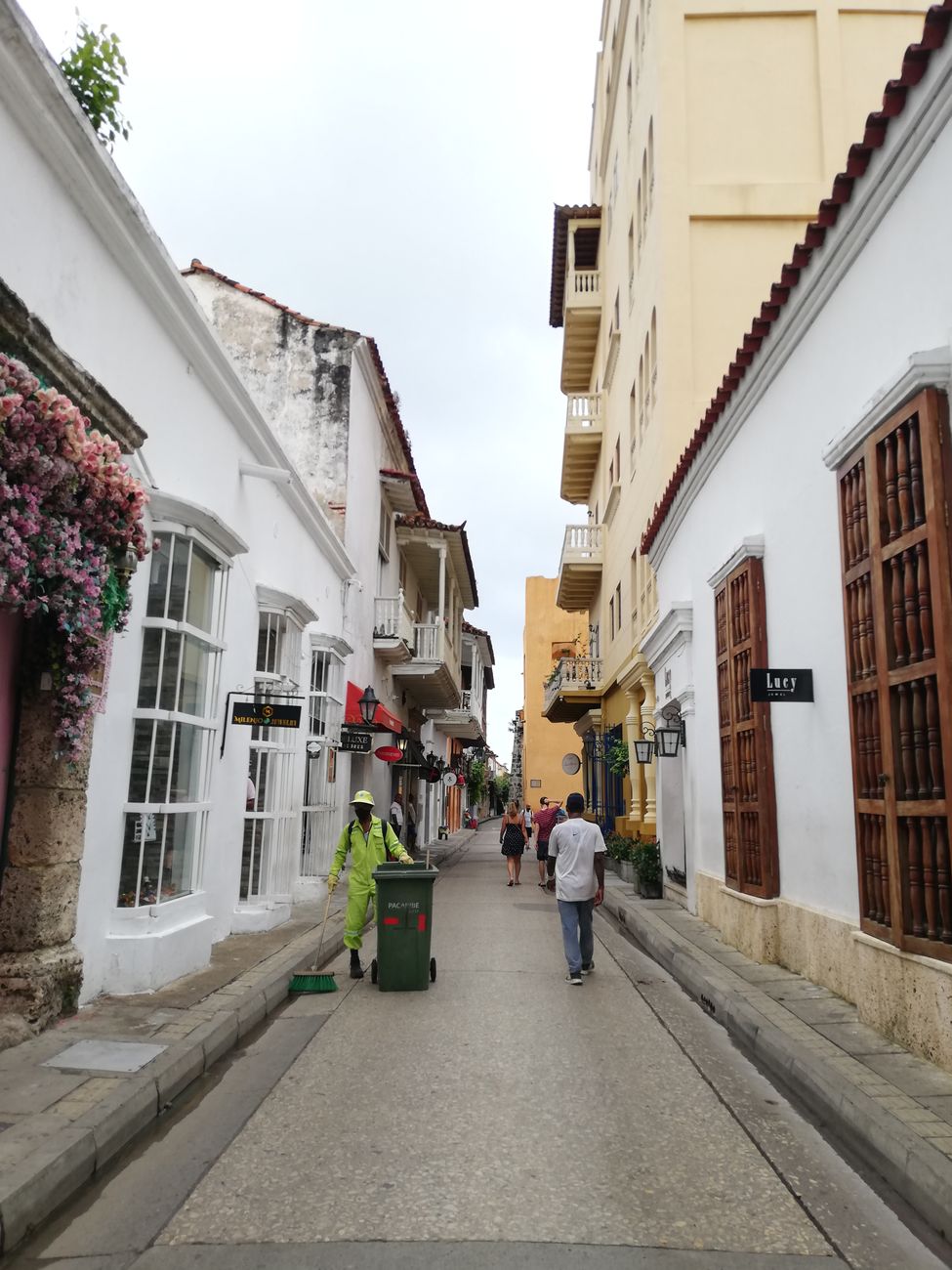
Colombia’s homicide rate has fallen dramatically since the peak of the Pablo Escobar era in the early 1990s, and Medellín and Cartagena now draw millions of tourists annually with functioning tourism infrastructure, safe walkable districts, and a genuinely warm hospitality culture. Ask an American who hasn’t researched it in the last decade about visiting Colombia, though, and the reflexive association is often still cartels and kidnapping — a reputation built on a specific, mostly resolved chapter of the country’s history that keeps outliving its relevance.
The pattern behind outdated country reputations
Reputation change lags reality change by design — news coverage spikes during a crisis and rarely returns with the same intensity to cover the slow, unglamorous process of recovery. A single high-profile news cycle about violence or instability can shape a country’s image for a generation, long after the underlying conditions shift. This has happened repeatedly across a specific set of destinations.
Rwanda is perhaps the starkest case: the 1994 genocide remains the dominant global association with the country three decades later, even though Rwanda has since become one of the safer, more orderly countries in East Africa, with Kigali frequently cited as one of the cleanest and safest capital cities on the continent, and a growing gorilla trekking tourism industry in Volcanoes National Park that draws visitors willing to pay steep permit fees for the experience. Vietnam carries a similar lag — for many older Americans the word “Vietnam” still triggers a war association, even though the country has been a stable, increasingly popular Southeast Asian tourism destination for two decades, with Hanoi, Ho Chi Minh City, and Ha Long Bay drawing millions of foreign visitors a year.
Where the caution is still warranted, briefly
This isn’t a blanket argument that every country with a bad reputation deserves a second look — some active State Department advisories reflect genuinely current risk, and specific regions within otherwise safe countries can still carry real danger even when the country’s tourist zones don’t. The point isn’t that caution is never warranted; it’s that caution should track current, specific conditions rather than a decades-old headline, and that most travelers never bother updating the headline in their head because there’s little reason to unless they’re actively planning a trip there.
Destinations with outdated reputations worth reconsidering
- Colombia — Medellín and Cartagena now run mature, safe tourism infrastructure decades removed from the cartel era
- Rwanda — Kigali is regularly cited as one of Africa’s safest, cleanest capitals
- Vietnam — a stable, popular Southeast Asian destination for two decades, still associated by many Americans with a war that ended in 1975
- Croatia and the broader former Yugoslavia — the 1990s conflicts still shape outside perception of a region that’s been a stable, popular Mediterranean destination for over fifteen years
The actual cost of an outdated reputation
How long it actually takes a country’s reputation to catch up
Reputational recovery generally tracks a country’s ability to rebuild visible infrastructure and sustain a period of stability long enough for word-of-mouth to slowly override the old narrative — usually a process that takes fifteen to twenty-five years at minimum, based on the pattern across Vietnam, Rwanda, and the former Yugoslav states. Social media and short-form video content have started to compress that timeline somewhat, since a single viral video from an ordinary tourist can reach more people in a week than years of official tourism board marketing, but the underlying psychological anchor — the original crisis narrative most people absorbed as children or young adults — tends to persist even after individual pieces of contradicting evidence pile up.
Generational differences show up clearly in survey data on destination perception — younger travelers, who never lived through the original crisis event as adults, tend to hold far less baggage about a place like Vietnam or Cambodia than travelers who remember it as breaking news. That generational gap is likely to keep closing the reputational lag over time, but it also means older travelers with more disposable income and more vacation flexibility are disproportionately the ones still avoiding destinations that have long since moved past the reputation still attached to them.
Tourism boards in these recovering-reputation countries have adopted increasingly direct strategies to address the lag, including partnering with international media outlets on destination features specifically designed to update outside perception, and in some cases directly funding influencer trips aimed at travelers from countries where the outdated reputation is strongest. Rwanda’s tourism authority has been particularly aggressive about this, tying gorilla trekking permit revenue directly into conservation and community programs that it then publicizes heavily, turning the recovery narrative itself into part of the marketing pitch rather than something visitors have to discover independently.
Insurance and liability considerations sometimes lag the actual risk picture too — some travel insurance providers have historically flagged certain recovering destinations with higher premiums or exclusions based on outdated risk models, adding a financial friction point on top of the psychological one, even when current government travel advisories no longer support that elevated risk classification.
The countries carrying these lagging reputations often benefit from it in one narrow way — fewer visitors means lower prices and thinner crowds at sites that would otherwise be overwhelmed. But the broader cost falls on the countries themselves, whose tourism economies lose out on visitors who’d genuinely enjoy the trip if their mental model updated to match current reality. The fix isn’t blind optimism about every destination; it’s checking current, specific information — actual current advisories, recent traveler accounts, current infrastructure — rather than running on an association formed by a single news cycle that may be twenty or thirty years old.