A Route Can Be Full of Rich Passengers and Still Lack Business Class — Here’s What Actually Decides It
We may earn money or products from the companies mentioned in this post. This means if you click on the link and purchase the item, I will receive a small commission at no extra cost to you ... you're just helping re-supply our family's travel fund.
Business class routes are not simply the routes where rich people fly. Plenty of wealthy leisure destinations get small jets with a few first-class recliners, and some enormous corporate corridors get all-economy planes. The answer is rarely about passenger wealth. It is about the airplane, the arithmetic of each seat and the airline’s fleet schedule, which together decide whether a lie-flat cabin is worth carrying.
What Actually Decides Whether a Route Gets Business Class
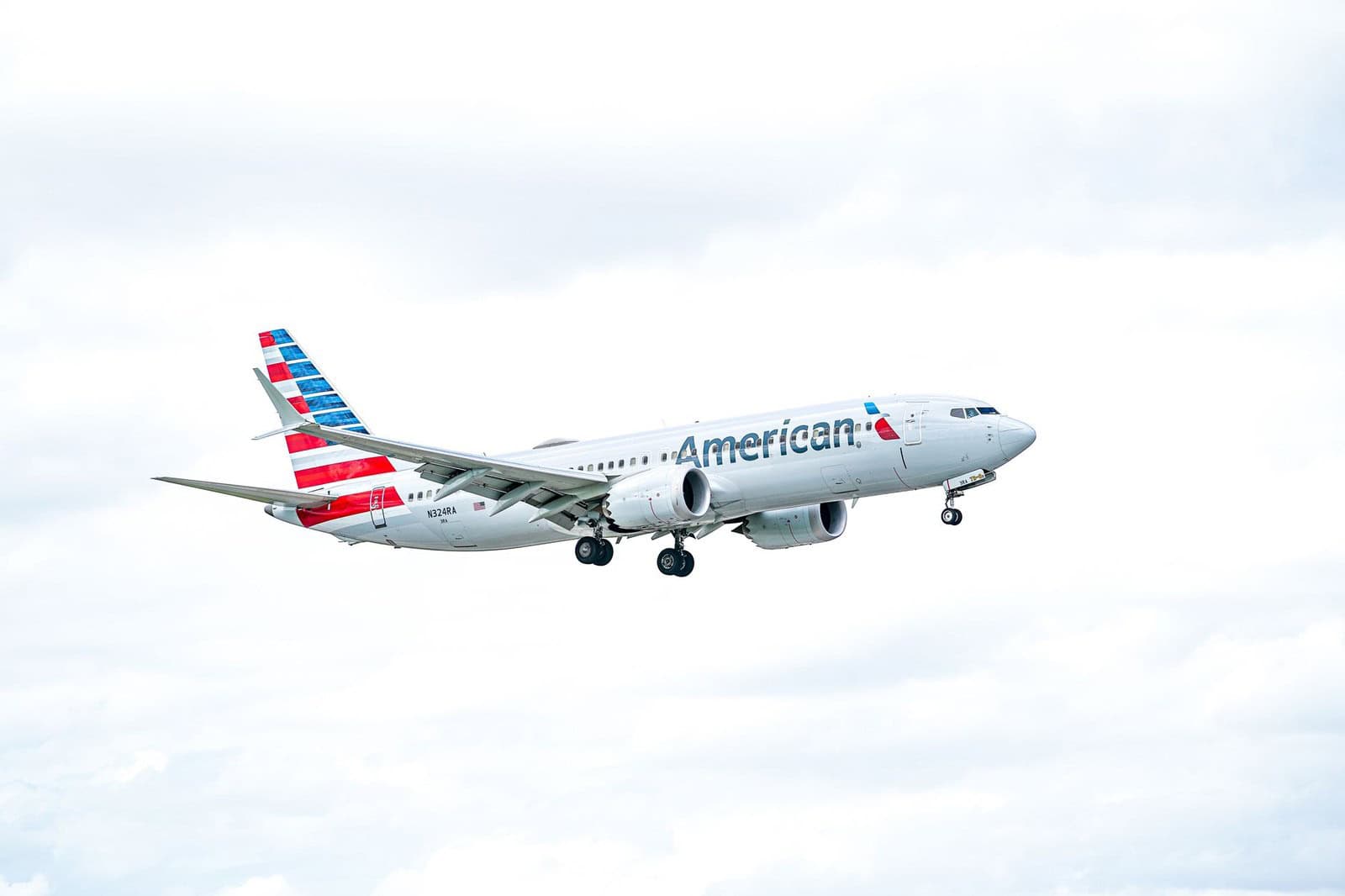
Four things decide it: which aircraft the airline can put on the route, how much more a premium seat earns than the economy seats it replaces, how reliable the corporate demand is across the whole week, and whether the airline can keep that aircraft flying that route without breaking the rest of its schedule.
Wealth is part of demand, but it is not the deciding variable. A route full of well-off vacationers may produce premium passengers only in two peak weeks a year, and an airline cannot fill a business cabin on a day it doesn’t have. Business class is a year-round bet.
Business Class Routes Start With the Aircraft
A business-class seat that reclines flat takes up far more room than an economy seat. A cabin of that type belongs on a wide-body or a long-range narrow-body that was configured for it, and each airline has a limited number of those planes. If your route is flown by a regional jet, a small narrow-body, or an older aircraft configured with only domestic first class, there is no space for a true business cabin. It has nothing to do with whether passengers could afford it.
You see this in resort and mountain airports. Aspen, Jackson Hole, Sun Valley and Nantucket all draw very wealthy travelers, yet service is often on regional jets with a small first-class cabin or on narrow-body planes that carry mostly economy seating. The airports themselves also limit aircraft size through runway length, terminal capacity and noise rules, so a bigger plane with a premium cabin isn’t always an option.
The Seat Arithmetic
Every premium seat replaces more than one economy seat. A lie-flat business seat can take the space of three or four economy seats. That means the airline needs the premium fare to be several times the economy fare, on average, just to break even, and it needs to sell that seat reliably.
Premium fares are a function of who is buying. Airlines call the corporate buyer the most valuable customer because the company pays a high fare, books late, and flies every week of the year. A leisure traveler may pay a high fare once but is more likely to book early, use miles or choose a cheaper cabin. Airlines track premium revenue by route and by day of the week, and the numbers decide where they put the premium cabin.
A Real-World Test: Resorts and Hubs
Compare two airports that look alike on a wealth map. A mountain resort town and a large coastal business hub may both have a high share of high-income travelers, but the business hub supports a daily wide-body flight to another business hub because companies there send people every week. The resort town may have a handful of peak winter weeks with excellent premium demand and a long shoulder season when the same flight would be half empty.
Airlines respond with the tool they have. They add extra frequencies in the peak weeks, swap in a larger plane for a month, or sell premium seats at a very high price for the holidays and keep the rest of the year simple. A seasonal route may get a premium cabin only in season, and a route that depends on tourists may lose it in the shoulder months.
Corporate Corridors Versus Leisure Destinations
Consider two very different routes:
- A route between two business centers has steady midweek demand from companies that negotiate fares in bulk, so premium seats fill on Monday and Friday and often in between.
- A route to a beach or ski destination has strong weekend and holiday demand, but midweek planes may run light, so the premium cabin earns in bursts.
An airline with the second pattern may keep the premium cabin small or skip it. An airline with the first may add a wide-body even when the route could be flown by a smaller plane.
Corporate contracts matter in another way. Large firms often sign deals with a carrier that cover many routes, with discounts for volume. If the carrier doesn’t offer a premium cabin on a route, the company’s travelers may be told to book on another airline that does, so the airline loses the whole account.
Why Domestic First Is Not Business Class
In the United States, the word first class on a domestic flight means a wider seat with a recline, not a bed. Real business class, with a lie-flat seat, mostly appears on long-haul international flights and on a small number of premium transcontinental routes between large coastal cities. Airlines flew special aircraft on those routes because corporate demand and premium revenue were large enough to justify them. On everything else, the premium product is a domestic first cabin, which is cheaper to install and easier to move from one plane to another.
That distinction explains many reader complaints: a route may have a first-class cabin and still not have business class, because the aircraft type doesn’t support the product.
Range and Weight
Long-range flying brings a different set of limits. On very long flights, every seat adds weight and a heavily configured premium cabin reduces how many passengers and how much cargo can be carried. Airlines choose how to configure a plane based on how much premium demand they expect on its longest and most profitable routes. If a plane is set up for a premium market in one part of the world, it can’t easily be reassigned to another route without being reconfigured.
Cargo matters too. On many international flights, freight in the belly of the plane makes up a meaningful share of revenue, so airlines weigh how many seats the aircraft can carry against the cargo it can hold.
The Fleet Puzzle
Airlines maintain a limited number of aircraft with each configuration, and a plane has to be at the right airport at the right time for maintenance, crews and connections. A premium plane assigned to one route is a plane that isn’t available for another. If an airline has 20 aircraft with a business cabin, it will put them where they earn the most.
This is why routes sometimes lose business class when a fleet changes. A plane is retired, delayed or reassigned, and the route gets a different configuration, sometimes for years.
Cabin Count and Cost to Operate
A business cabin also changes costs. Premium seats are heavier, require more flight attendants per passenger, and need better catering. Many airlines assume that premium service adds meaningful cost per seat beyond the extra space it uses. That is why the premium fare has to be much higher than economy, not slightly higher, and why airlines are careful about adding cabins to routes where the fare gap is thin.
Fuel and aircraft ownership costs matter too. A plane that spends the day on a short hop earns its money by flying many trips, so a bulky premium interior is a poor fit. A plane on a long route flies fewer trips, but each trip earns more, and a premium cabin can pay.
Competition and Alliances
A premium cabin can also be a defensive move. If a rival offers lie-flat seats on a route, an airline may match them even if returns are modest, to avoid losing high-value customers on every other flight. Partnerships and joint ventures also shape routes, because partners may split coverage so that one airline carries the premium product while the other offers cheaper economy flights.
How to Tell If a Route Will Have Business Class
You can often predict it by checking a few things before you book:
- Look at the aircraft type shown in the booking tool or the seat map. A wide-body plane or a plane labeled with a lie-flat cabin signals a premium product.
- Check the route’s length. Short domestic routes rarely get lie-flat seats.
- See whether the route connects two major corporate hubs.
- Look at the carrier’s other routes. A route that shares an aircraft type with its flagship flights is likelier to have the same cabin.
Schedules and aircraft change often, so check again close to departure.
What This Means If You Want a Premium Seat
If you want a lie-flat bed on a route that doesn’t offer one, you have three choices. You can connect through a hub on an aircraft that does have it, which adds time but may cost less. You can use miles or an upgrade on the longer leg of a trip. Or you can accept domestic first on the short leg and plan the premium segment where the product is real.
Prices vary widely by season and route. Premium cabins on long international routes often cost several times the economy fare, and a domestic first-class fare may cost anywhere from a modest premium to double or more. The only reliable way to know is to search the dates you want.
The Bottom Line
Business class is a business decision, not a reward for wealthy passengers. A route gets it when the aircraft can carry it, the seats fill throughout the week, the premium fare covers the economy seats lost and the plane can be kept in the right place. When any of those pieces is missing, passengers with money to spend still fly with the rest of us.