Some National Parks Charge Visitors to Fund Their Own Conservation. Here’s Where That Model Is Working and Where It Isn’t
We may earn money or products from the companies mentioned in this post. This means if you click on the link and purchase the item, I will receive a small commission at no extra cost to you ... you're just helping re-supply our family's travel fund.
Park entry fees conservation systems all rest on one idea: the people who come to see a place should help pay to keep it intact. In a handful of countries that idea is working, with a $200 charge at the Galápagos, a $100 nightly fee in Bhutan and gorilla permits that cost well over $1,000. In others the fee is too small, too easy to dodge, or too far from the places that need the money. Here is where visitor-pays conservation holds up and where it doesn’t.
Where the Model Is Working and Where It Isn’t
The short version: the model works when the fee is large enough to matter, the money is earmarked, and the number of visitors is deliberately limited. It struggles when the fee is symbolic, the collection is leaky, or the revenue disappears into a general budget.
That pattern shows up again and again. A fee that is a rounding error on a $4,000 trip changes nothing about behavior, but it can still raise real money. A fee that is high enough to shape who visits can also protect a place by keeping numbers low. The trouble is that those two effects pull in different directions, and governments rarely say which one they want.
Park Entry Fees Conservation Leaders
The Galápagos Islands, Ecuador
Foreign adults pay a national park entry fee of $200, doubled from $100 in August 2024, the first increase in about 25 years. The money is split between the national park, the island municipalities and services for residents such as water and sewage, so it does fund the protected areas, but it also funds the town you sleep in. Visitor numbers are managed through limited ship berths and a strict list of permitted visitor sites. Most travelers pay the fee at the airport in cash before leaving the arrivals hall, so leakage is low.
Bhutan
Bhutan charges most international adults a Sustainable Development Fee of $100 per night, with children six to eleven at half price and younger children free. The rate was $200 when tourism reopened in 2022 and was cut in 2023 to lure visitors back. The revenue goes to a national fund that pays for health care, education and environmental programs, so it is development money as much as conservation money. The model works because tourists must book through licensed operators and pay the fee with the visa. Check the current rate and its expiry date before you plan, because it has changed twice in recent years.
Rwanda’s Volcanoes National Park
A mountain gorilla trekking permit costs around $1,500 per person for a single hour with a gorilla family. Rwanda has said publicly that a share of permit revenue goes to communities around the park. The pricing keeps visitor numbers low, because only a small number of permits are issued per gorilla group per day, and gorilla populations in the Virunga region have grown over the past two decades. This is the clearest example of scarcity and price working together.
Palau
Visitors pay a $100 Pristine Paradise Environmental Fee on departure, in place since 2018. Palau pairs that with a very large marine sanctuary and a pledge system at immigration, and the fee supports its protected-area network. It is a small country with a small number of visitors, so the fee does a lot of work per head.
New Zealand
The International Visitor Conservation and Tourism Levy was raised to NZ$100 in October 2024 and is collected with the visa or travel authorization. Its revenue is split between conservation work and tourism infrastructure. It collects well because it rides on an existing border system, which is the practical lesson: a fee attached to something every visitor already has to do is hard to avoid.
Costa Rica and the Case for Cheap Fees
Not every success story is expensive. Costa Rica’s national parks charge foreign visitors roughly $10 to $20 per person at most parks, and in the more famous ones, such as Manuel Antonio or Corcovado, entry rules also limit the number of people per day. The country’s conservation reputation rests on decades of political choices, including payments to landowners for keeping forest standing, and not on the entry fee alone. It is a reminder that a ticket price is one lever among several, and that cheap fees can work when numbers are capped and the broader policy is sound. Confirm current prices and any advance booking rules before you go, since several parks now require timed reservations.
Why These Fees Hold Up
Three features show up in the successes:
- The fee is collected at a choke point, such as a visa application, an airport counter or a permit office.
- The amount is large enough that visitors notice it, which usually means it also shapes how many people come.
- The money has a visible destination, such as ranger salaries, community payments or a named fund.
Notice what is missing from that list: a promise that the fee fixes everything. Even in the Galápagos, invasive species, illegal fishing and growth in the resident population are persistent pressures that no visitor fee solves alone.
The United States: A Partial Case
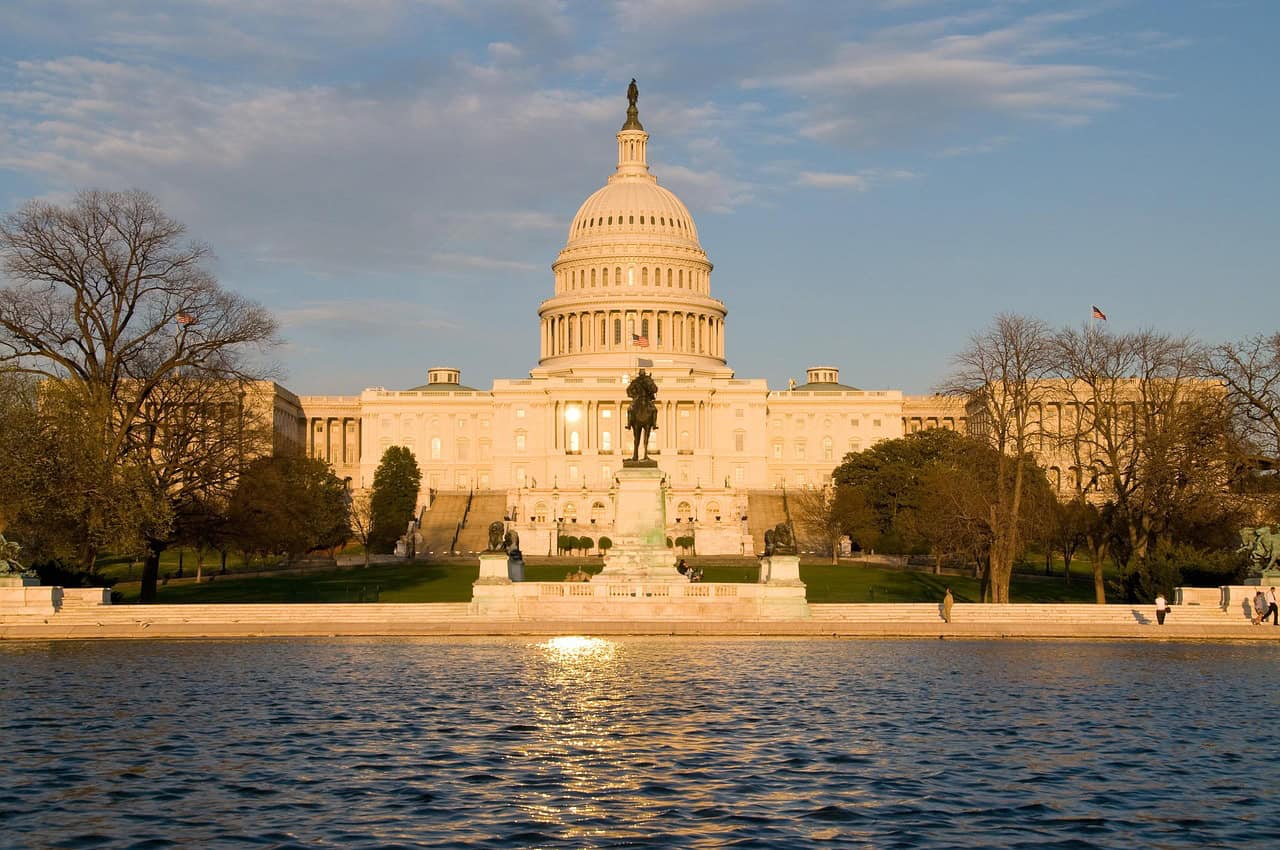
American national parks charge entrance fees, usually in the range of $20 to $35 per vehicle at the busier parks, with annual passes available. Under the federal recreation fee law, a large share of fee revenue stays at the park where it was collected and goes to visitor services and maintenance. That is a visible destination, and it is why many parks can point to a repaired trail or new restroom.
The limit is scale. Entrance fees cover only a slice of what it costs to run the system, and the National Park Service has carried a maintenance backlog in the tens of billions of dollars. Congress passed the Great American Outdoors Act in 2020 to put several billion dollars toward that backlog, which tells you fees alone were not enough. Recent policy changes have also introduced higher prices for some non-resident visitors, and these rules change, so confirm current pricing on the park service website before a trip.
The honest reading is that fees in the U.S. are a supplement. They work as a way to keep up basic services, not as the funding model for conservation itself.
The Places Where It Falls Short
Bali, Indonesia
Bali introduced a levy of 150,000 rupiah, roughly ten dollars, on international visitors in February 2024. The money is meant to fund culture and environmental protection. Reporting has pointed to uneven compliance, with a minority of visitors paying in some periods, which is a classic collection problem. A fee that is easy to skip is a donation, not a funding model.
Venice, Italy
Venice charges day-trippers an access fee of 5 to 10 euros on selected days. The city raised several million euros in the first seasons, but the fee is aimed at crowd control and city costs, not conservation of a natural area, and its effect on crowds has been debated. It is a useful warning that a small fee on a large crowd produces money without producing much behavior change.
Hawaii
Hawaii moved in 2026 to raise its accommodation tax by a small amount to fund a Green Fee for natural resources. Expectations are in the range of $100 million a year. It is too new to judge, and it targets hotel guests, which means day visitors and cruise passengers largely escape it.
A Look at the Money Itself
It helps to put the numbers side by side. A couple spending a week in the Galápagos pays $400 in park fees before boats and flights. A couple spending eight nights in Bhutan pays $1,600 in nightly fees. A couple trekking gorillas in Rwanda pays around $3,000 for one morning. None of these destinations is cheap, and that is partly the point: the fee is how a small country turns limited access into protection and public income.
At the other end, a family of four entering a U.S. national park by car pays one vehicle fee, often around $30 to $35 for a week of access. That is a very different price signal, and it reflects a different philosophy, which treats parks as a public good open to everyone rather than as a scarce experience to be priced.
What Makes a Fee Work or Fail
If you want to judge a new conservation fee when you read about it, check four things:
- Who collects it, and is there a way around the collection point?
- Is the revenue legally earmarked, or does it go to a general budget?
- Does the amount change anyone’s decision to visit?
- Do nearby residents see a benefit, such as jobs, schools or ranger posts?
When the answers are good, fees can fund real protection. When they are bad, the fee becomes one more line on a bill.
What This Means When You Plan a Trip
For travelers, the practical result is to treat these fees as part of the real cost of a destination and budget for them up front. A Galápagos trip carries $200 per adult in park fees before you buy a single boat ticket. A Bhutan itinerary of eight nights carries $800 per adult in fees alone. A Rwanda gorilla trek carries a permit that costs more than many flights.
Ask three questions when you book: what is the fee, where does it go, and is it already included in the tour price? Reputable operators will answer all three. If they won’t, that is information too.
It also helps to know that you are not paying for a luxury. In places where conservation is funded mainly by visitors, your fee is often the difference between a ranger on patrol and an empty post. That doesn’t make every fee well spent, but it does make the question worth asking.
The Bottom Line
Visitor fees do fund conservation in a few places, and they do it best where a country has control over who arrives, what they pay and where the money goes. They work less well in places where fees are small, optional, or absorbed by general budgets. The Galápagos, Bhutan and Rwanda show the upside of the model, while Bali and Venice show its weak points. Before your next trip, look up what the fee is, who collects it and what it pays for. That one habit tells you more about a conservation program than any brochure.