Why the Boundary Waters Issues Just 250 Permits a Day — and What That Means for Experiencing Its Wild Side
We may earn money or products from the companies mentioned in this post. This means if you click on the link and purchase the item, I will receive a small commission at no extra cost to you ... you're just helping re-supply our family's travel fund.
The Boundary Waters Canoe Area Wilderness in northern Minnesota, spanning more than a million acres along the Canadian border, limits overnight visitor entry through a strict permit system that caps the number of groups allowed to start a trip from each of more than 80 designated entry points daily, a quota system administered by the U.S. Forest Service that has become the primary reason the wilderness has retained its remote, undeveloped character even as visitor demand has grown substantially over the decades.
How the Permit System Actually Works
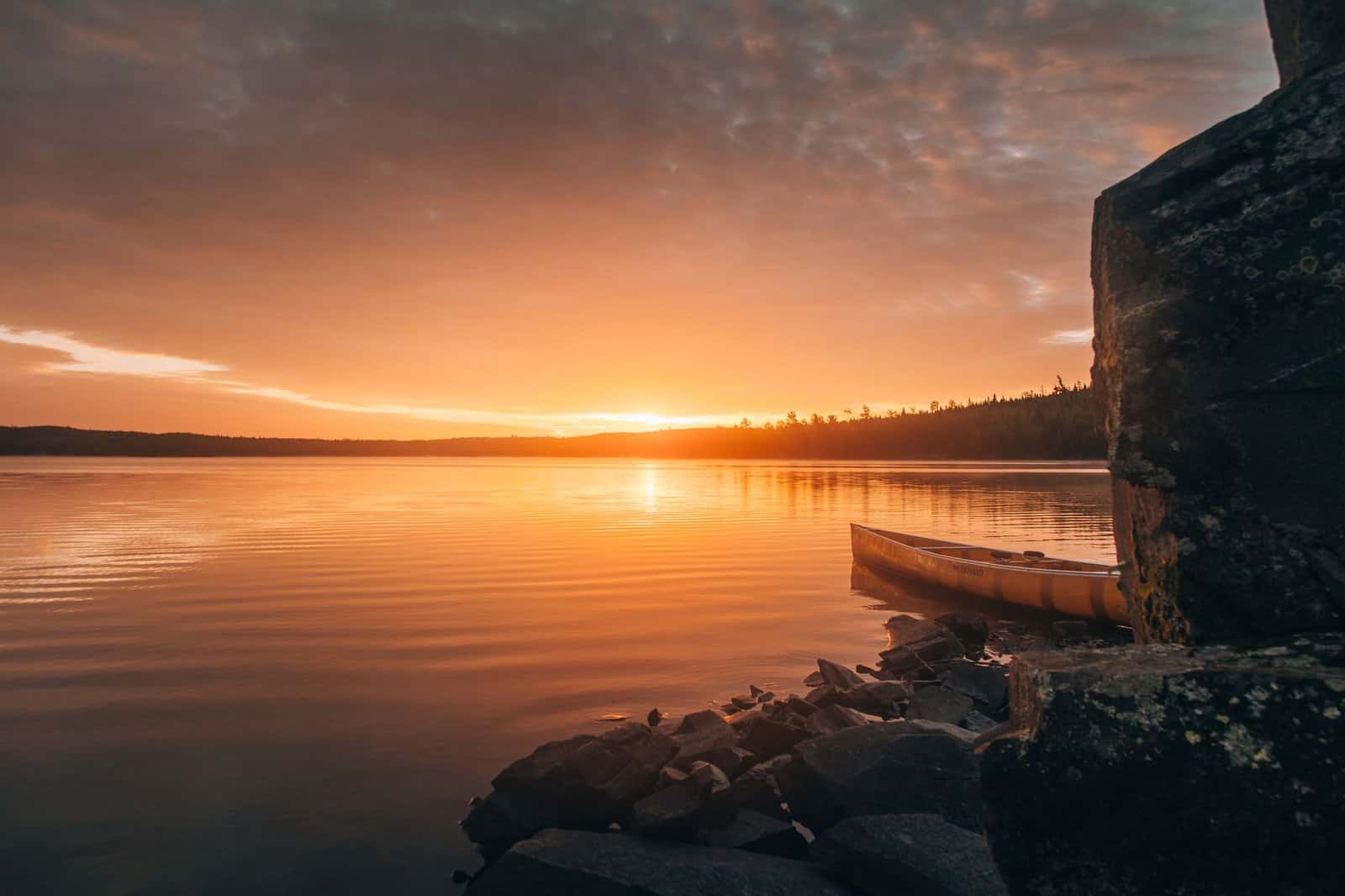
Overnight permits for the Boundary Waters’ most popular entry points, particularly those near Ely and the Gunflint Trail, become available through a reservation system each January for the upcoming May-through-September travel season, and the most sought-after entry points and dates routinely book within minutes of the reservation window opening, a level of demand pressure that mirrors permit systems at popular Western national parks despite the Boundary Waters receiving far less national media attention. The Forest Service sets each entry point’s daily quota based on historical use patterns and lake capacity, meaning some entry points allow only one or two groups per day while others permit considerably more.
This deliberately constrained access has produced a wilderness experience that feels considerably more remote and undeveloped than its actual proximity to Minnesota’s Iron Range and Duluth metro area would suggest, since visitor density within the wilderness itself stays low enough that multi-day trips often pass with minimal encounters with other groups, a genuinely rare experience for a wilderness area within a day’s drive of several million Midwesterners.
What the Quota System Protects
- Loon and common bird populations that depend on undisturbed nesting habitat have remained stable in the Boundary Waters in ways that haven’t held in more heavily visited wilderness areas nationally
- Water quality across the wilderness’s more than 1,100 lakes remains exceptionally high, supported partly by strict rules against motorized watercraft on the vast majority of interior lakes
- Campsite degradation, a chronic problem at overused wilderness destinations elsewhere in the country, stays minimal because the same finite number of designated sites never faces demand beyond what the permit quota allows
- The area’s population of gray wolves, one of the larger populations in the lower 48 states, benefits from the low human disturbance the permit system helps maintain across such a large contiguous wilderness area
This protective effect has made the Boundary Waters a frequently cited case study among wilderness management researchers studying how quota-based access systems can preserve ecological and experiential wilderness qualities even in areas facing significant regional population pressure and rising outdoor recreation demand nationally.
The Ongoing Political Fight Over Mining Nearby
The Boundary Waters permit system protects visitor experience and ecological quality within the wilderness boundary itself, but the area has faced a separate and more contentious fight over proposed copper-nickel mining projects on adjacent lands, particularly the long-disputed Twin Metals project near Ely, which opponents argue could contaminate the wilderness’s interconnected watershed even though the mine itself would operate outside the formal wilderness boundary. This fight has continued for well over a decade across multiple presidential administrations, with mining leases alternately granted, revoked, and litigated depending on which party controls federal land management policy at any given time.
Local economic interests in the Iron Range region remain genuinely divided on the mining question, since the same area that benefits economically from Boundary Waters tourism has also historically depended heavily on mining employment, creating a values conflict within the same communities rather than simply between environmentalists and industry, a tension that distinguishes this fight from more straightforward corporate-versus-conservationist narratives common elsewhere.
What Happens If the Quota Ever Gets Removed
Wilderness management researchers who study comparable unrestricted-access wilderness areas generally point to the degradation seen at popular but unregulated backcountry destinations elsewhere as a preview of what could happen to the Boundary Waters without its permit system, including trail erosion, campsite proliferation, water quality decline from increased human waste, and wildlife displacement, outcomes the current quota system has successfully prevented for decades. The Forest Service has faced periodic pressure to expand quotas given growing demand and lengthening waitlists for popular entry points, but has largely maintained current limits specifically citing the ecological and experiential preservation the system provides, treating visitor frustration over permit scarcity as an acceptable trade-off against the alternative of a degraded wilderness experience for everyone. Outfitters based in Ely and along the Gunflint Trail have adapted their businesses specifically around the permit system’s constraints, often helping clients secure entry permits well in advance or offering trips through less popular, more available entry points that still provide a genuine wilderness experience without the monthslong advance planning required for the most sought-after starting locations. This guide-and-outfitter economy has become an integral part of how visitors who don’t want to navigate the permit system entirely independently still manage to access the wilderness each summer, adding a meaningful local economic layer to the broader wilderness protection story. Ely, often described as the unofficial gateway to the Boundary Waters, has built its entire modern civic identity and downtown economy around wilderness-adjacent tourism, a transition that began decades ago as the region’s historic iron mining employment declined, making the wilderness area’s permit-managed tourism economy directly responsible for sustaining a small northern Minnesota city that would otherwise have faced considerably steeper economic decline following its mining industry’s contraction. The International Wolf Center, headquartered in Ely, has become an additional draw layered on top of the wilderness tourism economy, giving visitors an educational attraction that complements rather than competes with the permit-limited backcountry experience the Boundary Waters itself provides just beyond the town’s edge. Winter tourism has also grown around Ely in recent years, with dog sledding and cross-country skiing extending the wilderness-adjacent tourism economy beyond the traditional May-through-September paddling season that the permit system primarily governs, giving the town a second, smaller tourism season that doesn’t depend on the same entry point quota system at all. That winter season remains considerably smaller than the permit-governed summer paddling season, but it has given local outfitters and lodges a meaningful second revenue stream that helps stabilize what would otherwise be an extremely seasonal, single-window local economy.